
-
Read 237
-
0
-
Part 11
Completed, First published Mar 02, 2026
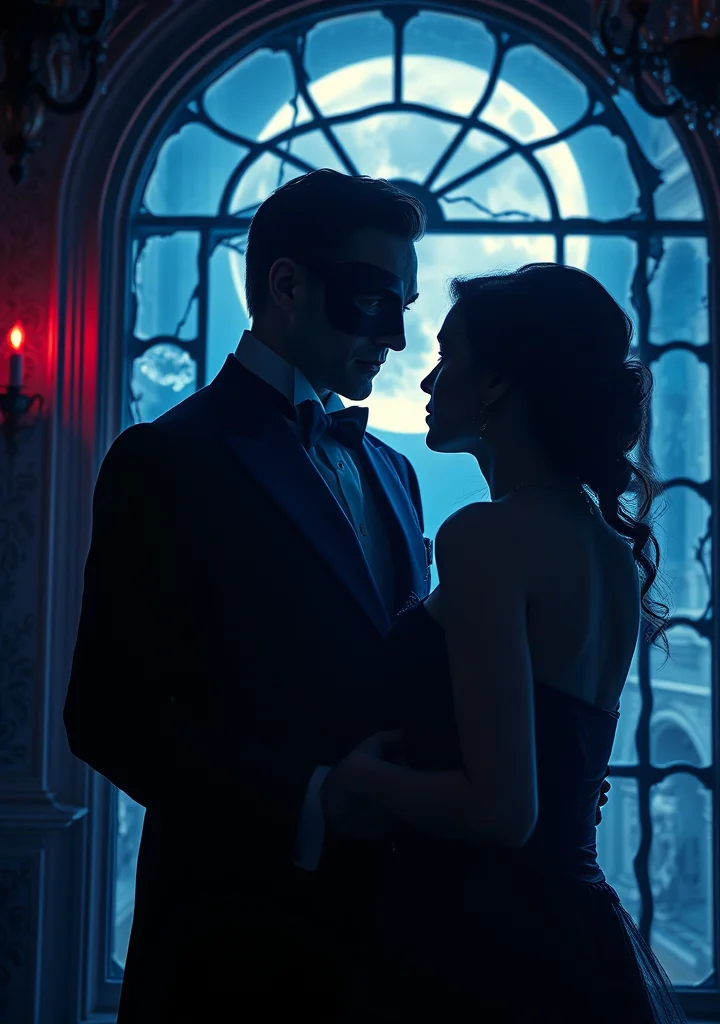
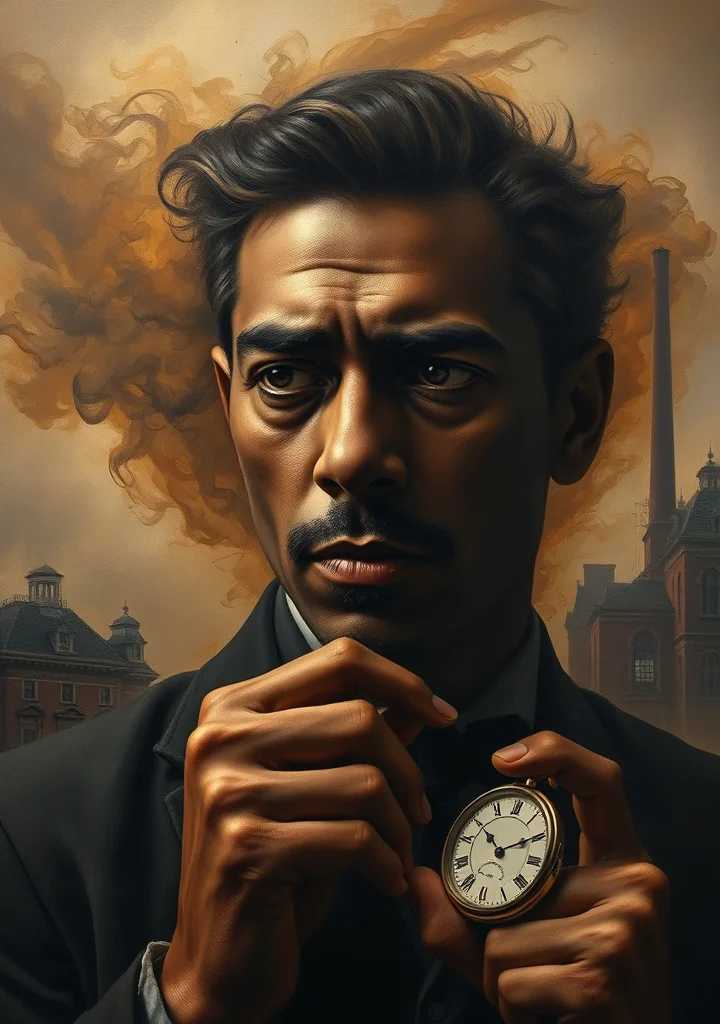
Dust motes dance in the perpetual twilight of a life lived between shadows. A man, adrift from both worlds, meticulously recounts not triumphs, but the haunting echoes of choices made in a nation steeped in the sin of its own making. The narrative unfolds as a fever dream, steeped in the humid melancholy of the post-Reconstruction South and the brittle elegance of northern cities. Each recalled moment bleeds into the next, stained with the amber light of memory and the coal-black weight of inherited grief.
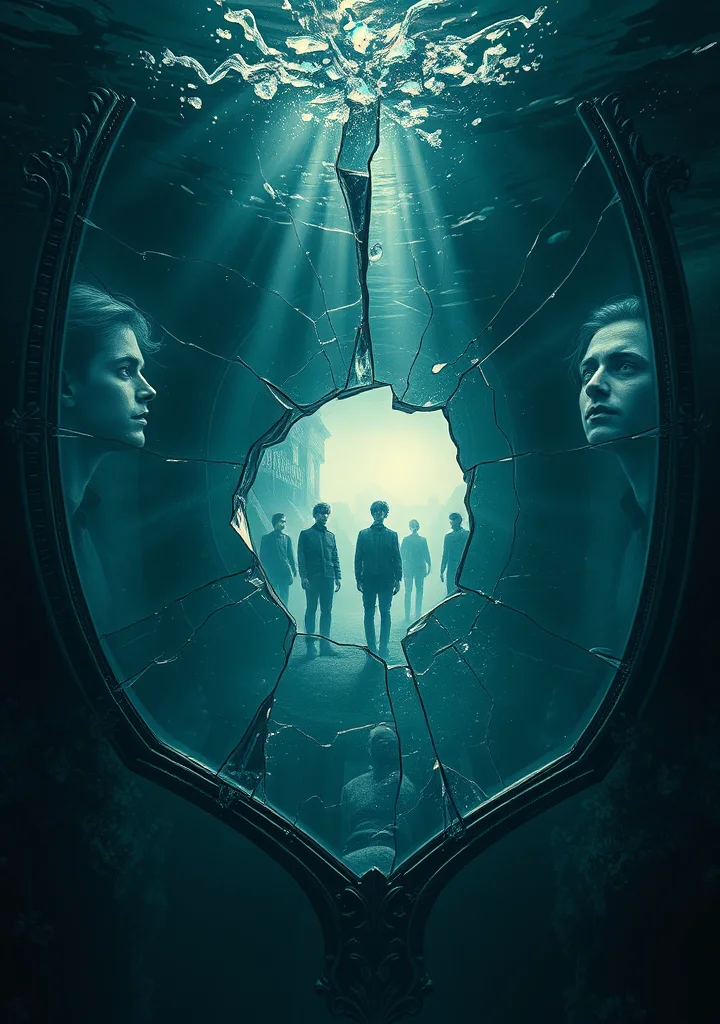
There’s a pervasive stillness to the prose, a quality of polished wood concealing rot. The protagonist’s voice is a spectral presence, tracing the contours of a fractured identity—a performance of self, meticulously constructed to navigate a world determined to define him by the color of his skin.
The story doesn't offer grand spectacle, but a creeping dread, a sense of being watched by the ghosts of generations past. The weight of unspoken desires, the stifled cries for belonging, settle like a shroud. A relentless, quiet desperation permeates the pages, the air thick with the scent of jasmine and decay, the taste of ash and regret. It is a confession whispered from the heart of a darkness that consumes not with fire, but with the slow, inexorable chill of a forgotten grave.
Copyright: Public Domain
This license allows anyone to use your story for any purpose, including printing, selling, or adapting it into a film freely.
This license allows anyone to use your story for any purpose, including printing, selling, or adapting it into a film freely.
Recommended for you