
Don Juan
  • 15.1K
  • 0
  • 2013
  • Read 15.1K
  • 0
  • Part 2013
Completed, First published Mar 02, 2026

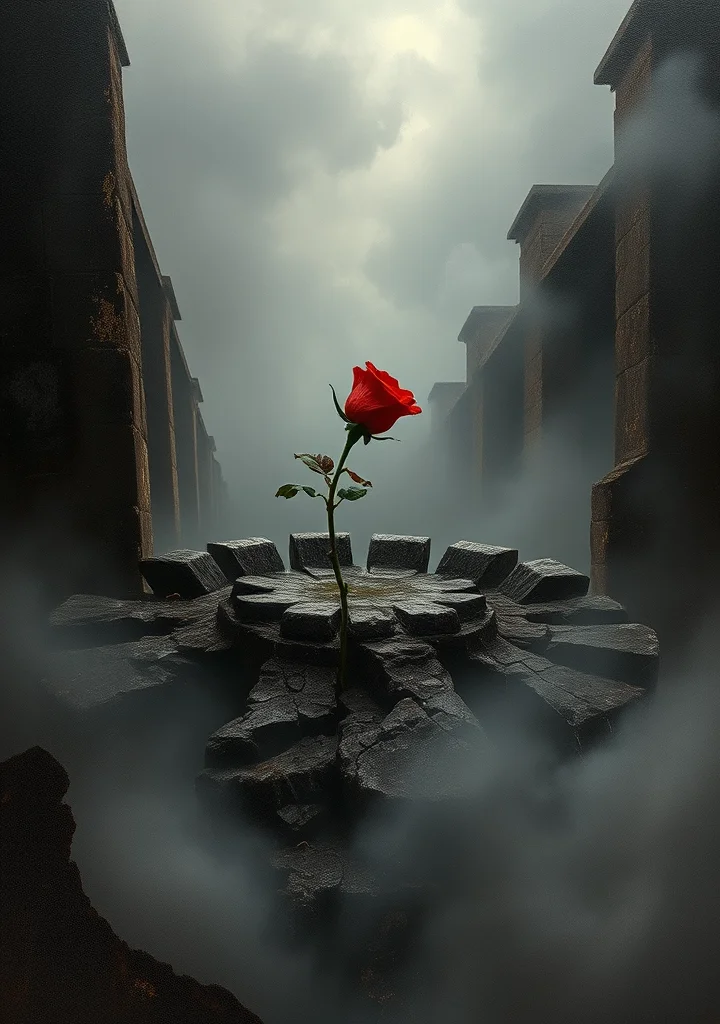
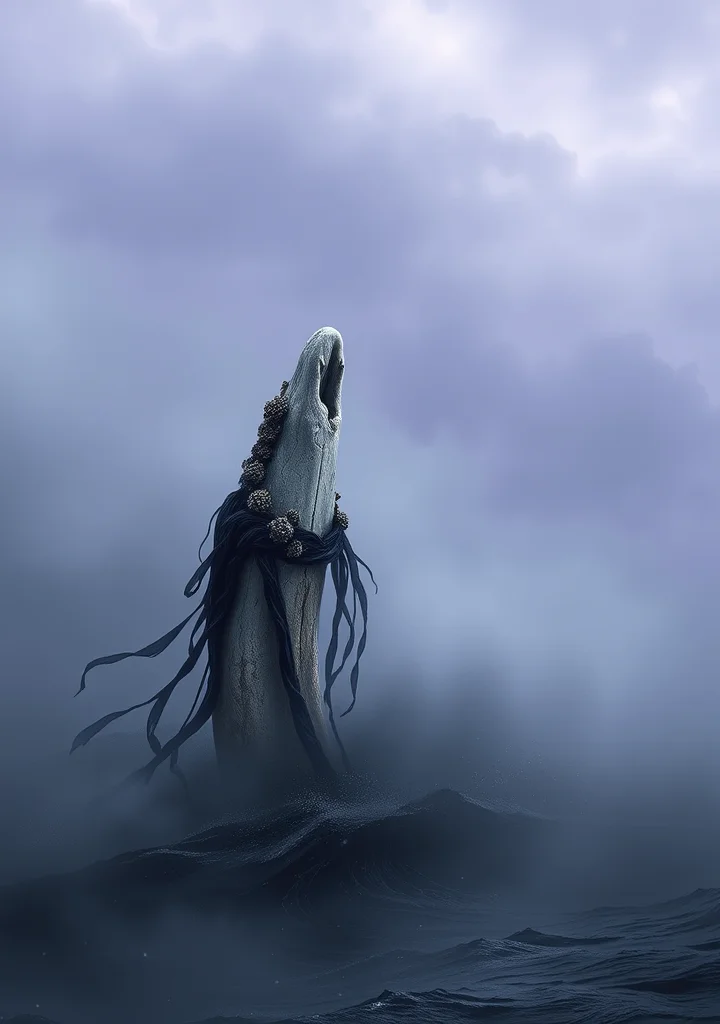
A chill wind whispers through sun-bleached Spanish ruins, carrying the scent of brine and decay. Don Juan is not merely a man, but a shadow stretched long across a continent, a fever dream of indulgence and disillusionment. His journey is one of restless flight, not from justice, but from the suffocating weight of a world built on hypocrisy. Each port, each encounter, peels back another layer of gilded rot, revealing a darkness that clings to him like the salt spray on a decaying mast. The narrative unravels through fractured confessions, a labyrinth of wit and weariness where cynicism blooms like night-blooming cereus. Every smile is a reprieve from a deeper, unspoken grief; every embrace, a fleeting warmth against an encroaching cold. The Mediterranean burns with a feverish brilliance, mirroring the protagonist’s own self-consuming passions, while the echoes of battles – both won and lost – resonate in the hollow chambers of his heart. He drifts through aristocratic salons and Moorish harems, a phantom observer caught between desire and despair. The sea itself seems to conspire with his melancholic fate, drawing him towards a horizon perpetually shrouded in mist. His is a tale of exquisite ruin, where beauty and brutality intertwine, leaving the reader adrift in a sea of unanswered questions and the lingering scent of jasmine and gunpowder. A perpetual twilight clings to his existence, a haunting reminder that even the most dazzling brilliance casts the longest shadows.
Copyright: Public Domain
This license allows anyone to use your story for any purpose, including printing, selling, or adapting it into a film freely.
Recommended for you
73 Part
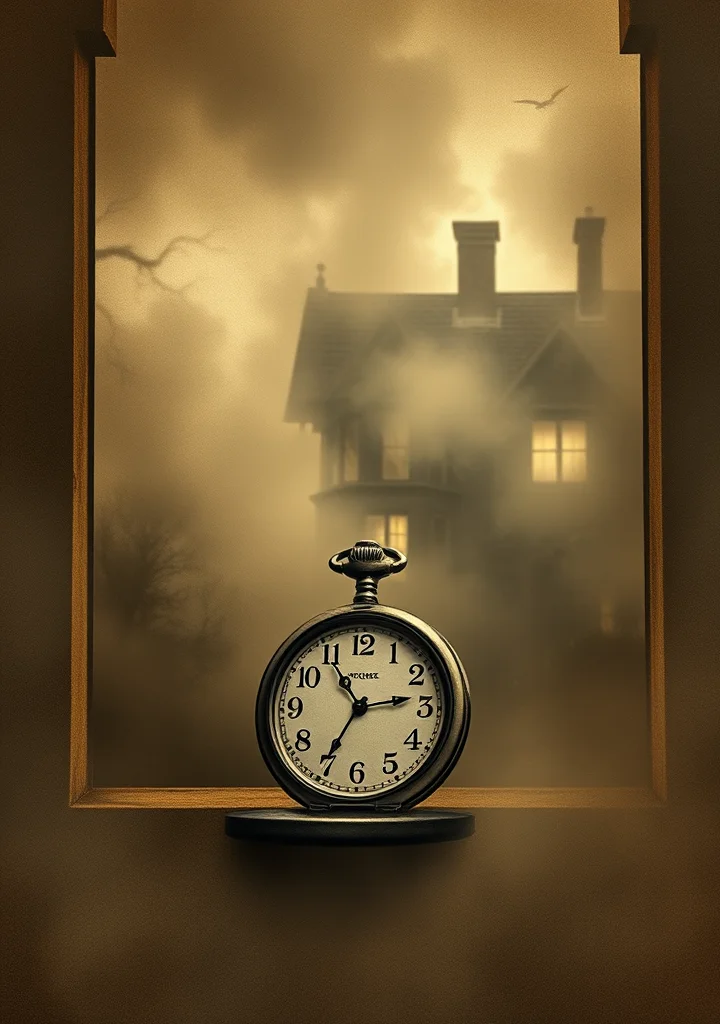
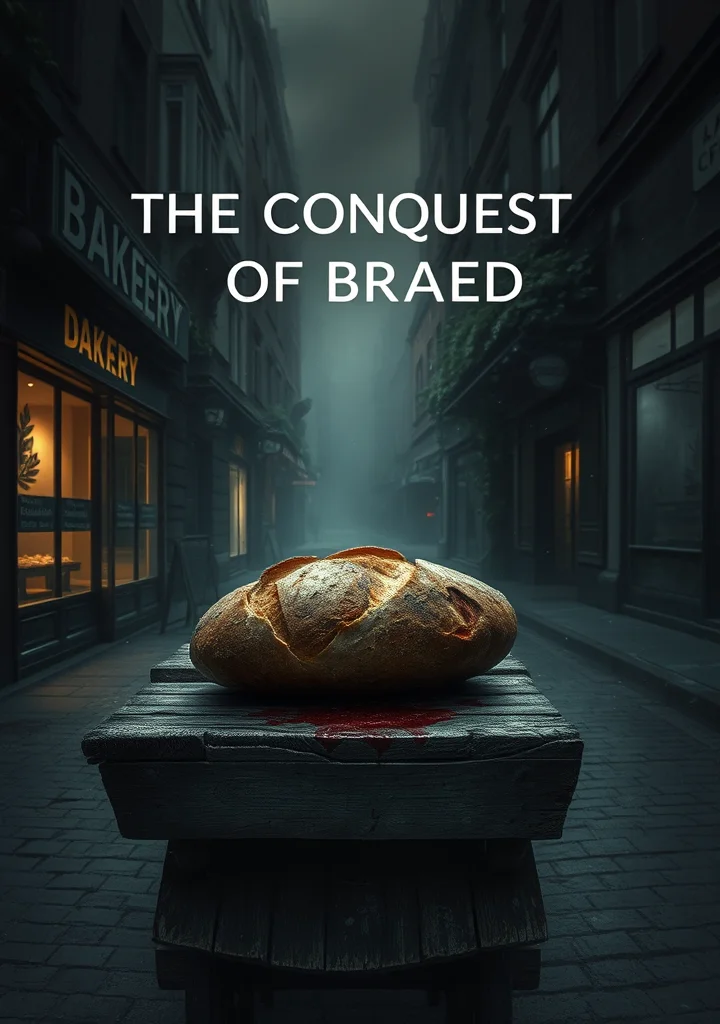
Dust motes dance in the perpetual twilight of abandoned mills and shadowed bakeries. A creeping dread clings to the cobblestones, not of starvation’s gnaw, but of a cold, methodical dismantling of habit. This is not a tale of revolution’s fire, but of its slow, fungal growth within the bones of a dying world. Kropotkin’s vision isn’t one of barricades and blood, but of a silent, relentless erosion of ownership, a reclamation not through violence, but through the ghostly presence of communal need. The narrative exhales a peculiar stillness, like a mausoleum filled with the scent of rising dough and the whispers of forgotten hands. Each chapter unfolds as a spectral blueprint of a possible future, sketched in the dim light of necessity. It’s a world where the boundaries between labour and leisure dissolve into a perpetual, aching grey, where the very act of sharing becomes a haunting ritual. There's a chilling beauty in the prose, a meticulous accounting of resources that feels less like instruction and more like an incantation. The atmosphere is one of damp earth, the metallic tang of tools left to rust, and the unnerving quietude of fields yielding not to a lord, but to the communal breath of those who understand the earth’s yielding is not conquest, but communion. The book doesn’t promise liberation, it presents a slow, unsettling haunting of the old order, a creeping tendril of possibility that leaves one wondering if the ghosts of hunger have finally found their bread.
51 Part
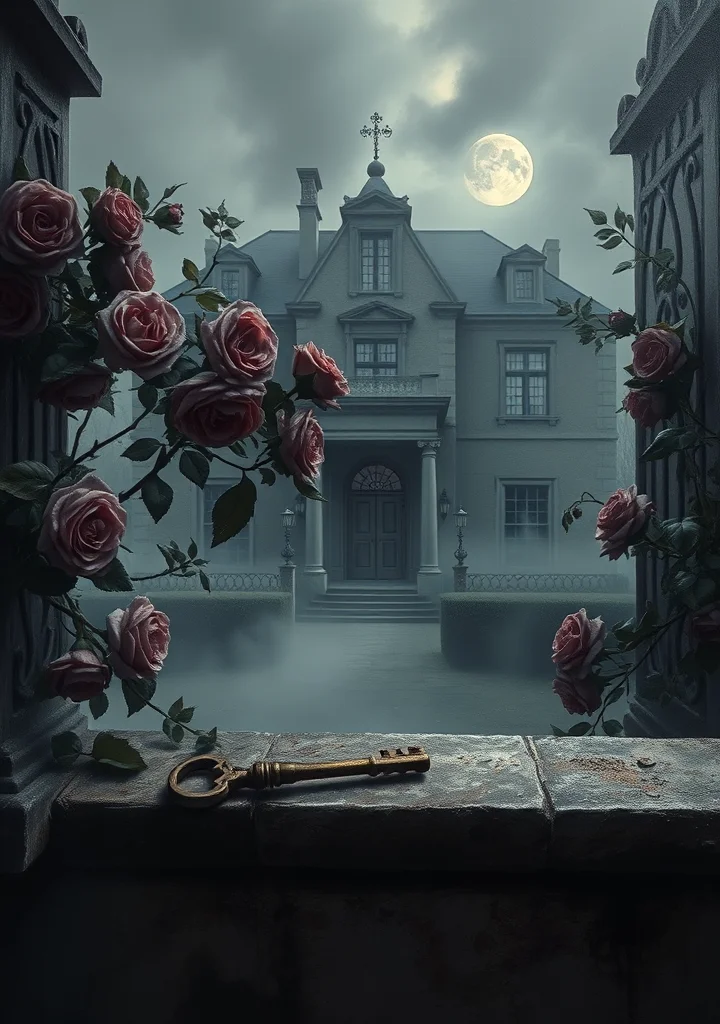
A creeping dampness clings to the stone of Norland Park, mirroring the chill that settles upon the hearts of the Dashwood sisters as they are cast adrift by a callous inheritance. The shadows lengthen with each diminishing fortune, twisting the familiar landscapes of Devonshire into a labyrinth of unspoken anxieties. Though outwardly composed, Elinor’s measured restraint barely conceals a grief that blooms like winter roses—pale and thorn-sharp. Marianne’s passions, unrestrained and fever-bright, find echo in the brooding woods and the melancholy sighs of a decaying estate. The air itself is thick with the scent of decaying leaves and unshed tears. Every polite conversation, every carefully worded letter, carries the weight of unacknowledged desires and simmering resentments. A spectral silence hangs between the sisters, broken only by the rustling of secrets in the darkened corridors. The very gardens, once vibrant with summer blooms, now seem haunted by the ghosts of promises broken and futures stolen. A subtle rot pervades the narrative—not of decay in the physical world, but in the very fabric of social grace. The polite smiles mask a desperate hunger for security, a fragile vulnerability masked by lace and propriety. The whispers of scandal, the stifled accusations, weave through the manor houses like tendrils of ivy, threatening to strangle the fragile hopes of these women in a world where sensibility is a weakness, and sense, a carefully constructed fortress against ruin. The fog-laden moors become a mirror for the fractured souls trapped within, their destinies shrouded in an atmospheric gloom that clings long after the final, desperate reckoning.