
Short Fiction
  • 345
  • 0
  • 32
  • Read 345
  • 0
  • Part 32
Completed, First published Mar 02, 2026

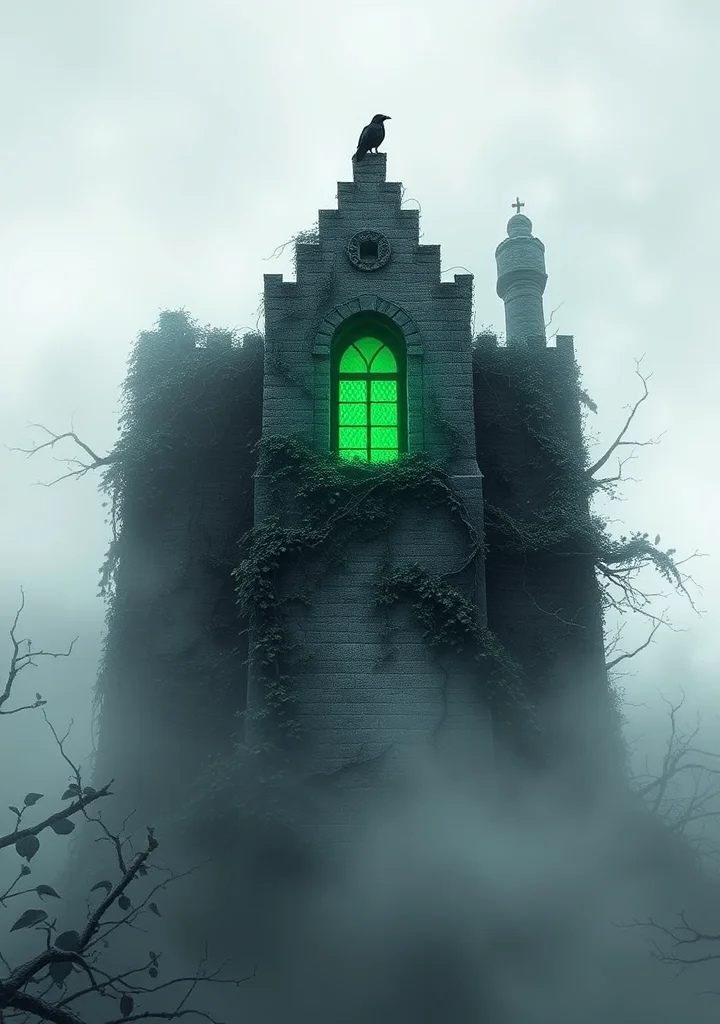
A creeping dread clings to these stories, born of twilight landscapes and the brittle echoes of lives lived at the periphery of belonging. Bunin’s prose doesn’t merely describe decay; it *is* decay, a slow blooming of rot within the gilded cages of the aristocracy and the sun-baked desperation of the peasant class. Each vignette breathes with the scent of damp earth, stale vodka, and the suffocating weight of memory. The narrative unfolds like a half-remembered dream, fractured and shimmering with melancholy. Characters drift through estates crumbling under the weight of generational sorrow, haunted by phantom lovers and the gnawing absence of purpose. Sunlight here is a cruel mockery, revealing not warmth but the skeletal structures beneath skin, the hollowed eyes of those who have lost everything to time and circumstance. These are not tales of grand tragedy, but of the quiet unraveling – a stolen glance, a forgotten promise, a single, wilting rose pressed between the pages of a forgotten book. A sense of impending loss pervades every sentence, a whisper of something beautiful slipping through fingers into the encroaching darkness. The stories themselves are fragments, shards of glass reflecting a fractured world, leaving the reader shivering in the chill of an unnameable sorrow. It is a world where even joy feels like a trespass, and the only certainty is the inexorable march toward oblivion.
Copyright: Public Domain
This license allows anyone to use your story for any purpose, including printing, selling, or adapting it into a film freely.
Recommended for you

148 Part
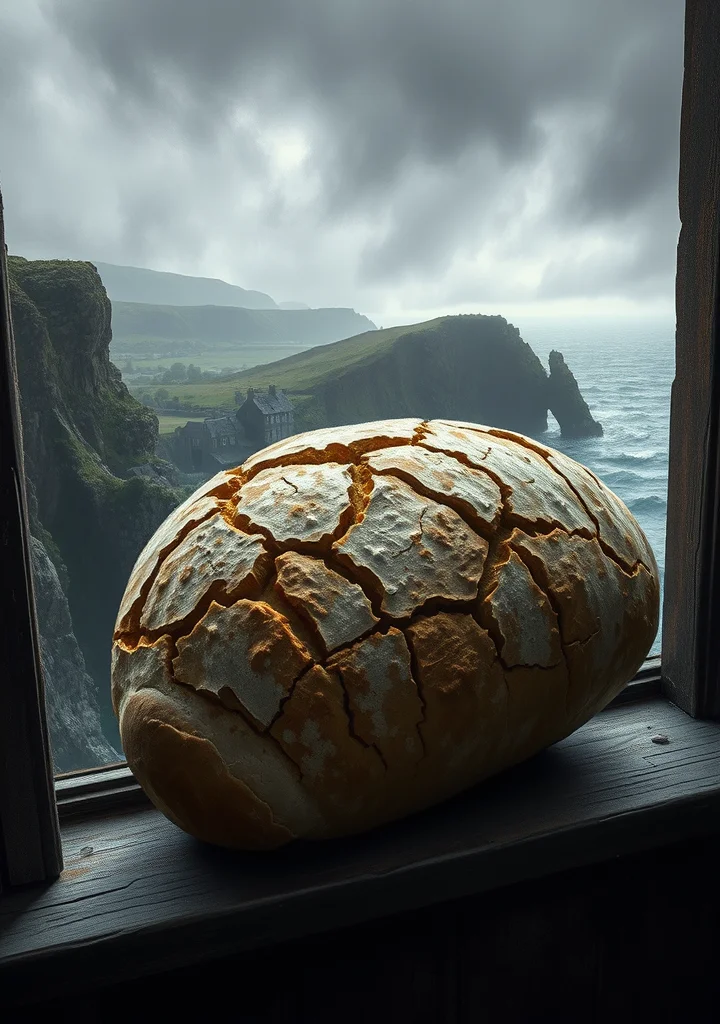
A creeping dread clings to the Dorset coast, a salt-laced miasma rising from the crumbling cliffs and shadowed coves. The village of Little Porthaven holds its secrets tight, woven into the very stone of its cottages and the mournful cry of the gulls. Old Man Tremaine, they say, died of the bread – not the eating of it, but the *making* of it. His final loaf, vast and swollen with a sickening sweetness, was found cooling on the sill, a grotesque parody of domestic comfort. But the bread wasn’t merely a final act. It was a symptom. A slow rot spreading through the Tremaine household, mirroring the insidious decay of the manor itself. Whispers of ancient pacts with the sea, of bargains struck with things best left undisturbed in the black depths, cling to the scent of yeast and flour. The new owners, the Harwoods, arrive seeking respite, unaware they’ve walked into a tomb already claimed. Each slice cut from the giant loaf seems to bleed a little more of the village’s history, staining the air with a cloying guilt. The scent of it clings to the fingers, to the linen, to the very thoughts of those who dare to taste it. It’s a flavor of loss, of forgotten gods, of a hunger that cannot be sated by mortal hands. The house itself breathes, exhaling the cold breath of something ancient and hungry. The shadows lengthen, not with the fall of dusk, but with the weight of the bread itself, pressing down on the living until they too, become part of its slow, suffocating bloom.
15 Part
A suffocating miasma hangs over the provincial heartland of Russia, clinging to decaying estates and the spectral ambitions of its masters. Here, amidst crumbling manor houses and the relentless expanse of frozen fields, a man named Chichikov arrives, not seeking land, but the very *absence* of it. He purchases not living flesh, but the names of deceased serfs – ‘dead souls’ – to resurrect them on paper, claiming their phantom holdings for his own avarice. The air is thick with the stench of rot – not just of bodies in shallow graves, but of a society consumed by stagnation and parasitic need. Each provincial town is a mausoleum of faded grandeur, haunted by the petty tyrannies of landlords and the hollow echoes of their wasted lives. A creeping dread permeates the narrative, a sense that this isn’t merely a comedy of manners, but a descent into a perverse, bureaucratic hell. The landscape itself seems to mirror the moral decay, a grey, skeletal world where the boundaries between reality and nightmare blur. Fog clings to the roads, obscuring the faces of those encountered, hinting at hidden sins and the festering secrets buried within the soil. Chichikov’s journey is a macabre pilgrimage through a realm of spectral possession, where the ghosts of the dead are both commodity and curse, and the living are already half-rotted by their own corruption. The novel doesn't simply *tell* of decay; it *breathes* it, a suffocating weight pressing down on the reader, leaving a lingering chill long after the final page is turned.