
Estática y pérdida
  • 13
  • 0
  • 4
  • Read 13
  • 0
  • Part 4
Ongoing, First published May 23, 2026

Esta novela sigue a Peter mientras lidia con una profunda pérdida y un miedo cada vez mayor. Los capítulos iniciales detallan el crudo dolor de Peter después de la muerte de su tía, agravado por una lucha desesperada contra el sistema de cuidado de crianza. Simultáneamente, las tensiones estallarán entre Tony Stark y el Capitán América, alimentadas por un conflicto no resuelto. A medida que Peter busca ayuda, se desarrolla un incidente inquietante que culminará en un violento arrebato y un vuelo desesperado..
Copyright: All Rights Reserved
No person is allowed to use, redistribute, or modify your work in any form without your explicit permission.
Recommended for you
148 Part
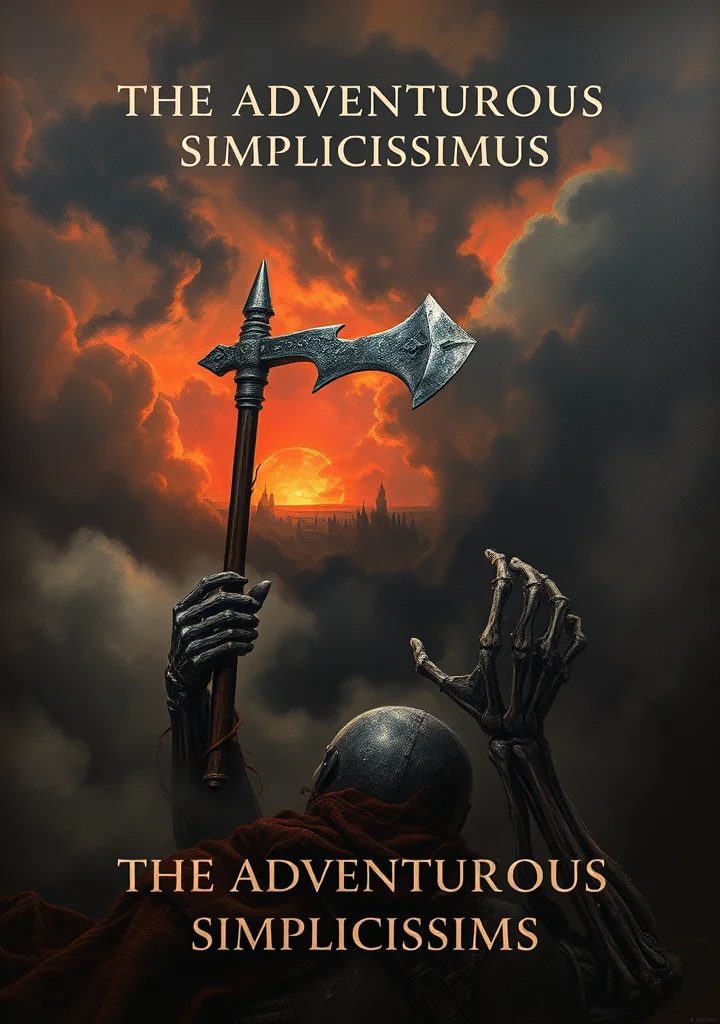
A world steeped in the mud and iron of the Thirty Years’ War bleeds into every page. Simplicissimus doesn't merely recount adventure; it exhumes it from the rotting timbers of abandoned villages and the hollow stares of famine’s ghosts. The narrative coils around you like a creeping fog, thick with the stench of gunpowder and the sour tang of desperation. It isn't heroism that echoes through these chapters, but a brutal, animalistic survival. Each encounter – a brawl in a mercenary camp, a desperate plea for shelter, a glimpse of skeletal families huddled around dying embers – is rendered with a chilling immediacy. The prose itself feels like a shard of glass pressed against the skin, sharp and unforgiving. Grimmelshausen doesn't offer escape, but immersion. You walk alongside Simplicissimus through landscapes ravaged not by armies alone, but by a spiritual decay that festers in the hearts of men. The castles loom as skeletal frameworks against bruised skies, and the forests whisper with the cries of the lost. The novel’s relentless forward motion mirrors the descent into madness, the erosion of innocence, and the ultimate realization that even in the deepest darkness, humanity finds a way to both inflict and endure. A suffocating claustrophobia settles over the reader as the narrative descends into a labyrinth of moral compromise and the casual horrors of a world utterly consumed by war. It is a world where the only virtue is the will to survive, and even that is often purchased with pieces of the soul.
14 Part
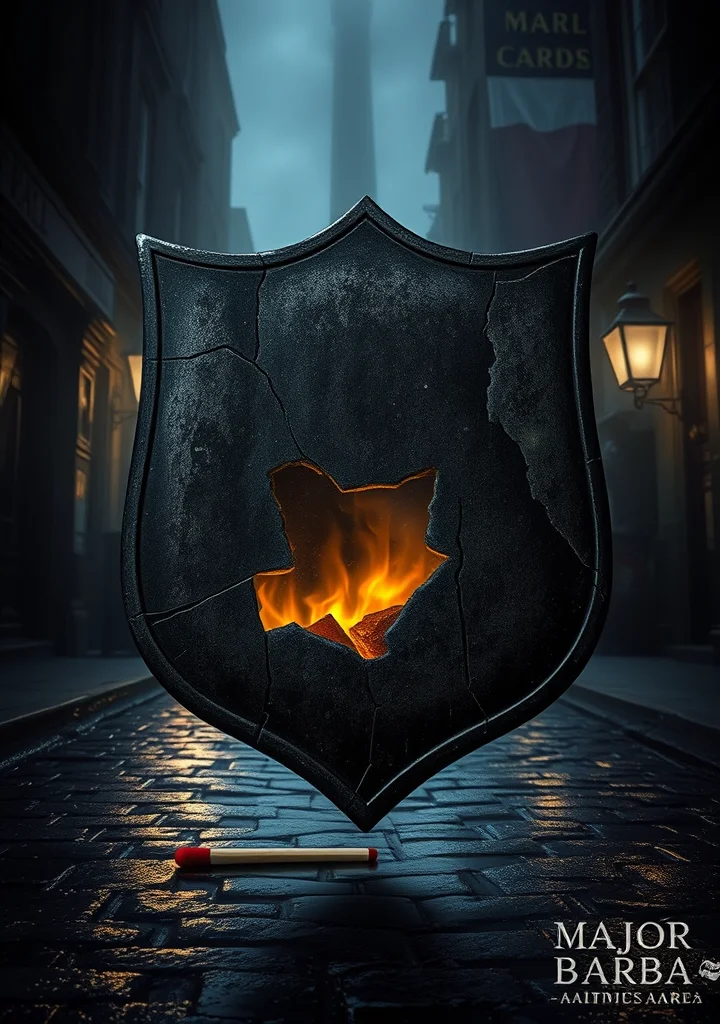
A creeping fog clings to the cobblestones of London, mirroring the moral murk that settles upon Major Barbara’s soul. The Salvation Army’s fiery convert, once a zealous evangelist, finds her convictions fracturing amidst the grimy machinery of industrial capitalism. Shaw’s London isn’t of grand estates and drawing-room dramas, but of match factories and the hollow-eyed children they bleed into profit. The air tastes of sulfur and desperation, thick with the stench of poverty masquerading as piety. Barbara’s transformation is a slow burn, less a fall from grace than a corrosion of faith. The narrative winds through shadowed alleys where the stench of gin mingles with the desperate prayers of the damned. Each act of charity feels less a divine act, and more a grim transaction, a gilded cage for souls starved for light. The novel breathes with the rhythmic clang of factory wheels and the mournful cries of debtors. It is a world where salvation is bartered for shillings, and the very foundations of faith crumble beneath the weight of practical concerns. The looming presence of Undershaft, a munitions magnate who claims to fund virtue through vice, casts a pall over every scene. His philosophy seeps into the narrative like a creeping poison, turning the bright promises of the Army into twisted, metallic echoes. The narrative doesn’t offer solace, but a cold, unflinching gaze at the compromises made in the pursuit of a better world, where even the most righteous find themselves stained by the grime of survival.