
-
Read 272
-
0
-
Part 22
Completed, First published Mar 02, 2026
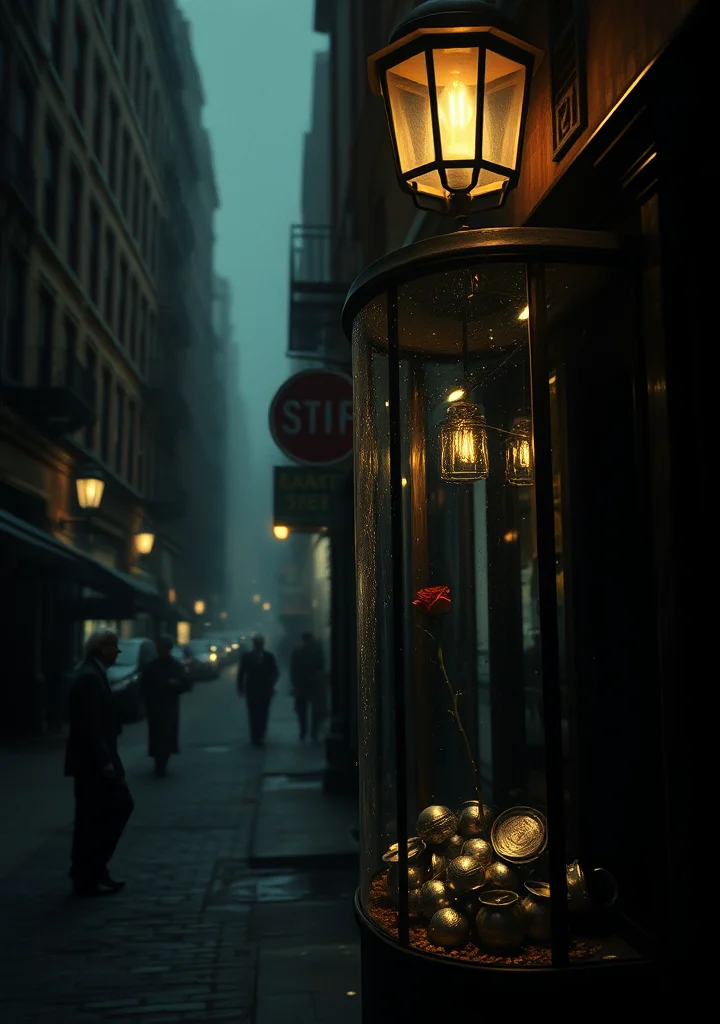
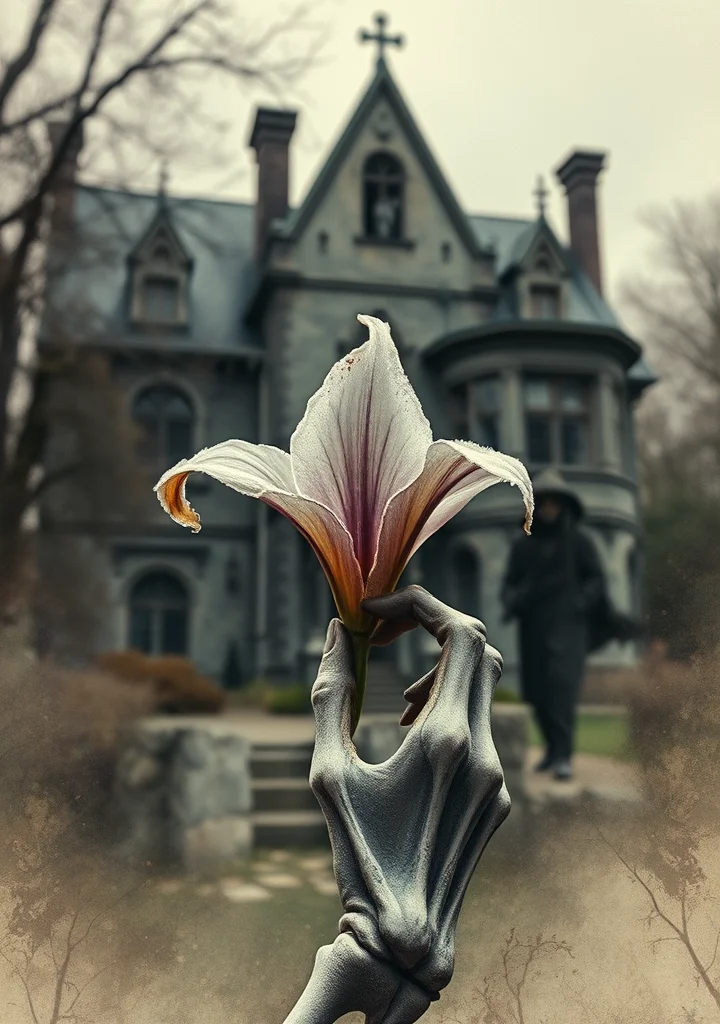
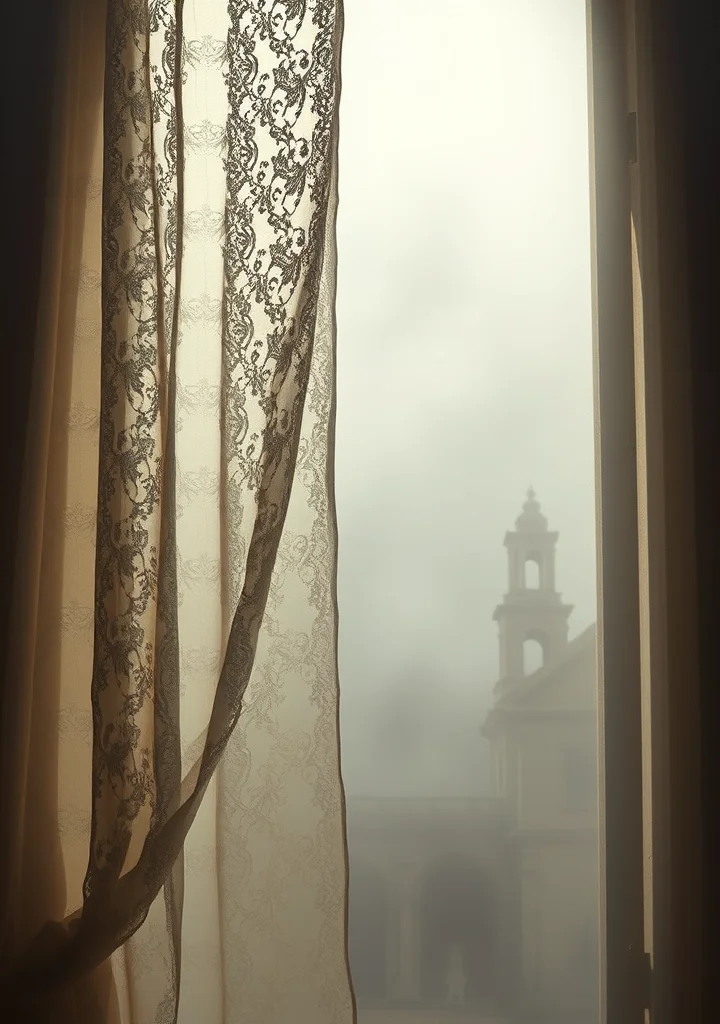
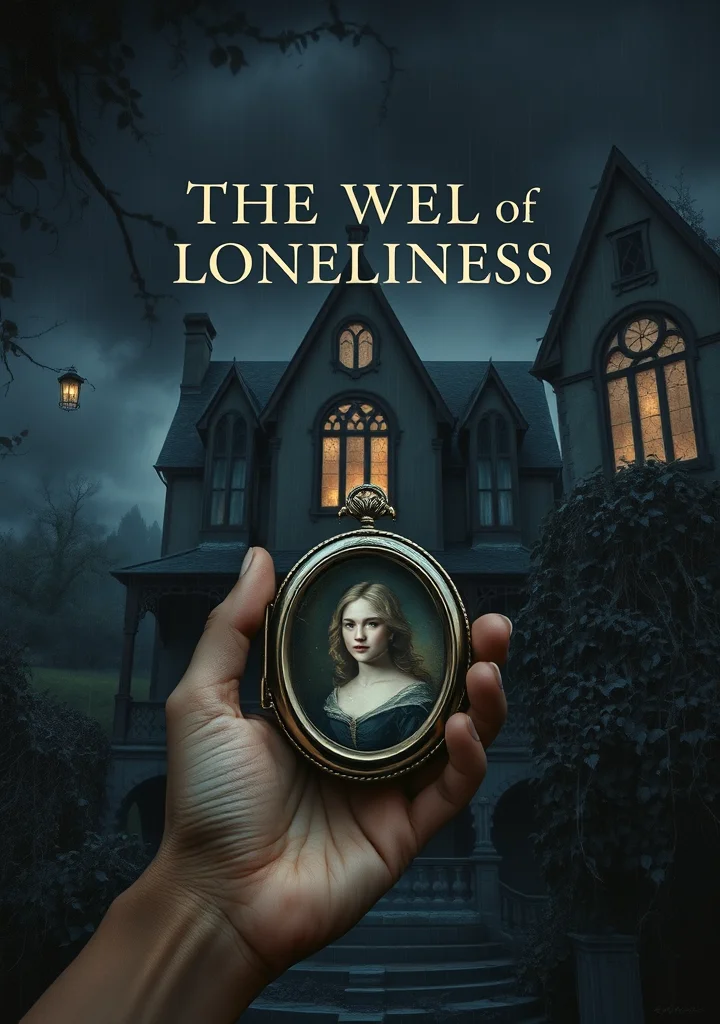
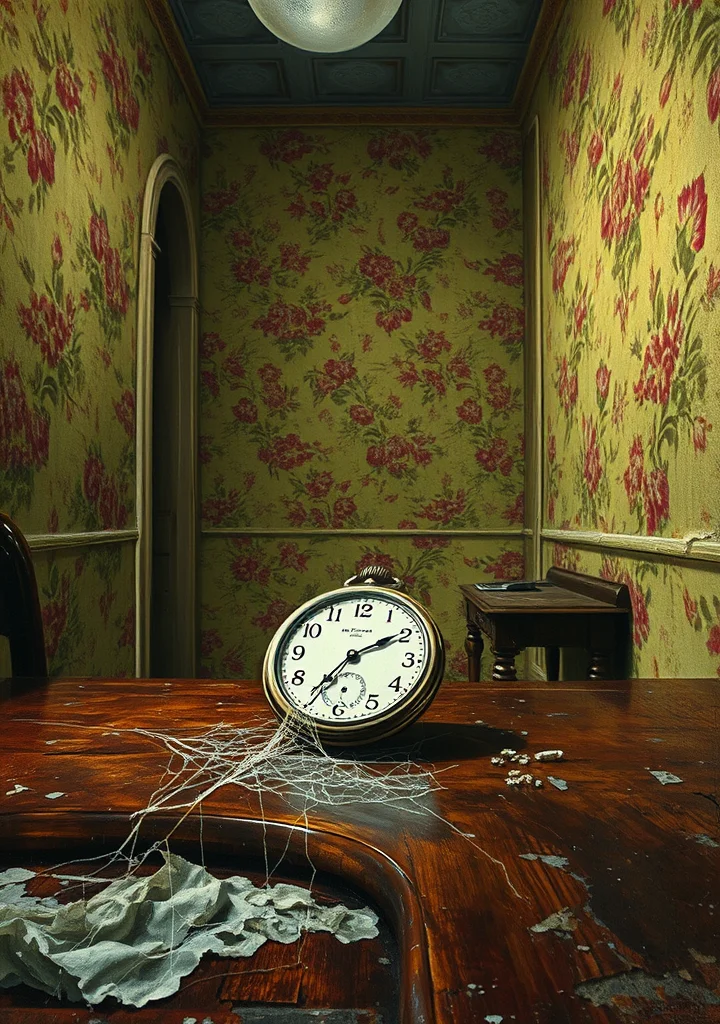
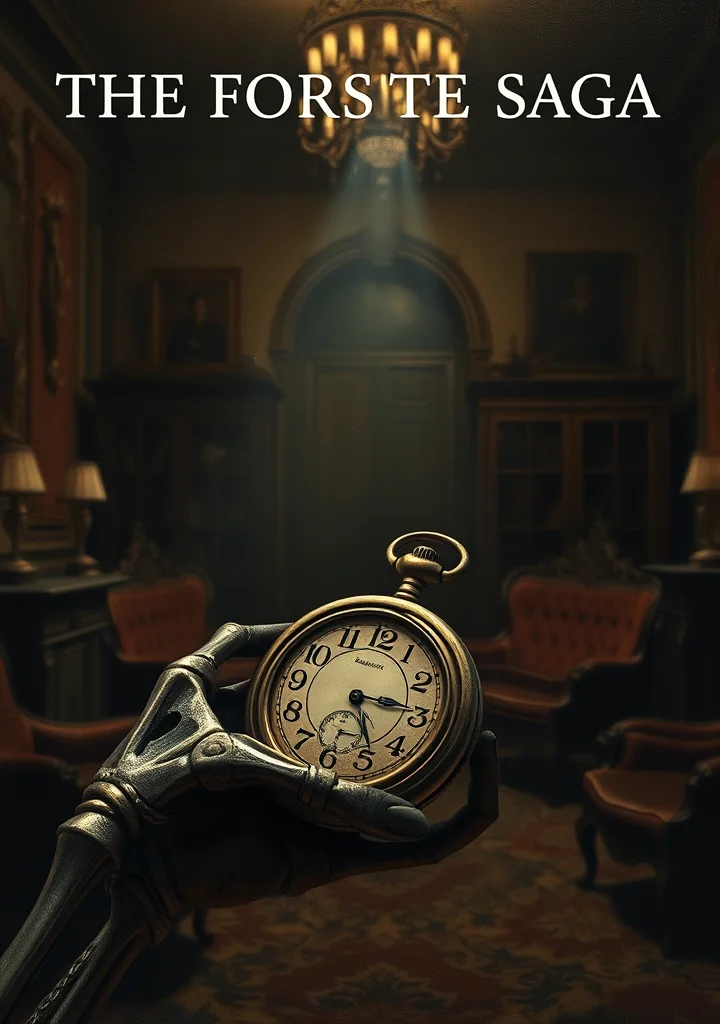
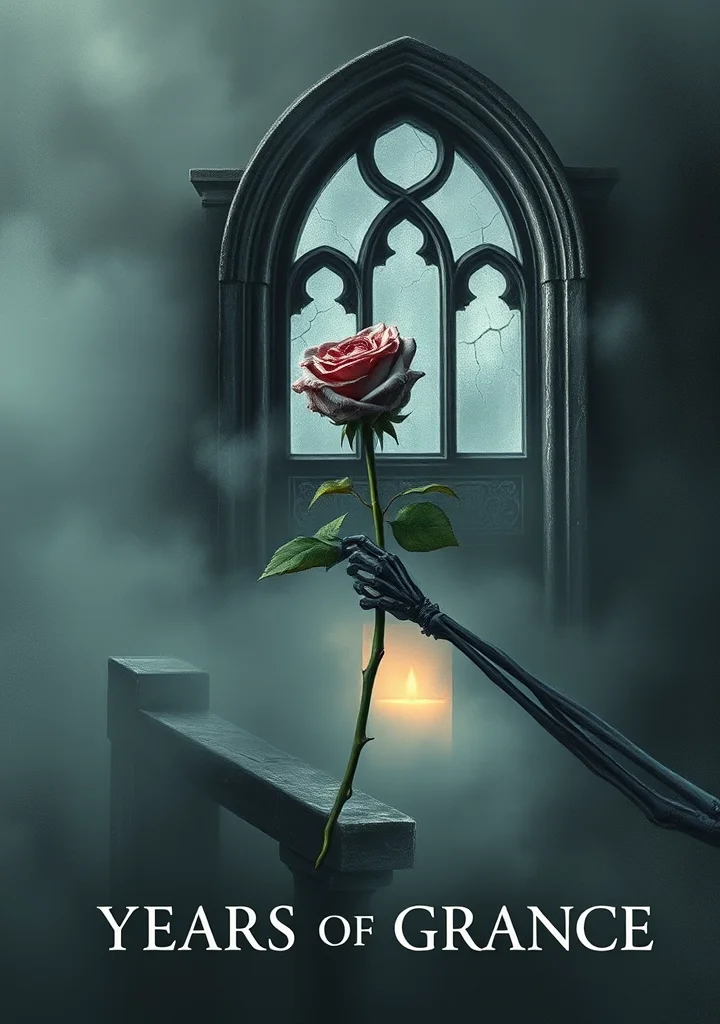
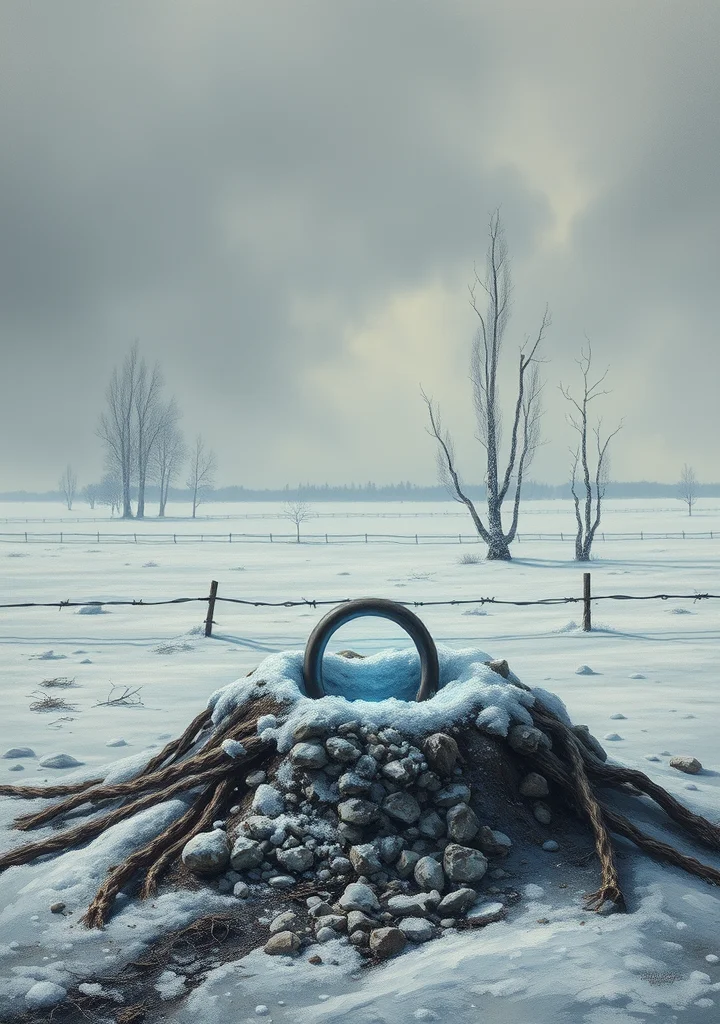
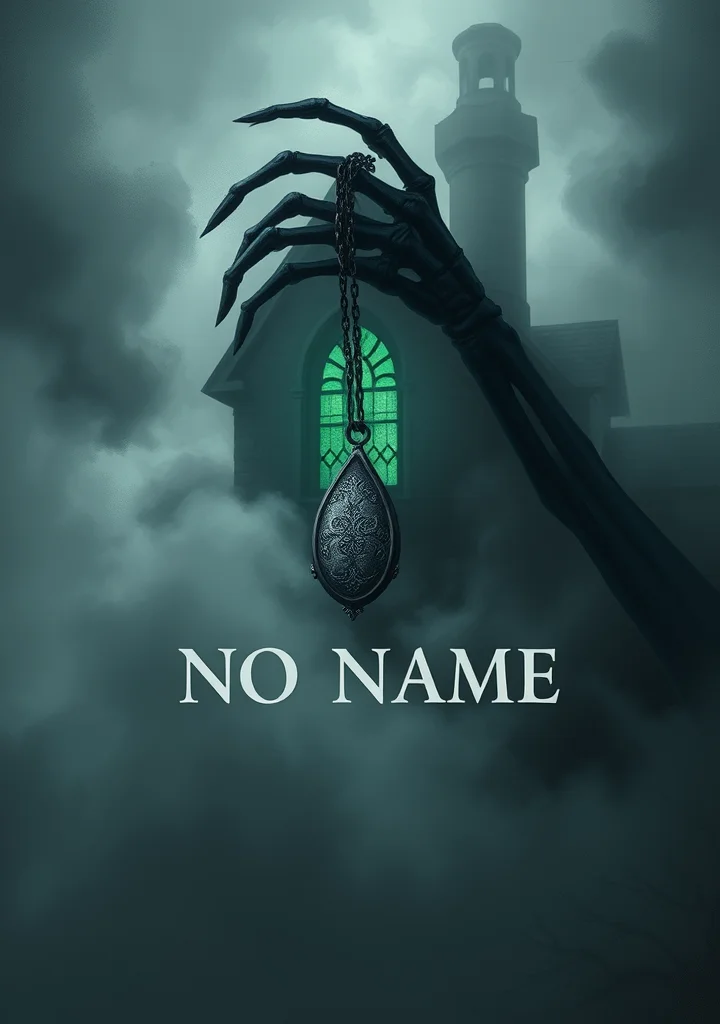
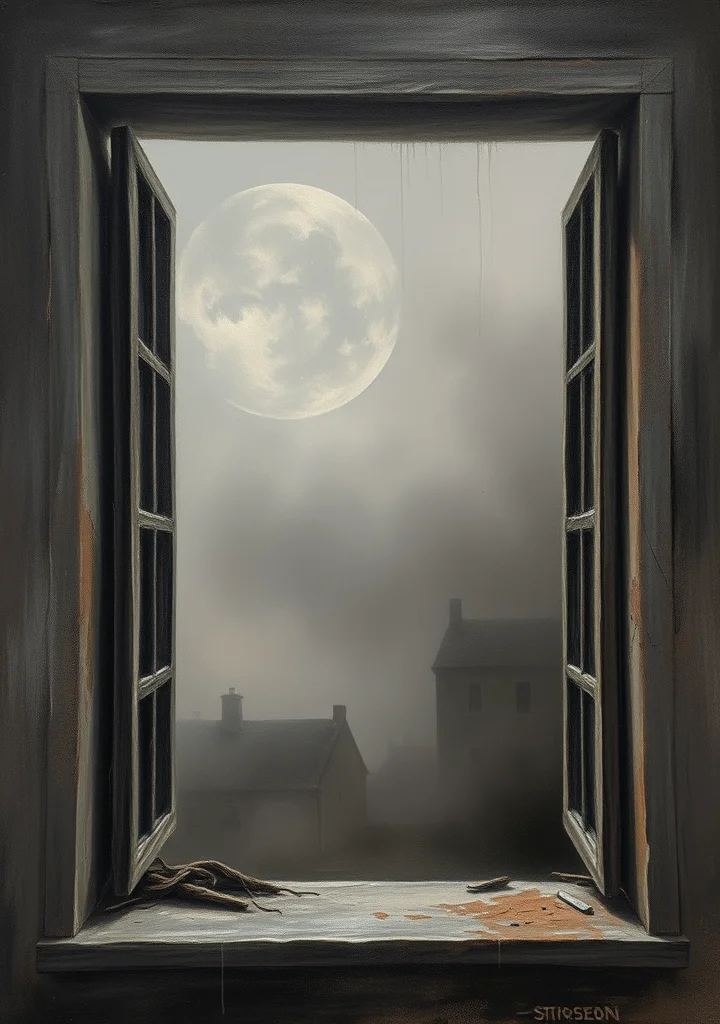
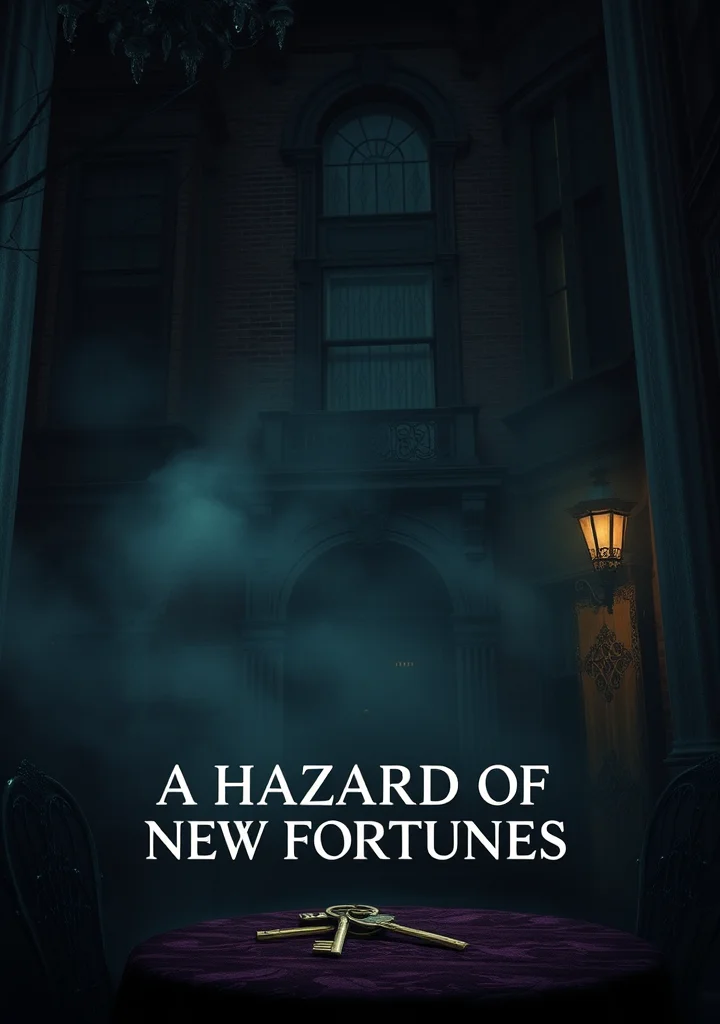
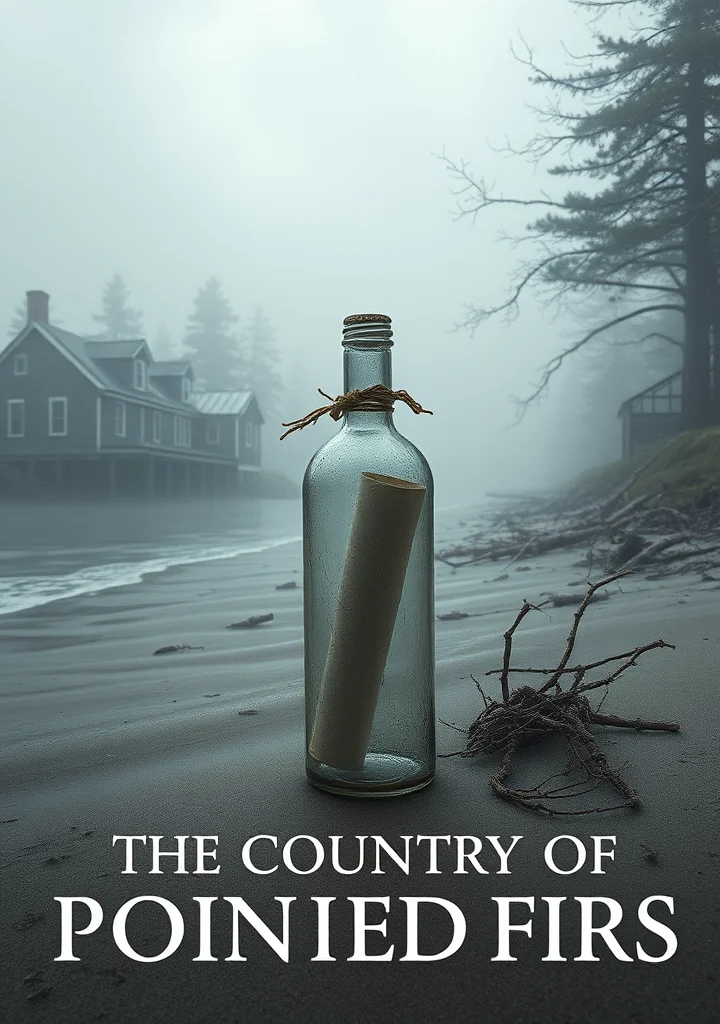
A creeping fog clings to the Maine coast, not just to the pines and firs, but to the very bones of the houses and the silences between conversations. The air tastes of salt and rot, of loneliness held too long. This is a land where the sea has swallowed stories whole, leaving only fragments whispered by women who’ve watched too many ships disappear. The weight of absence is a constant companion. Old women with eyes like chipped sea glass guard their histories, their lives woven into the grey granite of the landscape. Each room breathes with the ghosts of those who once sought refuge within its walls, their sorrow staining the wallpaper. The narrative unravels like driftwood caught in the tide, revealing not a plot, but a slow erosion of self within the damp, clinging stillness. It's a place where the boundaries between living and remembering blur, where the scent of pine needles and decaying wood become the perfume of a lingering grief. The very land seems to mourn, and those who linger too long find themselves absorbed into its melancholy embrace. A subtle, suffocating darkness resides in the quiet corners, a sense that something essential has been lost to the relentless grey of the sea.
Copyright: Public Domain
This license allows anyone to use your story for any purpose, including printing, selling, or adapting it into a film freely.
This license allows anyone to use your story for any purpose, including printing, selling, or adapting it into a film freely.
More like this