
Memoirs of Arsène Lupin
  • 87
  • 0
  • 19
  • Reads 87
  • 0
  • Part 19
Completed, First published Mar 02, 2026

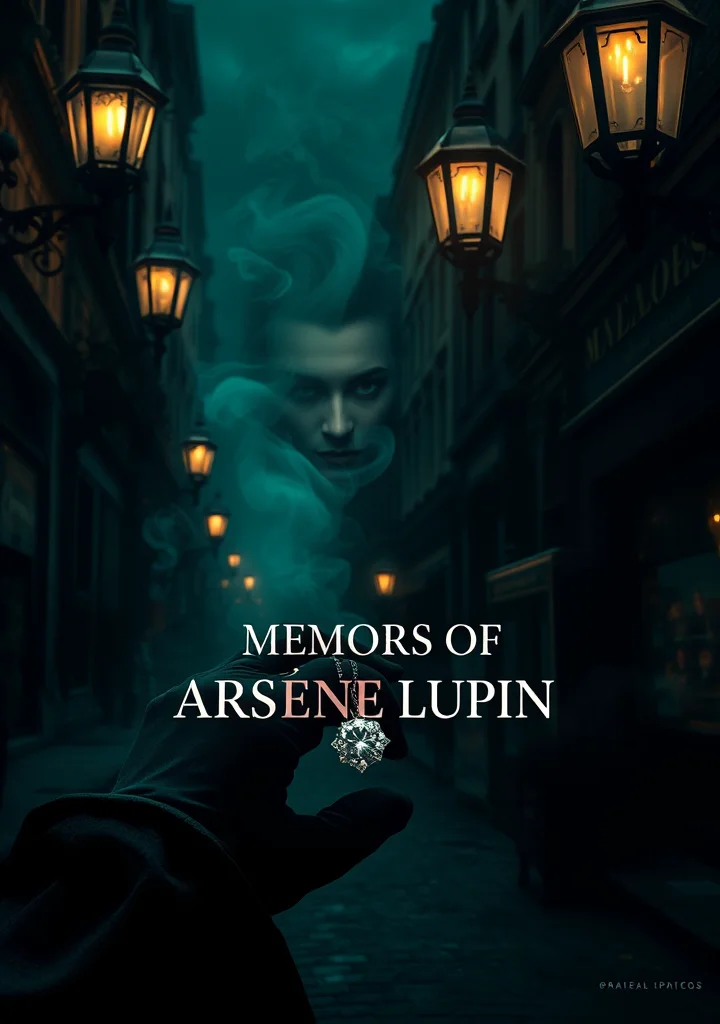
A velvet darkness clings to the gaslit streets of Paris, where shadows dance with the phantom touch of Arsène Lupin. This is not a tale of simple theft, but of a spectral game played amidst echoing salons and crumbling estates. The air thickens with the scent of jasmine and decay, each stolen jewel mirroring a lost soul. Leblanc weaves a labyrinth of deception, where identities dissolve like smoke and every locked door conceals a deeper, more treacherous secret. A creeping dread permeates the narrative, born not of brute force, but of whispers and insinuations. One glimpses, through fog-veiled windows, a society rotting from gilded excess, ripe for the plucking. The narrative itself breathes with the sly grace of a predator—a haunting elegance that lingers long after the last illusion is shattered, leaving only the chill echo of Lupin’s laughter in the vacant spaces where trust once resided. It is a world where the line between genius and madness blurs, and the pursuit of stolen treasures unravels into a descent into the heart of Parisian night.
Copyright: Public Domain
This license allows anyone to use your story for any purpose, including printing, selling, or adapting it into a film freely.
Recommended for you
49 Part
The air hangs thick with monsoon humidity, a suffocating weight mirroring the moral rot that festers within the isolated bungalows of the Patusan coast. Here, in a kingdom carved from shadow and whispered allegiance, a European engineer—Walsingham—has built a fortress of solitude, fueled by dynamite and an unyielding ambition. But Victory isn’t found in conquest over stone and jungle, but in the slow, creeping realization of his own complicity. The story unfolds not as a blaze of triumph, but as a darkening spiral of betrayal and consequence. Each chapter bleeds into the next, stained with the sickly sweet scent of decay—both physical and spiritual. The narrative coils around the figure of Heyst, a man adrift in the wreckage of his own idealism. He’s drawn into this claustrophobic world by a desperate plea for salvation, only to find himself entangled in a web of simmering violence. The island itself breathes with a predatory stillness, mirroring the suffocating passions of its inhabitants. The novel’s true horror lies not in grand spectacle, but in the insidious erosion of faith. It's a story of how easily the line between protector and parasite can blur, how noble intentions can curdle into bitter, poisonous fruit. A creeping dread clings to the prose—a sense of inevitability as the characters descend into the darkness of their own making, while the jungle swallows their fragile hopes whole. The shadows lengthen, not with the promise of respite, but with the cold embrace of an unforgiving fate. The ultimate victory is not celebration, but a hollow, echoing silence.
53 Part
A creeping dread clings to Lindores Castle, a stone behemoth shadowed by ancient pines and whispered histories. Within its decaying grandeur, the Lindores sisters – refined, brittle, and bound by a shared, unspoken sorrow – drift through lives as brittle as dried leaves. Each woman, a delicate bloom fading within the suffocating confines of their ancestral home, bears the weight of a past tragedy that stains the very stones with melancholy. The narrative unravels not with grand spectacle, but with the slow, insidious rot of isolation, the suffocating politeness masking a simmering resentment, and the chilling echo of secrets clinging to the castle’s shadowed corners. A sense of mournful expectancy pervades every chamber, as if the Lindores sisters are not merely living, but *waiting* – for revelation, for release, or for the inevitable descent into the same quiet oblivion that claimed their mother. The atmosphere is one of perpetual twilight, where the boundaries between reality and haunting blur, and the scent of decay mingles with the perfume of forgotten grief. Every glance exchanged, every stifled sigh, feels laden with the weight of a lineage cursed to wither within the castle walls, mirroring the slow, inexorable decline of Lindores itself. It is a story steeped in the claustrophobia of inherited sorrow, where the true horror resides not in what is seen, but in what is felt – the icy touch of loneliness and the suffocating silence of a family slowly dissolving into shadow.