
-
Read 781
-
0
-
Part 74
Completed, First published Mar 02, 2026
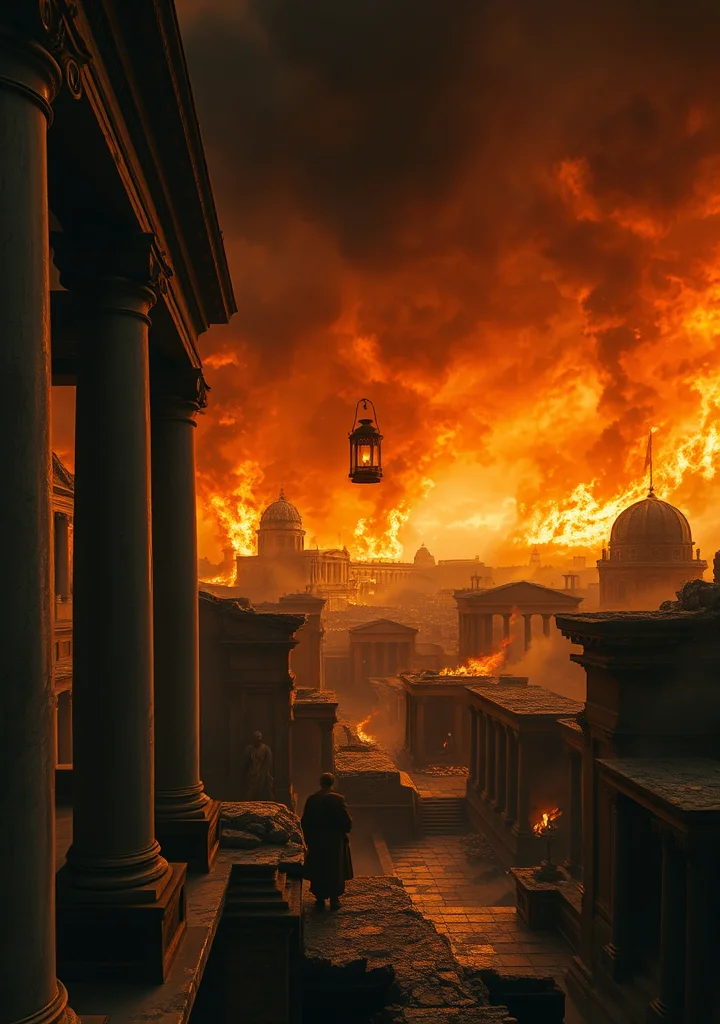
The air hangs thick with the scent of jasmine and decay, clinging to the damp stone walls of a Manila haunted by whispers of rebellion. Shadows stretch long from the Spanish colonial mansions, concealing not just secrets, but a creeping dread that seeps into the very foundations of the city. A young man, Crisóstomo Ibarra, returns home to find his inheritance shadowed by accusations, his love shadowed by tragedy. The weight of injustice presses down like a suffocating velvet drape, smothering hope beneath layers of grief and simmering rage. Every flickering lamplight reveals a face etched with sorrow, every hushed conversation echoes with the threat of betrayal. The narrative unfolds through a suffocating humidity, mirroring the suffocating grip of power and the simmering discontent beneath the surface. It’s a world where innocence is devoured by the ravenous hunger of ambition, where the scent of incense mingles with the metallic tang of blood, and where the fragile beauty of a single bloom—a sampaguita offered in remembrance—can’t quite mask the rot that festers at the heart of paradise lost. A darkness clings to the ornate churches and shadowed streets, a darkness born of silenced voices and unfulfilled promises, promising a reckoning steeped in the scent of jasmine and the taste of ash.
Copyright: Public Domain
This license allows anyone to use your story for any purpose, including printing, selling, or adapting it into a film freely.
This license allows anyone to use your story for any purpose, including printing, selling, or adapting it into a film freely.
Chapter List
-
« Noli Me Tangere »📖 Continue Reading
-
« Translator’s Introduction »
-
« Chapter_4 »
-
« Chapter_5 »
-
« Chapter_6 »
-
« Chapter_7 »
-
« Chapter_8 »
-
« Author’s Dedication »
-
« Noli Me Tangere »
-
« I »
-
« II »
-
« Chapter_13 »
-
« IV »
-
« V »
-
« Chapter_16 »
-
« Chapter_17 »
-
« VIII »
-
« IX »
-
« X »
-
« Chapter_21 »
-
« XII »
-
« XIII »
-
« XIV »
-
« XV »
-
« XVI »
-
« Chapter_27 »
-
« XVIII »
-
« Chapter_29 »
-
« XX »
-
« Chapter_31 »
-
« XXII »
-
« XXIII »
-
« XXIV »
-
« XXV »
-
« XXVI »
-
« XXVII »
-
« Chapter_38 »
-
« XXIX »
-
« XXX »
-
« XXXI »
-
« XXXII »
-
« XXXIII »
-
« XXXIV »
-
« XXXV »
-
« XXXVI »
-
« XXXVII »
-
« XXXVIII »
-
« XXXIX »
-
« XL »
-
« XLI »
-
« XLII »
-
« XLIII »
-
« XLIV »
-
« XLV »
-
« XLVI »
-
« XLVII »
-
« Chapter_58 »
-
« XLIX »
-
« L »
-
« LI »
-
« LII »
-
« LIII »
-
« Chapter_64 »
-
« LV »
-
« LVI »
-
« Chapter_67 »
-
« LVIII »
-
« LIX »
-
« LX »
-
« LXI »
-
« LXII »
-
« LXIII »
-
« Epilogue »
-
« Glossary »
74
-
« Noli Me Tangere »
-
« Translator’s Introduction »
-
« Chapter_4 »
-
« Chapter_5 »
-
« Chapter_6 »
-
« Chapter_7 »
-
« Chapter_8 »
-
« Author’s Dedication »
-
« Noli Me Tangere »
-
« I »
-
« II »
-
« Chapter_13 »
-
« IV »
-
« V »
-
« Chapter_16 »
-
« Chapter_17 »
-
« VIII »
-
« IX »
-
« X »
-
« Chapter_21 »
-
« XII »
-
« XIII »
-
« XIV »
-
« XV »
-
« XVI »
-
« Chapter_27 »
-
« XVIII »
-
« Chapter_29 »
-
« XX »
-
« Chapter_31 »
-
« XXII »
-
« XXIII »
-
« XXIV »
-
« XXV »
-
« XXVI »
-
« XXVII »
-
« Chapter_38 »
-
« XXIX »
-
« XXX »
-
« XXXI »
-
« XXXII »
-
« XXXIII »
-
« XXXIV »
-
« XXXV »
-
« XXXVI »
-
« XXXVII »
-
« XXXVIII »
-
« XXXIX »
-
« XL »
-
« XLI »
-
« XLII »
-
« XLIII »
-
« XLIV »
-
« XLV »
-
« XLVI »
-
« XLVII »
-
« Chapter_58 »
-
« XLIX »
-
« L »
-
« LI »
-
« LII »
-
« LIII »
-
« Chapter_64 »
-
« LV »
-
« LVI »
-
« Chapter_67 »
-
« LVIII »
-
« LIX »
-
« LX »
-
« LXI »
-
« LXII »
-
« LXIII »
-
« Epilogue »
-
« Glossary »
More like this