
Là-Bas
  • 42
  • 0
  • 24
  • Reads 42
  • 0
  • Part 24
Completed, First published Mar 02, 2026

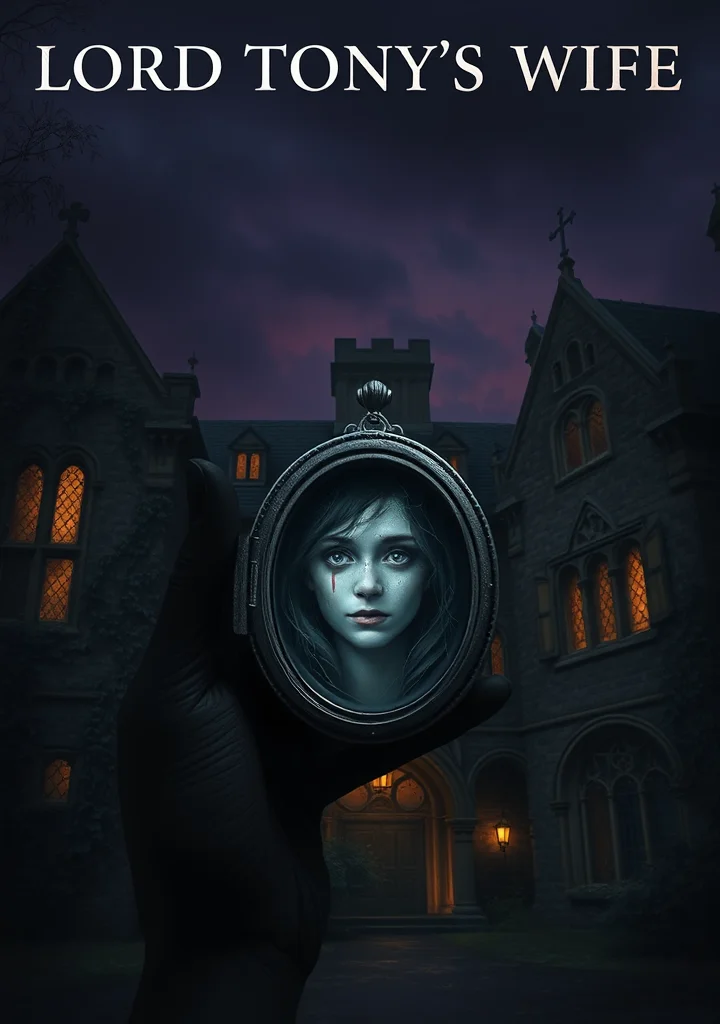
The air hangs thick with incense and decay, a miasma rising from the crypts of provincial France. Old Chantraine, a disillusioned aristocrat, drifts towards the shadowed corners of Drieux, drawn by the spectral magnetism of a charismatic, debauched priest. This is not a story of piety, but of rot—a slow, deliberate unearthing of ancient paganisms festering beneath the veneer of Catholic ritual. Each stone of the ruined abbey breathes with a forgotten lust, each Mass a perverse echo of forgotten rites. The narrative clings to the damp earth, to the smell of mouldering flesh and the whispered blasphemies of a man consumed by the lure of the grotesque. Fog coils around the crumbling buildings, obscuring not just the physical landscape but the boundaries of sanity itself. The world narrows to the obsessive gaze of Chantraine, fixated on the monstrous fertility of the priest's garden, on the bestial communion enacted in the darkness. It is a descent into a France where the sacred has curdled, where the peasantry hold fast to the oldest, darkest superstitions, and where the very soil seems to weep with the memory of things better left buried. The light is always failing, the shadows deepening, and the silence…the silence is a breeding ground for the unspeakable.
Copyright: Public Domain
This license allows anyone to use your story for any purpose, including printing, selling, or adapting it into a film freely.
Recommended for you
35 Part
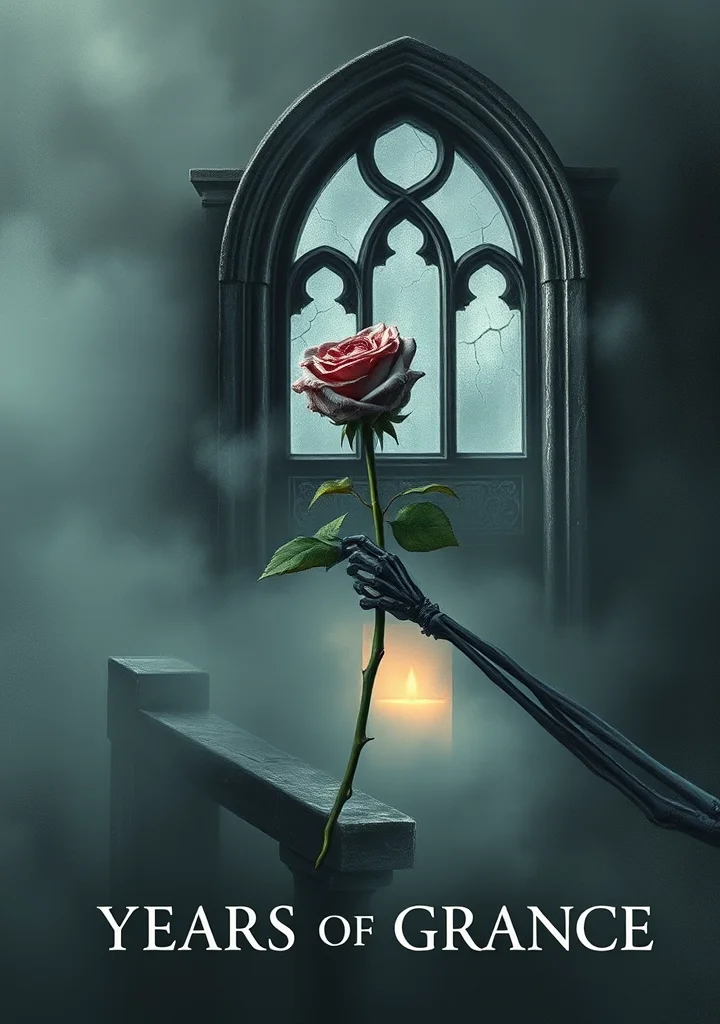
Dust motes dance in the perpetual twilight of Procopius’s *The Secret History*, a novel steeped in the scent of decaying parchment and the chill of forgotten crypts. The narrative unfolds not as a chronicle of events, but as a slow erosion of sanity within the crumbling walls of a secluded manor—Blackwood Hall—where shadows cling to every surface and whispers coil like serpents in the corridors. A family, fractured by generations of inherited madness and a pact with something ancient and hungry, unravels under the weight of their ancestral sins. The prose itself is a creeping vine, strangling the reader with baroque sentences and suffocating detail. Each chapter bleeds into the next, mirroring the Hall’s labyrinthine layout and the blurring of reality within its confines. A suffocating dread permeates every page, born not of overt horror, but of the insidious suggestion that the very stones of Blackwood Hall remember every atrocity committed within its walls. The story is told through fragmented diary entries, brittle letters, and the testimony of a fever-haunted caretaker—voices warped by isolation and the encroaching darkness. The air thickens with the scent of brine and rot, with the distant tolling of unseen bells and the faint, rhythmic dripping of water—always water—from somewhere deep within the Hall’s foundations. It is a history not of kings and conquests, but of rot and ruin, a testament to the suffocating power of silence, and the monstrous legacy left to those who inherit the weight of secrets better left undisturbed. The reader is left to wander the echoing chambers alongside the doomed characters, breathing in the same poisoned air, and ultimately, to question if Blackwood Hall has claimed not just its inhabitants, but a piece of their own soul as well.
129 Part
Dust motes dance in the fractured light of a crumbling tower, mirroring the fragments of a life shattered by exile and betrayal. Within these stone walls, a man—once a pillar of power, now stripped bare—grapples not with chains or bars, but with a grief that threatens to swallow him whole. He is haunted by the swift, cruel fall from grace, the whispers of accusations echoing in the hollows of his despair. But solace, or a twisted mockery of it, comes in the form of a spectral presence—Philosophy herself, a woman woven from starlight and sorrow, her voice a chilling balm against the wounds of the world. She leads him through labyrinthine corridors of thought, where reason battles with the phantom pain of loss. The air is thick with the scent of decay, both of the body politic and the soul. Visions of fortune’s wheel—a cruel, spinning device—loom large, showcasing the ephemeral nature of earthly power. Each argument, each carefully constructed verse, feels less like a comforting embrace and more like the cold touch of inevitability. The narrative is steeped in the grey of twilight, a perpetual autumn where every leaf falling is a reminder of what is lost. It is a meditation on the nature of good and evil, not as grand battles, but as insidious erosion, a slow poisoning of the spirit. The reader is drawn into a claustrophobic space where the only escape is through the labyrinth of the mind, where the architecture of despair is both beautiful and terrifying. Ultimately, the question lingers: is this consolation a true refuge, or merely a gilded cage built around a broken heart?