
-
Read 228
-
0
-
Part 9
Completed, First published Mar 02, 2026
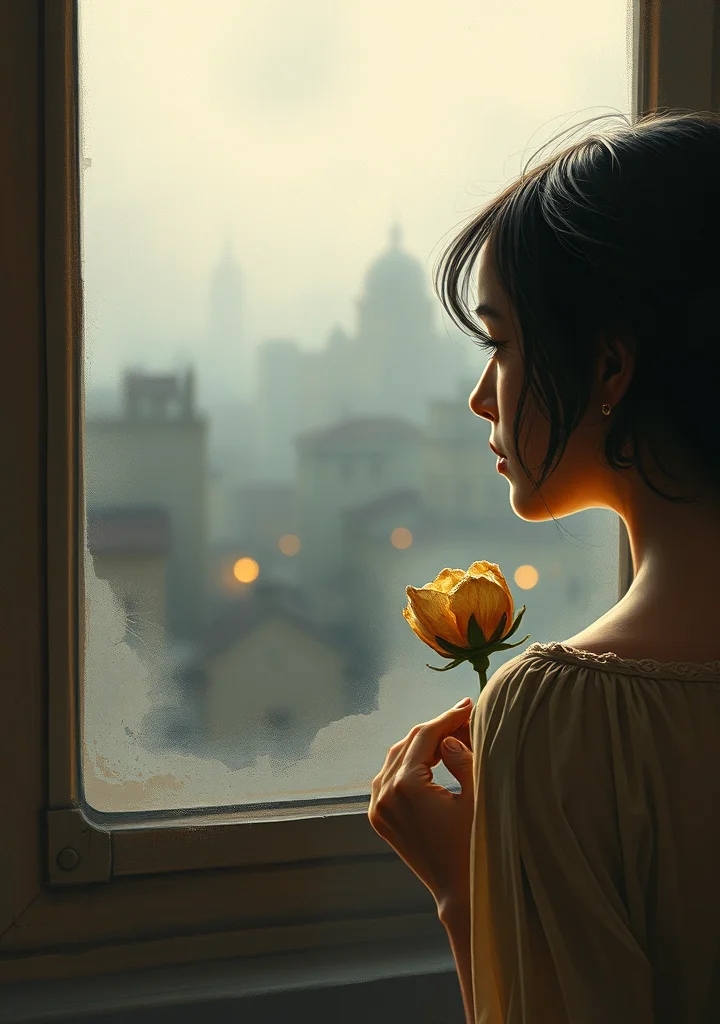
Dust motes dance in the perpetual twilight of provincial hotels, mirroring the slow decay of a man adrift in a country not his own. The narrative unfolds like a brittle, yellowed postcard – fragments of observation, laced with a loneliness so profound it clings to the chipped enamel of washbasins and the scent of stale Gauloises. Lardner’s protagonist isn’t a traveler seeking beauty, but a phantom tracing the hollows of his own discontent across sun-bleached landscapes. Each week bleeds into the next, marked only by the shifting patterns of rain against lace curtains and the increasingly desperate attempts to fill the silence with borrowed phrases. France is not vibrant, but a grey scrim through which he watches the world, and himself, unravel. The prose is a dry, precise dissection of ennui, where even the smallest details – a chipped teacup, a poorly translated menu – resonate with the weight of unspoken regret. It’s a story told in the gaps, in the things left unsaid, a creeping dread that settles not in grand gestures, but in the damp chill of an empty room, and the hollow echo of a man failing to disappear into the very fabric of a foreign land. The weeks are not a journey, but a slow, elegant erosion.
Copyright: Public Domain
This license allows anyone to use your story for any purpose, including printing, selling, or adapting it into a film freely.
This license allows anyone to use your story for any purpose, including printing, selling, or adapting it into a film freely.
More like this