
-
Read 708
-
1
-
Part 52
Completed, First published Mar 02, 2026
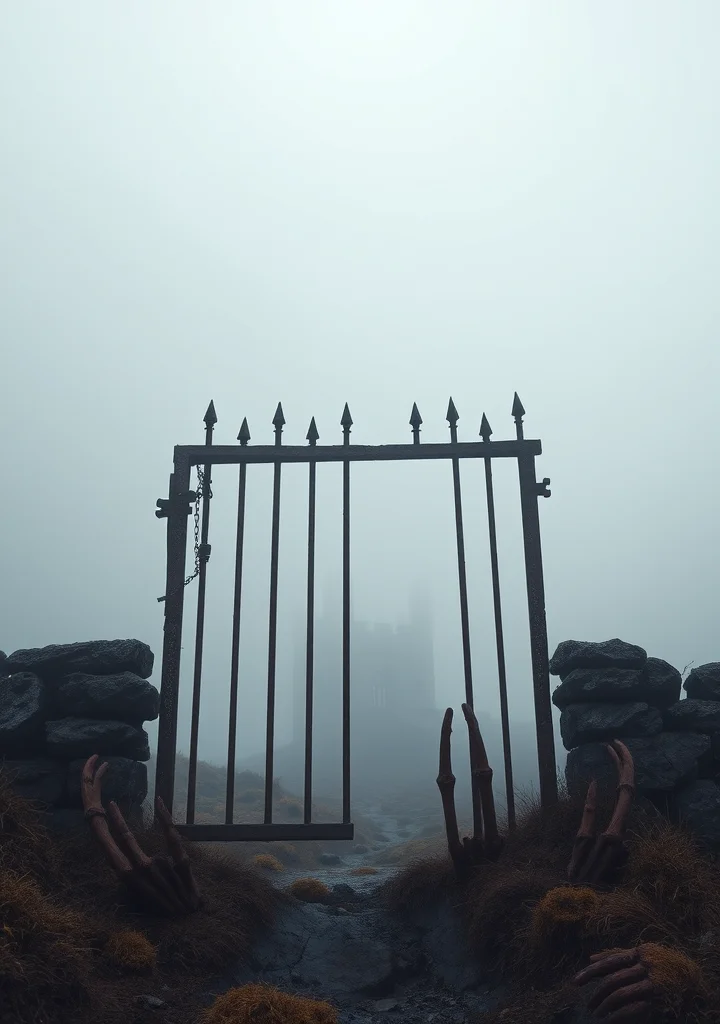
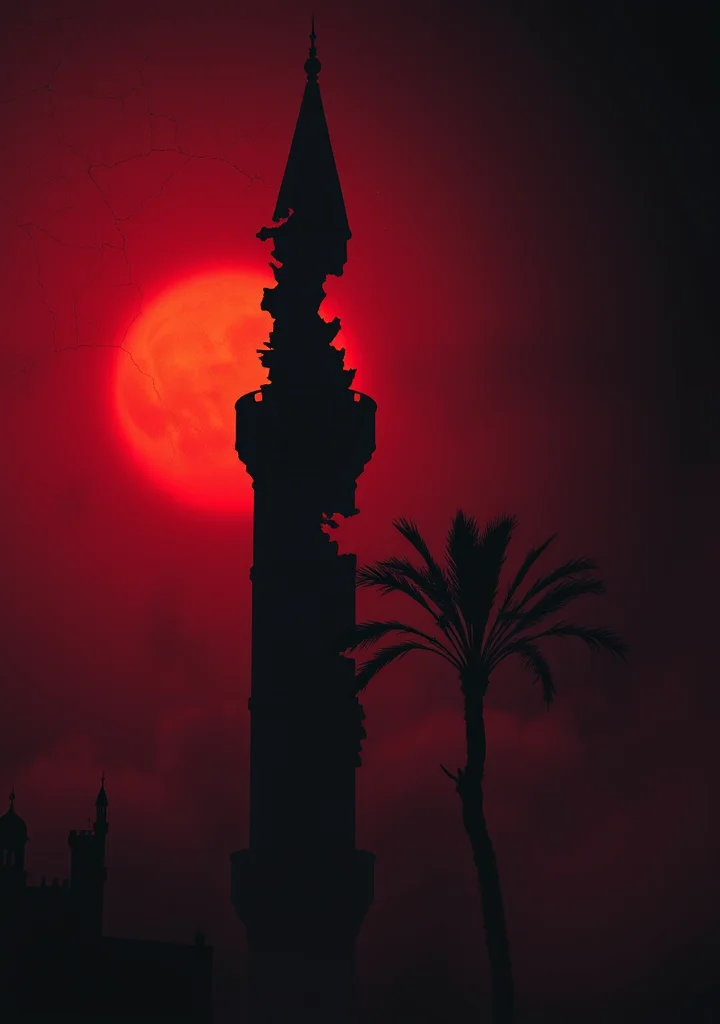
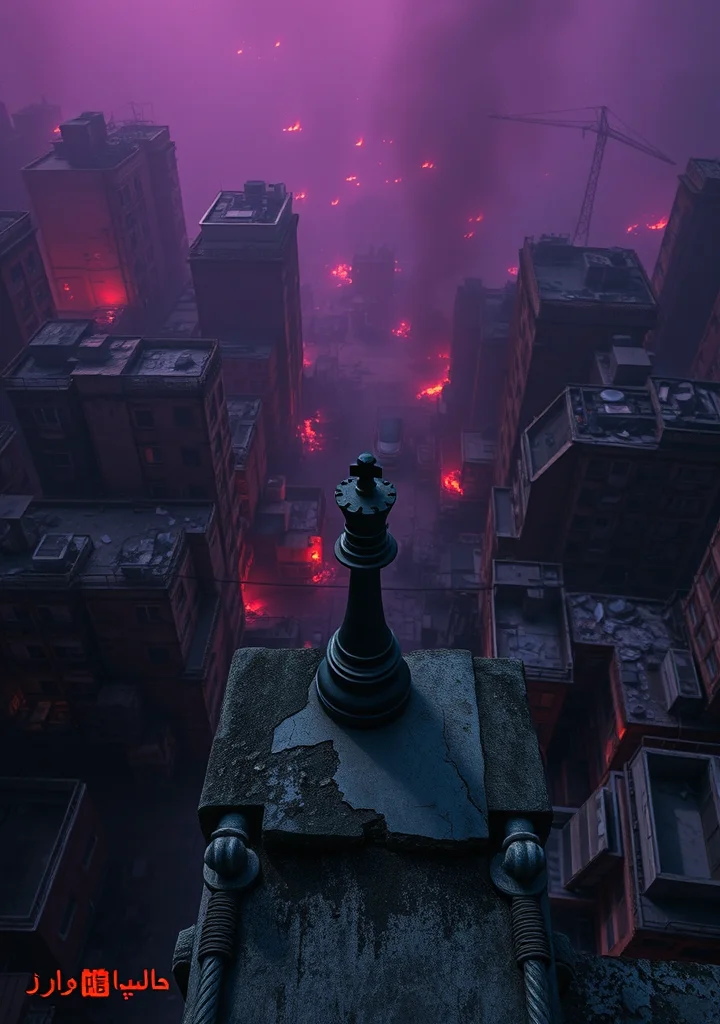
The city breathes grit and shadow, a perpetual twilight clinging to alleys slick with rain and the reek of stale beer. Little Caesar doesn’t rise from ambition, but from the rot beneath the gilded promise of American fortune. Every brick tenement whispers of desperation, each backroom a confessional for men swallowed by their own hunger. It’s a world where loyalty is measured in the glint of a blade and a man’s worth is tallied in the coins he can steal. The air thickens with the scent of betrayal, a suffocating perfume blooming from the cracked pavement. The narrative doesn’t celebrate triumph, but chronicles a slow, inexorable descent into a darkness where the lines between predator and prey blur into a single, crimson stain. Caesar’s ascent isn’t a climb, but a fracturing—a splintering of bone and spirit within a cage of concrete and greed. The narrative is haunted by the echo of gunshots, each one a nail hammered into the coffin of a fading innocence. It’s a fever dream of shadowed faces and desperate choices, a world where every victory is bought with a piece of the soul, and the final reward is only the cold embrace of the void.
Copyright: Public Domain
This license allows anyone to use your story for any purpose, including printing, selling, or adapting it into a film freely.
This license allows anyone to use your story for any purpose, including printing, selling, or adapting it into a film freely.
Chapter List
-
« Little Caesar »📖 Continue Reading
-
« Chapter_3 »
-
« Chapter_4 »
-
« PartI »
-
« I »
-
« II »
-
« III »
-
« IV »
-
« V »
-
« VI »
-
« PartII »
-
« I »
-
« II »
-
« III »
-
« IV »
-
« V »
-
« VI »
-
« VII »
-
« PartIII »
-
« III »
-
« II »
-
« III »
-
« IV »
-
« V »
-
« VI »
-
« VII »
-
« I »
-
« II »
-
« III »
-
« IV »
-
« V »
-
« VI »
-
« PartV »
-
« I »
-
« II »
-
« III »
-
« IV »
-
« V »
-
« I »
-
« II »
-
« III »
-
« IV »
-
« V »
-
« VI »
-
« VII »
-
« PartVII »
-
« I »
-
« II »
-
« III »
-
« IV »
-
« V »
-
« VI »
52
-
« Little Caesar »
-
« Chapter_3 »
-
« Chapter_4 »
-
« PartI »
-
« I »
-
« II »
-
« III »
-
« IV »
-
« V »
-
« VI »
-
« PartII »
-
« I »
-
« II »
-
« III »
-
« IV »
-
« V »
-
« VI »
-
« VII »
-
« PartIII »
-
« III »
-
« II »
-
« III »
-
« IV »
-
« V »
-
« VI »
-
« VII »
-
« I »
-
« II »
-
« III »
-
« IV »
-
« V »
-
« VI »
-
« PartV »
-
« I »
-
« II »
-
« III »
-
« IV »
-
« V »
-
« I »
-
« II »
-
« III »
-
« IV »
-
« V »
-
« VI »
-
« VII »
-
« PartVII »
-
« I »
-
« II »
-
« III »
-
« IV »
-
« V »
-
« VI »
More like this