Hidden Bloom
  • 6
  • 0
  • 1
  • Read 6
  • 0
  • Part 1
Ongoing, First published Jun 15, 2026

This novel follows a loving family navigating the complexities of modern life. The narrative traces the tender bonds between Jungkook, Taehyung, and their son, Jungsoo, revealing a domestic world filled with warmth and contentment. As Taehyung balances his demanding career with family life, managed by Min Yoongi, secrets begin to surface. The story hints at a hidden past, as Taehyung resolves to understand why his family maintains such strict privacy. These early chapters depict a reunion filled with joy and longing, offering a glimpse into the deep connection between parents and child.
Copyright: All Rights Reserved
No person is allowed to use, redistribute, or modify your work in any form without your explicit permission.
More like this

99 Part
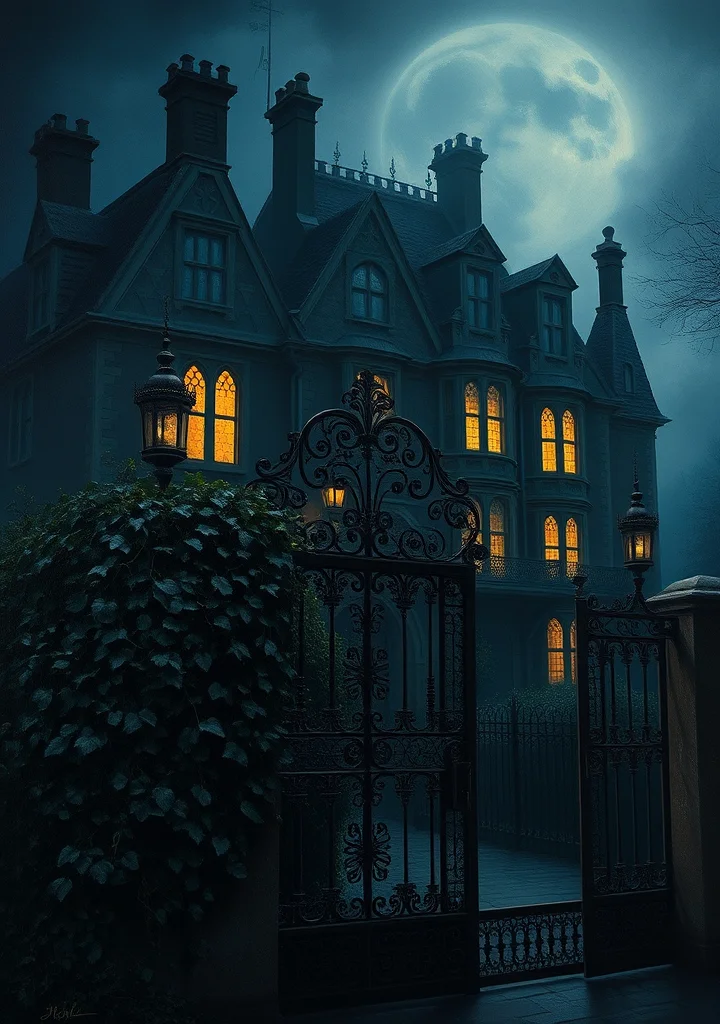
A creeping fog of decline settles over Lübeck, mirroring the slow, inexorable decay of the Buddenbrook family. Within the opulent, shadowed confines of their merchant house, generations unravel, bound by tradition yet suffocated by its weight. A chill permeates the ornate rooms, not of winter, but of a creeping malaise—a spiritual exhaustion that clings to velvet curtains and polished mahogany. The scent of almonds and decay hangs heavy in the air, a subtle poison seeping into the veins of each heir. Each chapter unfolds like a funeral procession, hushed and dignified, yet laced with a subtle, suffocating dread. The city itself becomes a character—its canals reflecting the family's fading fortunes, its cobbled streets echoing with the ghosts of ambition and lost vitality. A profound loneliness permeates the narrative, a sense of being entombed alive within a legacy of prosperity. The narrative is not one of dramatic catastrophe, but of a quiet unraveling, a slow erosion of will masked by polite society’s rigid formality. The characters move through their lives as though in a dream, haunted by the specter of what once was—their faces pale and drawn, their voices laced with a melancholy that clings like the damp sea air. The weight of expectation, the burden of inheritance, become visible as a spectral presence in every room, a chilling reminder of the inevitability of dissolution. The novel breathes with the scent of dust, of old money, of secrets whispered in darkened hallways, and the slow, agonizing realization that even the most solid foundations can crumble into nothingness.
52 Part
A creeping dread clings to Lindores Castle, a stone behemoth shadowed by ancient pines and whispered histories. Within its decaying grandeur, the Lindores sisters – refined, brittle, and bound by a shared, unspoken sorrow – drift through lives as brittle as dried leaves. Each woman, a delicate bloom fading within the suffocating confines of their ancestral home, bears the weight of a past tragedy that stains the very stones with melancholy. The narrative unravels not with grand spectacle, but with the slow, insidious rot of isolation, the suffocating politeness masking a simmering resentment, and the chilling echo of secrets clinging to the castle’s shadowed corners. A sense of mournful expectancy pervades every chamber, as if the Lindores sisters are not merely living, but *waiting* – for revelation, for release, or for the inevitable descent into the same quiet oblivion that claimed their mother. The atmosphere is one of perpetual twilight, where the boundaries between reality and haunting blur, and the scent of decay mingles with the perfume of forgotten grief. Every glance exchanged, every stifled sigh, feels laden with the weight of a lineage cursed to wither within the castle walls, mirroring the slow, inexorable decline of Lindores itself. It is a story steeped in the claustrophobia of inherited sorrow, where the true horror resides not in what is seen, but in what is felt – the icy touch of loneliness and the suffocating silence of a family slowly dissolving into shadow.
54 Part
A creeping dread clings to the shadowed halls of Blackwood Manor, where the legacy of the Ashworths—a family steeped in melancholic piety and stifled ambition—unwinds like a silken noose. The narrative breathes with the damp chill of decaying grandeur, each room a mausoleum of forgotten vows and whispered sins. Old Mr. Ashworth’s failing health isn't merely illness, but a slow erosion of the boundaries between this world and something…else. His daughter, burdened by the weight of expectation and a suppressed, feverish devotion, finds her spirit fracturing alongside his. The story isn't one of outward horror, but a suffocating claustrophobia born of repressed desire and the suffocating weight of religious fervor. A subtle poison seeps through the narrative, laced with the scent of dying lilies and the rustle of unseen presences in the long corridors. The barriers between the Ashworths’ carefully constructed faith and the gnawing darkness within begin to blister and crack. The estate itself is a character—a labyrinth of shadowed alcoves and overgrown gardens where the rot of secrets blooms under a perpetual twilight. The very stones seem to weep with the grief of generations past. The air hangs thick with the anticipation of a reckoning, not of ghouls or specters, but of a soul laid bare, consumed by the flames of its own unfulfilled longings. It’s a story told in the fading light of a dying man’s consciousness, where the boundaries of reality blur with the feverish visions of a desperate heart.



45 Part
Dust motes dance in the perpetual twilight of Howards End, a house steeped in the slow decay of England’s soul. The scent of dying roses clings to the shadowed hallways, mirroring the stifled desires and unspoken griefs of those drawn to its orbit. It is a place where the past isn’t merely remembered, but *breathes* within the walls, a weight upon the chests of its inhabitants. A chill, born not of the English climate but of fractured inheritance, permeates the very brick and mortar. The narrative unfolds as a creeping fog, obscuring the boundaries between lives intertwined by circumstance and haunted by ancestral echoes. A delicate, brittle web of connection – and possession – stretches between the Schlegel sisters and the pragmatic, self-made Wilcox family. Each encounter is shadowed by a quiet desperation, a yearning for something lost or never possessed. The atmosphere is one of elegant claustrophobia: grand rooms filled with the silence of unfulfilled longing, gardens overgrown with the thorns of regret. A sense of inevitable entanglement pervades the prose, mirroring the insidious growth of ivy across the ancient stone. It is a story told in half-tones, in the rustle of silk against the gloom, in the unspoken tension of shared meals and stolen glances. The tragedy isn’t found in dramatic outburst, but in the slow erosion of hope, the stifling of breath within the gilded cage of social expectation. A haunting, pervasive melancholy clings to the pages like the damp earth of an English autumn.