
-
Read 300
-
0
-
Part 17
Completed, First published Mar 02, 2026
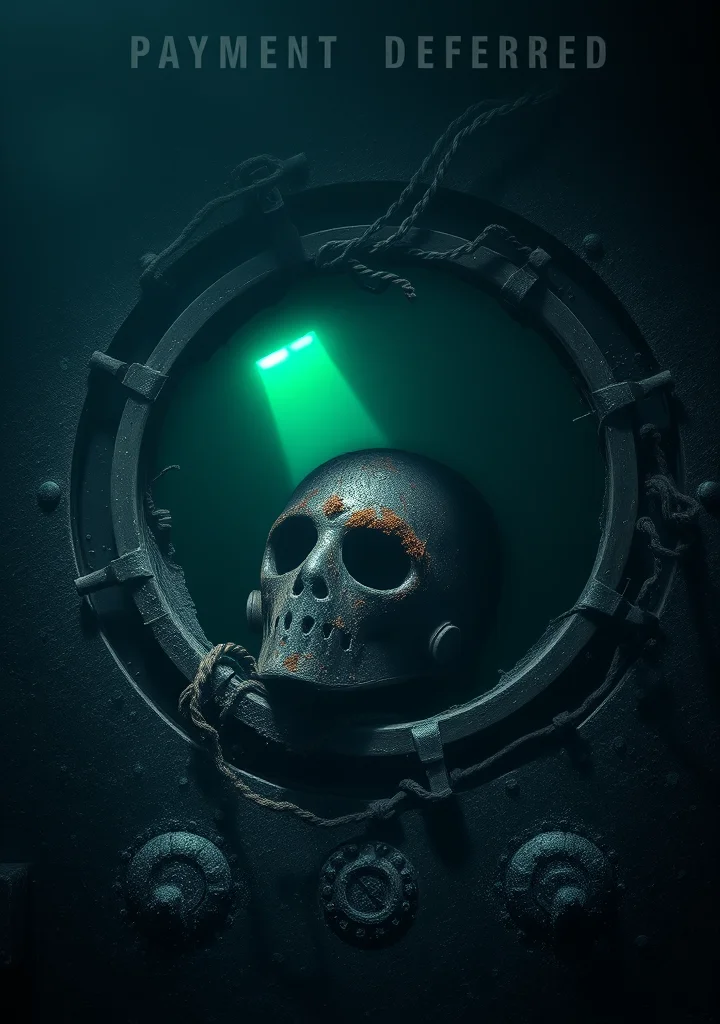
The chill Baltic Sea clings to the memory of Lieutenant Victor Lambert like a shroud. Years after the war, the wreckage of a German U-boat surfaces not in salvage claims, but in a reckoning. A debt – not of gold, but of silence – is owed to a man named Kruger, a ghost haunting Lambert’s present with the specter of a past atrocity. The narrative unfolds in claustrophobic cabins, fog-choked ports, and the echoing loneliness of a merchant ship traversing a grey, unforgiving expanse. It is a descent into the moral murk, where the currency of survival is complicity and the price of conscience is a slow, suffocating dread. Lambert’s journey is not across water, but across a precipice of guilt, each nautical mile drawing him closer to a reckoning as cold and unforgiving as the northern sea itself. The air is thick with the brine of betrayal, and the shadows on deck seem to lengthen with each whispered threat, promising a payment not in coin, but in the unraveling of a soul.
Copyright: Public Domain
This license allows anyone to use your story for any purpose, including printing, selling, or adapting it into a film freely.
This license allows anyone to use your story for any purpose, including printing, selling, or adapting it into a film freely.
More like this