Aniversário de Sangue
  • 10
  • 0
  • 2
  • Read 10
  • 0
  • Part 2
Ongoing, First published Jun 01, 2026

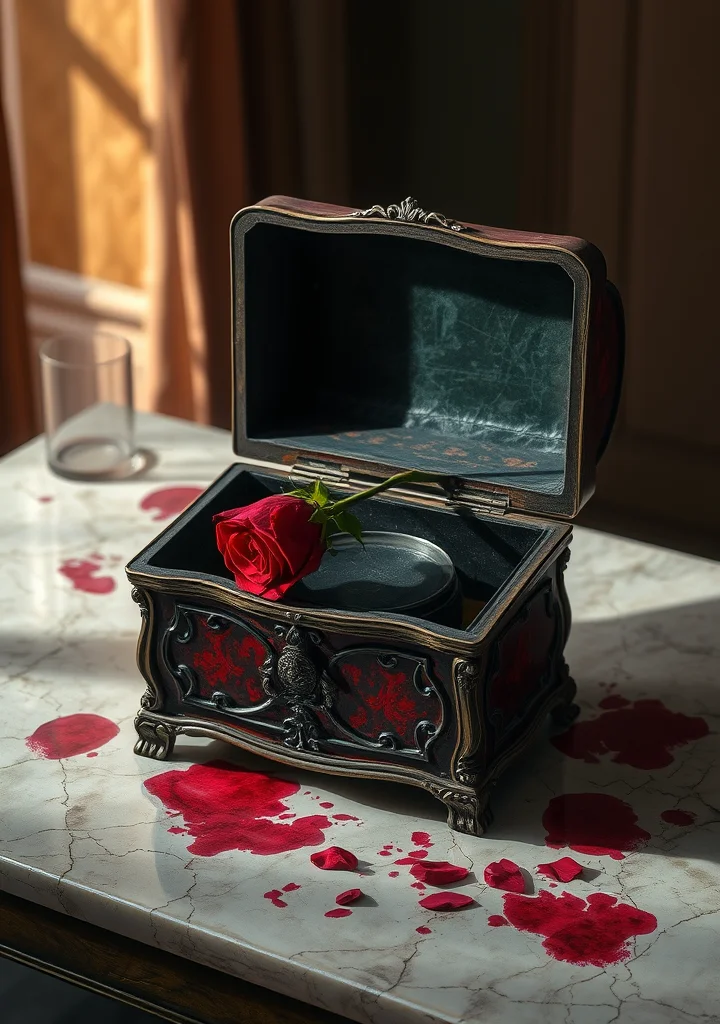
Esta narrativa inquietante começa com uma descoberta brutal: um homem que chega a uma mansão desolada para encontrar sua família assassinada, uma mensagem arrepiante rabiscada em sangue. Em outros lugares, Rose navega em uma teia de ansiedades - uma misteriosa chamada ameaçadora e tensões no local de trabalho - enquanto declina convites para festas. Esses capítulos se transformam em uma luta desesperada enquanto Rose é confrontada por um homem desconhecido que a coage com ameaças e violência. A narrativa traça uma escalada arrepiante de intimidação e medo..
Copyright: All Rights Reserved
No person is allowed to use, redistribute, or modify your work in any form without your explicit permission.
Recommended for you
51 Part
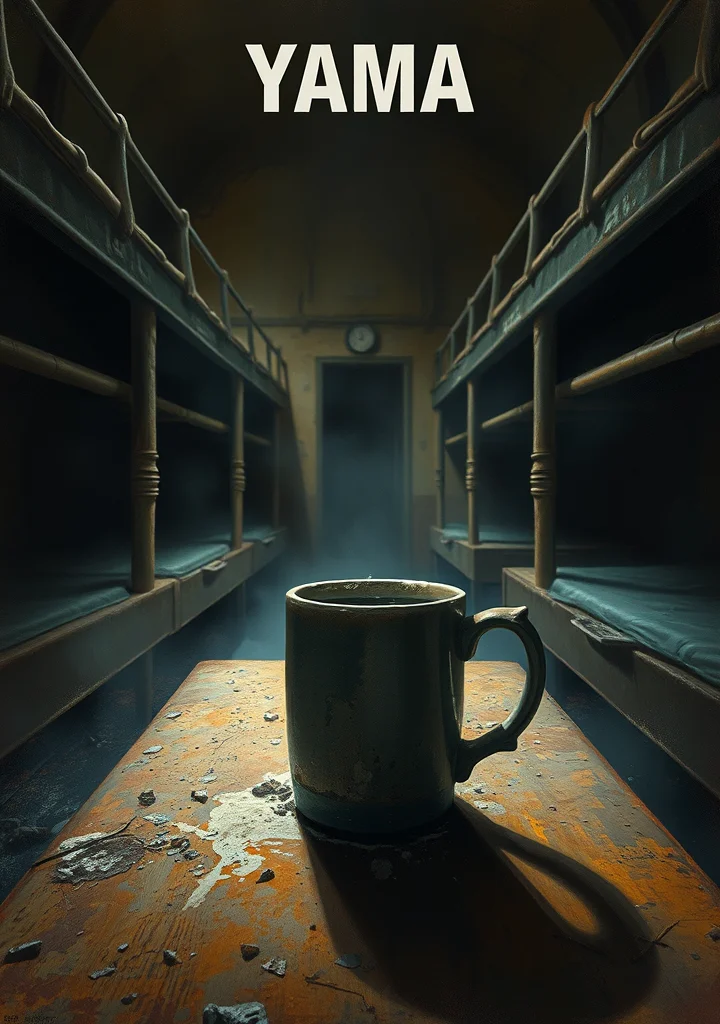
A suffocating heat clings to the pages, thick with the dust of forgotten gods and the scent of brine. Kuprin’s *Yama* doesn’t offer a narrative of simple prisons, but of a slow, deliberate drowning in the stagnant pools of human desperation. The barracks, a festering wound in the heart of a decaying empire, breathe with a life of their own—a malignant sentience born of brutality and boredom. Each man within, a fractured shard of a broken world, is bound not by iron and stone, but by the weight of their own failures, each transgression a silent, festering rot. The prose itself is a mire, pulling you down into the rankness of the guardhouse’s perpetual twilight. There’s no escape, not even in the fevered dreams of the condemned. The air vibrates with the low hum of simmering violence, the casual cruelty a constant, gnawing ache. It isn’t a story of *what* happens, but *how* it feels—the slick, metallic taste of fear on the tongue, the way the shadows stretch and contort into mocking faces. The faces themselves are ghosts, hollowed by regret and the gnawing certainty of oblivion. This isn't a tale of justice, or even injustice, but of a surrender to the inevitable, the slow dissolution of self within the suffocating geometry of the barracks. The walls weep with the stories of men swallowed whole by their own despair, and the stench of their decay lingers long after the last page is turned. The novel doesn't merely show you the darkness; it forces you to breathe it.
13 Part
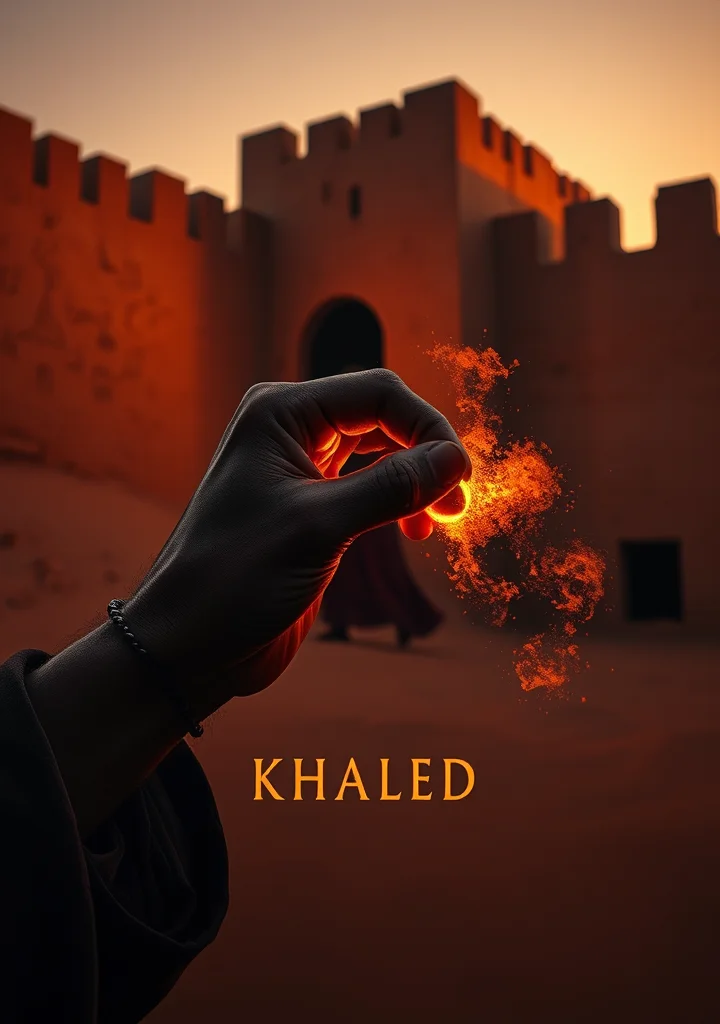
Dust motes dance in the perpetual twilight of the Algerian Sahara, clinging to the crumbling adobe walls of a forgotten fortress. Here, amidst shifting dunes and whispers of ancient Berber lore, lies Khaled, a man bound by a pact with djinn and shadowed by a legacy of blood and sand. The air itself tastes of regret, thick with the scent of myrrh and the phantom cries of generations consumed by the desert’s hunger. Crawford weaves a narrative steeped in the oppressive heat, where loyalty is a brittle thing, and the line between the living and the damned blurs with each scorching sunrise. Khaled isn’t merely a man, but a vessel for a history of violence, haunted by the spirits of those he’s sworn to protect – or to betray. The fortress becomes a suffocating tomb, echoing with the weight of forgotten oaths and the slow decay of stone. Every shadow conceals a betrayal, every whisper carries the threat of a reckoning. The landscape itself becomes a character, mirroring the fractured soul of the man at its heart. Expect not grand spectacle, but the creeping dread of isolation, the suffocating weight of tradition, and the unnerving realization that the true monsters are not those lurking in the darkness, but those born from the sun-scorched earth and the silences between breaths. The story unfolds like a slow poison, seeping into the marrow of your bones until you, too, feel the weight of Khaled’s burden, the desert’s curse, and the chilling promise of oblivion.
19 Part
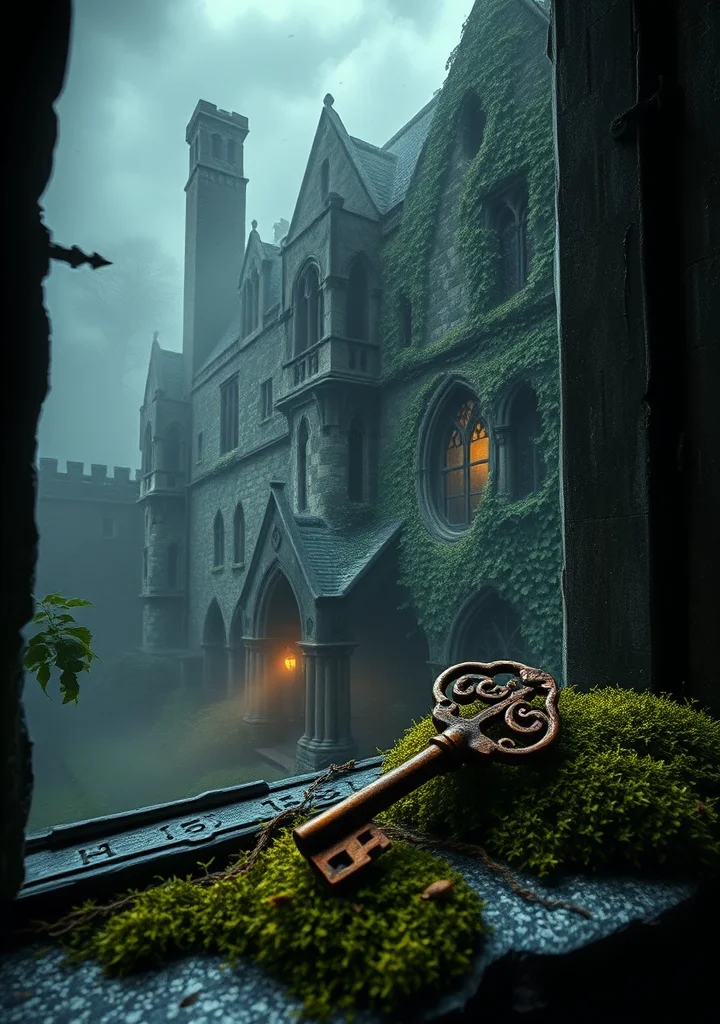
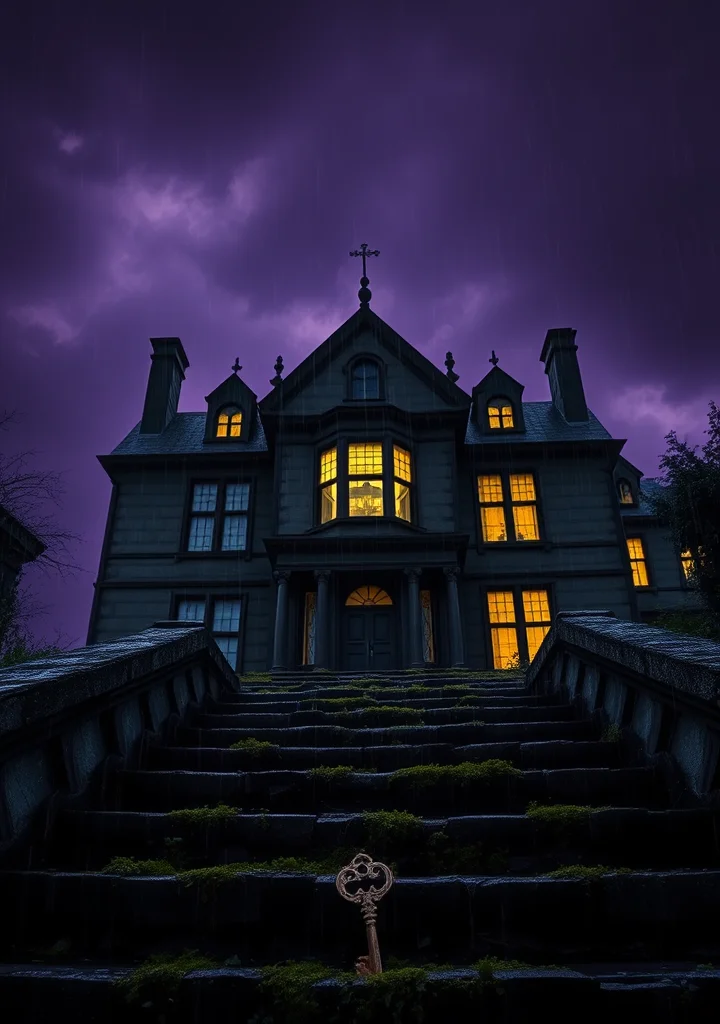
Dust motes dance in the perpetual twilight of Caradoc Hall, a crumbling Welsh manor steeped in forgotten lore. The scent of damp stone and decaying velvet clings to Elara, a woman adrift between worlds, drawn to the estate by a legacy of whispers and shadowed inheritance. Not a ghost hunt, but something colder – a pull from the very stones, a resonance with a history that refuses to stay buried. The Hall breathes with the echoes of its former mistress, a woman named Wynne, who vanished into the hills with a silver key and a secret pact with the land. Each chamber Elara explores is a tightening spiral of unease, mirroring the labyrinthine corridors of her own fractured memory. The estate’s ancient guardian, a taciturn man named Rhys, offers only glimpses of the past, his eyes holding the same grey melancholy as the rain-lashed landscape. But the key isn't merely a relic; it’s a conduit. It unlocks not doors, but seams in time, drawing Elara into a spectral existence where Wynne’s disappearance isn't a tragedy, but a deliberate surrender to something ancient and hungry beneath the hills. The air grows thick with the scent of peat and something else – something floral and cloying, like the perfume of a corpse. Shadows lengthen, not with the setting sun, but with the rising dread of a truth woven into the very foundations of Caradoc Hall. It’s a place where the veil between worlds thins to gossamer, where the living are haunted by the ghosts of those who chose to become something *other* than human, and where Elara must unravel the key’s mystery before she too is claimed by the timeless hunger of the Welsh wilderness.