
Pengampunan di Lorong
  • 6
  • 0
  • 2
  • Read 6
  • 0
  • Part 2
Ongoing, First published May 24, 2026

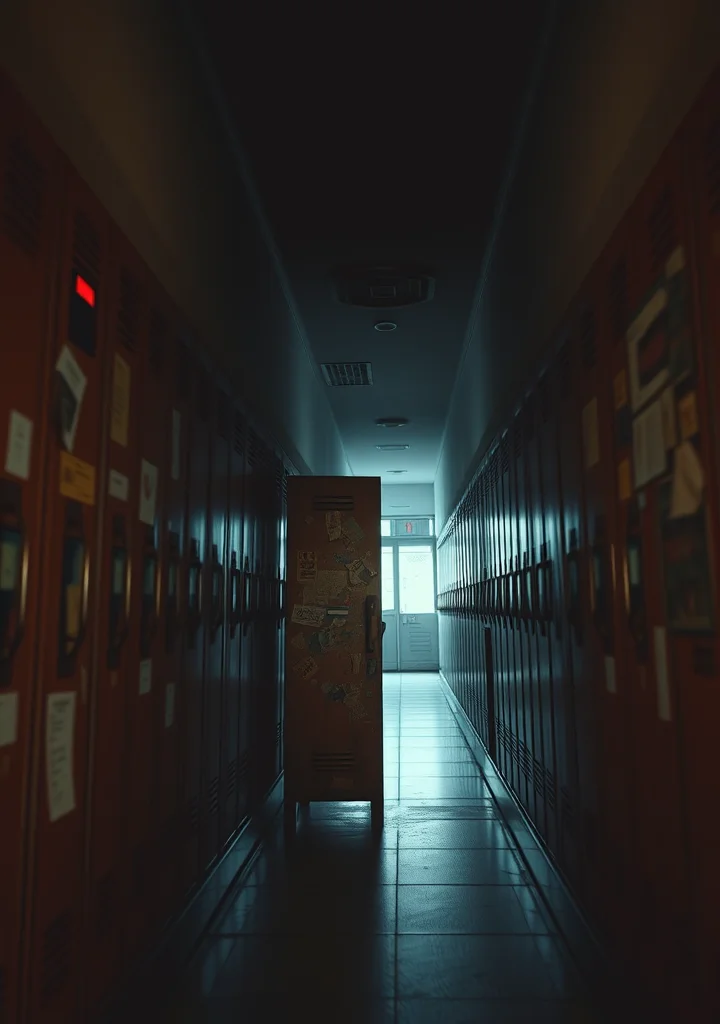
This novel follows a narrator grappling with guilt and alienation as they anticipate returning to school. Haunted by past actions – specifically, a betrayal of Elliot Goldman – they fear judgment and isolation. Early chapters reveal tense classroom dynamics and awkward partnerships, while also hinting at a complex web of relationships. Unexpected acts of forgiveness, like Elliot’s surprising request to hear the narrator’s story, begin to emerge amidst escalating tensions fueled by bullying. The narrative traces the uneasy social currents within the school, suggesting a search for understanding amidst fear and regret.
Copyright: All Rights Reserved
No person is allowed to use, redistribute, or modify your work in any form without your explicit permission.
Recommended for you
11 Part
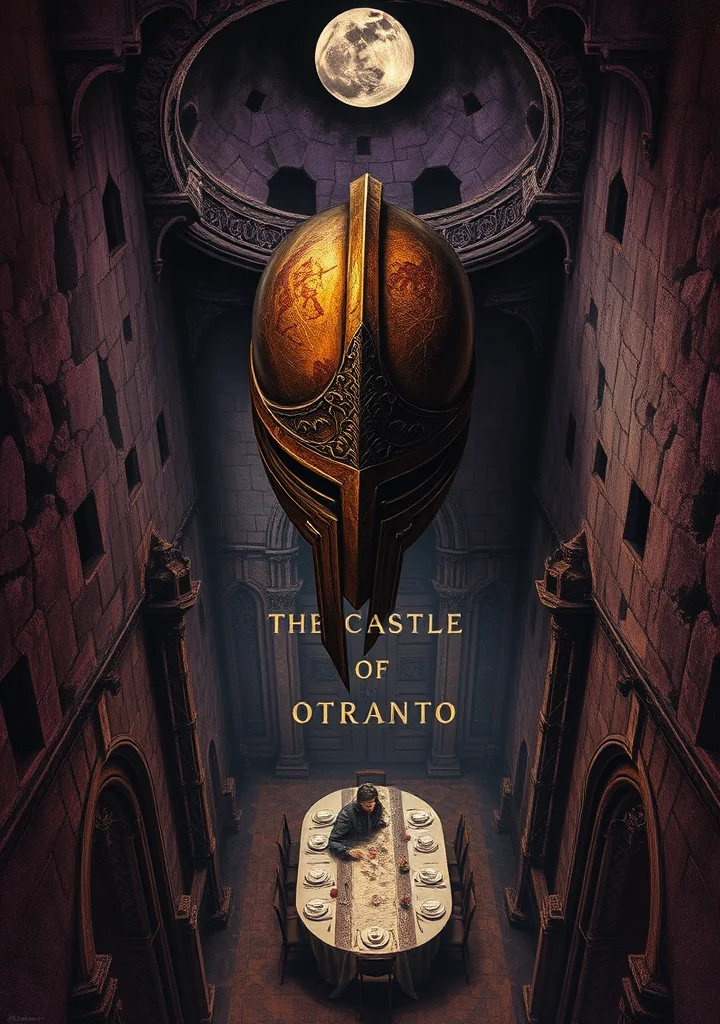
A suffocating dread clings to the stone of Otranto, a castle steeped in ancient prophecy and shadowed by generations of ambition. Within its echoing halls, the weight of a forgotten lineage presses down, manifested in the monstrous size of a helmet descending from unseen heights, crushing a son on his wedding day. The air itself is thick with superstition—portents bleed from decaying tapestries, and the very architecture seems to conspire against the living. A labyrinthine network of secret passages, crumbling vaults, and forgotten chambers breathes with the ghosts of tyrannical ancestors. The narrative unravels amidst flickering candlelight, revealing a lineage cursed by a dark inheritance—a claim to power purchased with blood and sealed by generations of unlawful deeds. The castle is not merely a structure, but a prison woven from despair. Its chambers are haunted by whispers of stolen birthrights, and the scent of decay permeates every stone. A creeping claustrophobia descends as the characters become puppets in a drama dictated by ancient scrolls and the machinations of a relentless, consuming fate. The shadows lengthen with each revelation, revealing a world where the boundaries between the living and the dead blur, and where the foundations of sanity crumble beneath the weight of ancestral sin. The narrative coils tighter, drawing the reader into a suffocating darkness where every breath is shadowed by the promise of violence and the chilling inevitability of the past returning to claim its due.
36 Part
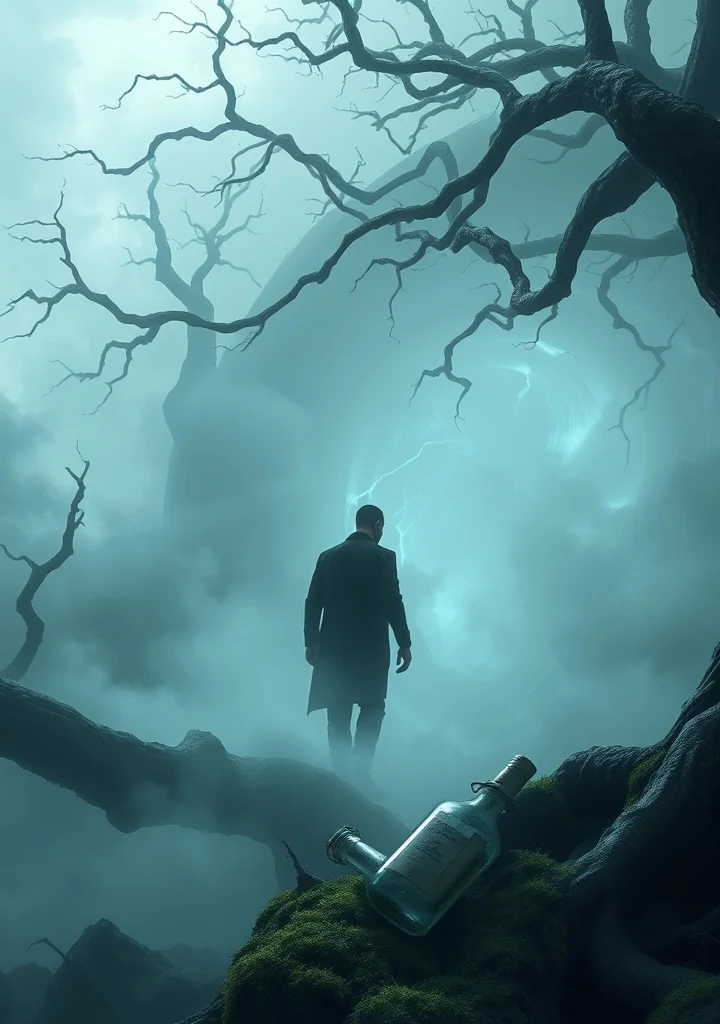
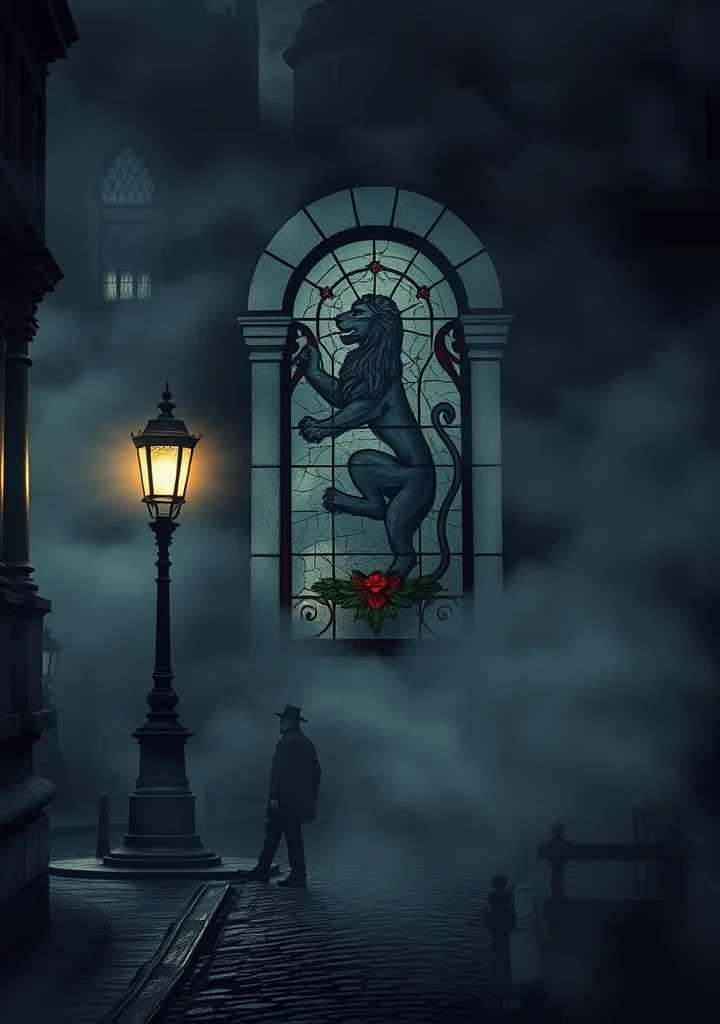
The veil-thin woods breathe with a chilling sentience, mirroring the fractured psyche of Lud, a man returning to his childhood home—a village swallowed by a perpetual, iridescent mist. Not a homecoming, but a haunting. The mist is not merely weather; it is a memory-eater, a slow unraveling of self, drawing Lud into a labyrinth of forgotten folklore and the cold, glittering bargains struck with beings just beyond the periphery of vision. Each step deeper into the shrouded lanes is a descent into a decaying, dream-soaked reality where the boundaries between the living and the dead, the remembered and the imagined, dissolve. The stone cottages, slick with damp, seem to watch with vacant, hollow eyes. A creeping dread, born not of malice but of *absence*, clings to everything—a silence pregnant with the ghosts of promises made and broken. Lud’s search for his lost love, Moira, becomes a spiraling echo through the mist-wrought landscape, a desperate grasping for something tangible in a world where solidity itself is an illusion. He is haunted by whispers of faerie bargains, by the cold touch of things *almost* remembered, by the insidious, beautiful rot that blossoms in the heart of forgotten places. The mist itself seems to possess a consciousness, a patient, predatory hunger for the fragments of Lud’s soul, offering glimpses of a truth too terrible to bear, a revelation of what lies beneath the shimmering surface of the world—and what waits for him in its depths. It is a story steeped in the scent of damp earth, decaying leaves, and the faint, metallic tang of things lost to the fog.