
-
Read 439
-
0
-
Part 36
Completed, First published Mar 02, 2026
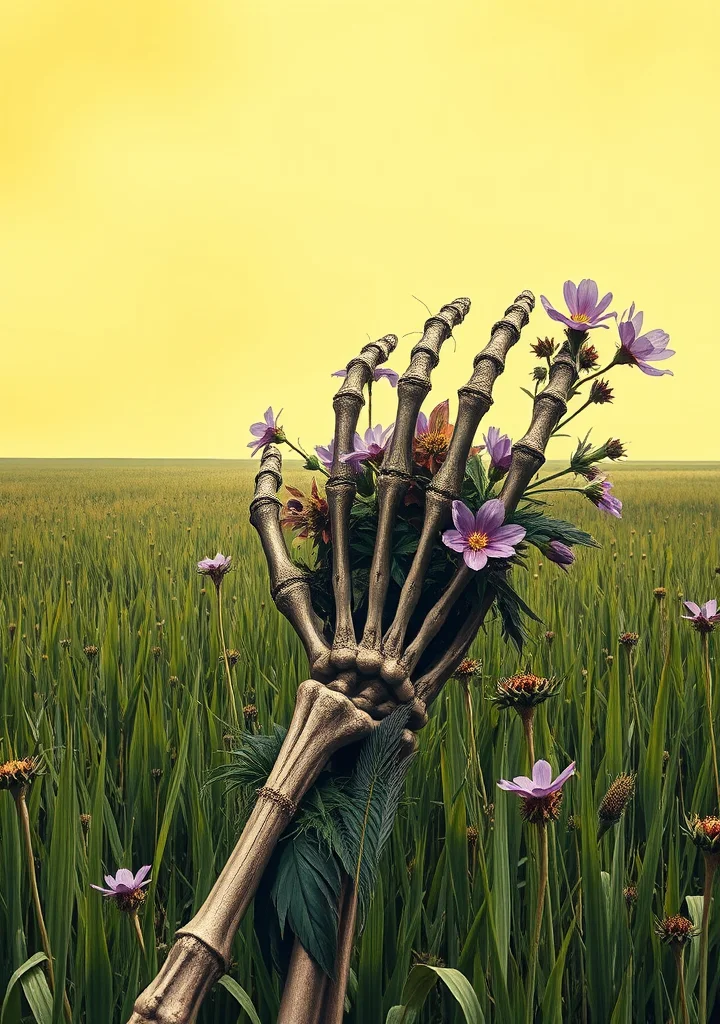
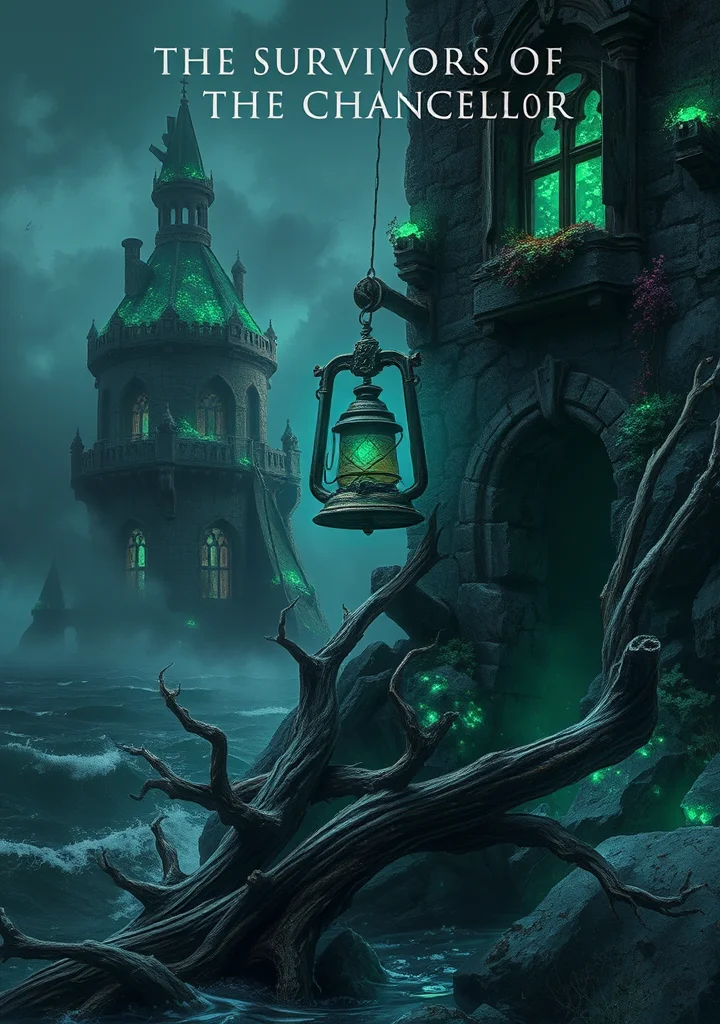
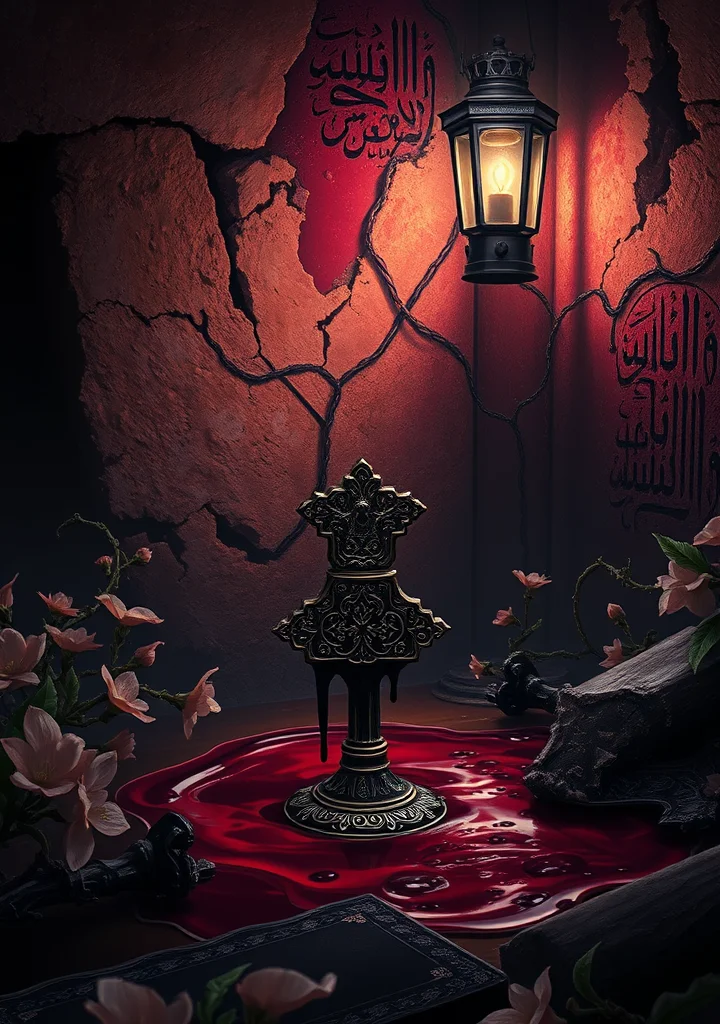
A suffocating dread clings to the crumbling estate of the Al-Sayed family, where whispers of inherited madness bloom like poisonous orchids in shadowed corridors. Khalil Gibran weaves a tale steeped in the scent of decay and jasmine, charting the unraveling of Elias, a man haunted by visions that bleed from the parchment of ancient texts. The narrative unfolds as a fever dream, a descent into a labyrinthine mind where the boundaries between reality and hallucination dissolve. Each chapter feels etched in the dust-laden air of forgotten chambers, mirroring Elias’s fracturing psyche.
Sun-drenched stone gives way to claustrophobic darkness, mirroring a descent into the heart of a familial curse. The prose is hypnotic, laced with a melancholic beauty that mirrors the rot beneath the gilded surfaces of the Al-Sayed lineage. A palpable sense of isolation permeates the story—a creeping, insidious loneliness that clings to the reader long after the final page. The landscape itself becomes a character, a barren expanse mirroring the barrenness of Elias’s soul. It is not merely a story of madness, but an exploration of how the weight of ancestral sorrow can bloom into a singular, terrifying bloom of the mind. The story unfolds with the stifled breath of a secret, a confession whispered into the ear of a dying moon.
Copyright: Public Domain
This license allows anyone to use your story for any purpose, including printing, selling, or adapting it into a film freely.
This license allows anyone to use your story for any purpose, including printing, selling, or adapting it into a film freely.
Chapter List
-
« The Madman »📖 Continue Reading
-
« Chapter_3 »
-
« God »
-
« My Friend »
-
« The Scarecrow »
-
« The Sleepwalkers »
-
« The Wise Dog »
-
« The Two Hermits »
-
« On Giving and Taking »
-
« The Seven Selves »
-
« War »
-
« The Fox »
-
« The Wise King »
-
« Ambition »
-
« The New Pleasure »
-
« The Other Language »
-
« The Pomegranate »
-
« The Two Cages »
-
« The Three Ants »
-
« The Gravedigger »
-
« On the Steps of the Temple »
-
« The Blessed City »
-
« The Good God and the Evil God »
-
« “Defeat” »
-
« Night and the Madman »
-
« Faces »
-
« The Greater Sea »
-
« Crucified »
-
« The Astronomer »
-
« The Great Longing »
-
« Said a Blade of Grass »
-
« The Eye »
-
« The Two Learned Men »
-
« When My Sorrow Was Born »
-
« And When My Joy Was Born »
-
« “The Perfect World” »
36
-
« The Madman »
-
« Chapter_3 »
-
« God »
-
« My Friend »
-
« The Scarecrow »
-
« The Sleepwalkers »
-
« The Wise Dog »
-
« The Two Hermits »
-
« On Giving and Taking »
-
« The Seven Selves »
-
« War »
-
« The Fox »
-
« The Wise King »
-
« Ambition »
-
« The New Pleasure »
-
« The Other Language »
-
« The Pomegranate »
-
« The Two Cages »
-
« The Three Ants »
-
« The Gravedigger »
-
« On the Steps of the Temple »
-
« The Blessed City »
-
« The Good God and the Evil God »
-
« “Defeat” »
-
« Night and the Madman »
-
« Faces »
-
« The Greater Sea »
-
« Crucified »
-
« The Astronomer »
-
« The Great Longing »
-
« Said a Blade of Grass »
-
« The Eye »
-
« The Two Learned Men »
-
« When My Sorrow Was Born »
-
« And When My Joy Was Born »
-
« “The Perfect World” »
More like this