
A calçada e a mudança
  • 14
  • 0
  • 5
  • Read 14
  • 0
  • Part 5
Ongoing, First published May 23, 2026

A narrativa traça as vidas entrelaçadas de homens jovens que navegam pela amizade e pela crescente atração. Os capítulos revelam um almoço casual à tarde, onde as conexões românticas são discutidas - ou, em alguns casos, visivelmente ausentes. Essa facilidade inicial é quebrada por um acidente repentino, como um personagem é atingido por um carro e deixado inconsciente. A história então muda o foco para um resgate dramático, onde uma intervenção misteriosa leva a uma cura inesperada. Após este evento, uma tentativa de conexão se forma de pensamentos sutis, alimentados e de gratidão..
Copyright: All Rights Reserved
No person is allowed to use, redistribute, or modify your work in any form without your explicit permission.
Recommended for you

13 Part
Dust motes dance in the perpetual twilight of the Algerian Sahara, clinging to the crumbling adobe walls of a forgotten fortress. Here, amidst shifting dunes and whispers of ancient Berber lore, lies Khaled, a man bound by a pact with djinn and shadowed by a legacy of blood and sand. The air itself tastes of regret, thick with the scent of myrrh and the phantom cries of generations consumed by the desert’s hunger. Crawford weaves a narrative steeped in the oppressive heat, where loyalty is a brittle thing, and the line between the living and the damned blurs with each scorching sunrise. Khaled isn’t merely a man, but a vessel for a history of violence, haunted by the spirits of those he’s sworn to protect – or to betray. The fortress becomes a suffocating tomb, echoing with the weight of forgotten oaths and the slow decay of stone. Every shadow conceals a betrayal, every whisper carries the threat of a reckoning. The landscape itself becomes a character, mirroring the fractured soul of the man at its heart. Expect not grand spectacle, but the creeping dread of isolation, the suffocating weight of tradition, and the unnerving realization that the true monsters are not those lurking in the darkness, but those born from the sun-scorched earth and the silences between breaths. The story unfolds like a slow poison, seeping into the marrow of your bones until you, too, feel the weight of Khaled’s burden, the desert’s curse, and the chilling promise of oblivion.
21 Part
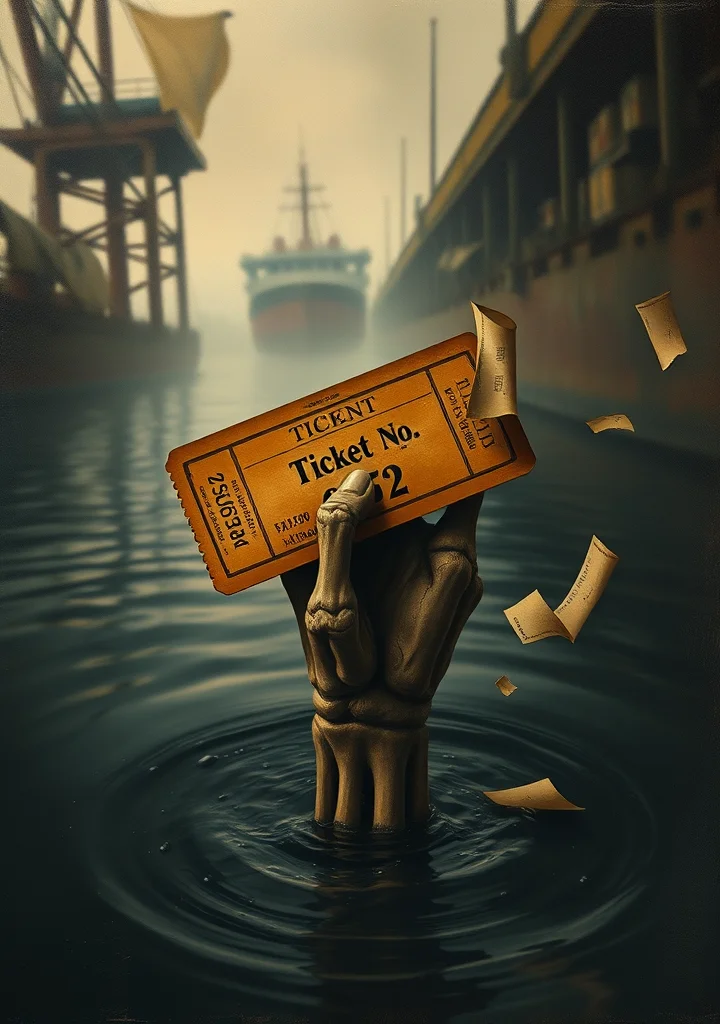
A suffocating heat clings to the docks of colonial Saigon, thick with the scent of jasmine and decay. The narrative unravels not with grand adventure, but with the stifled desperation of a man purchased – a phantom commodity traded between shadowy brokers. He’s known only as the Passenger, his origins a deliberate erasure etched in the ledger as ‘Ticket No. 9672.’ The air itself feels haunted by the weight of forgotten currencies, of lives quantified and sold. Each chapter is a peeling layer of circumstance, revealing a man consumed by a creeping, nameless dread. He exists in the humid confines of a crumbling mansion, a gilded cage furnished with the whispers of opium dens and the mournful cries of caged birds. His captors are less concerned with his loyalty than his silence—a silence he struggles to maintain as fragments of a former life bleed into the present. The story doesn't soar with rockets to the moon, but spirals downward into the claustrophobic labyrinth of a mind unraveling. The descriptions are saturated with the oppressive weight of velvet drapes, the glint of tarnished silver, and the sickly sweet aroma of rotting fruit. It’s a story of imprisonment not by bars, but by the insidious erosion of memory, the slow suffocation of identity within a system designed to erase every trace of self. The final pages hint at a reckoning not of escape, but of acceptance, as the Passenger discovers he's not merely owned—but *constructed* by the very forces he seeks to defy.