
Socialize Please
  • 1
  • 0
  • 1
  • Read 1
  • 0
  • Part 1
Completed, First published Jun 16, 2026

The narrative traces the early interactions of a group of high school students, beginning with observational notes on their established reputations. These chapters reveal a dynamic unfolding through late-night group chats—dubiously initiated under the title ‘Socialize Please’—where awkwardness and playful banter quickly escalate. The story follows these classmates as their online conversations devolve into chaotic tangents, playful bullying, and even mock threats of detention. Through these sampled exchanges, the novel hints at a complex web of affiliations and unexpected connections forming among them.
Copyright: All Rights Reserved
No person is allowed to use, redistribute, or modify your work in any form without your explicit permission.
Recommended for you
9 Part
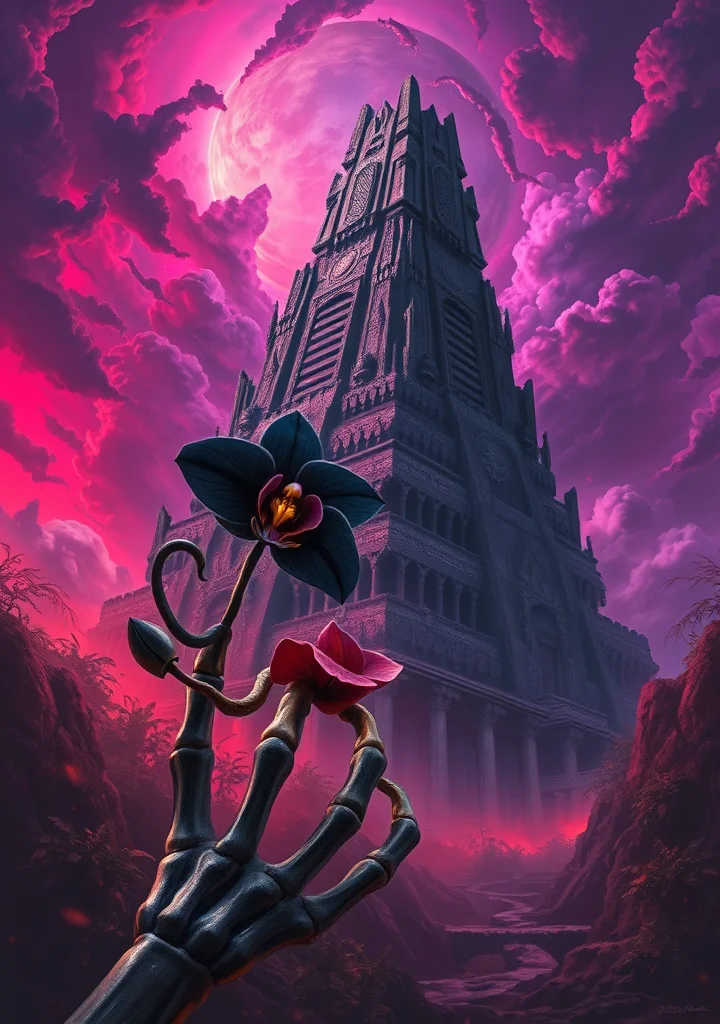
Dust-choked cities bloom amidst the crimson jungles of Xylos, a world steeped in the residue of forgotten gods and the slick, humid breath of ancient sorceries. Here, beneath a bruised violet sky, the echoes of a fallen empire cling to crumbling ziggurats and whisper in the bone-white sands. The air itself is thick with the scent of decaying blooms and the metallic tang of ritual sacrifice. A creeping dread permeates the narrative, not of monstrous beasts or alien invaders, but of something far more insidious: the slow, suffocating unraveling of sanity within a populace bound to a decaying voodoo priesthood. Shadows stretch long and hungry from the monolithic structures, concealing both the predatory grace of the Xylosian natives and the desperate, fever-haunted machinations of the exiled Earthborn seeking to exploit the planet’s dark heart. The narrative unfolds within a claustrophobic maze of decaying grandeur, where every crumbling stone seems to pulse with a latent, venomous life. The atmosphere is one of oppressive heat, stifling incense, and the ever-present hum of unseen rituals. A sense of being watched—not by eyes of flesh and blood, but by the spectral gaze of ancestral spirits—infuses every shadowed corner. It’s a world where the boundaries between dream and nightmare blur, where the rot of the past threatens to consume the present, and where the very soil seems to weep with the memories of unspeakable acts. The pulse of Xylos is a slow, deliberate drumbeat drawing you toward a darkness from which no light returns.
22 Part
Dust motes dance in perpetual twilight within the shadowed halls of Misselton House, a boarding school steeped in the chill of London fog and the whispers of forgotten childhoods. Young Sara Crewe arrives, gilded in privilege, yet swiftly descends into a labyrinth of grey routine and stifled grief. Her father’s disappearance casts a pall over her days, mirroring the encroaching damp that clings to the stone walls and seeps into the very marrow of her bones. The narrative isn’t one of grand horrors, but of a slow, creeping despair, a brittle beauty blooming within a landscape of neglect. The grandeur of Sara’s past becomes a phantom limb, haunting her every waking moment. Each stolen moment of imagination, each ragged scrap of kindness offered in the attic, is lit by a flickering candle against the encroaching darkness. The air thickens with the scent of coal smoke and the stifled cries of lonely children, their stories swallowed by the vast, indifferent house. It’s a story not of monsters under the bed, but of the monstrous indifference of the world, and the fragile, tenacious flame of hope flickering against the wind. The very silence of the house feels alive with unspoken sorrows, and the gardens, glimpsed through frost-rimed windows, feel less like escape than extensions of a creeping, melancholic embrace. Even the smallest acts of cruelty feel like shards of glass in a winter wind, leaving Sara bleeding not with wounds, but with a chilling awareness of her own vulnerability. The world narrows to the dimensions of a forgotten room, and the narrative breathes with the same slow, suffocating rhythm as a heart breaking in the shadows.
11 Part
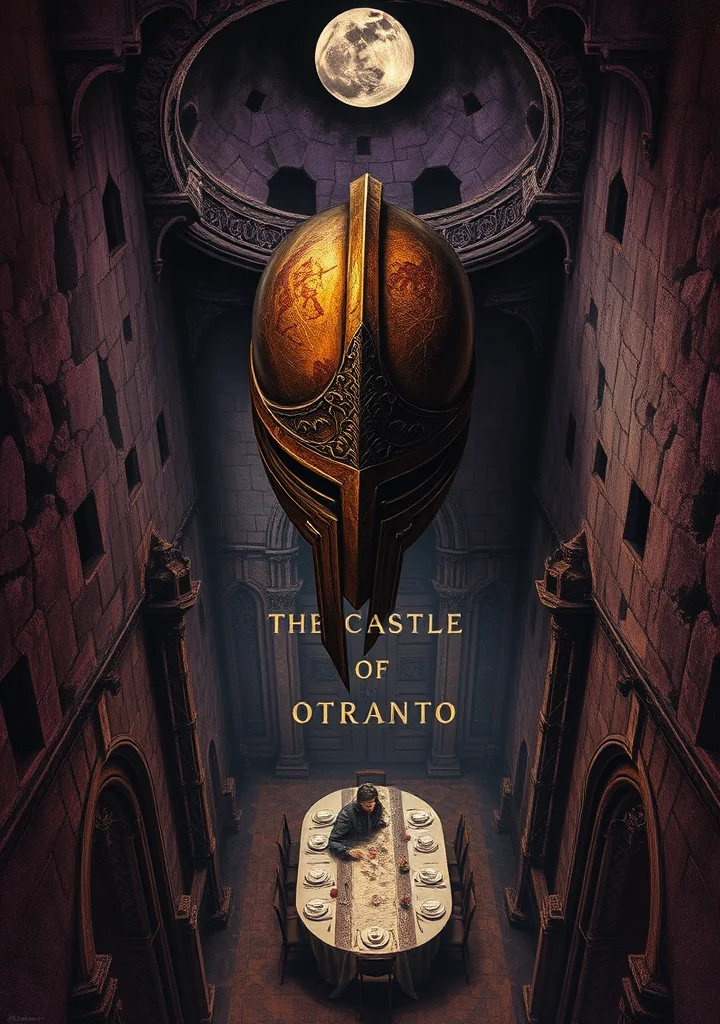
A suffocating dread clings to the stone of Otranto, a castle steeped in ancient prophecy and shadowed by generations of ambition. Within its echoing halls, the weight of a forgotten lineage presses down, manifested in the monstrous size of a helmet descending from unseen heights, crushing a son on his wedding day. The air itself is thick with superstition—portents bleed from decaying tapestries, and the very architecture seems to conspire against the living. A labyrinthine network of secret passages, crumbling vaults, and forgotten chambers breathes with the ghosts of tyrannical ancestors. The narrative unravels amidst flickering candlelight, revealing a lineage cursed by a dark inheritance—a claim to power purchased with blood and sealed by generations of unlawful deeds. The castle is not merely a structure, but a prison woven from despair. Its chambers are haunted by whispers of stolen birthrights, and the scent of decay permeates every stone. A creeping claustrophobia descends as the characters become puppets in a drama dictated by ancient scrolls and the machinations of a relentless, consuming fate. The shadows lengthen with each revelation, revealing a world where the boundaries between the living and the dead blur, and where the foundations of sanity crumble beneath the weight of ancestral sin. The narrative coils tighter, drawing the reader into a suffocating darkness where every breath is shadowed by the promise of violence and the chilling inevitability of the past returning to claim its due.