
Teia, Vapor, Trovão
  • 37
  • 0
  • 9
  • Read 37
  • 0
  • Part 9
Ongoing, First published May 14, 2026

A narrativa acompanha encontros inesperados, alternando entre momentos frenéticos e divertidos – como uma interrupção em uma biblioteca e um beijo apaixonado – e cenas íntimas de um romance nascente em uma banheira quente. Conforme a história avança, um cenário emocional tenso emerge durante uma tempestade, revelando personagens que lidam com vulnerabilidade, afeto não declarado e a angústia de testemunhar a dor de quem amam. As páginas sugerem uma história profundamente preocupada com as complexidades do cuidado e da decepção, culminando em um momento de desespero e proteção.
Copyright: All Rights Reserved
No person is allowed to use, redistribute, or modify your work in any form without your explicit permission.
Recommended for you
50 Part
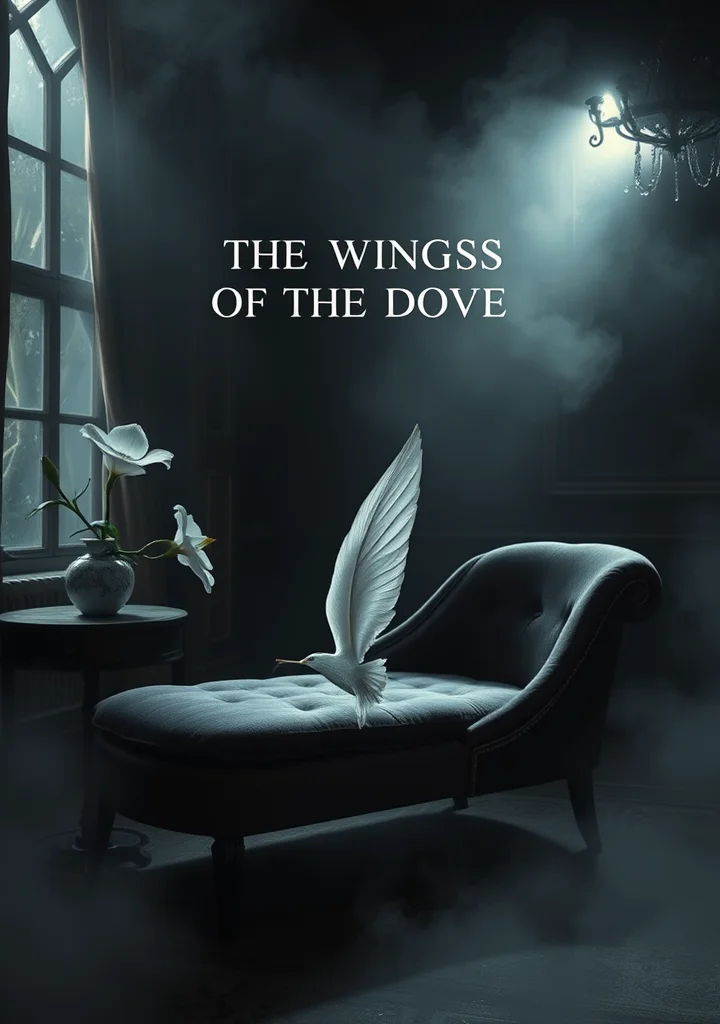
A London fog clings to the consciousness as tightly as the secrets within the Worthingtons’ decaying Mayfair townhouse. This is a story steeped in the sickly sweetness of regret, where shadows lengthen with each whispered confession and the scent of dying lilies hangs heavy in the air. The narrative coils around a dying heiress, Catherine, a creature of fragile beauty and suffocating piety, whose final days become a vortex for the desires and deceits of those orbiting her dwindling flame. A stifling domesticity breeds a desperate hunger for connection, a yearning masked by polite conversation and shadowed glances. The air vibrates with unacknowledged needs – a crippled barrister's ambition, a lovelorn doctor’s despair, a calculating suitor's cold calculation. Each character is a moth drawn to Catherine’s incandescent, yet fading, light, only to find themselves consumed by the moral rot beneath the polished veneer of their lives. The story unfolds not as a dramatic rush, but as a slow, suffocating erosion of faith, a descent into the claustrophobia of unspoken desires. The very architecture of the house feels oppressive, mirroring the constraints placed upon these characters by duty, expectation, and the weight of their own concealed longings. It is a haunting portrait of sacrifice and betrayal, where the wings of the dove – a symbol of fragile innocence – are ultimately clipped by the sharp realities of a world defined by its compromises. The narrative breathes with the damp chill of inevitability, leaving the reader immersed in the suffocating stillness of a life quietly extinguished.
13 Part
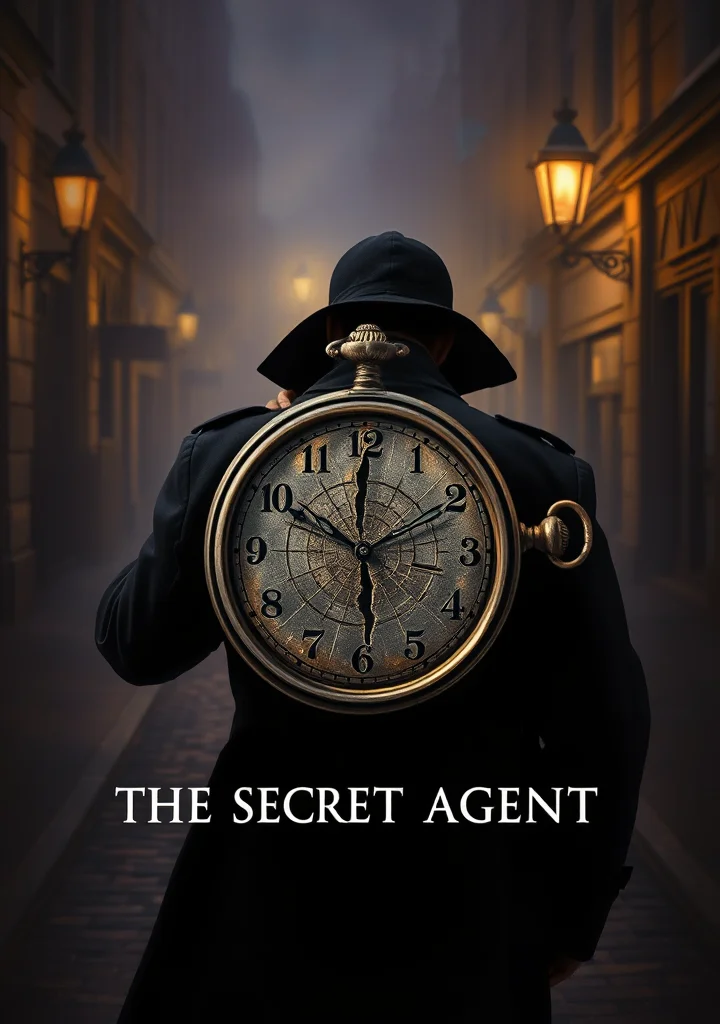
A creeping fog of moral decay clings to the damp cobblestones of 19th-century Europe, mirroring the rot within Winston Churchill’s protagonist, Marlow. Not a tale of daring exploits, but of insidious compromise, of a man hollowed by the weight of a nation’s secrets. The narrative coils like a serpent in the dim parlors of London and the shadowed cafes of Geneva, each whispered confidence a tightening noose. Marlow isn’t merely tasked with espionage; he’s consumed by it, his very identity dissolving into the guise of another’s ambition. The true horror isn’t the plot itself, but the glacial erosion of the soul. Conrad doesn’t offer spectacle, but a suffocating claustrophobia born of suspicion, the constant awareness of being observed, of being a puppet strung along threads of power. Every encounter is veiled in politeness, yet vibrates with a cold, predatory intent. The prose itself is a deliberate, slow burn, mirroring the deliberate pace of the agent’s infiltration. Expect not grand chases or explosive reveals, but the insidious bloom of disillusionment. The novel’s true darkness isn’t found in what is done, but in the casual, almost clinical acceptance of its necessity. It’s a descent into a world where honour is a currency debased by necessity, and where the very act of witnessing leaves its mark like a brand upon the heart. The air hangs heavy with the scent of stale tobacco and unspoken bargains, a chilling premonition of the century's coming shadows.