
-
Read 428
-
0
-
Part 35
Completed, First published Mar 02, 2026
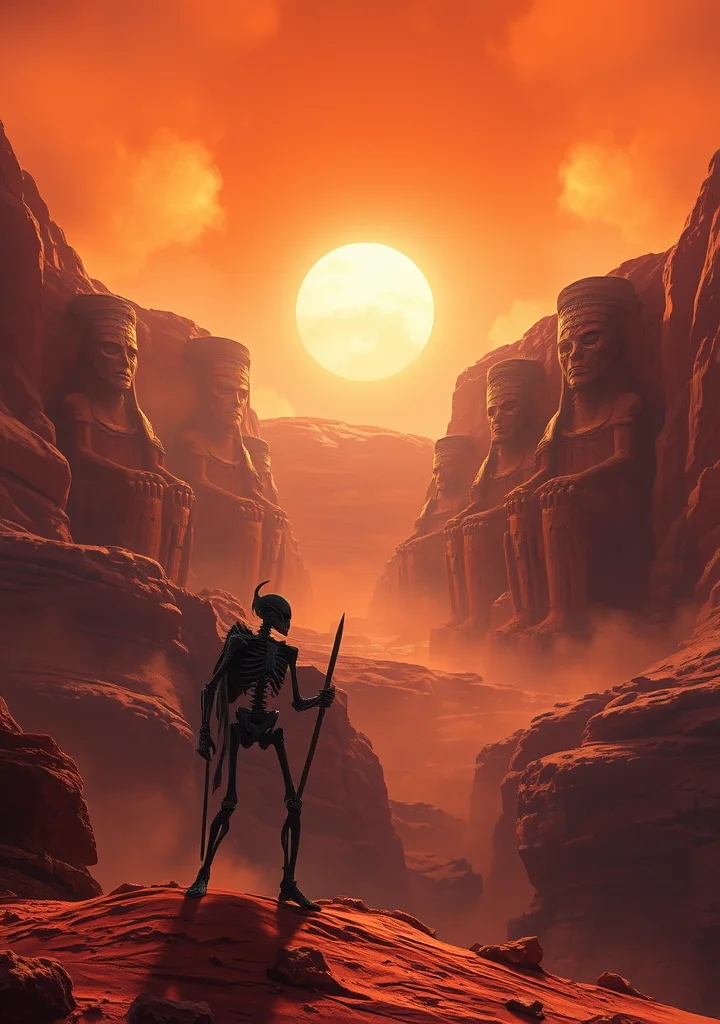
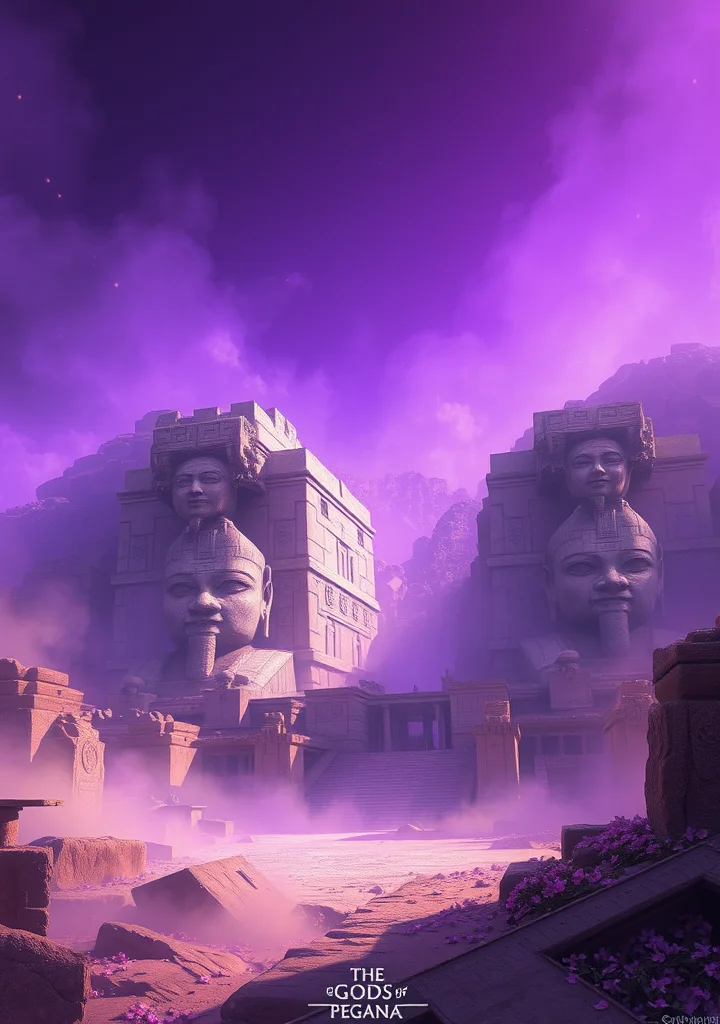
Dust motes dance in the violet light of a dying sun, illuminating a landscape sculpted by forgotten gods. Pegāna breathes—a world woven from the threads of myth and shadow, where stone idols possess a hungry sentience. Here, the borders between dream and reality dissolve into a haze of jasmine-scented decay. Each crumbling ziggurat whispers of bargains struck with entities beyond human comprehension, bargains paid in the currency of fading memory and stolen lifetimes. The air hangs heavy with the scent of incense and regret, clinging to the crumbling palaces of the god-kings. A creeping dread permeates the jade-colored jungles, where the remnants of civilizations devoured by their own divinities lie mouldering. The narrative unfolds as a slow erosion of the veil—a descent into a labyrinth of ancient, petrified sorrow—where the very stones weep for a glory lost to the encroaching, formless voids between stars. The weight of eternity presses down on every crumbling archway, a silence broken only by the rustle of unseen wings and the echoing lament of those who dared to gaze upon faces carved from the heart of night. It is a land haunted not by ghosts, but by the absence of hope, where even the shadows bear teeth.
Copyright: Public Domain
This license allows anyone to use your story for any purpose, including printing, selling, or adapting it into a film freely.
This license allows anyone to use your story for any purpose, including printing, selling, or adapting it into a film freely.
Chapter List
-
« The Gods of Pegāna »📖 Continue Reading
-
« Chapter_3 »
-
« Preface »
-
« The Gods of Pegāna »
-
« Introduction »
-
« Of Skarl the Drummer »
-
« Of the Making of the Worlds »
-
« Of the Game of the Gods »
-
« The Chaunt of the Gods »
-
« The Sayings of Kib »
-
« Concerning Sish »
-
« The Sayings of Slid »
-
« The Deeds of Mung »
-
« The Chaunt of the Priests »
-
« The Sayings of Limpang-Tung »
-
« Of Yoharneth-Lahai »
-
« Of Roon, the God of Going »
-
« The Revolt of the Home Gods »
-
« Of Dorozhand »
-
« The Eye in the Waste »
-
« Of the Thing That Is Neither God nor Beast »
-
« Yonath the Prophet »
-
« Yug the Prophet »
-
« Alhireth-Hotep the Prophet »
-
« Kabok the Prophet »
-
« Of the Calamity That Befell Yūn-Ilāra by the Sea, and of the Building of the Tower of the Ending of Days »
-
« Of How the Gods Whelmed Sidith »
-
« Of How Imbaun Became High Prophet in Aradec of All the Gods Save One »
-
« Of How Imbaun Met Zodrak »
-
« Pegāna »
-
« The Sayings of Imbaun »
-
« Of How Imbaun Spake of Death to the King »
-
« Of Ood »
-
« The River »
-
« The Bird of Doom and the End »
35
-
« The Gods of Pegāna »
-
« Chapter_3 »
-
« Preface »
-
« The Gods of Pegāna »
-
« Introduction »
-
« Of Skarl the Drummer »
-
« Of the Making of the Worlds »
-
« Of the Game of the Gods »
-
« The Chaunt of the Gods »
-
« The Sayings of Kib »
-
« Concerning Sish »
-
« The Sayings of Slid »
-
« The Deeds of Mung »
-
« The Chaunt of the Priests »
-
« The Sayings of Limpang-Tung »
-
« Of Yoharneth-Lahai »
-
« Of Roon, the God of Going »
-
« The Revolt of the Home Gods »
-
« Of Dorozhand »
-
« The Eye in the Waste »
-
« Of the Thing That Is Neither God nor Beast »
-
« Yonath the Prophet »
-
« Yug the Prophet »
-
« Alhireth-Hotep the Prophet »
-
« Kabok the Prophet »
-
« Of the Calamity That Befell Yūn-Ilāra by the Sea, and of the Building of the Tower of the Ending of Days »
-
« Of How the Gods Whelmed Sidith »
-
« Of How Imbaun Became High Prophet in Aradec of All the Gods Save One »
-
« Of How Imbaun Met Zodrak »
-
« Pegāna »
-
« The Sayings of Imbaun »
-
« Of How Imbaun Spake of Death to the King »
-
« Of Ood »
-
« The River »
-
« The Bird of Doom and the End »
More like this