
-
Read 294
-
0
-
Part 44
Completed, First published Mar 02, 2026
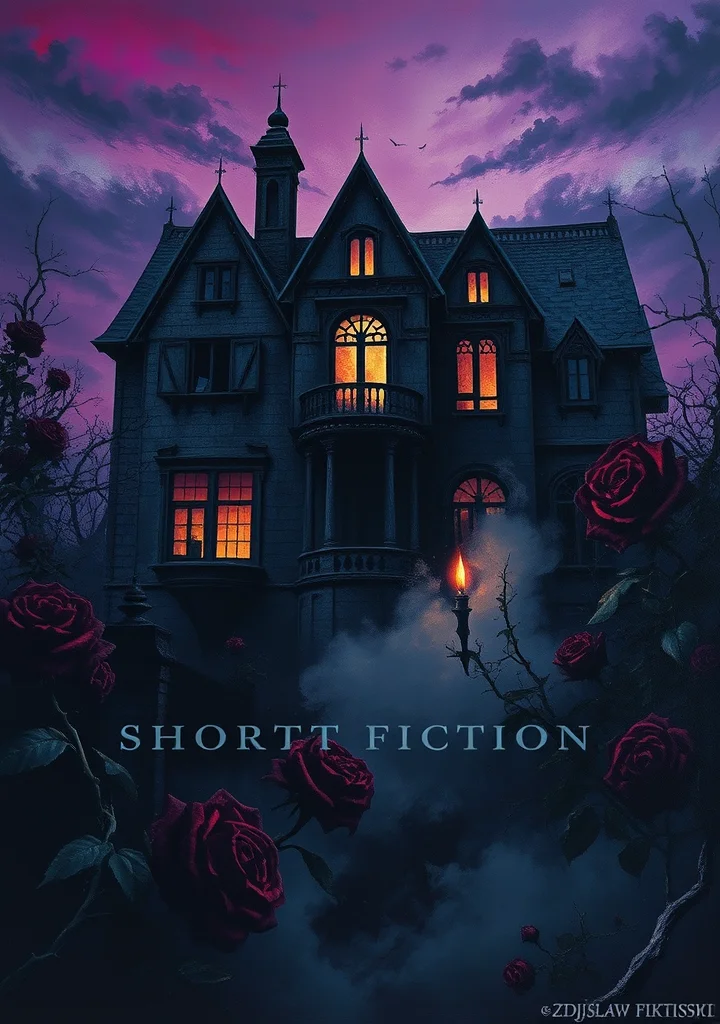
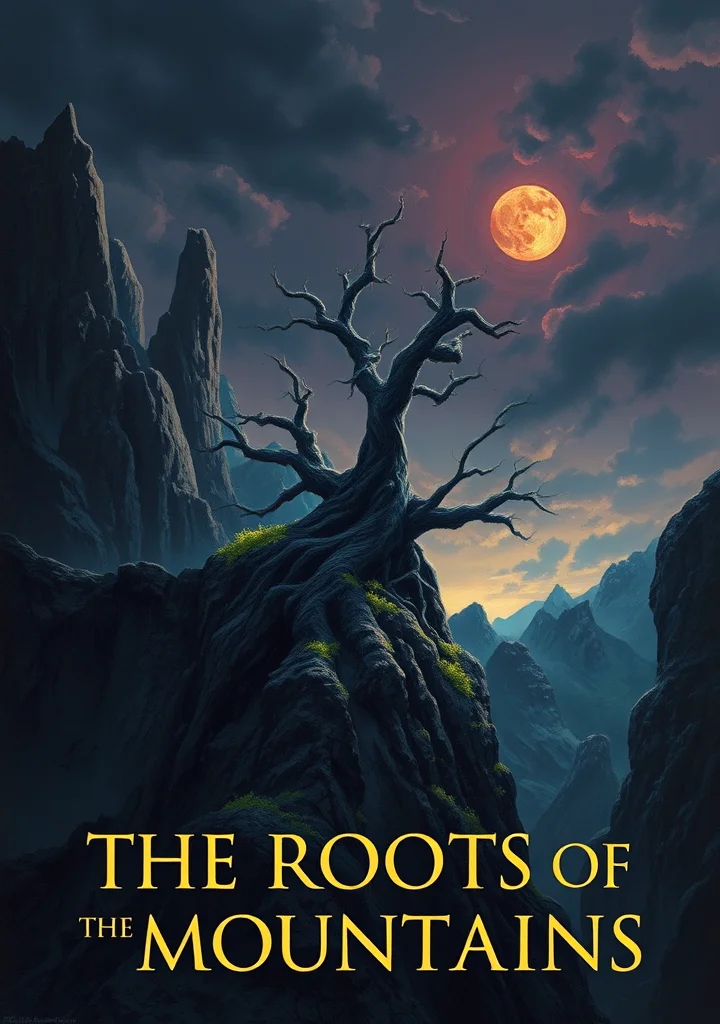
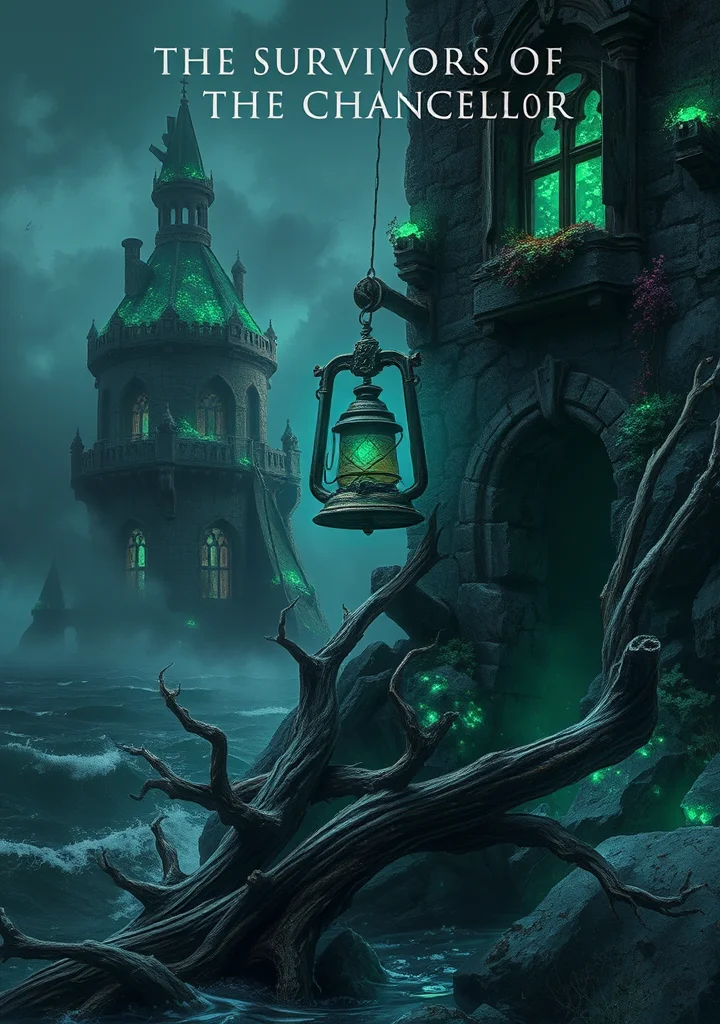
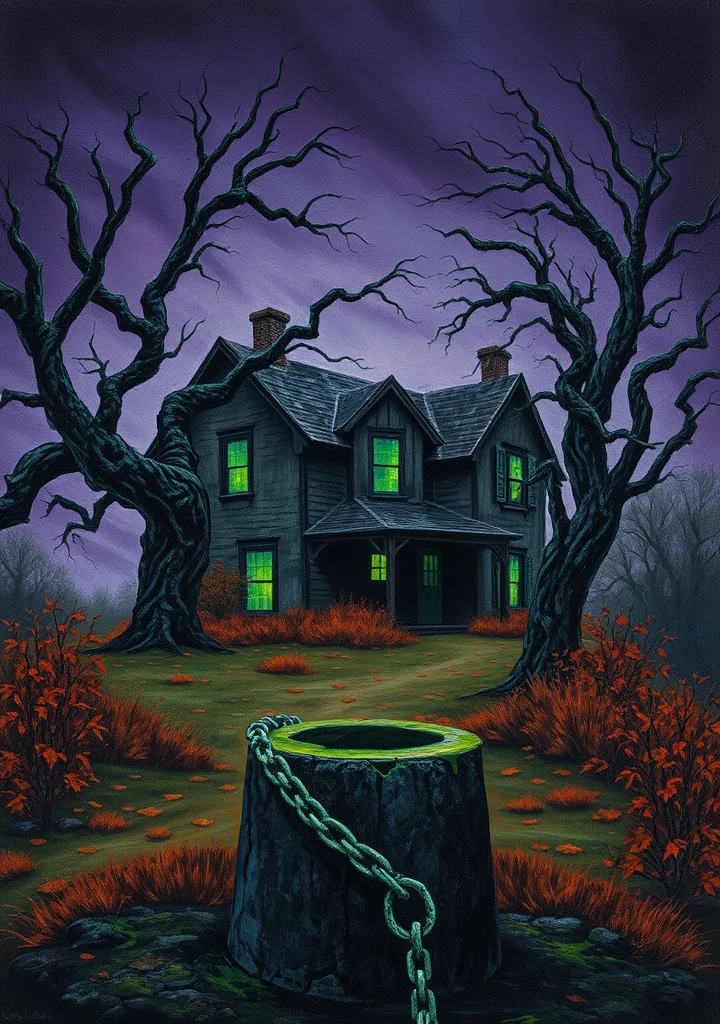
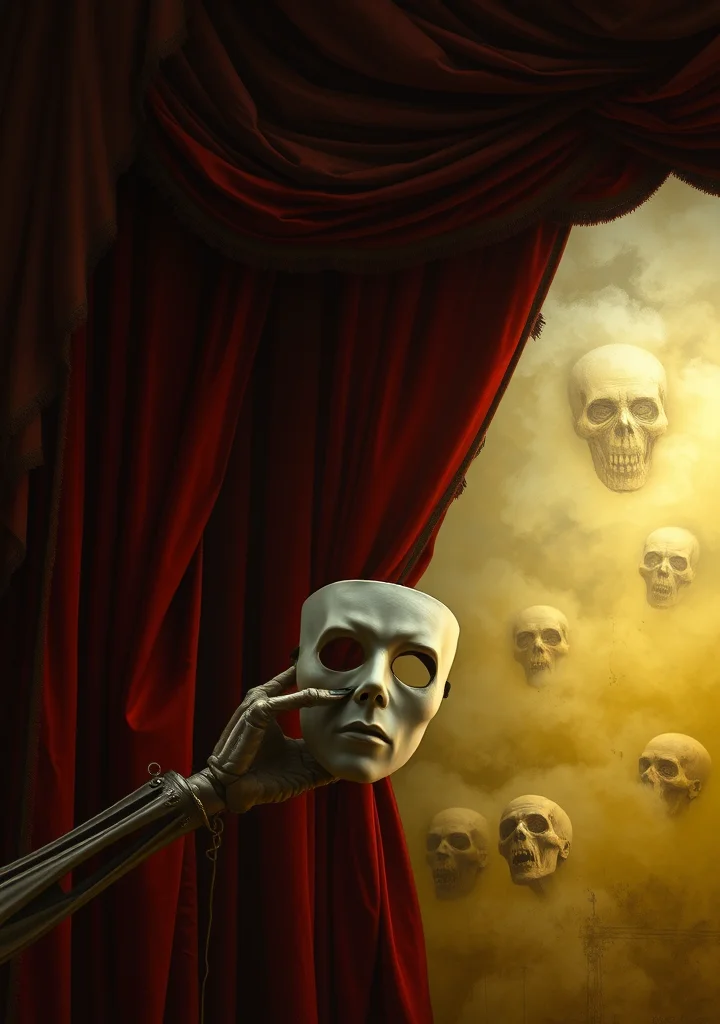
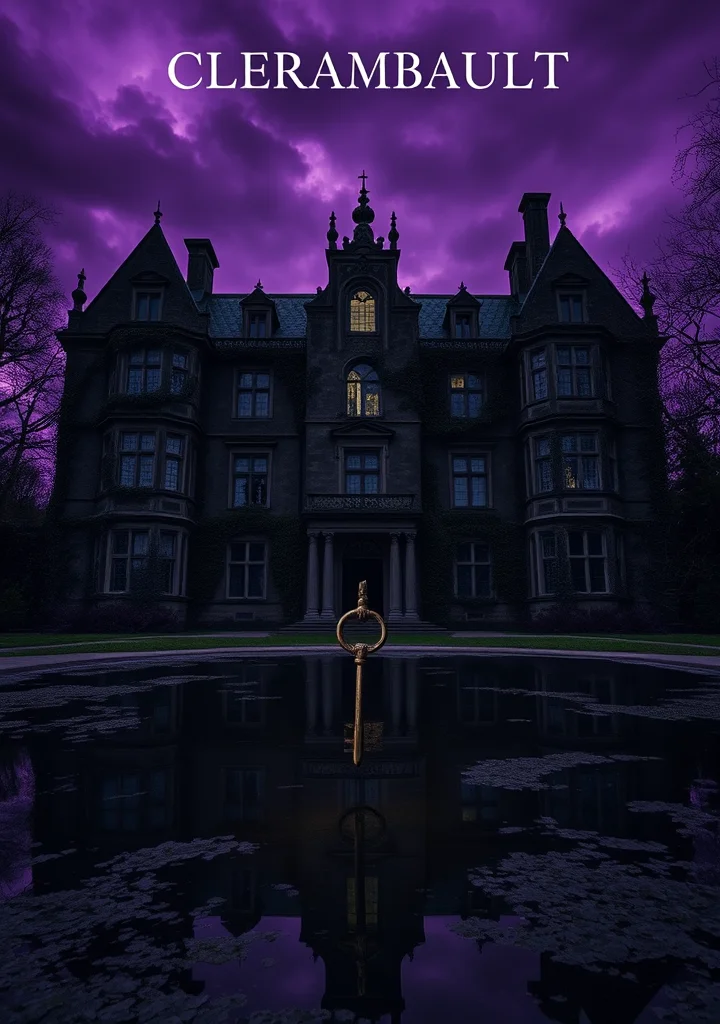
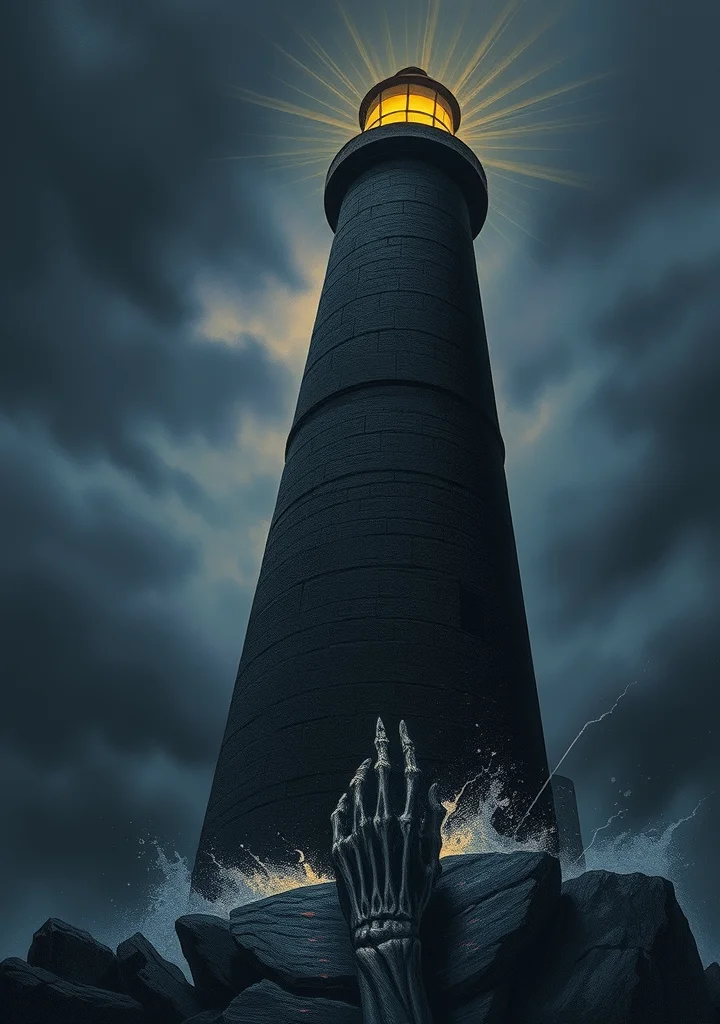
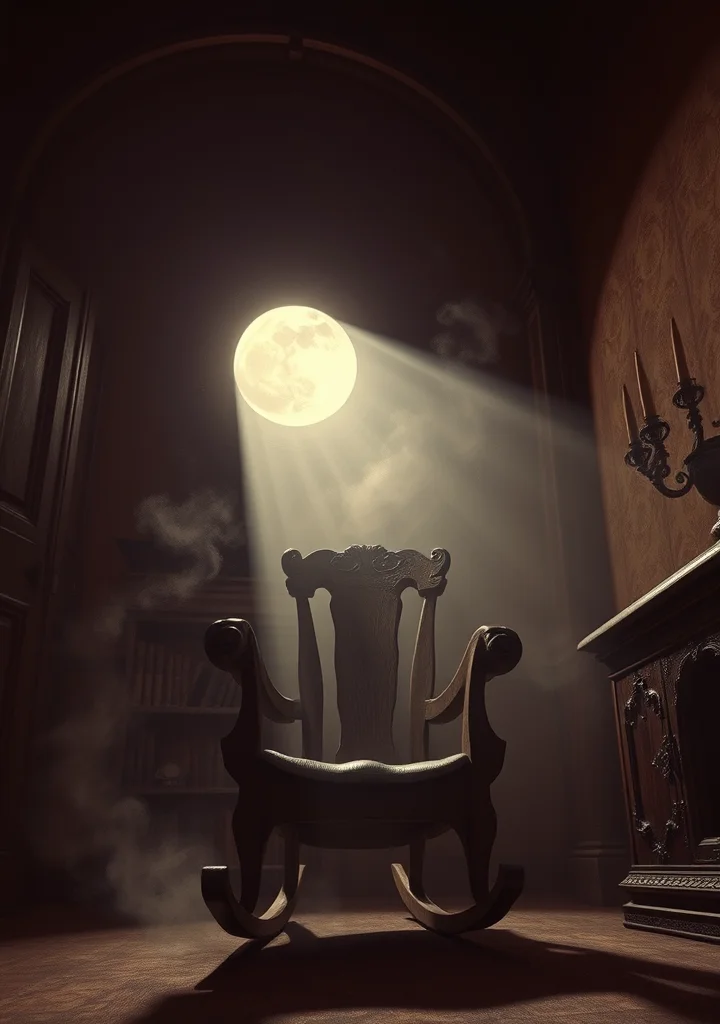
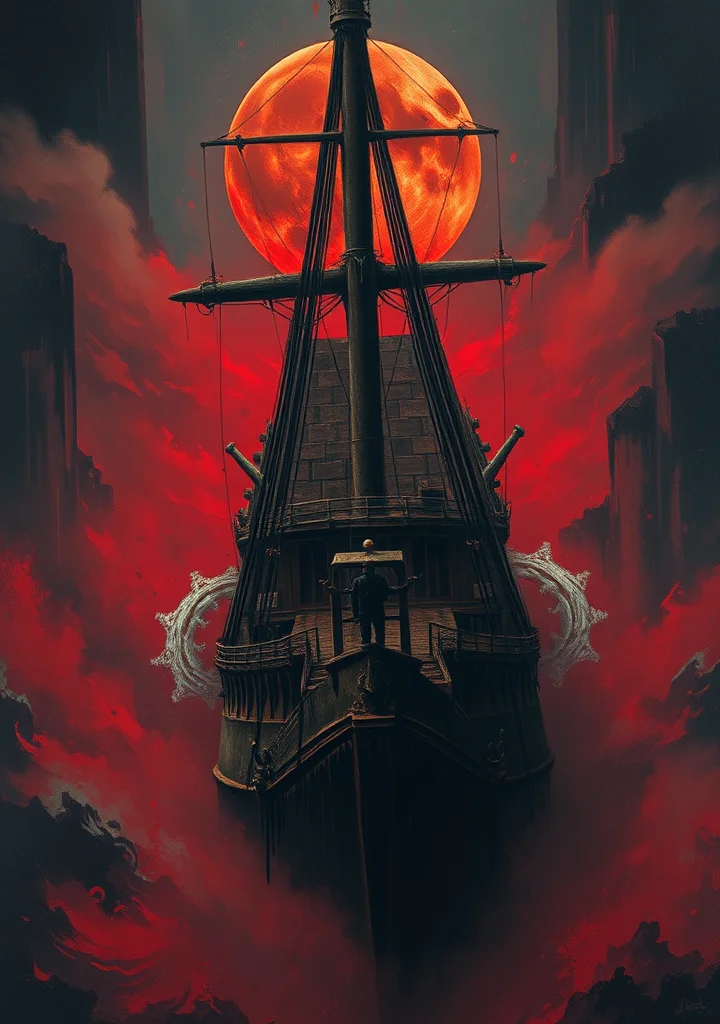
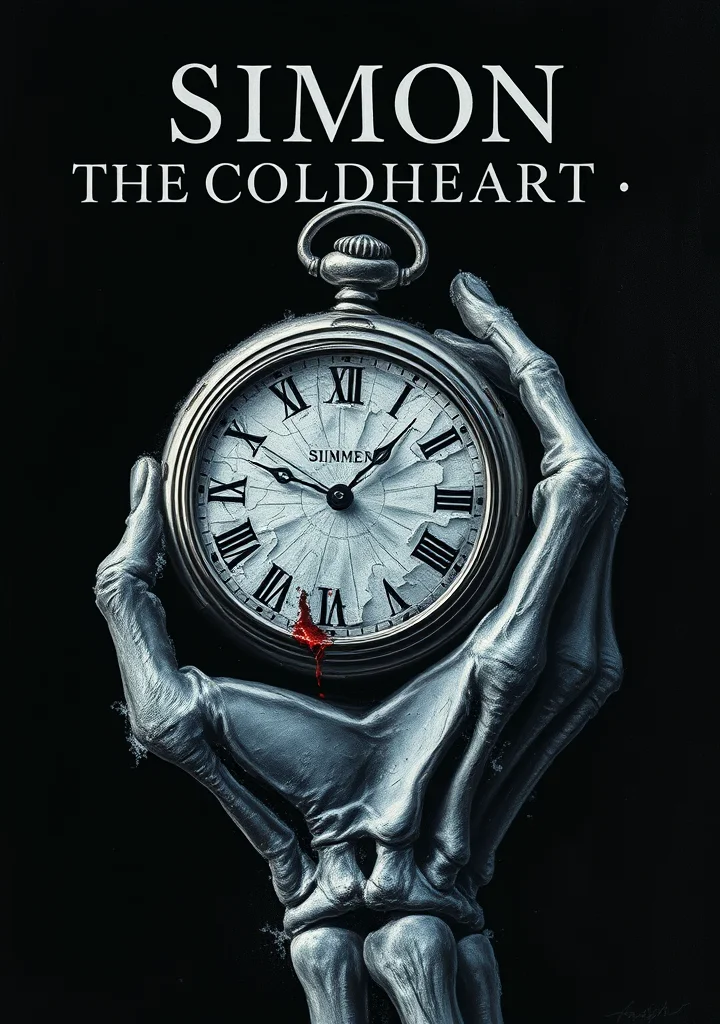
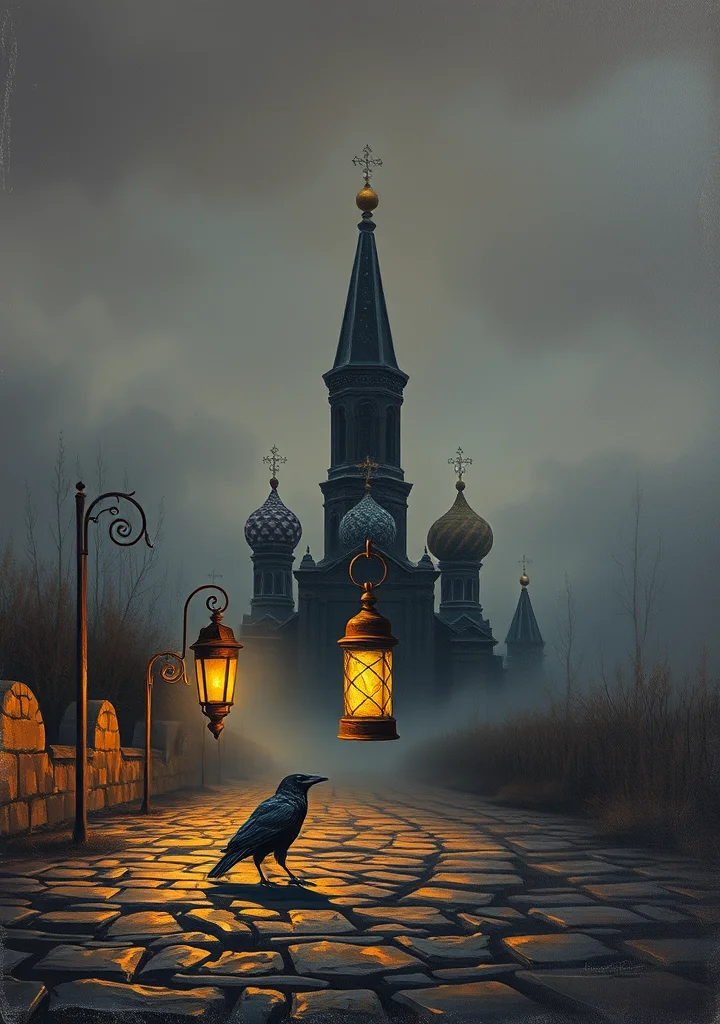
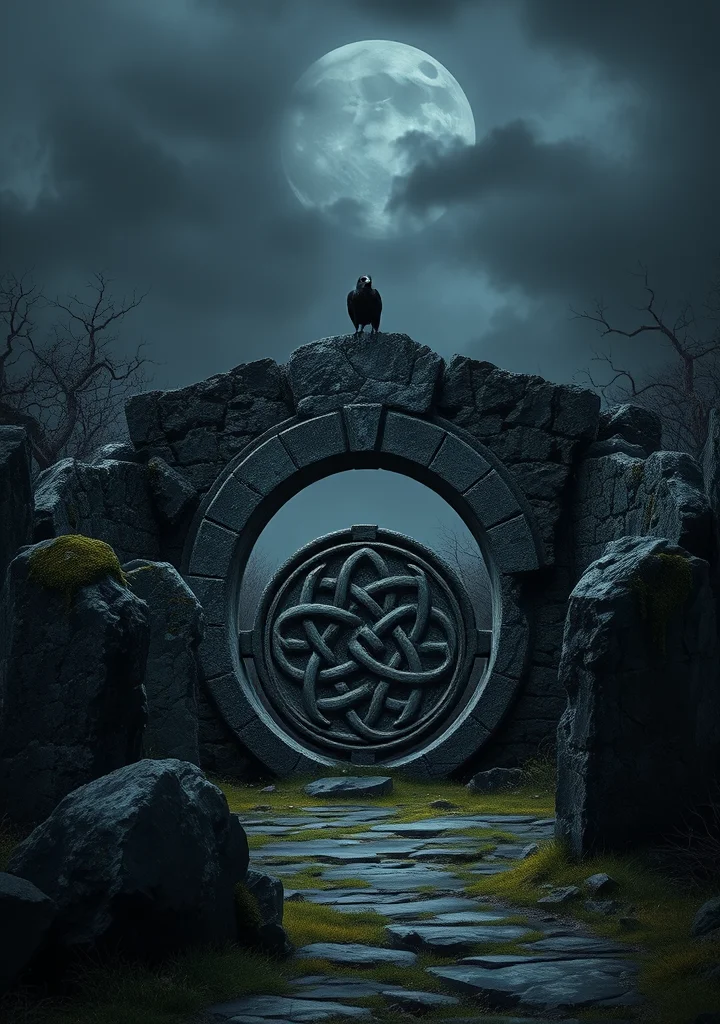
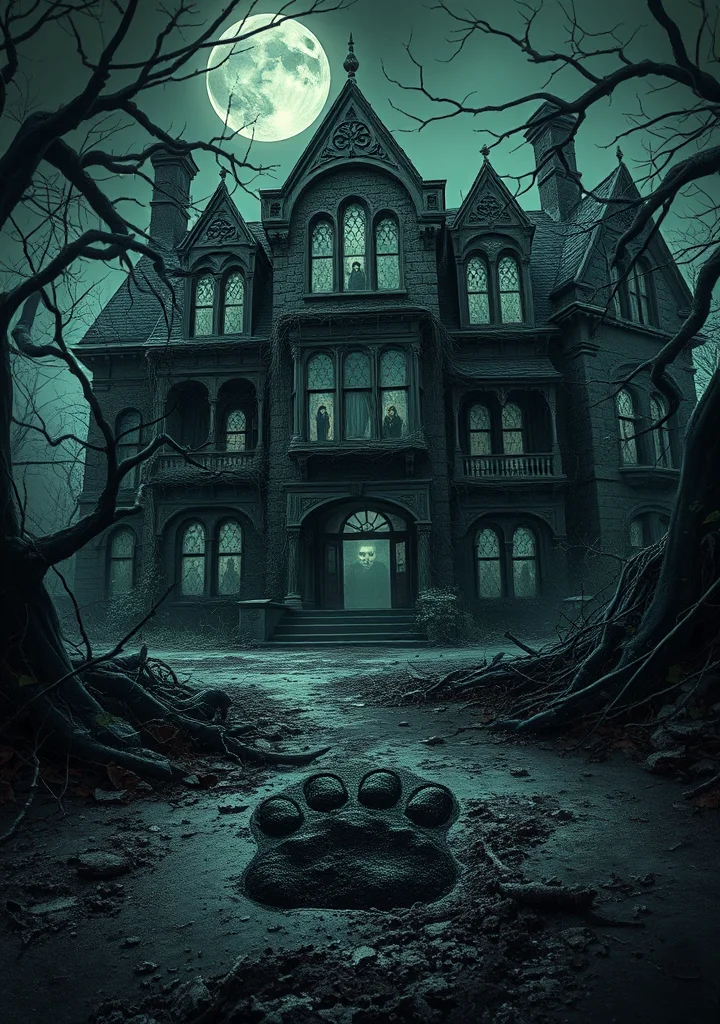
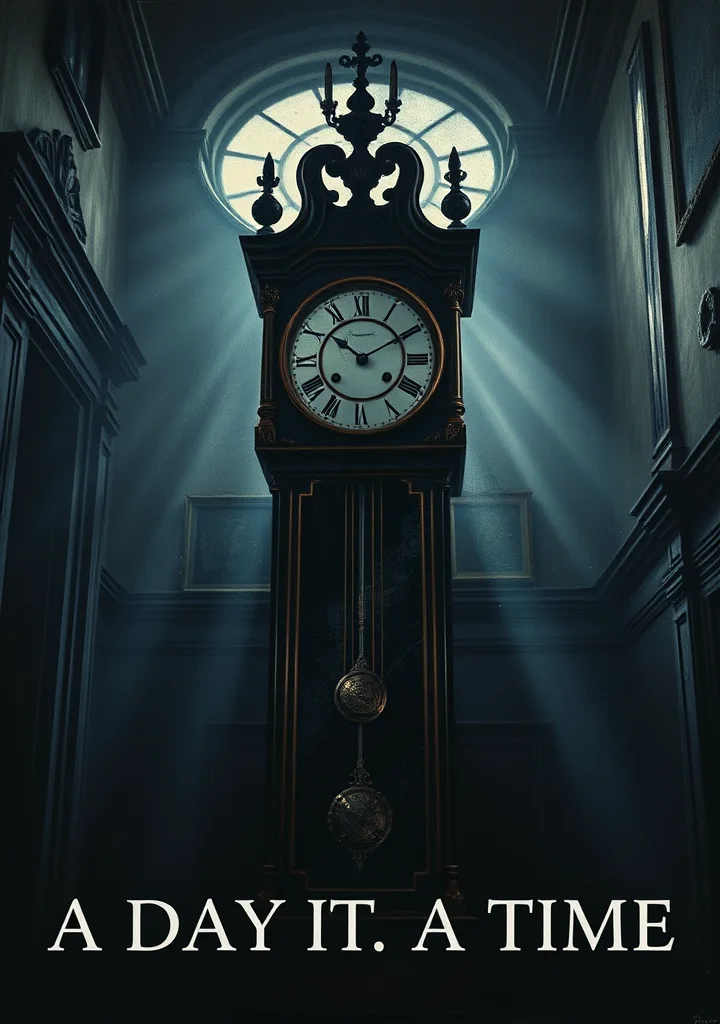
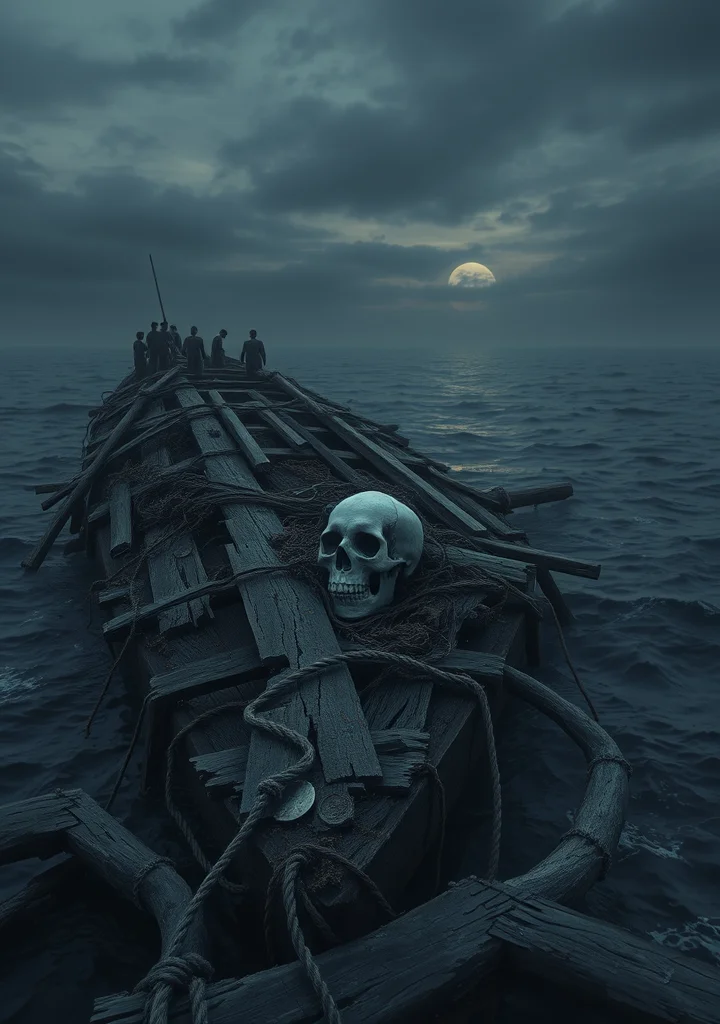
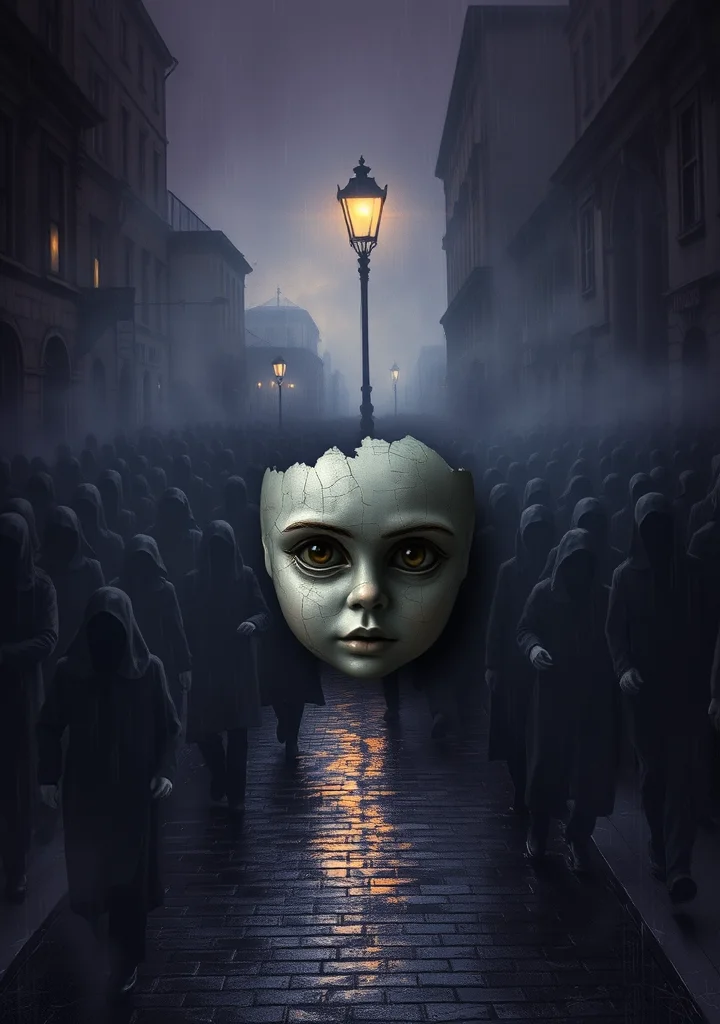
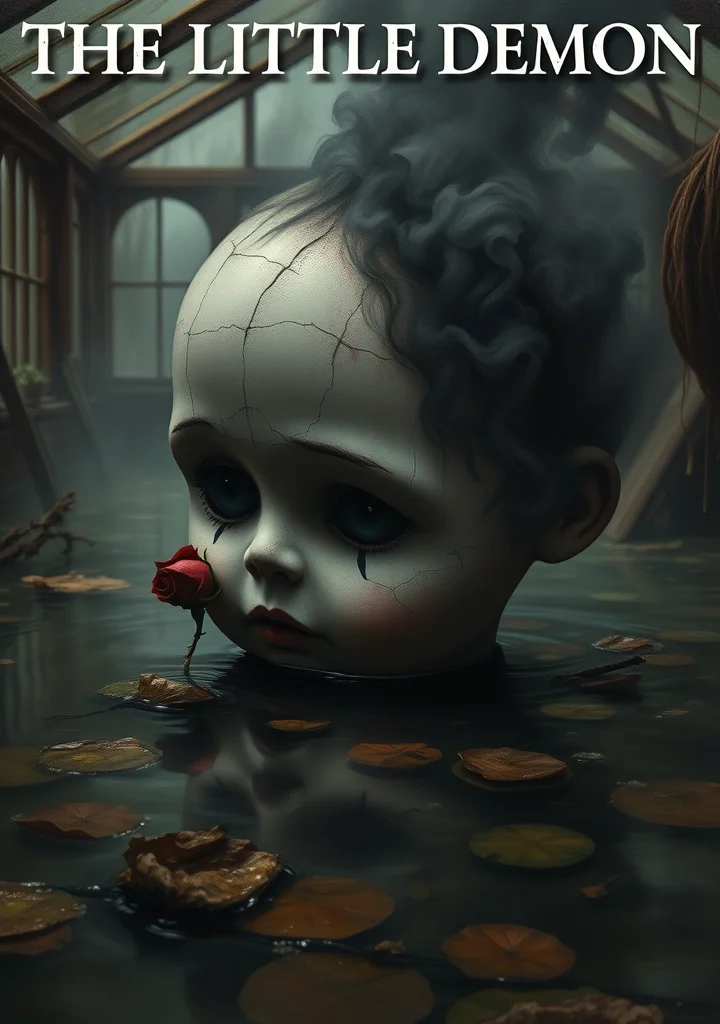
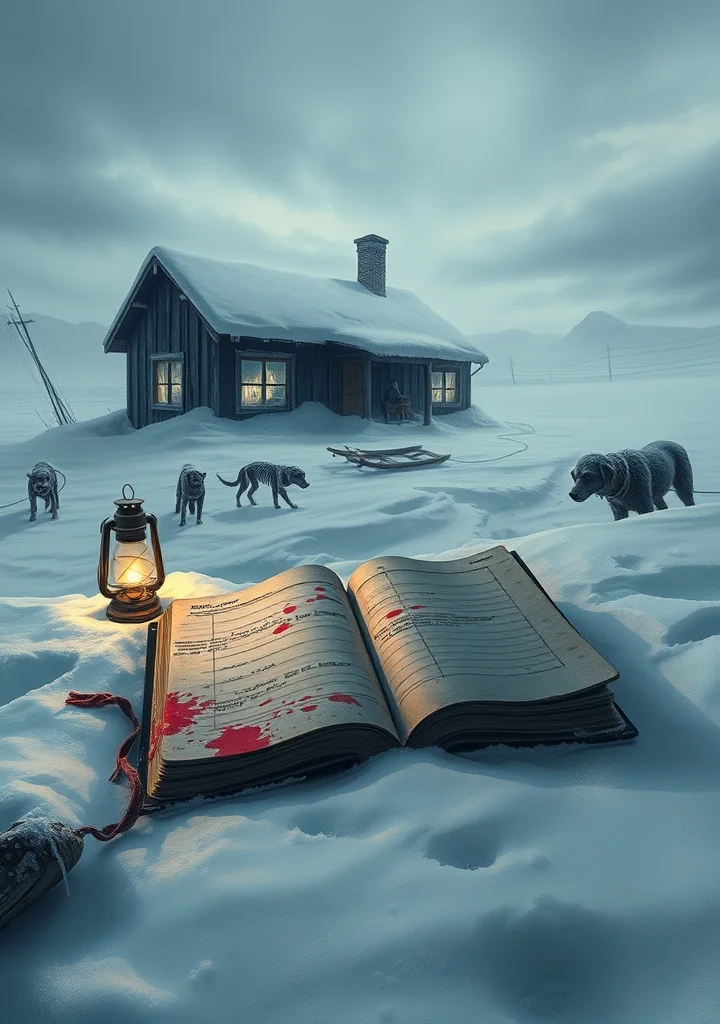
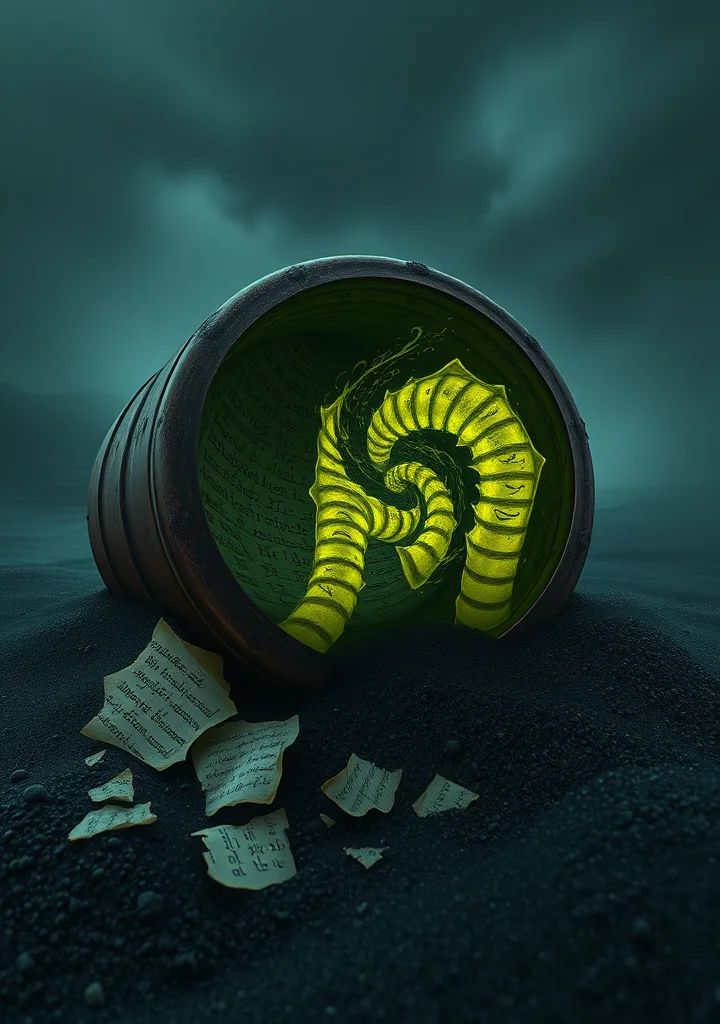
A creeping dread clings to these tales, born from shadows and whispered anxieties. Kuttner doesn’t deal in grand horrors, but in the rot beneath the veneer of normalcy. Each story feels less like a narrative unearthed and more like a shard of nightmare pressed into the flesh. The settings are familiar—dust-choked attics, forgotten seaside towns, the stifling quiet of a boarding house—yet warped by a subtle, pervasive wrongness. Characters stumble into half-remembered histories, haunted by objects that seem to pulse with a malevolent awareness. A sense of decay permeates everything, not just of stone and wood, but of the mind itself, fracturing under the weight of unspoken fears. The prose is deceptively simple, a slow poison that seeps into the bone, leaving you not with a scream, but with the chilling certainty of something *observed* from just beyond your periphery. These aren’t stories of monsters, but of the things that become monsters *within* us, stirred by loneliness and the echoing silence of things left too long undisturbed. The air is thick with the scent of moth-eaten velvet and regret, and the final, lingering impression is of a darkness that isn’t merely found, but *invited* in.
Copyright: Public Domain
This license allows anyone to use your story for any purpose, including printing, selling, or adapting it into a film freely.
This license allows anyone to use your story for any purpose, including printing, selling, or adapting it into a film freely.
Chapter List
-
« Short Fiction »📖 Continue Reading
-
« The Secret of Kralitz »
-
« The Crystal Circe »
-
« Prologue »
-
« I »
-
« II »
-
« III »
-
« IV »
-
« V »
-
« Epilogue »
-
« War-Gods of the Void »
-
« I »
-
« II »
-
« III »
-
« IV »
-
« V »
-
« Thunder in the Void »
-
« Foreword »
-
« I »
-
« II »
-
« III »
-
« IV »
-
« Crypt-City of the Deathless One »
-
« I »
-
« II »
-
« III »
-
« IV »
-
« V »
-
« VI »
-
« VII »
-
« VIII »
-
« The Eyes of Thar »
-
« What Hath Me? »
-
« I »
-
« II »
-
« III »
-
« IV »
-
« Dream’s End »
-
« Don’t Look Now »
-
« The Ego Machine »
-
« I »
-
« II »
-
« III »
-
« Where the World Is Quiet »
44
-
« Short Fiction »
-
« The Secret of Kralitz »
-
« The Crystal Circe »
-
« Prologue »
-
« I »
-
« II »
-
« III »
-
« IV »
-
« V »
-
« Epilogue »
-
« War-Gods of the Void »
-
« I »
-
« II »
-
« III »
-
« IV »
-
« V »
-
« Thunder in the Void »
-
« Foreword »
-
« I »
-
« II »
-
« III »
-
« IV »
-
« Crypt-City of the Deathless One »
-
« I »
-
« II »
-
« III »
-
« IV »
-
« V »
-
« VI »
-
« VII »
-
« VIII »
-
« The Eyes of Thar »
-
« What Hath Me? »
-
« I »
-
« II »
-
« III »
-
« IV »
-
« Dream’s End »
-
« Don’t Look Now »
-
« The Ego Machine »
-
« I »
-
« II »
-
« III »
-
« Where the World Is Quiet »
More like this