
-
Read 442
-
0
-
Part 30
Completed, First published Mar 02, 2026
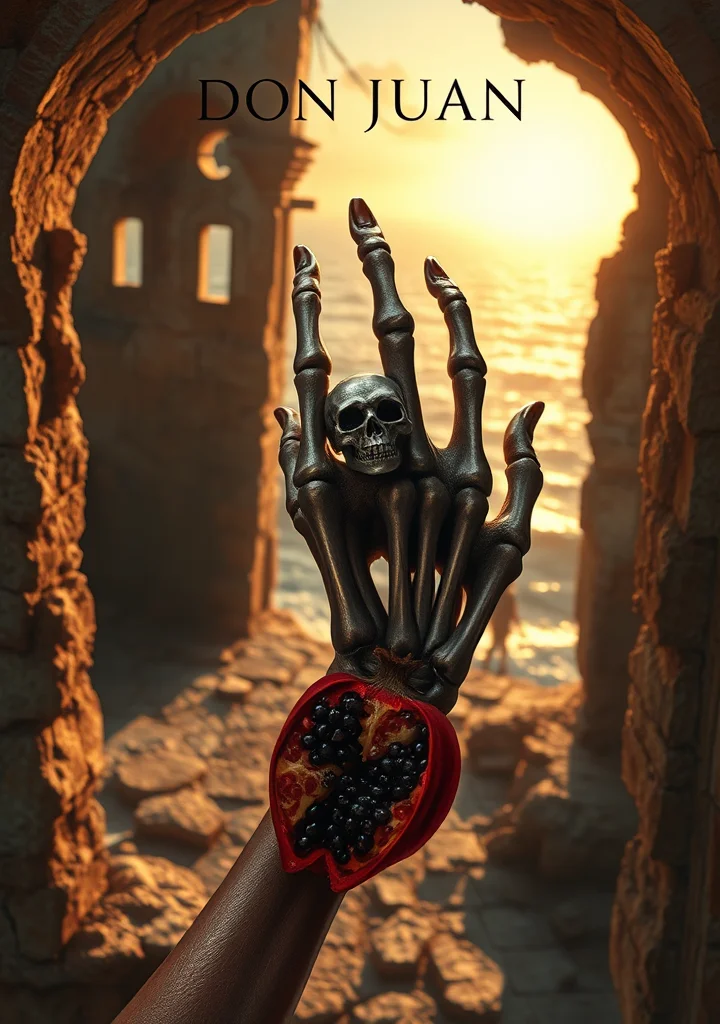
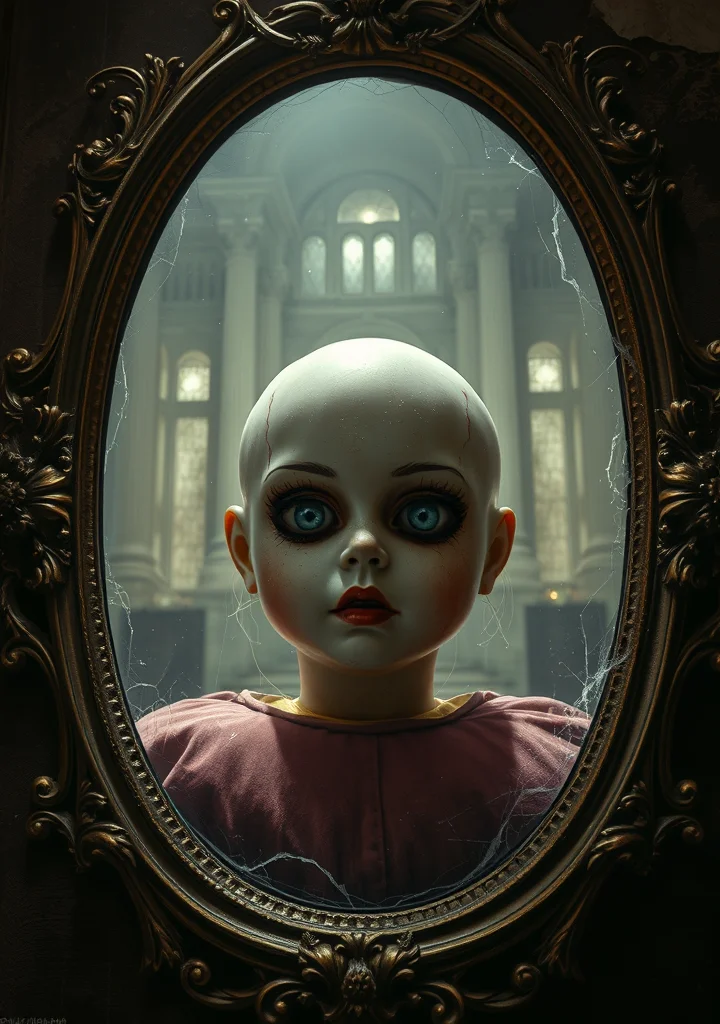
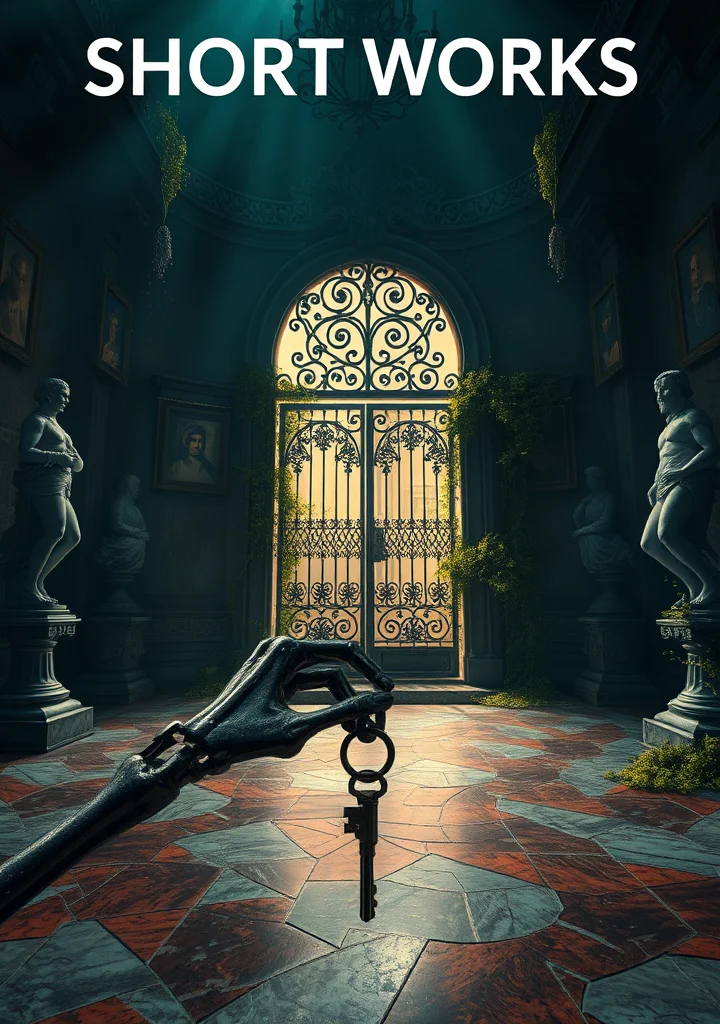
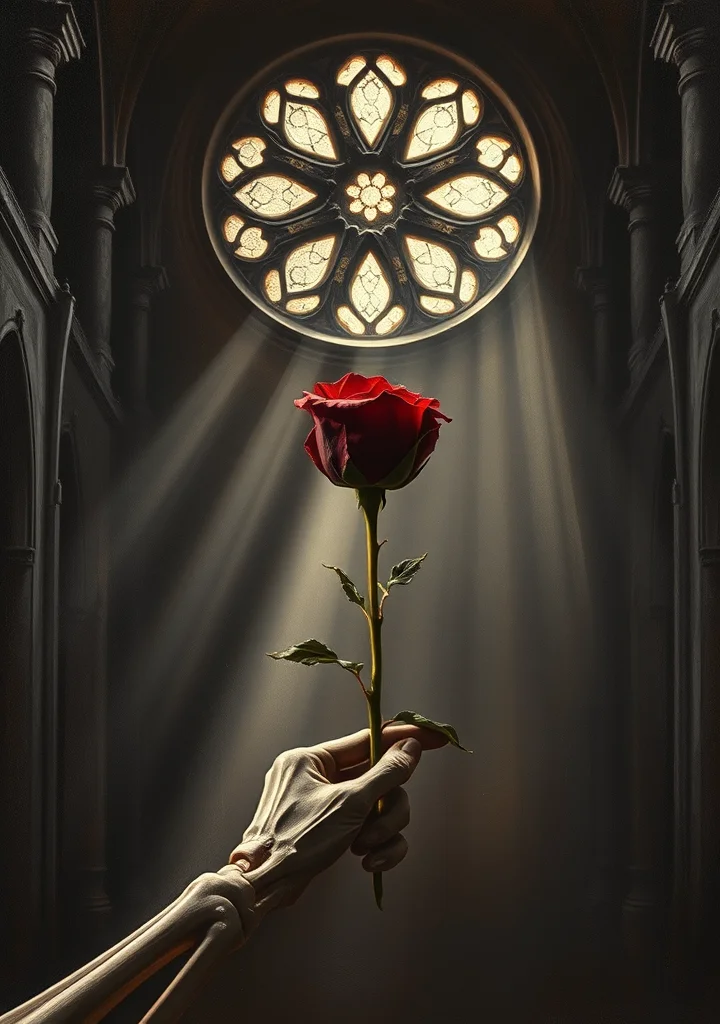
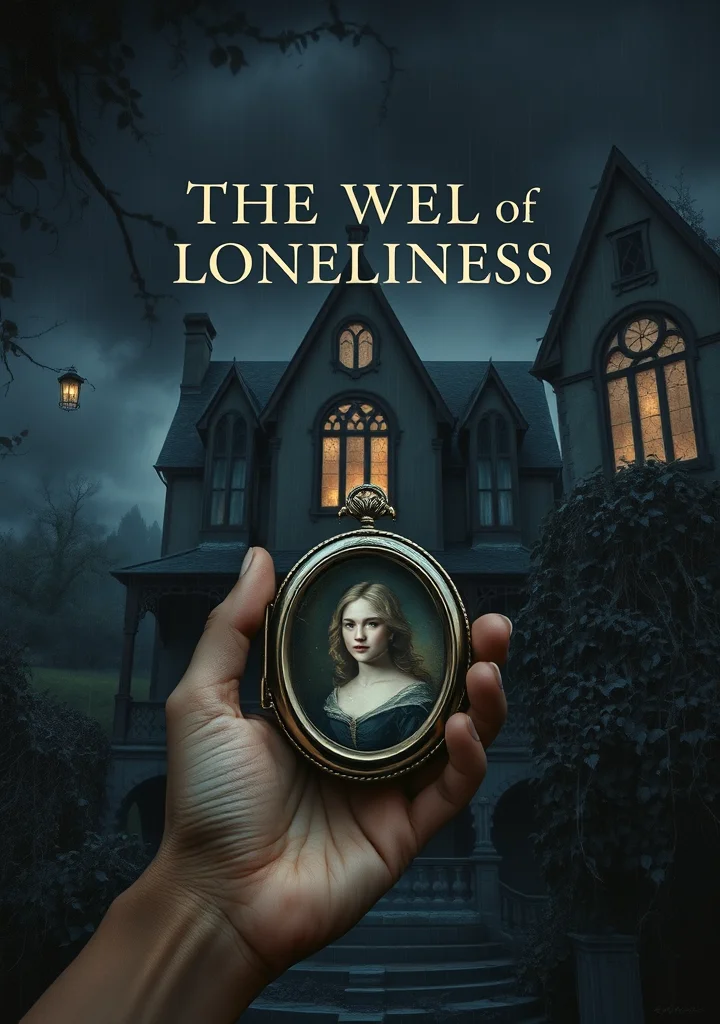
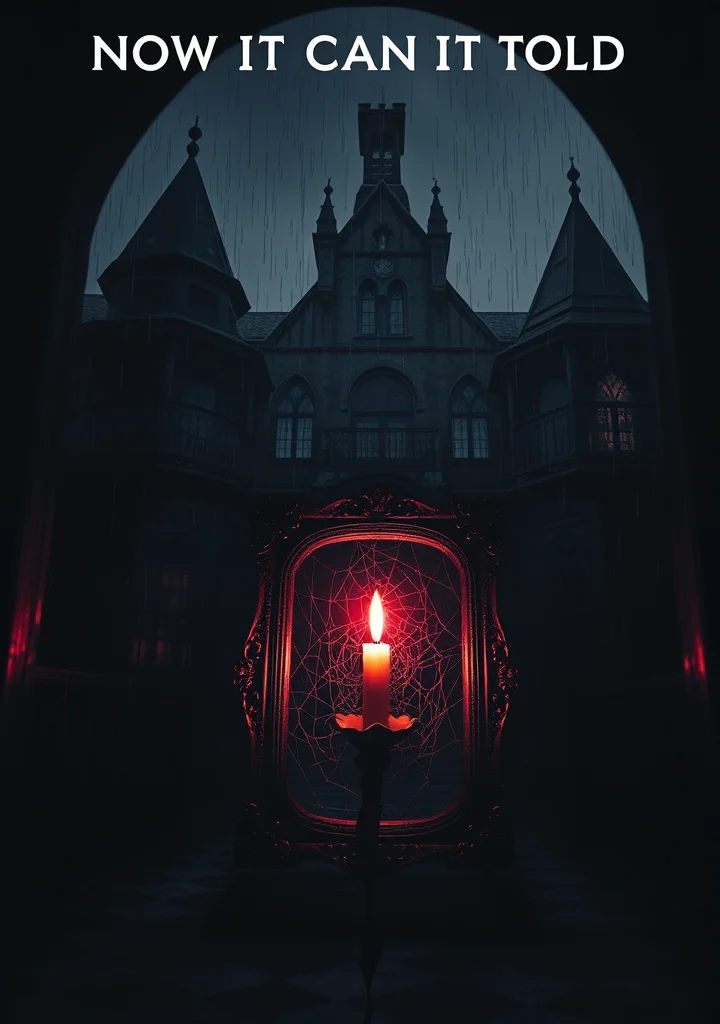
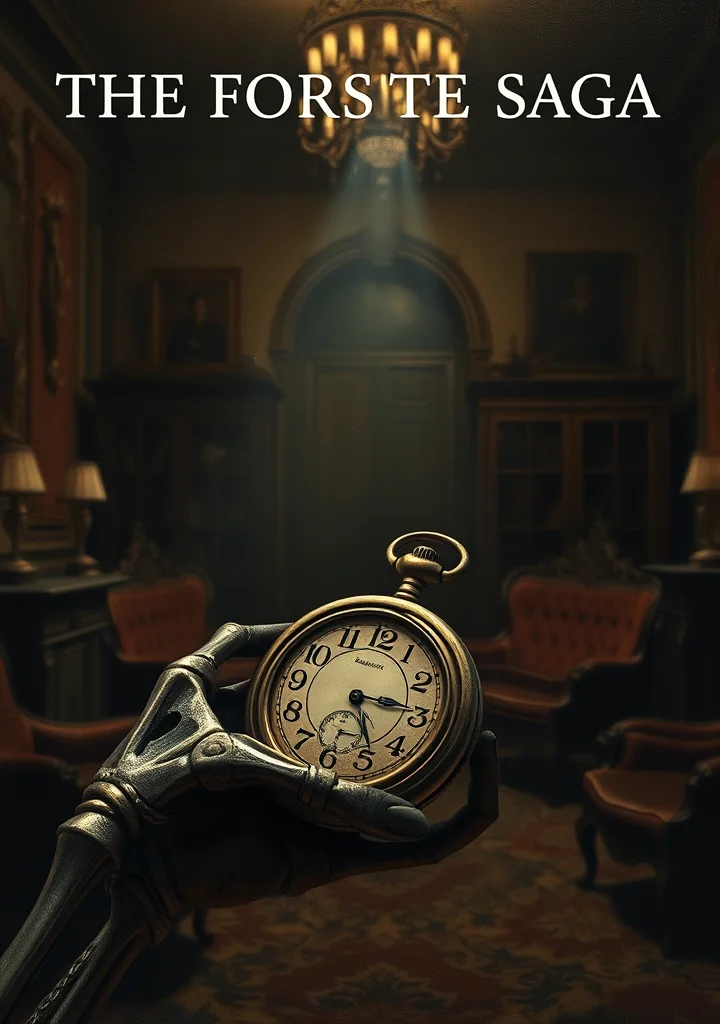
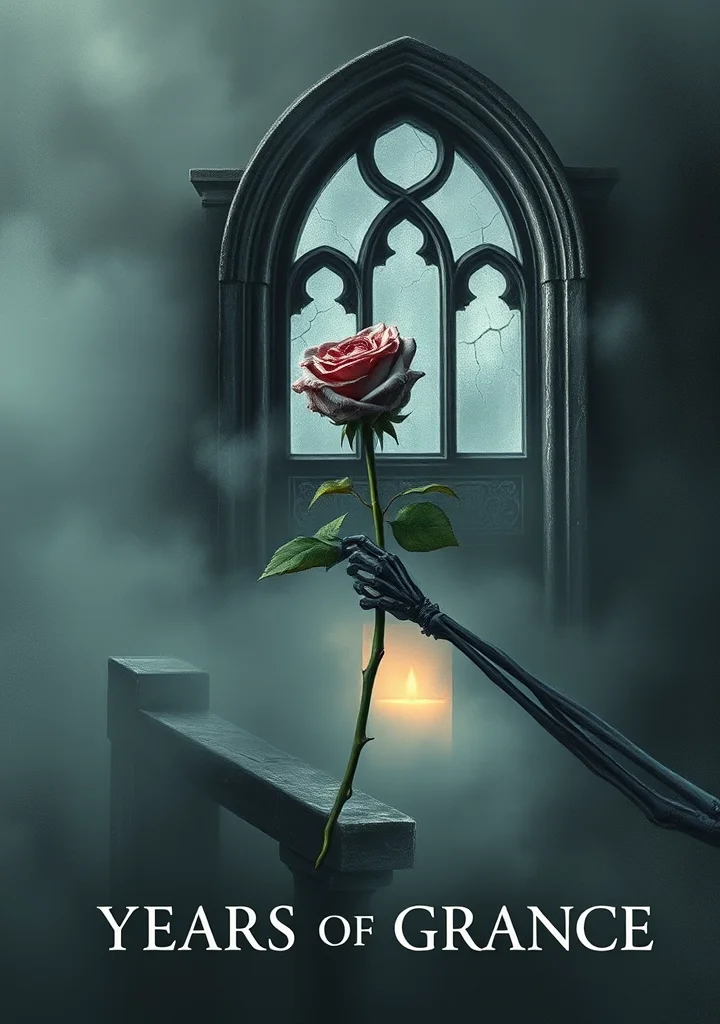
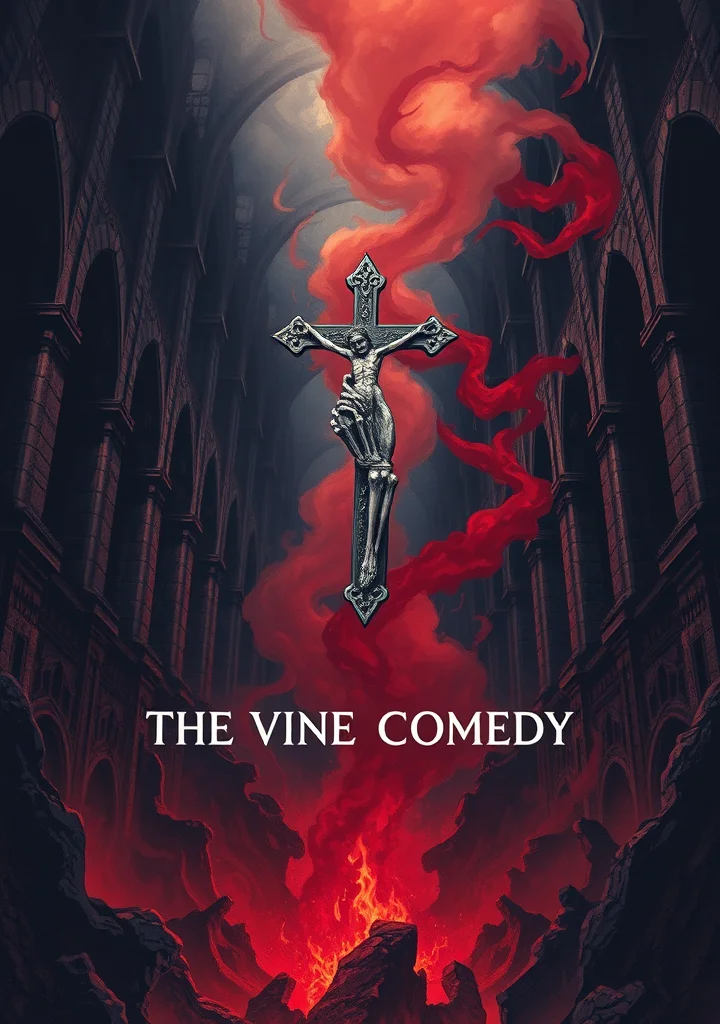
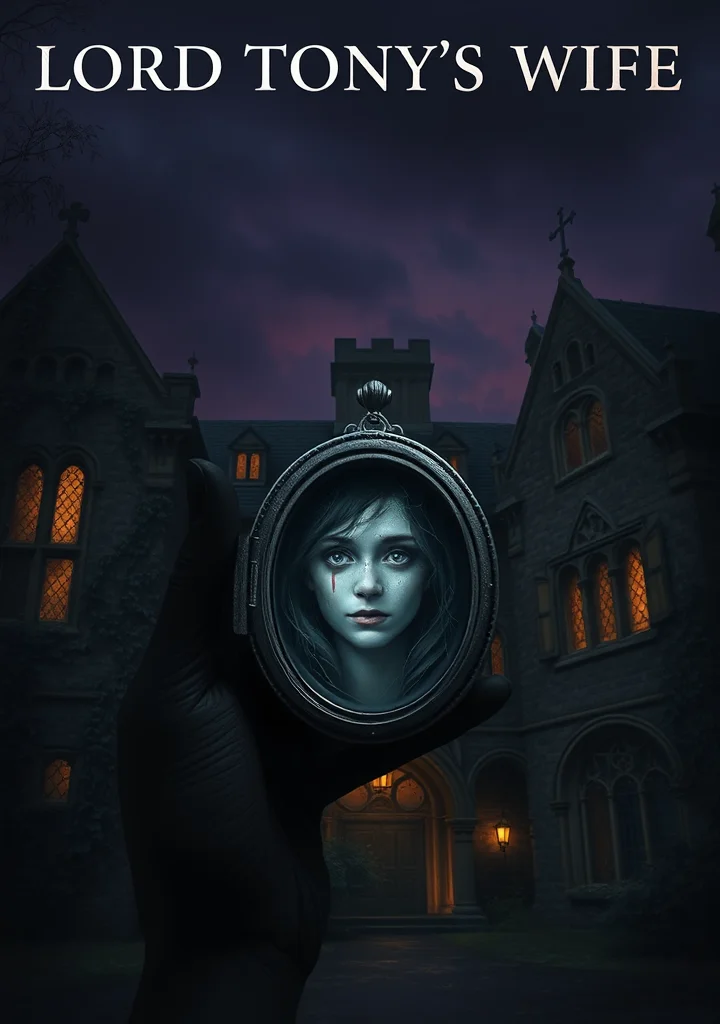
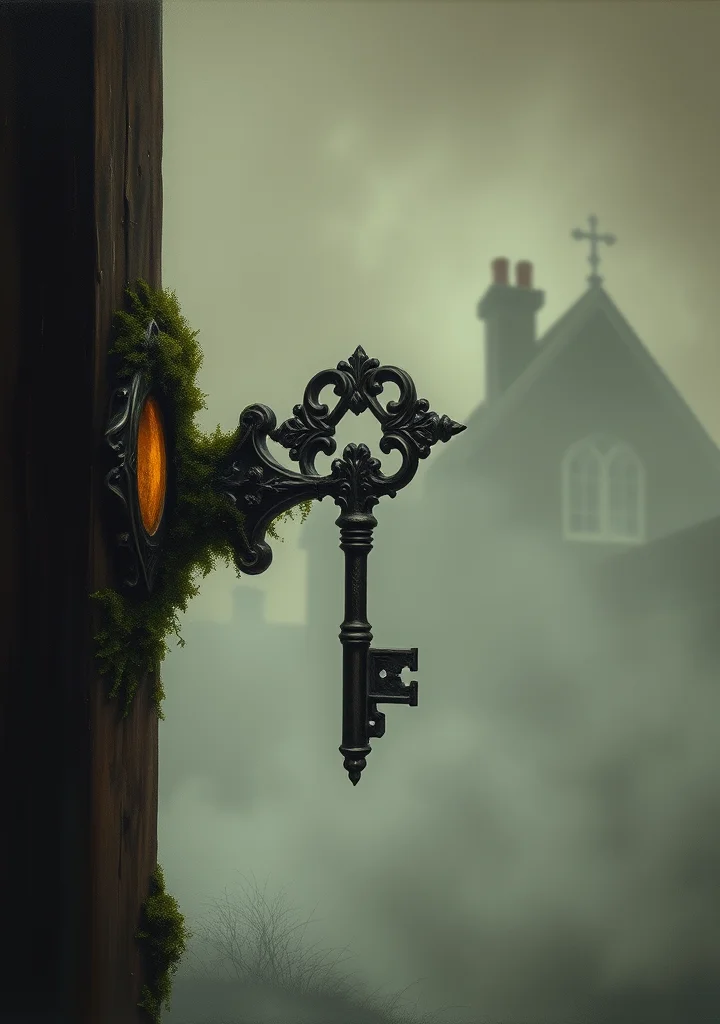
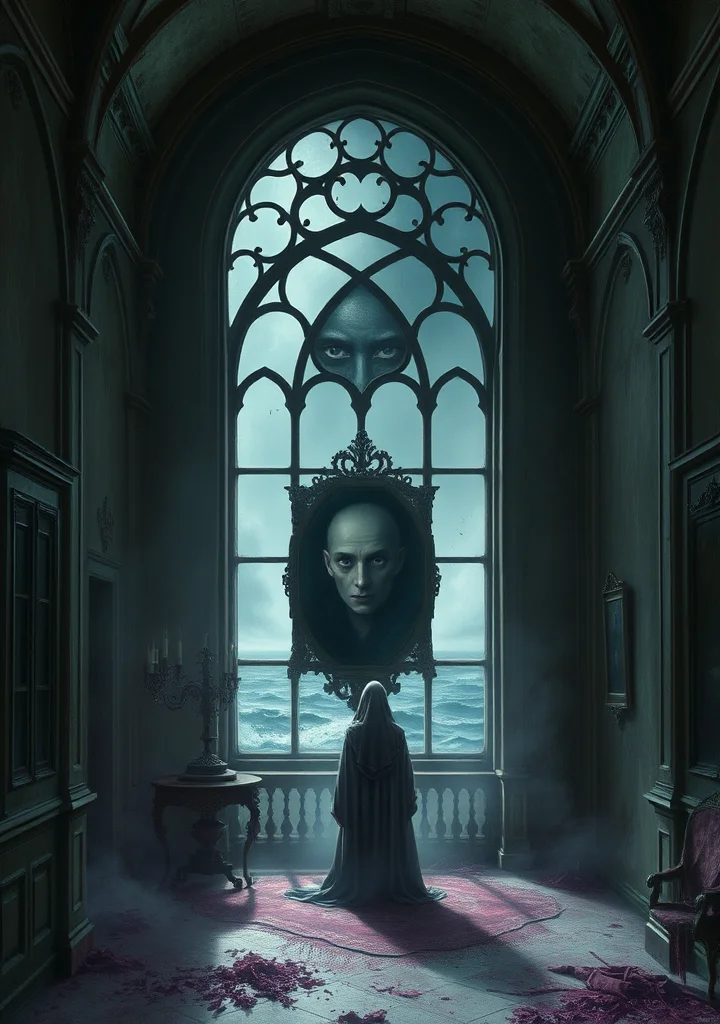
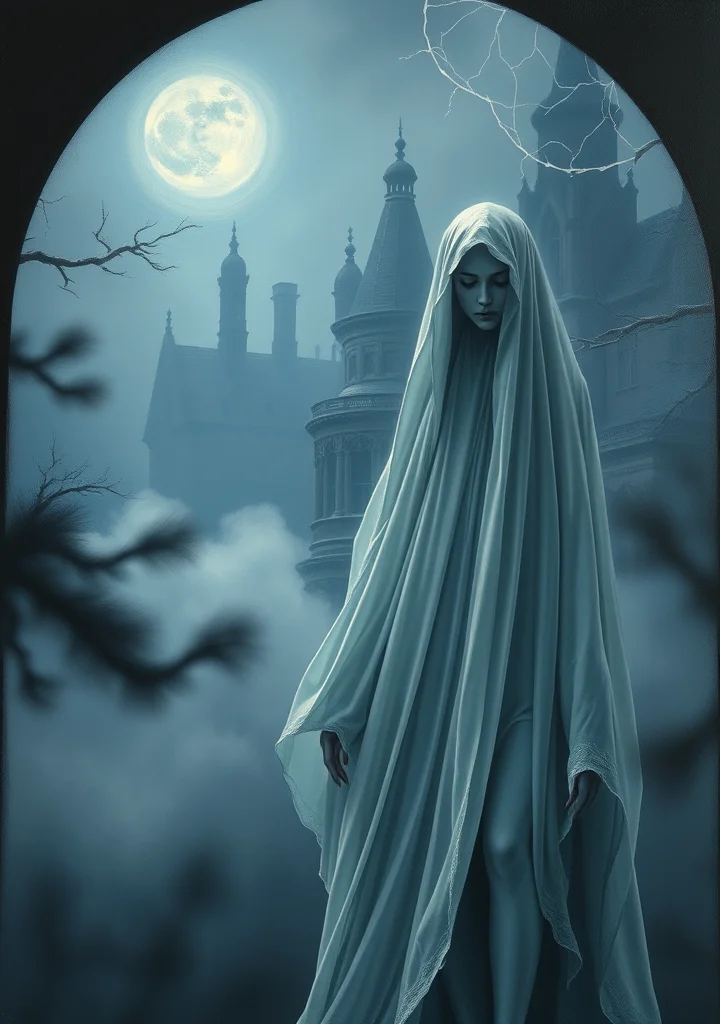
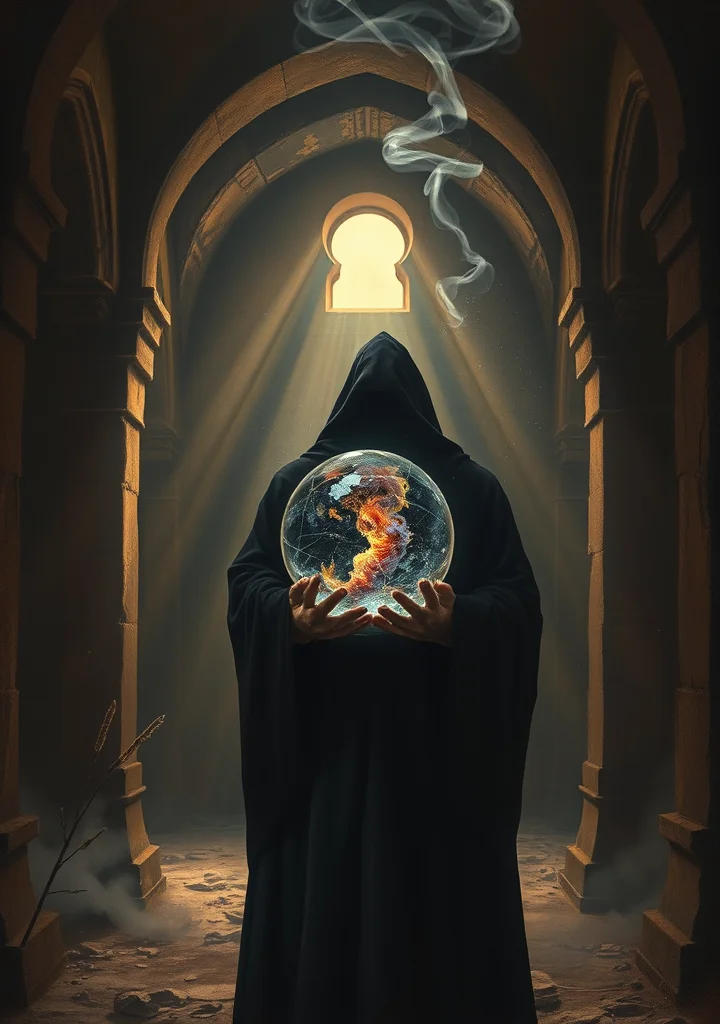
Dust motes dance in the perpetual twilight of the monastery, clinging to the stone like lost souls. The air hangs thick with incense and the weight of unspoken prophecies, each echoing in the labyrinthine corridors of a crumbling faith. This is a story steeped in the scent of decay and ancient longing, a slow unraveling of a man consumed by visions not of his own making. He walks among shadowed gardens, haunted by whispers carried on the desert wind – a chorus of voices both beautiful and terrifying, claiming to be the echoes of all that has been and all that will be. The narrative isn’t one of action, but of slow immersion into a dreamlike, suffocating stillness. Sun-bleached bones of forgotten saints lie beneath the marble floors, mirroring the fracturing of the Prophet’s own mind. Every encounter is a veiled revelation, every silence a chasm opening into the abyss. The narrative breathes with the rhythm of a dying heartbeat, a melancholic spiral into the heart of a desolate spirituality, where the boundaries between the sacred and the profane dissolve into a swirling vortex of sand and shadow. The light here is not illumination, but a slow, agonizing erosion of the self, leaving only the hollow shell of a vessel for something vast and utterly alone. It is a book to be read with the curtains drawn, the candle guttering low, and the world outside allowed to fall silent.
Copyright: Public Domain
This license allows anyone to use your story for any purpose, including printing, selling, or adapting it into a film freely.
This license allows anyone to use your story for any purpose, including printing, selling, or adapting it into a film freely.
Chapter List
-
« The Prophet »📖 Continue Reading
-
« Chapter_3 »
-
« Chapter_5 »
-
« Chapter_6 »
-
« Chapter_7 »
-
« Chapter_8 »
-
« Chapter_9 »
-
« Chapter_10 »
-
« Chapter_11 »
-
« Chapter_12 »
-
« Chapter_13 »
-
« Chapter_14 »
-
« Chapter_15 »
-
« Chapter_16 »
-
« Chapter_17 »
-
« Chapter_18 »
-
« Chapter_19 »
-
« Chapter_20 »
-
« Chapter_21 »
-
« Chapter_22 »
-
« Chapter_23 »
-
« Chapter_24 »
-
« Chapter_25 »
-
« Chapter_26 »
-
« Chapter_27 »
-
« Chapter_28 »
-
« Chapter_29 »
-
« Chapter_30 »
-
« Chapter_31 »
-
« Chapter_32 »
30
-
« The Prophet »
-
« Chapter_3 »
-
« Chapter_5 »
-
« Chapter_6 »
-
« Chapter_7 »
-
« Chapter_8 »
-
« Chapter_9 »
-
« Chapter_10 »
-
« Chapter_11 »
-
« Chapter_12 »
-
« Chapter_13 »
-
« Chapter_14 »
-
« Chapter_15 »
-
« Chapter_16 »
-
« Chapter_17 »
-
« Chapter_18 »
-
« Chapter_19 »
-
« Chapter_20 »
-
« Chapter_21 »
-
« Chapter_22 »
-
« Chapter_23 »
-
« Chapter_24 »
-
« Chapter_25 »
-
« Chapter_26 »
-
« Chapter_27 »
-
« Chapter_28 »
-
« Chapter_29 »
-
« Chapter_30 »
-
« Chapter_31 »
-
« Chapter_32 »
More like this