
Through the Brazilian Wilderness
  • 178
  • 0
  • 21
  • Reads 178
  • 0
  • Part 21
Completed, First published Mar 02, 2026

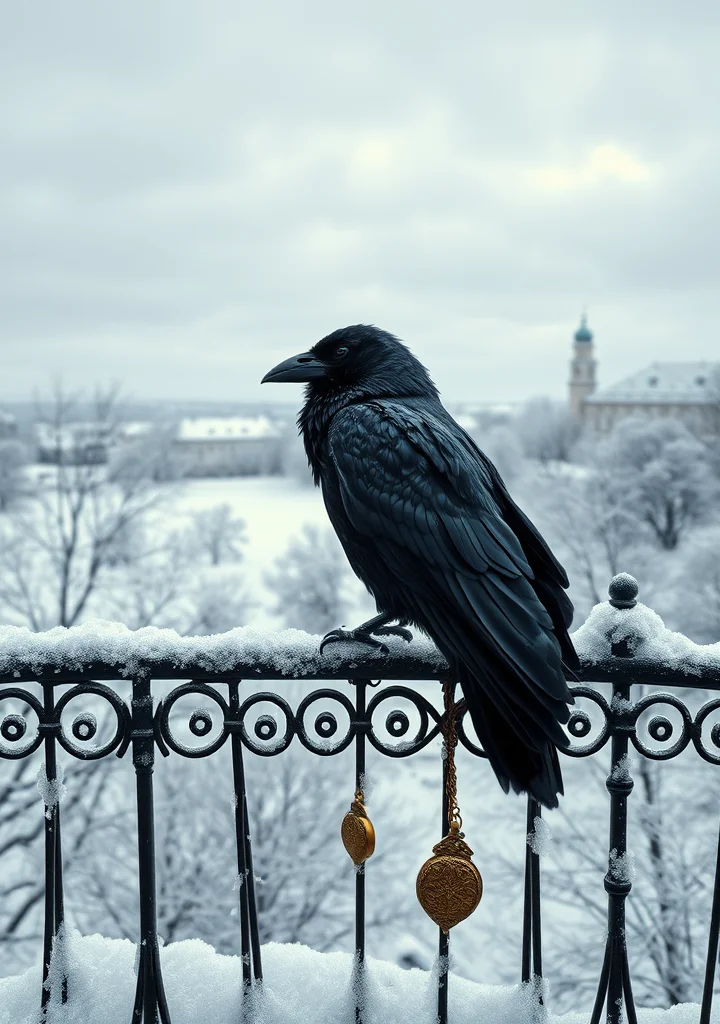
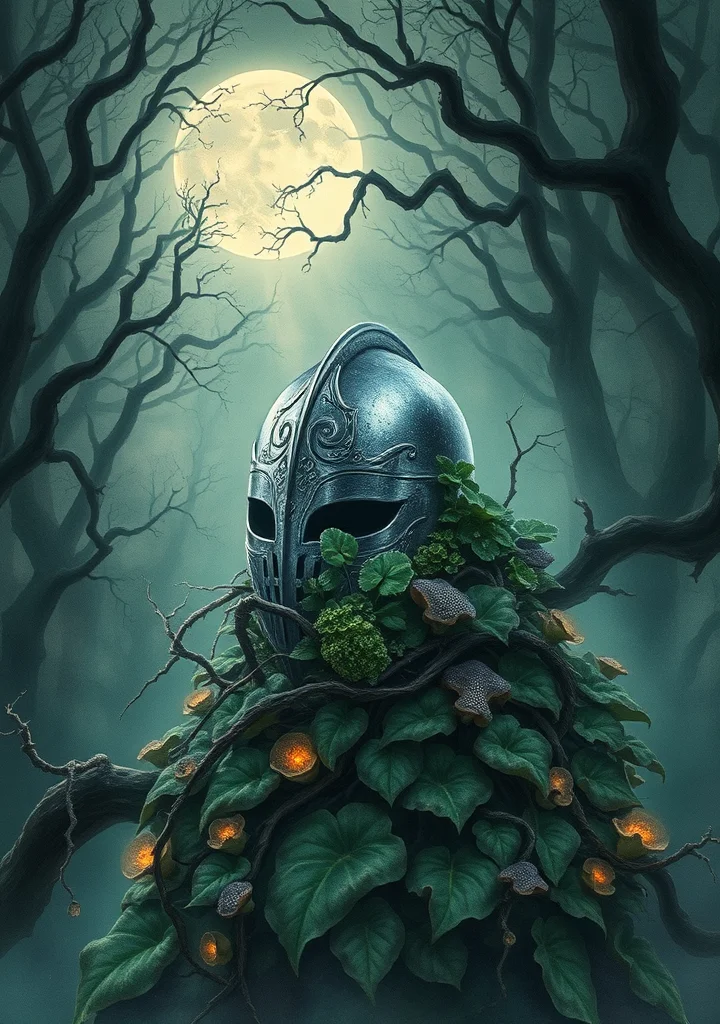
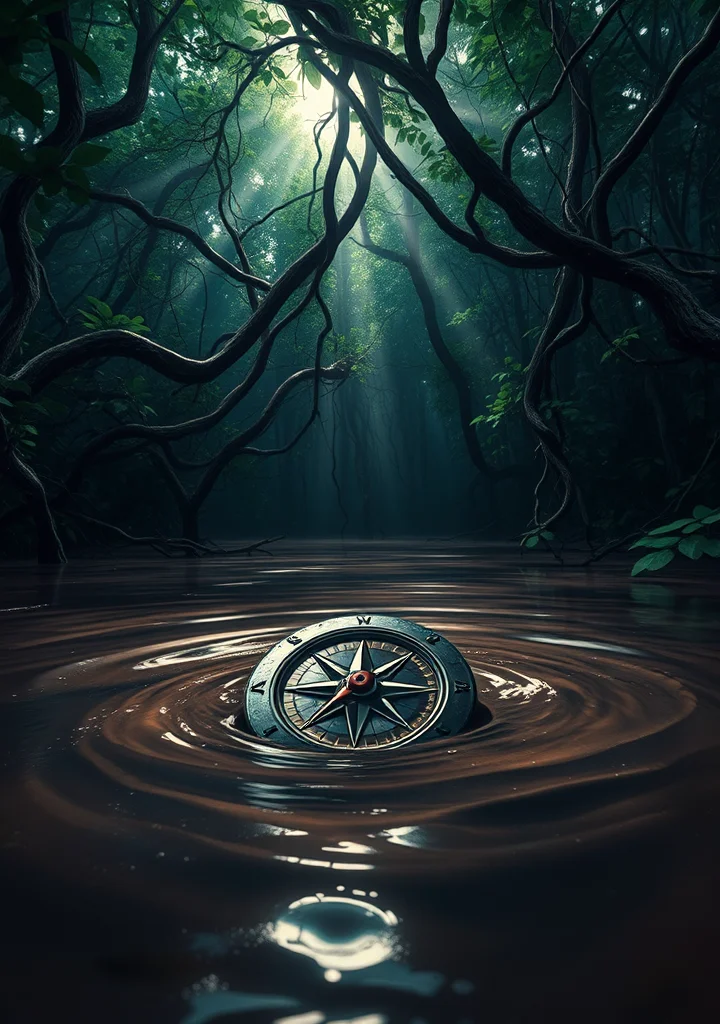
The humid breath of the jungle clings to you, even before the first page is turned. This is not a chronicle of exploration, but a descent into a green delirium. Roosevelt doesn't merely describe the Amazon; he bleeds into it. The river runs thick with shadow, mirroring not just the trees overhead, but the creeping anxieties of men lost too far from grace. Every rustle of leaves whispers of forgotten gods, of tribes swallowed by the verdant maw. The heat is a suffocating weight, pressing down on the sanity of the expedition, fracturing their bonds with the same slow rot that consumes the fallen timber. There’s a loneliness that permeates the narrative, not of isolation, but of *being* isolated – an awareness of being watched by something ancient and indifferent. The descriptions of flora and fauna aren't scientific observation, but fever dreams rendered in ink. Each jaguar's stare, each anaconda’s coil, feels less like natural history and more like the prelude to a ritual. The further they penetrate, the less human the wilderness becomes, and the more acutely they feel their own fragility. It’s a story not of conquest, but of surrender to the inevitable, where the jungle doesn’t just claim the land, but consumes the soul. The wilderness isn’t merely a backdrop; it *is* the antagonist, a silent, suffocating god demanding tribute in the form of reason and light.

Copyright: Public Domain
This license allows anyone to use your story for any purpose, including printing, selling, or adapting it into a film freely.
Recommended for you
12 Part
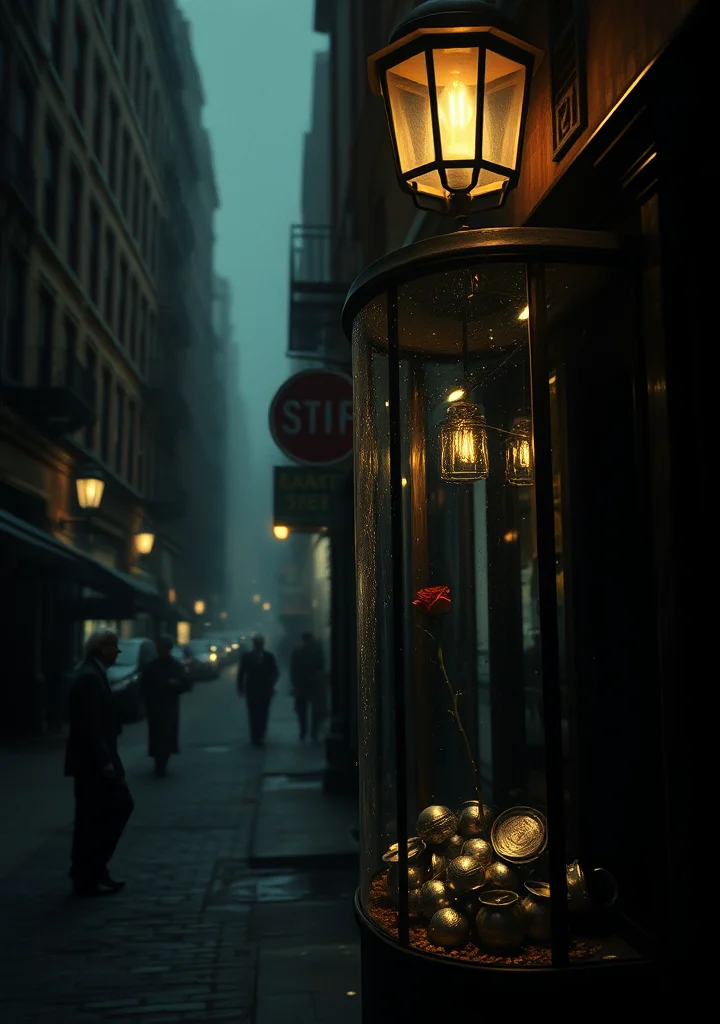
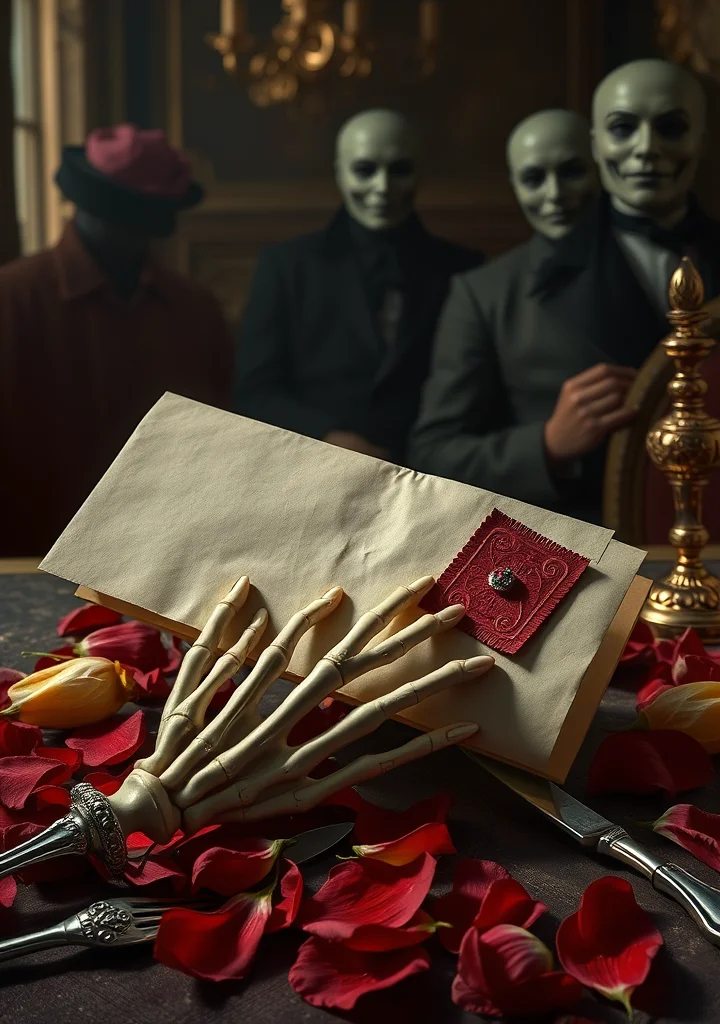
Dust motes dance in the perpetual twilight of the Leblanc estate, a crumbling manor where shadows cling to velvet draperies like mourners. Within its suffocating embrace, a lineage steeped in melancholic ritual unravels with each chime of the ancestral clock—a morbid heartbeat marking eight generations consumed by a singular, insidious obsession. The narrative bleeds into the very stone of the house, a slow corruption mirroring the decline of the family’s sanity. Each stroke of the clock doesn't measure time, but the fracturing of a soul, the unraveling of a legacy built on stolen breaths and whispered bargains with the encroaching darkness. A suffocating atmosphere of decay permeates every page, thick with the scent of wormwood and regret. The story unfolds through fragmented letters, fevered diary entries, and the increasingly erratic pronouncements of a caretaker haunted by echoes of the past. The estate itself becomes a character—a labyrinth of forgotten chambers and corridors where the air hangs heavy with unspoken horrors. The reader is drawn not towards resolution, but towards a descent into the heart of a madness that breeds in isolation, where the only true company is the relentless ticking of the clock and the chilling realization that the estate doesn't merely *contain* its ghosts—it *creates* them. The prose is a tapestry of dread, woven with the delicate threads of a family slowly dissolving into the very fabric of the house, swallowed by the echoes of eight strokes that herald not the hour, but oblivion.
25 Part
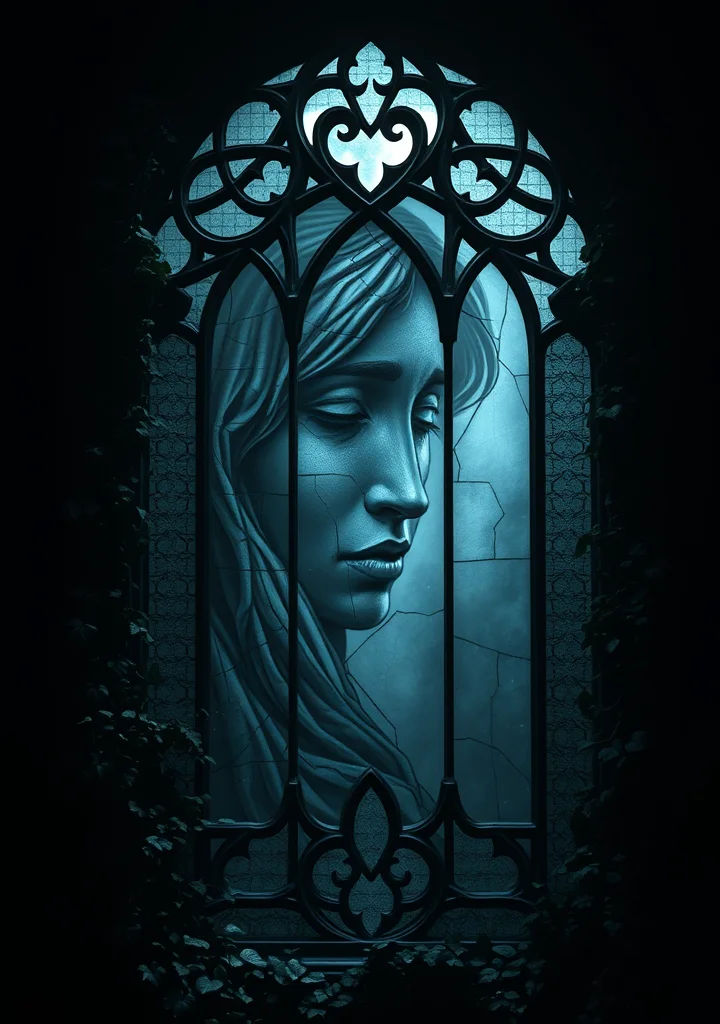
The river breathes in shadow. A slow, glacial unraveling of grief clings to the banks where the village of Älvborg surrenders to the encroaching mire. Old Man Hemlock, they say, drowned his bride in these currents – or perhaps the river *became* her grief, drawing her down into the silt and weeping willows. Now, decades later, a silence heavier than the fog settles with each passing autumn. It isn’t a place for remembering; it’s a place where memory itself dissolves into the water’s cold embrace. The narrative drifts like wreckage, fragments of lives snagged on submerged roots. A daughter returning to settle her father’s affairs finds the house filled not with absence, but with the residue of his obsession. He'd charted the river’s moods, cataloging the debris, the whispers carried on the tide. Each item pulled from the water feels less like discovery and more like an exhumation. The air tastes of decay and damp earth. The scent of bog iron and something older, something clinging to the stones beneath the water. Every reflection is distorted, mirroring not the world above but the dark, churning heart beneath. The further downstream one travels, the less certain the land is, the more insistent the river’s claim. It isn't merely a journey *along* the water, but *into* it – a descent into a past that refuses to stay buried, a current that pulls at the soul until it too is lost to the depths. The house itself seems to exhale the river’s chill, and those who linger too long find themselves shadowed by the same spectral currents that claimed Hemlock’s bride. The river isn't just a setting; it's an entity, a hunger, and it’s waiting to collect what’s left to be taken.