
-
Read 449
-
0
-
Part 22
Completed, First published Mar 02, 2026
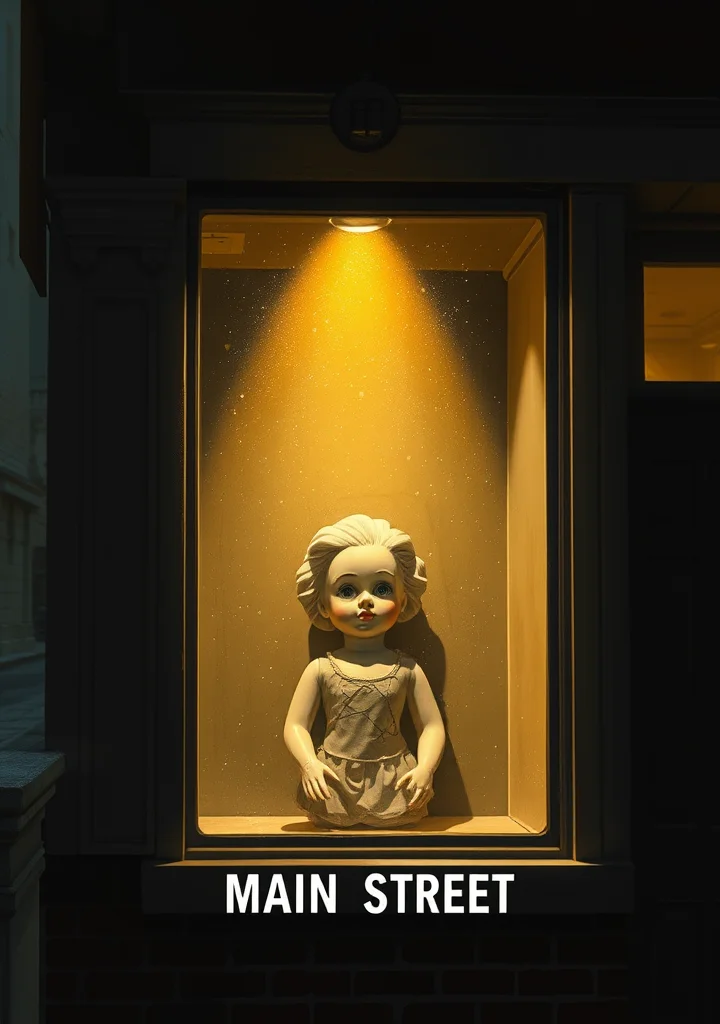
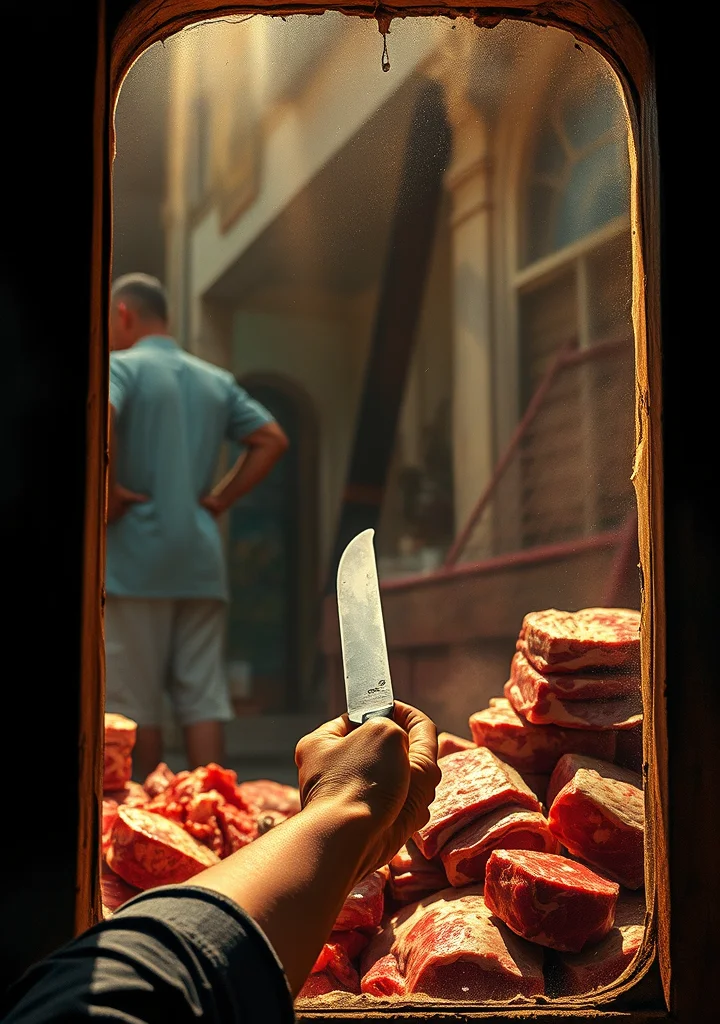
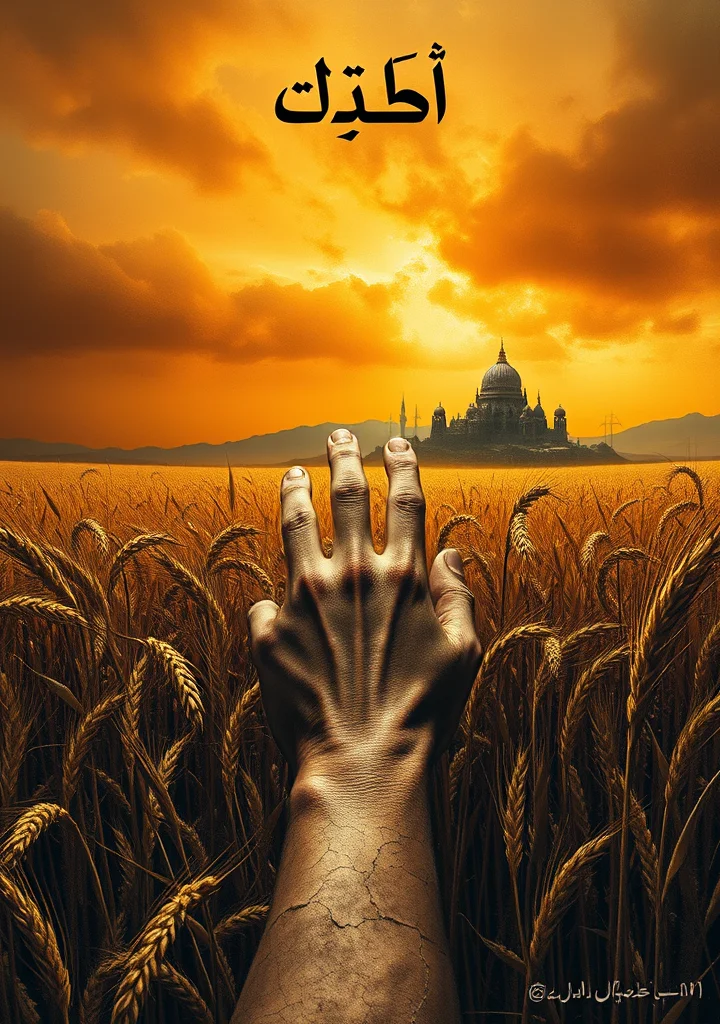
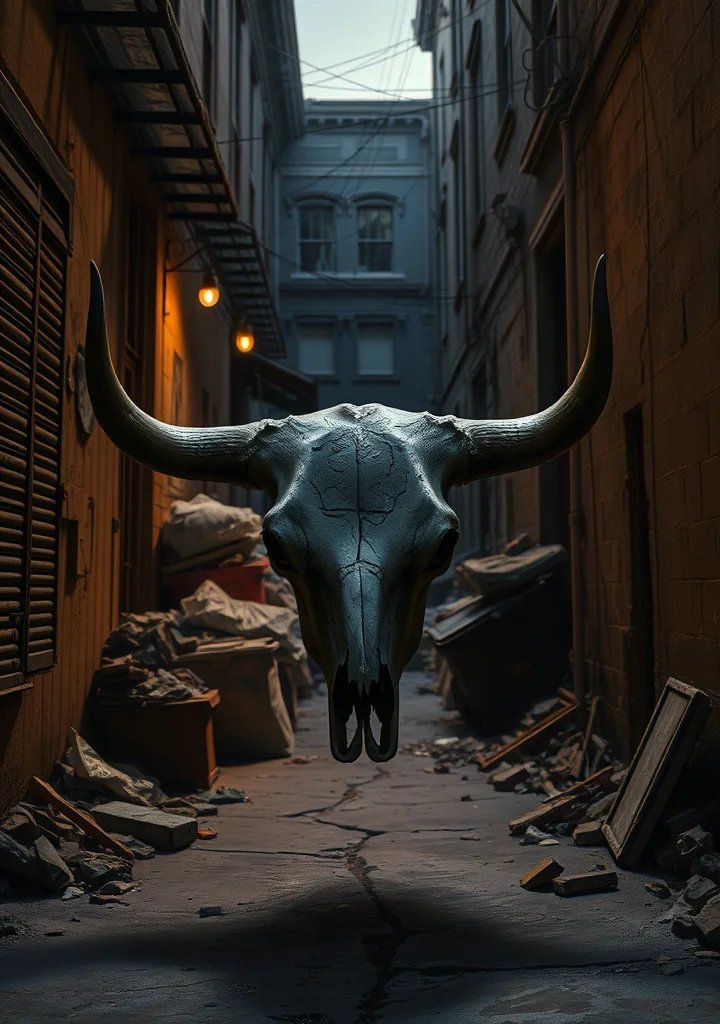
Dust motes dance in the perpetual twilight of San Francisco’s tenements, mirroring the slow decay of McTeague’s soul. The narrative clings to the city like fog, a suffocating weight of predestination where animal instinct burrows beneath the veneer of respectability. It begins with a prize-winning bull, and ends with a descent into brutal obsession—a spiraling darkness fueled by avarice and the gnawing hunger of thwarted desire.
The air is thick with the scent of stale beer and sour defeat, the rooms claustrophobic with the weight of McTeague’s failures. Every chipped porcelain tooth, every stained coin, every twitch of a muscle speaks of a creeping hopelessness. A woman, fragile as a moth, becomes the focal point of a corrosive fixation, a possession that curdles into something monstrous.
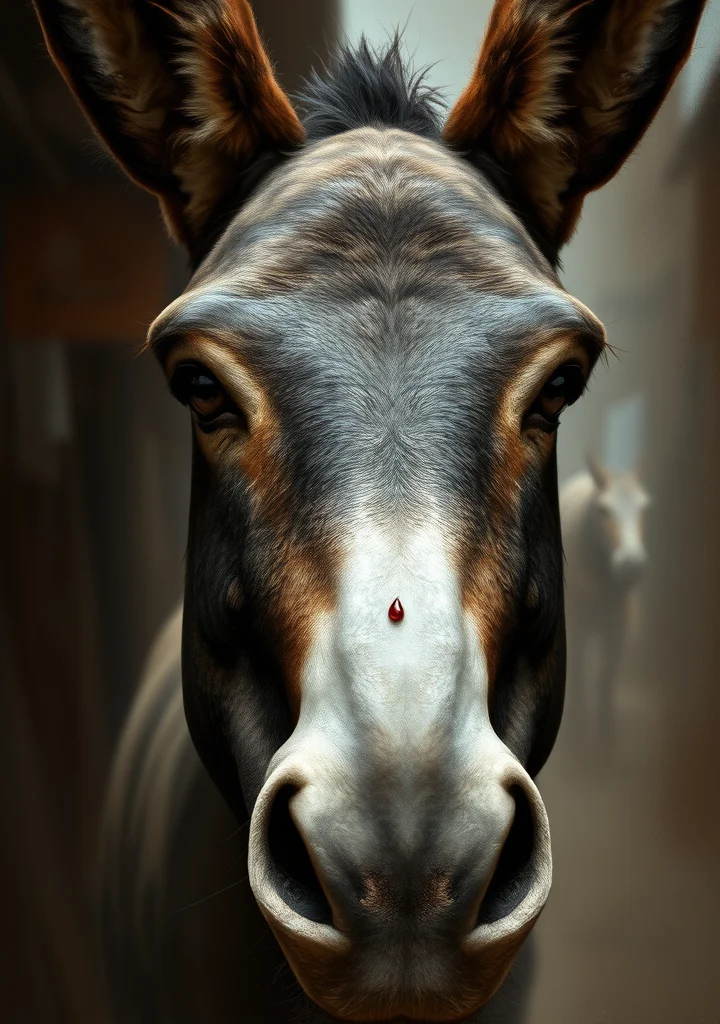
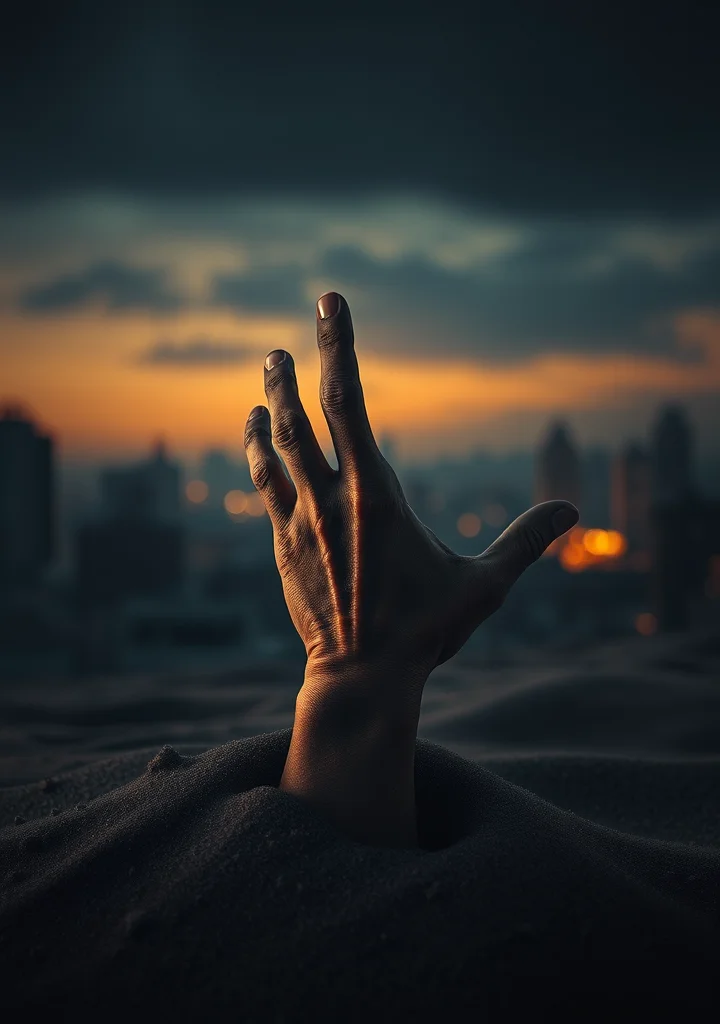
The streets themselves become a character, echoing with the clatter of hooves and the hushed desperation of lives lived on the periphery. The narrative doesn’t offer redemption, only the grim arithmetic of consequence. It’s a story of how easily a man, stripped of purpose, can be hollowed out by circumstance, becoming a creature of habit, of instinct, ultimately consumed by the very darkness he sought to escape. The ending isn't a climax, but a slow, agonizing erosion into the unforgiving stone of the city.
Copyright: Public Domain
This license allows anyone to use your story for any purpose, including printing, selling, or adapting it into a film freely.
This license allows anyone to use your story for any purpose, including printing, selling, or adapting it into a film freely.
More like this