
-
Read 399
-
0
-
Part 25
Completed, First published Mar 02, 2026
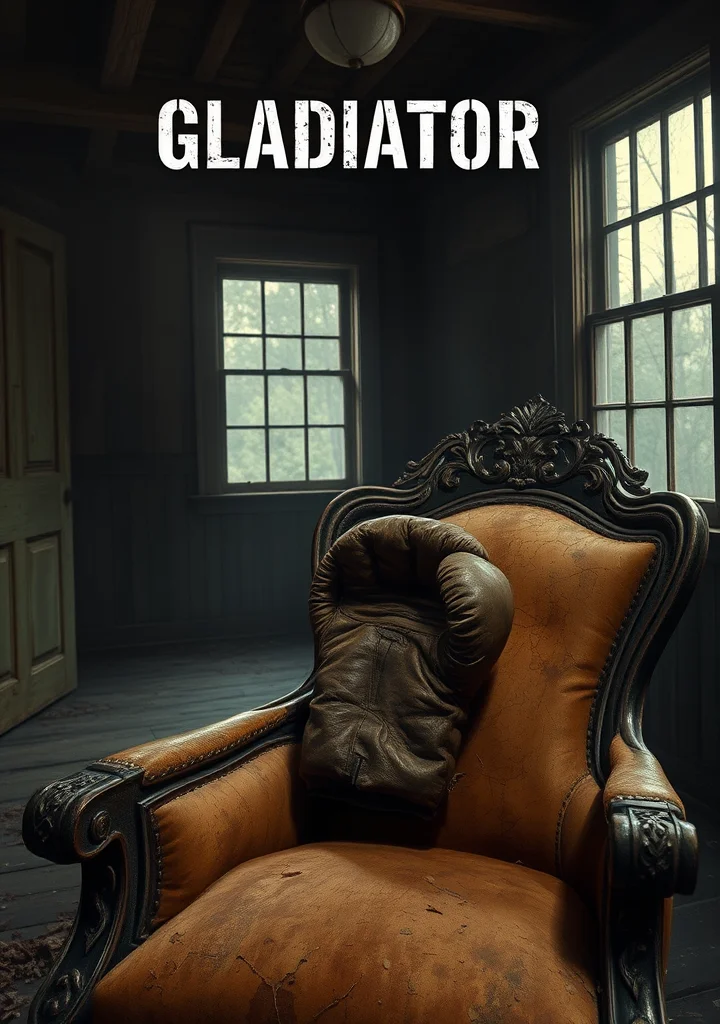
Dust motes dance in the perpetual twilight of a decaying American heartland. Wylie’s *Gladiator* doesn’t offer spectacle of the arena, but the brutal, slow-motion collapse of a man named Thorne—a man built for power, then systematically unmade. The novel breathes with the scent of oiled leather and stale ambition, echoing through cavernous, empty houses where the ghosts of fortunes lost linger. Thorne’s descent isn’t a fall from grace, but a corrosion, a peeling away of the veneer of civic virtue to reveal the raw, animal hunger beneath.
The atmosphere is one of relentless, humid pressure—a world where every handshake feels like a claim, every silence a threat. There’s a creeping dread woven into the narrative, a sense that Thorne isn’t merely *defeated*, but *consumed* by the very forces he sought to command. The narrative clings to the shadows, mirroring Thorne's isolation as he is driven, almost surgically, from the circles of influence he once dominated. It's a story of quiet, agonizing disintegration, a chilling testament to the fragility of even the most imposing structures—both within a man, and within the American dream itself. The echoes of violence aren’t found in open wounds, but in the subtle fractures that splinter a life, leaving behind only the hollow shell of a once formidable figure.
Copyright: Public Domain
This license allows anyone to use your story for any purpose, including printing, selling, or adapting it into a film freely.
This license allows anyone to use your story for any purpose, including printing, selling, or adapting it into a film freely.
More like this