
-
Read 508
-
0
-
Part 27
Completed, First published Mar 02, 2026
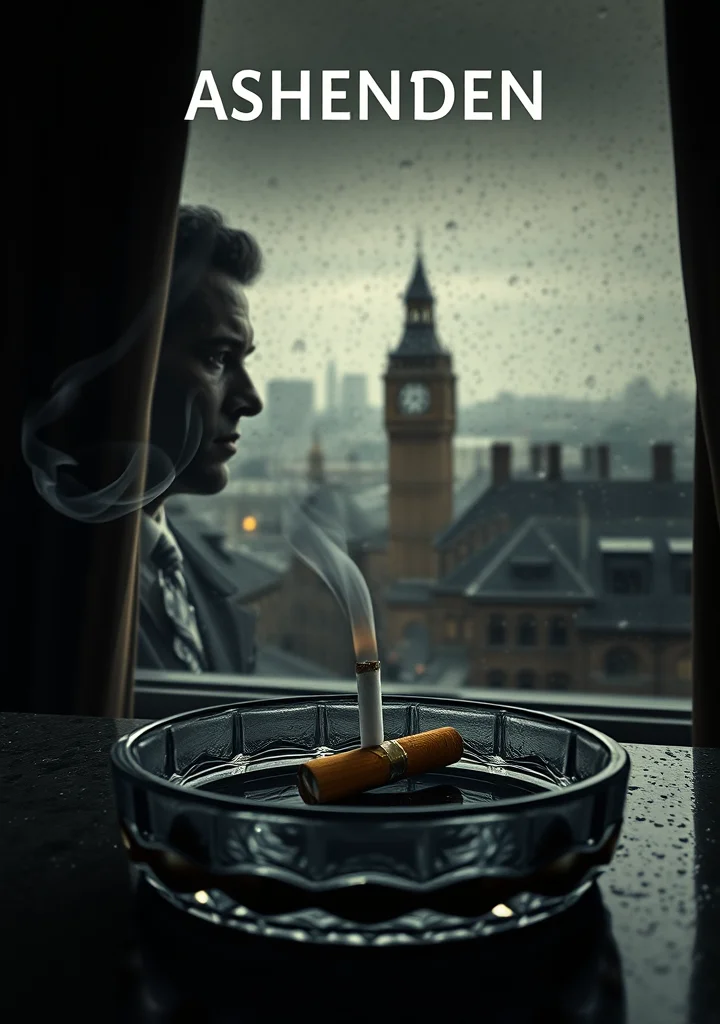
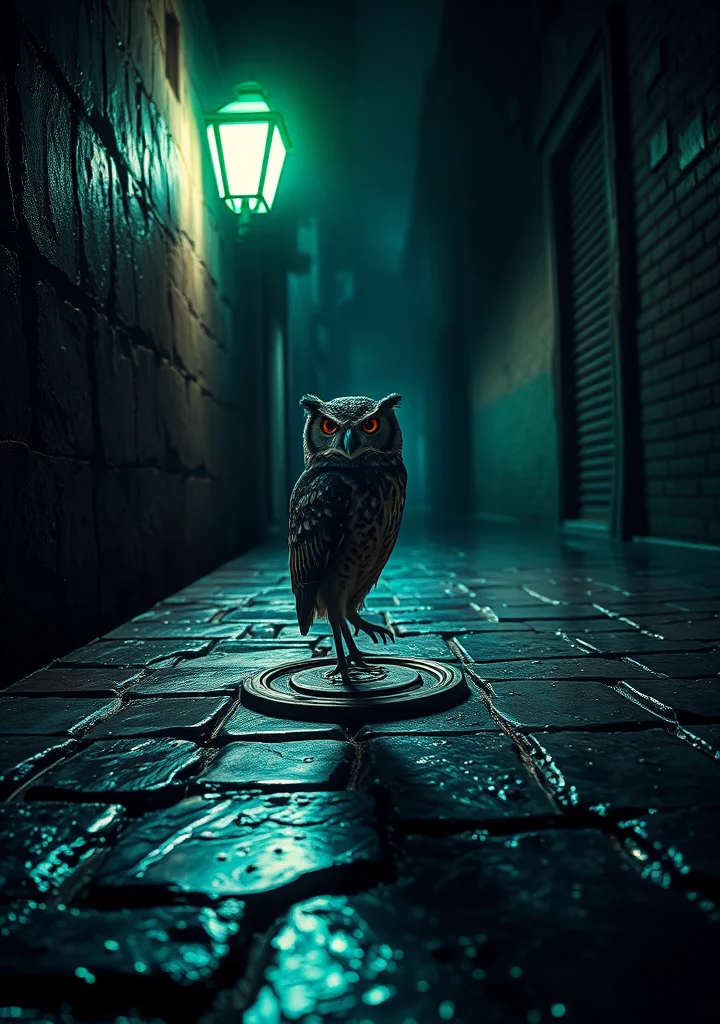
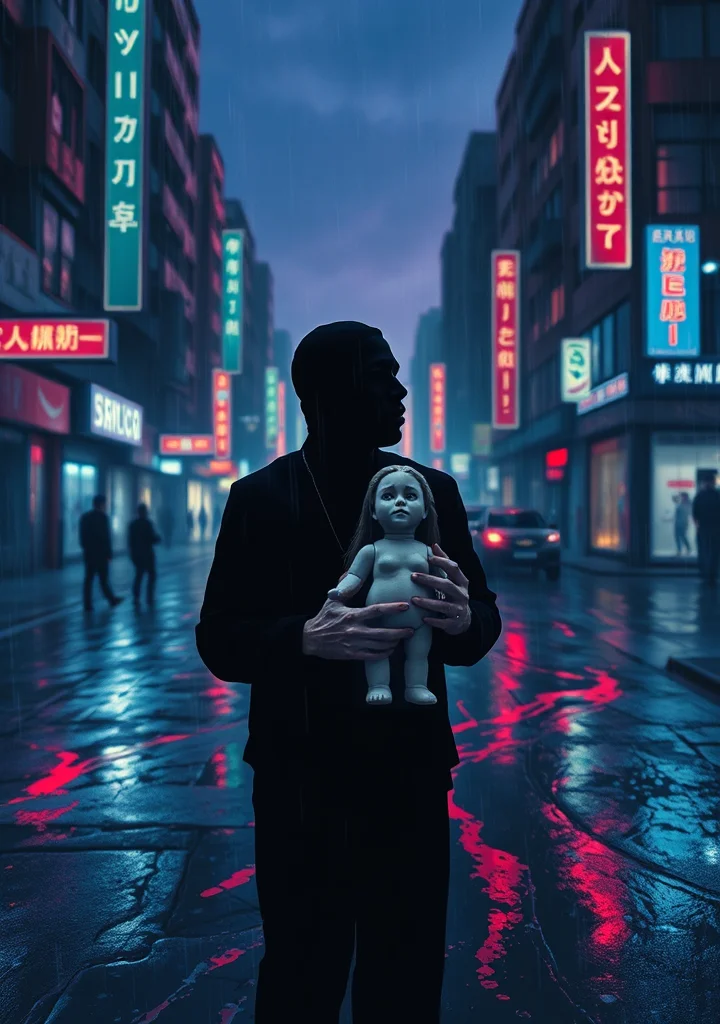
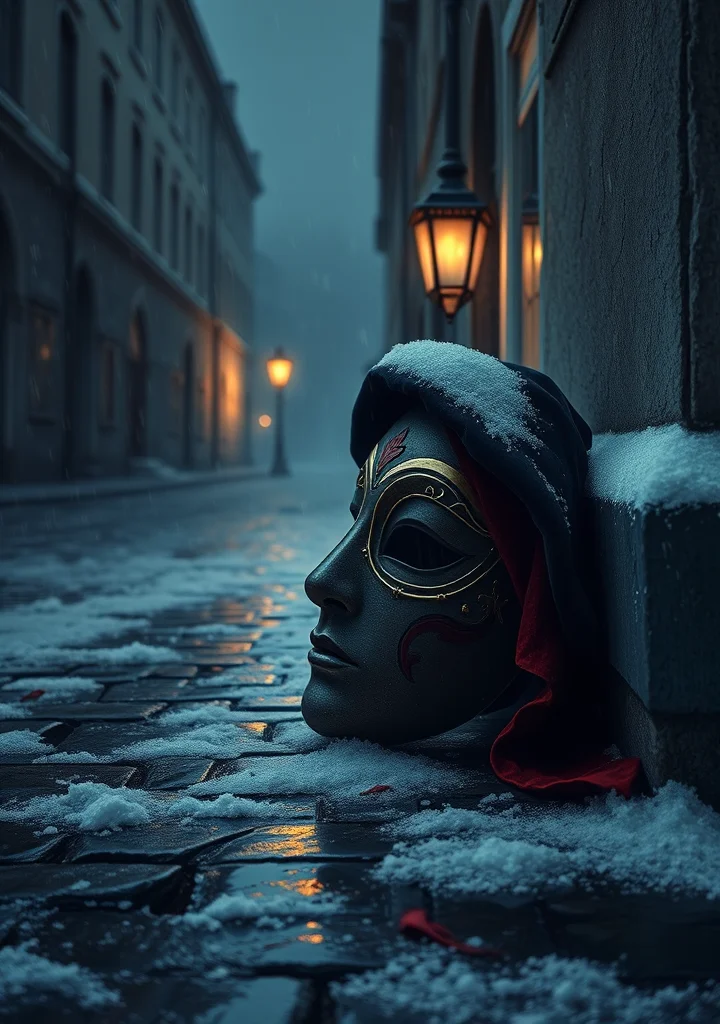
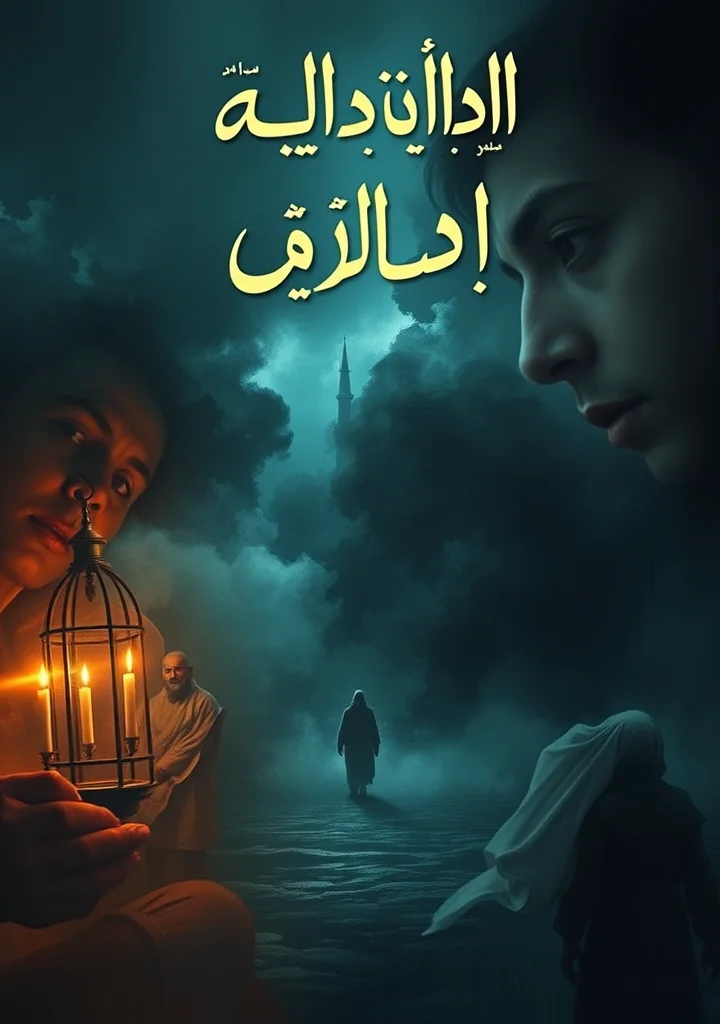
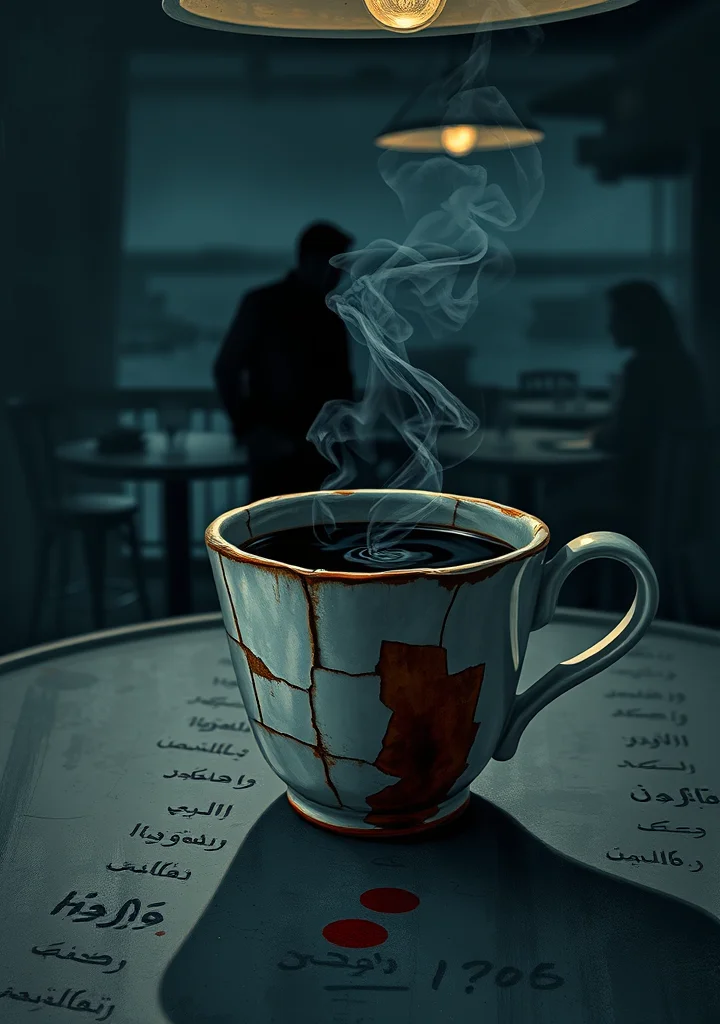
A suffocating fog clings to the cobbled streets of a nameless European city, mirroring the secrets that fester within its shadowed alleys. The narrative unfolds through fractured accounts, whispered confessions, and the chillingly precise observations of a man perpetually shrouded in darkness – a phantom known only as “The Spy.” He is a collector of whispers, a broker of anxieties, and a master of disguise whose motives are as murky as the canals he haunts. Every encounter is a calculated betrayal, every shadow a potential accomplice.
The air is thick with paranoia, each doorway concealing a network of deceit. Clouston doesn’t deal in grand spectacle, but in the insidious creep of suspicion—a gradual erosion of trust where identity itself becomes a fragile construct. The story isn’t *what* is being plotted, but *how* it feels to live under the weight of unseen eyes, the constant fear of exposure.
A melancholic dread permeates the chapters, a sense of inevitability that clings to the damp stone walls and decaying grandeur. The Spy’s movements are mirrored by the descent of his targets into madness and desperation. The novel isn’t simply read; it’s inhaled, a slow poisoning of the imagination that leaves one questioning the solidity of reality long after the final page is turned. It’s a suffocating, claustrophobic study of obsession, where the line between hunter and hunted dissolves into the oppressive darkness.
Copyright: Public Domain
This license allows anyone to use your story for any purpose, including printing, selling, or adapting it into a film freely.
This license allows anyone to use your story for any purpose, including printing, selling, or adapting it into a film freely.
More like this