 Voice Void Library
Search
Voice Void Library

A suffocating dread clings to the shadowed halls of Clarissa’s existence, a slow poison distilled within the polite parlors and hushed gardens of a stifling society. The narrative unfolds not as a burst of passion, but as a tightening noose of circumstance, woven with the silken threads of deceit and the coarse ropes of familial tyranny. Each letter, each whispered plea, becomes a brick in the mausoleum of her spirit. The air hangs thick with the scent of decaying virtue, the perfume of forced compliance, and the metallic tang of impending ruin. There is no escape from the labyrinth of her enforced obedience; only a gradual descent into a chilling, claustrophobic interiority. The shadows lengthen with every stolen moment of defiance, every clandestine rendezvous. The very language of the novel—precise, measured, relentlessly detailed—mirrors the constricting architecture of her prison. A pervasive melancholy seeps from the pages, chilling the reader with the premonition of a tragedy not born of grand gesture, but of slow attrition, of a soul systematically dismantled by the machinations of a predatory world. The darkness is not sudden, but a gradual eclipse of hope, a suffocating weight pressing down until the final, agonizing breath. It is a story of exquisite torment, rendered in the muted hues of a fading life, and shadowed by the specter of a future irrevocably lost.
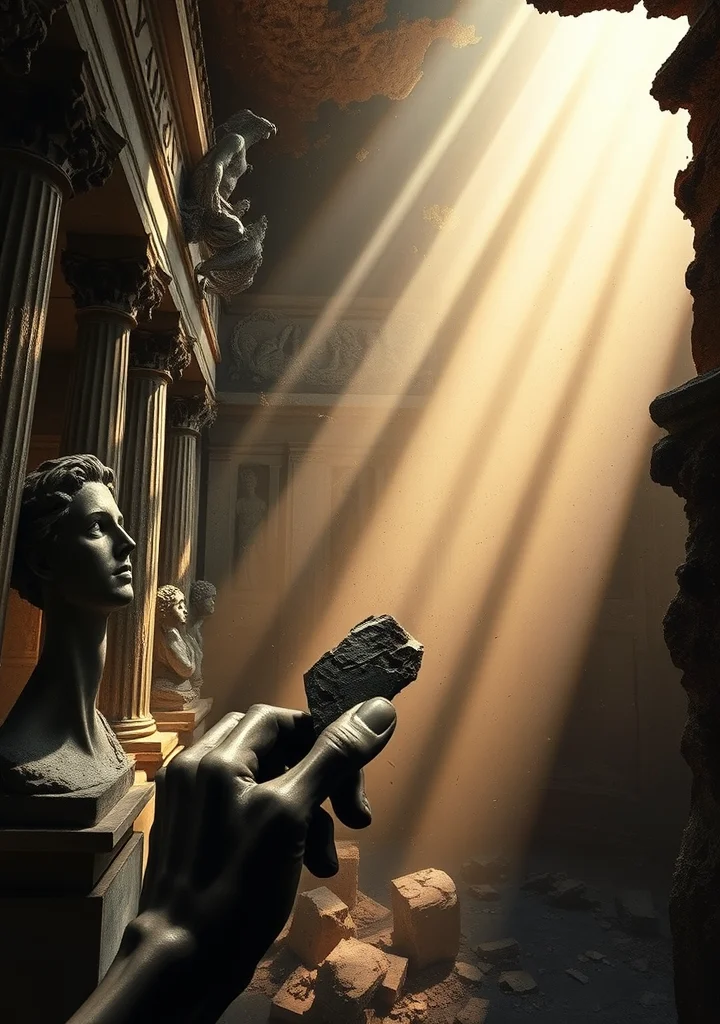
Dust motes dance in the fractured light of crumbling temples, each victory ode a stone chipped from a forgotten god’s mausoleum. The air hangs thick with the scent of laurel and decay, a perfumed rot clinging to the marble limbs of statues long since weathered by regret. These are not celebrations of triumph, but elegies sung over the bones of ambition. Each verse exhales the cold breath of heroes returning haunted from shadowed fields, their spoils tarnished with the weight of what was lost to claim them. The rhythm is a heartbeat slowing to a final, glacial measure. Echoes ripple through the halls of conquerors, revealing not glory, but the hollow ache where devotion once burned. Victory is a ravenous beast, and these odes are the screams swallowed in its gilded maw. Shadows stretch long from the pyres of achievement, twisting into shapes of mourning, and the honeyed wine offered to the gods tastes of ash and the slow unraveling of empires. A chilling stillness pervades – a silence not of peace, but of anticipation for the inevitable unraveling of all dominion.
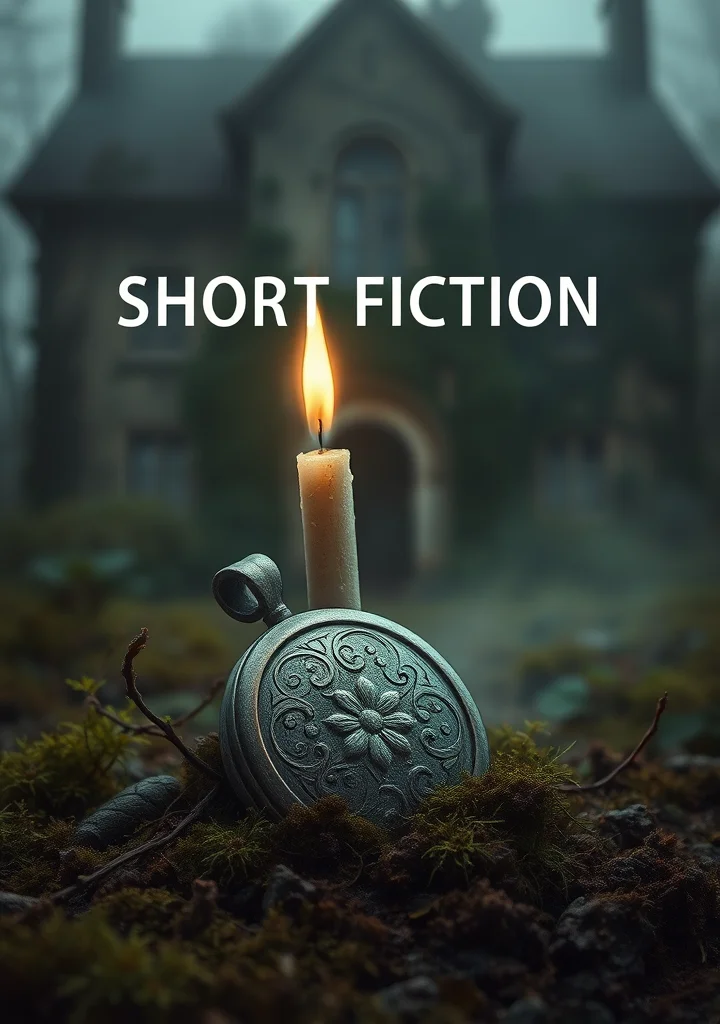
A creeping dread clings to these pages, not of grand horrors but of the suffocating weight of unchosen lives. Tolstoy, even in brevity, excavates the rot beneath the gilded surfaces of provincial estates. Here, the air is thick with the scent of damp earth and decaying lace, mirroring the slow disintegration of faith and affection. Each tale feels unearthed from a forgotten corner of a manor house, lit only by the flickering candlelight of regret. The characters move through perpetual twilight, haunted by the ghosts of what might have been, their silences echoing with the brittle fracture of unspoken desires. A suffocating stillness pervades—not a silence of peace, but one born of resignation, of lives withered before they truly bloomed. The narrative doesn't rush, it *seeps*, staining the reader with the melancholy of inherited sorrow and the subtle, corrosive power of unfulfilled yearning. These are stories where the absence of drama is the most terrifying aspect, a slow erosion of the soul mirroring the decay of the Russian countryside itself. The weight of tradition presses down, not with malice, but with an implacable, suffocating indifference.
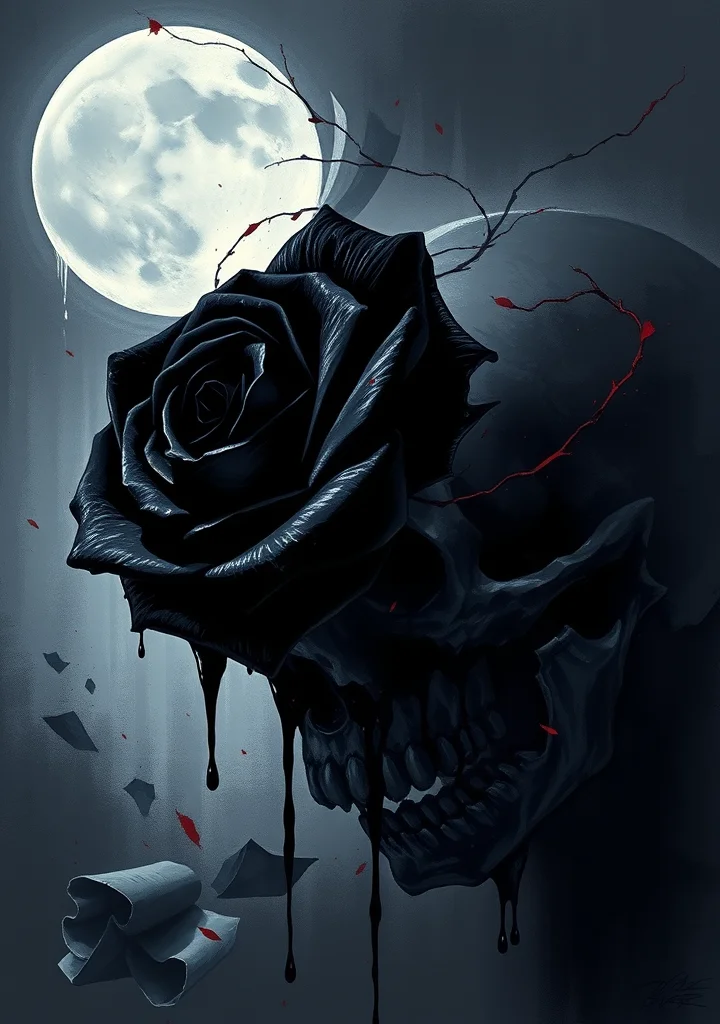
A creeping dread clings to the shadowed corners of Elsinore, not from Hamlet’s ghost, but from the very ink staining these pages. Each verse exhales a frigid breath, laced with the rot of forgotten desires. Here, love blooms as a black rose, thorny and intoxicating, consuming all it touches. The sonnets, etched with a melancholic elegance, mirror chambers echoing with the sighs of the damned. Moonlight fractures across these lines, revealing glimpses of spectral figures – Ophelia adrift in a willow-woven shroud, Macbeth’s ambition festering like a wound in the Scottish mist. The language itself is a labyrinth, twisting through corridors of grief and shadowed by the skeletal branches of despair. A suffocating perfume of decay hangs heavy, a testament to the decay of beauty, the erosion of hope, and the chilling realization that every word whispered is a fragment of a broken heart, bleeding into eternity. These are not poems to be read, but rituals performed in the dimmest hours, unlocking the gate to a garden where thorns bloom eternal.
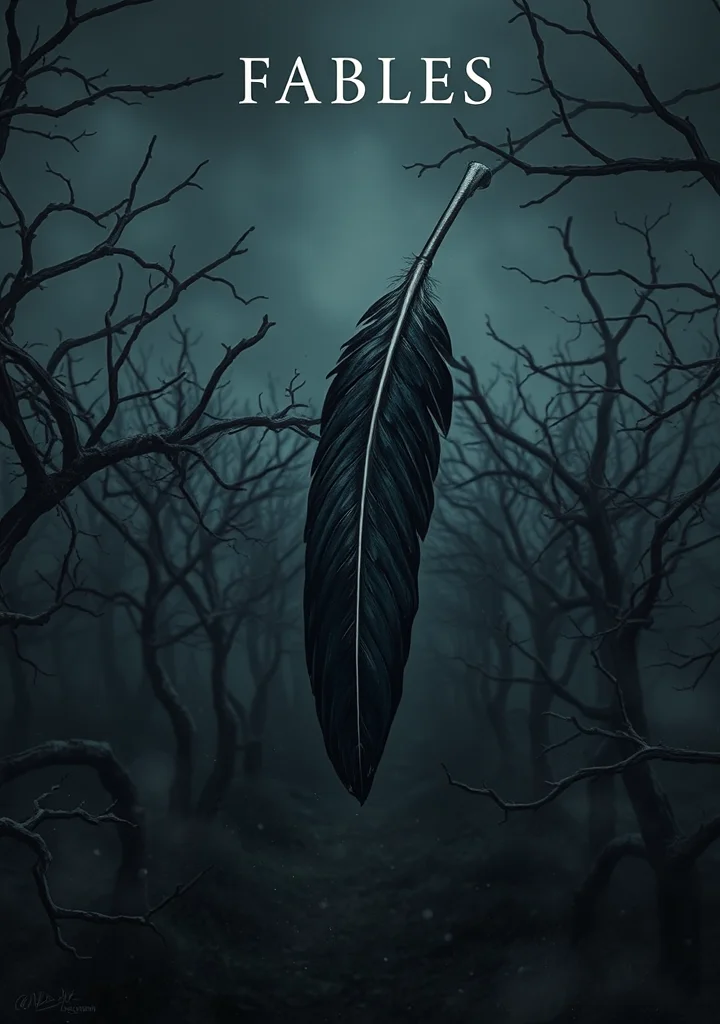
Dust motes dance in the perpetual twilight of a forgotten orchard, mirroring the fractured narratives whispered amongst the gnarled branches. Here, where the shadows of beasts stretch long and hungry, Aesop doesn’t offer morals, but a creeping dread. Each fable is a shard of glass reflecting a decaying world—the hare not fleeing a predator, but a phantom grief; the lion, not king, but a hollowed husk haunted by its own roar. The voices are brittle, carried on the wind like the dry rattle of bones. They speak of a world where kindness is a starvation, cunning a rot, and every triumph leaves a residue of ash. The air hangs thick with the scent of wet fur and sour milk, a suffocating perfume of decay. These are not lessons for children, but elegies for the fallen, etched in the crumbling stone of a mausoleum. Listen closely; the fables themselves are unraveling, their seams stitched with the threads of despair, and the darkness between the lines promises to swallow you whole. The wood breathes with a hunger for the lost stories, and the rustling leaves seem to murmur the names of those who vanished within their telling.
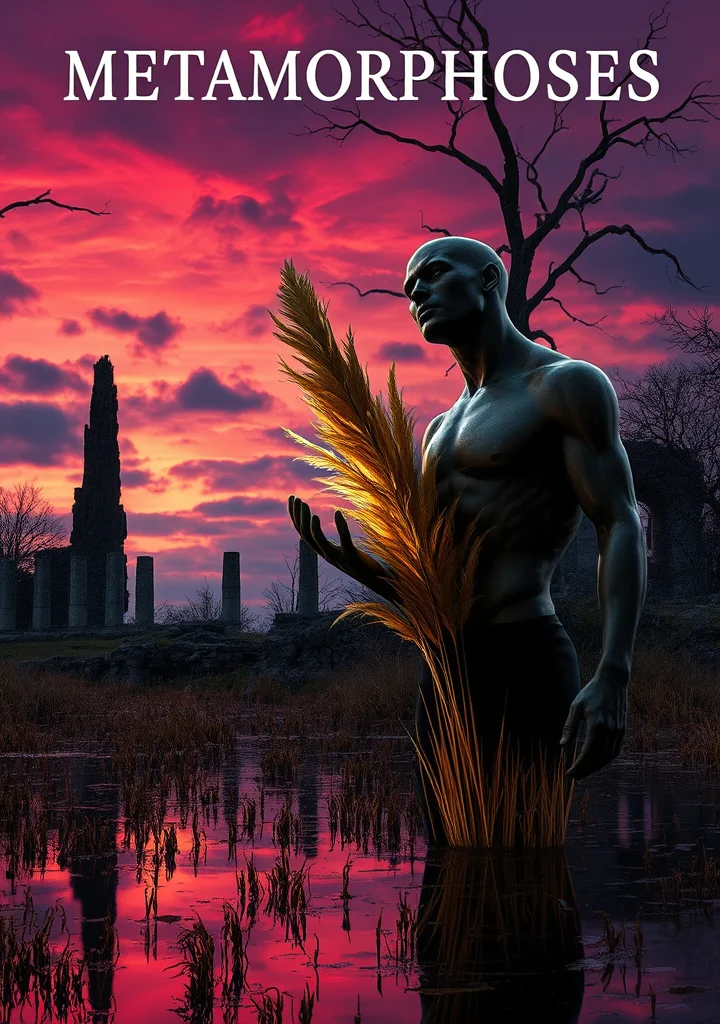
The world breathes in decay, a bruised plum-color twilight clinging to every cypress and crumbling stone. Here, gods casually unravel the threads of humanity, transforming grief into laurel leaves, lust into storms, and defiance into the echoing cries of birds. It isn't simply change that permeates these pages, but a viscous unraveling of form—a rot blossoming into something else entirely. Echoes of lost loves haunt flooded fields, while sun-drenched bodies ripple into reeds and shivering scales. Every story is a drowning, a shedding of skin witnessed by indifferent deities. The air hangs thick with the scent of wet earth and the phantom touch of vanished limbs. There is no solace here, only the constant, creeping horror of becoming something *other*, a slow blossoming of monstrous beauty born from broken hearts and desperate pleas. The pulse of the narrative is a heartbeat slowing into the cold, mineral rhythm of stone. Every metamorphosis is a loss, a silent scream swallowed by the rustling reeds and the murmuring currents where gods and mortals alike vanish into the green, suffocating embrace of the world’s endless, cyclical becoming.
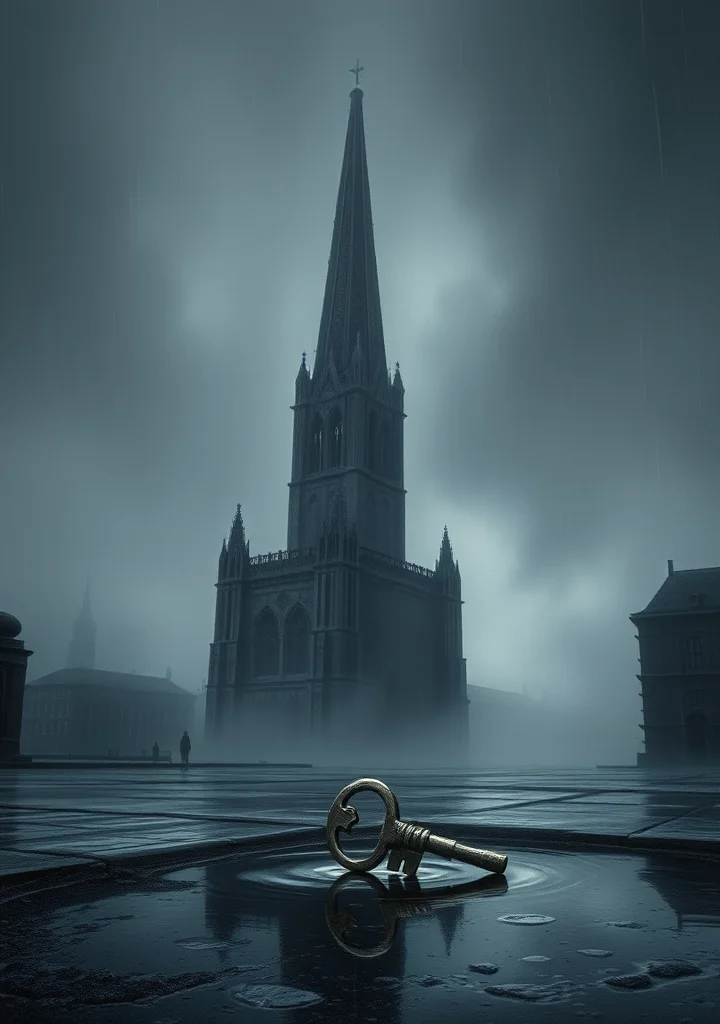
A creeping dampness clings to every page, mirroring the suffocating fog that shrouds the lives within. This is a story of shadowed rooms and the relentless ache of unfulfilled desire, where the cathedral’s stone gaze feels heavier than any confession. The protagonist, bound not by chains but by an obsessive, consuming devotion, moves through a world rendered in shades of grey—the grey of London rain, the grey of moral ambiguity, the grey of a life lived perpetually in the shadow of another’s will. Each encounter feels like a slow bleed, a gradual erosion of self into the mire of another’s suffering. The narrative isn't one of dramatic outbursts, but of a quiet, agonizing attrition—a rot within the heart, masked by polite society’s brittle composure. There’s a sickness here, not of the body, but of the spirit, born of loneliness and the desperate, clawing need to *belong* to something, even if that belonging is built on the foundations of pain. The air hangs thick with regret, with the knowledge that every gesture, every whispered word, pulls the characters further into a labyrinth of their own making. It's a world where escape is a phantom limb, and the only true solace lies in the acceptance of a beautiful, terrible decay. The weight of unspoken needs and the slow, deliberate fracturing of a soul echo long after the final page is turned, leaving a residue like dust motes dancing in a dying sunbeam.
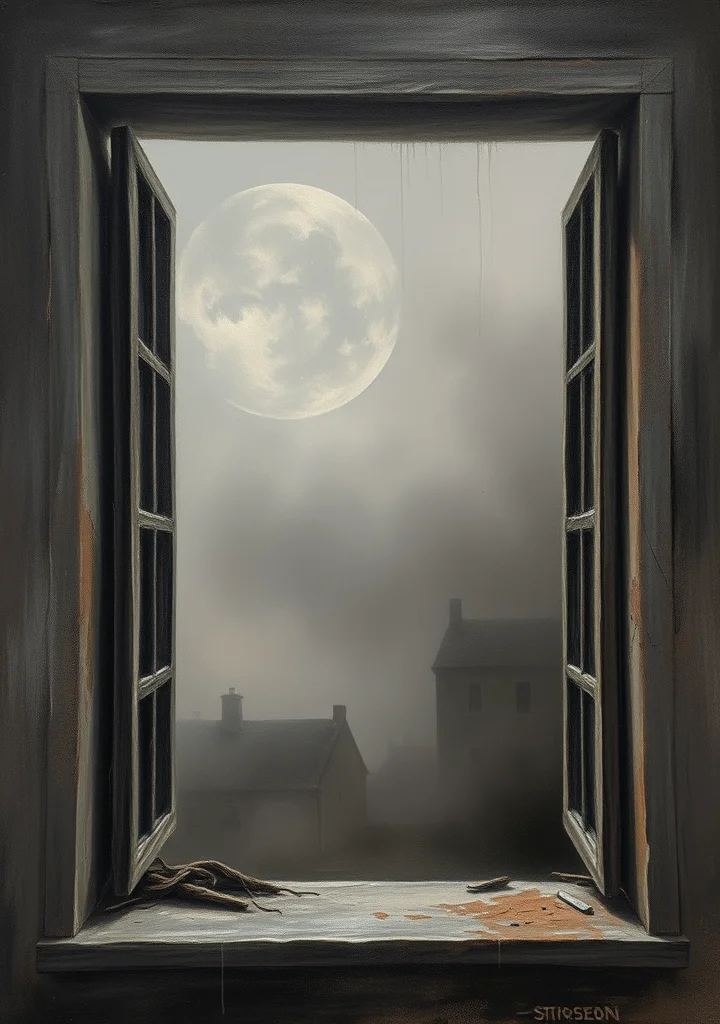
Dust motes dance in perpetual twilight within these pages, mirroring the spectral lives clinging to the shadowed corners of Ireland’s decaying estates. Le Fanu doesn’t deal in shrieks and gore, but in a creeping dread born of isolation, inherited guilt, and the insidious whispers of the unseen. Each tale unfolds like a slow poisoning, a gradual erosion of sanity witnessed through the eyes of those too keenly aware of the world’s darker currents. Expect damp stone hallways echoing with forgotten prayers, portraits whose eyes follow your every move, and the suffocating weight of ancestral secrets. The true horror resides not in what is revealed, but in the suffocating certainty that something *watches* from the periphery, just beyond the reach of lamplight. A pervasive melancholy hangs over every sentence, a sense of inevitability that chills the bone more effectively than any overt monster. These are stories best read with the curtains drawn, a single candle flickering against the encroaching darkness, and a prayer offered to ward off the things that stir when the wind howls through the bogs. The air itself seems to thicken with the scent of decay and regret.
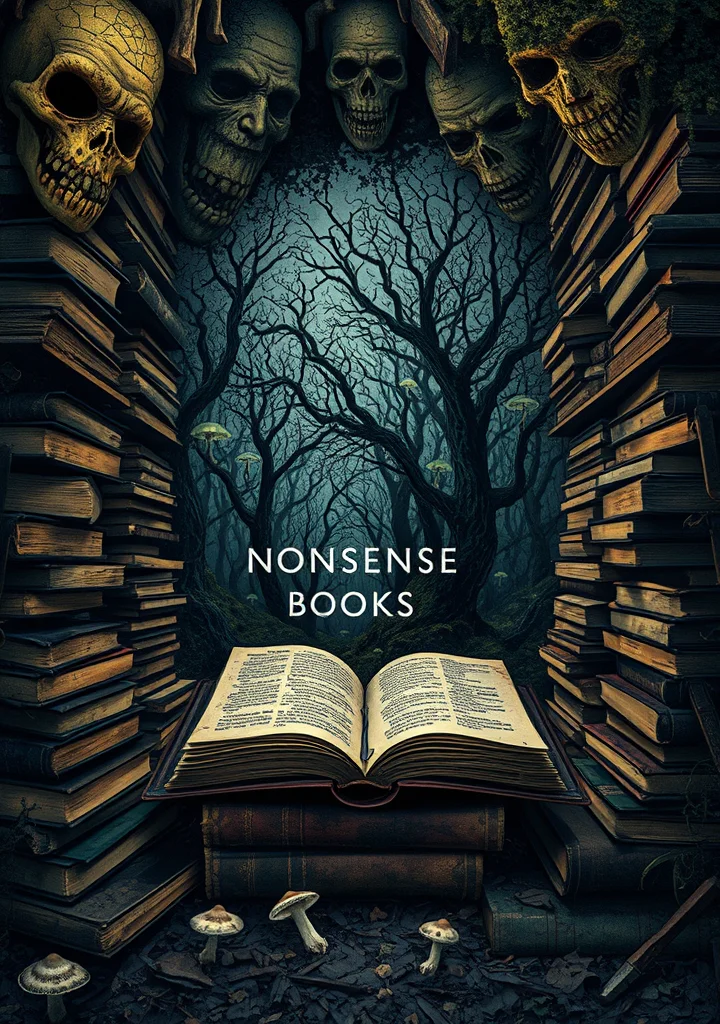
A creeping dread clings to the crumbling pages of Lear’s Nonsense Books, not from monstrous beasts or spectral apparitions, but from a far more insidious rot—the decay of reason itself. Within these volumes, logic unravels like threadbare tapestries, revealing glimpses of shadowed forests populated by the Howples, the Jumblies, and the utterly unnameable. Each rhyme, each illustration, feels less a playful invention and more a fragment unearthed from a forgotten, fractured world. The air grows thick with a melancholic absurdity, the laughter brittle as dry bone. These aren’t children’s verses to be sung lightly, but whispers carried on the wind through hollowed-out skulls. The Old Man of the Hills, perpetually searching, embodies a loneliness that seeps into the marrow of your own bones. The landscapes are painted in hues of perpetual twilight, where every twist of the path leads to a further distortion of form and meaning. A creeping unease settles with each nonsensical utterance, a sense that the very foundations of reality are built upon shifting sands. The reader isn’t merely *told* a story, but becomes lost *within* one—a labyrinth of fractured rhymes where the exit is always just beyond reach, and the echoes of laughter sound like the cries of something lost, and irrevocably broken. The beauty is laced with decay, the joy with the hollow ache of something fundamentally *wrong*.
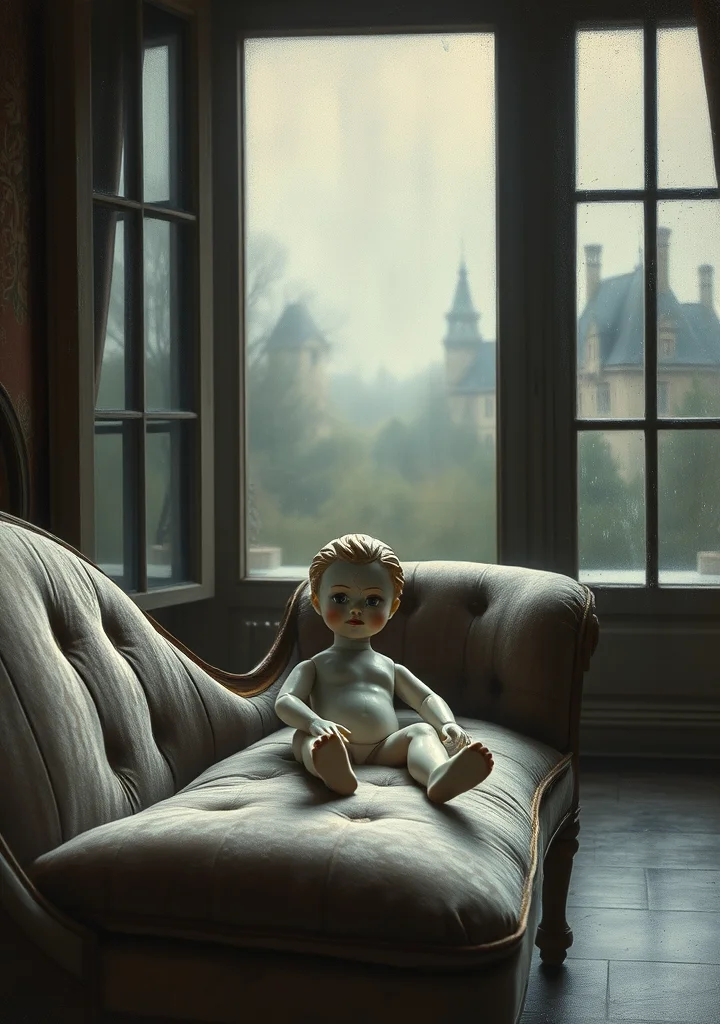
Dust motes dance in perpetual twilight within these tales, each a chipped shard of glass reflecting a fractured France. Maupassant doesn’t offer grand horrors, but the slow rot of provincial life, the stifling weight of inherited grief. Here, rain doesn’t simply fall; it seeps into the very mortar of decaying chateaux, mirroring the damp despair clinging to the characters. Every meticulously observed detail—a chipped porcelain doll, a wilting rose, a locked attic—becomes a symbol of quiet desperation. The air is thick with the scent of stale perfume and unspoken resentments. These aren't stories of monsters under the bed, but of the monsters *in* the bed, the ones gnawing at respectability and love. A creeping malaise settles over each narrative, born of boredom and the suffocating expectation of meaningless ritual. The landscapes themselves—dreary marshes, cobbled streets slick with autumn rain—are characters, actively complicit in the slow unraveling of the human spirit. A pervasive sense of inevitability hangs over these narratives, a premonition of lives lived out in shadow, ending not with a scream, but a sigh. The darkness is not spectacular, but insidious, blooming in the corners of polite society until it consumes everything.
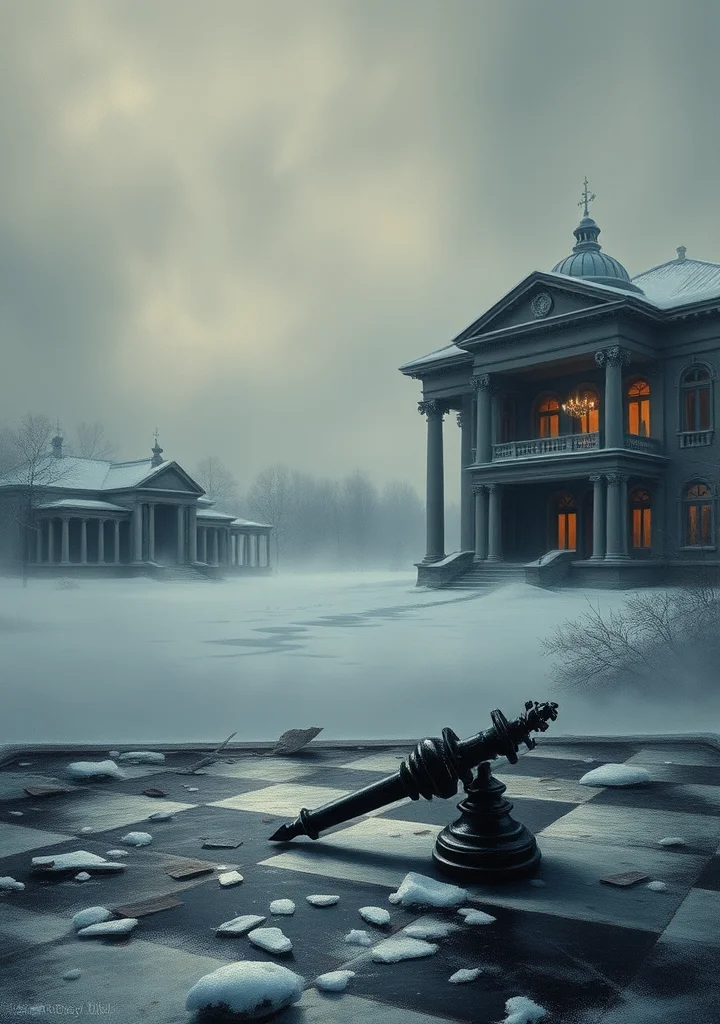
A perpetual twilight clings to the estates of Russia, mirroring the encroaching darkness within the souls of its aristocracy. The scent of damp earth and decaying grandeur permeates every ballroom, every whispered conversation. It is a world built on brittle foundations of honor, where ambition festers like a slow poison beneath polished surfaces. Battles rage not just on frozen fields of snow, but within the chambers of the heart, carving away at innocence and leaving only the hollow echo of loss. The grand houses themselves seem to weep with the weight of generations, their shadows stretching long and hungry across the vast, unforgiving landscape. A suffocating stillness descends with each winter, a silence broken only by the distant drums of war—or the stifled cries of those trapped within gilded cages. The very air tastes of ash and regret, a constant reminder of fortunes built on ruin and lives consumed by the insatiable hunger of empire. Every gilded smile hides a secret sorrow, every victory a pyrrhic cost. It is a slow unraveling, a descent into the labyrinth of human frailty where even love itself becomes a battlefield, and the ghosts of what *could have been* haunt the corridors of memory long after the cannons fall silent. The weight of history presses down, a suffocating shroud woven from ambition, sacrifice, and the lingering scent of decay.

A chill wind whispers through sun-bleached Spanish ruins, carrying the scent of brine and decay. Don Juan is not merely a man, but a shadow stretched long across a continent, a fever dream of indulgence and disillusionment. His journey is one of restless flight, not from justice, but from the suffocating weight of a world built on hypocrisy. Each port, each encounter, peels back another layer of gilded rot, revealing a darkness that clings to him like the salt spray on a decaying mast. The narrative unravels through fractured confessions, a labyrinth of wit and weariness where cynicism blooms like night-blooming cereus. Every smile is a reprieve from a deeper, unspoken grief; every embrace, a fleeting warmth against an encroaching cold. The Mediterranean burns with a feverish brilliance, mirroring the protagonist’s own self-consuming passions, while the echoes of battles – both won and lost – resonate in the hollow chambers of his heart. He drifts through aristocratic salons and Moorish harems, a phantom observer caught between desire and despair. The sea itself seems to conspire with his melancholic fate, drawing him towards a horizon perpetually shrouded in mist. His is a tale of exquisite ruin, where beauty and brutality intertwine, leaving the reader adrift in a sea of unanswered questions and the lingering scent of jasmine and gunpowder. A perpetual twilight clings to his existence, a haunting reminder that even the most dazzling brilliance casts the longest shadows.
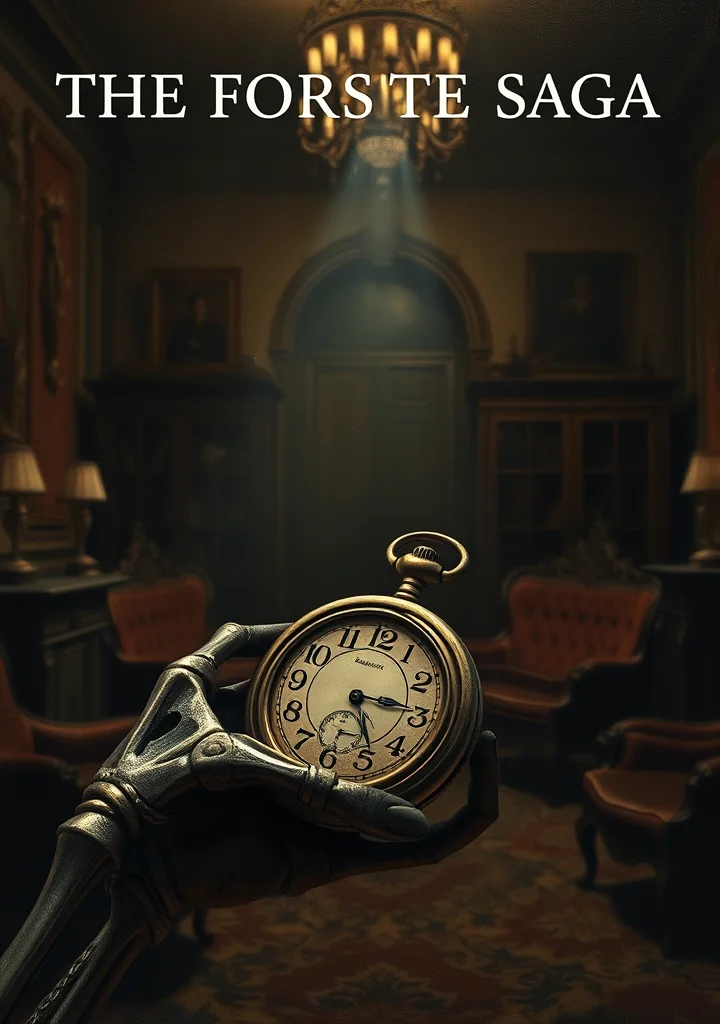
A creeping dread clings to the shadowed halls of Forsyte House, a dynasty built on ambition and the slow rot of inherited wealth. Generations exhale their discontent within gilded cages, each acquisition—silver, portraits, a coveted wife—a binding chain forged in the dim light of Victorian drawing rooms. The air thickens with unspoken resentments, the scent of decaying lace and the bitter taste of thwarted desires. A suffocating politeness masks a ravenous hunger for legacy, where love is bartered as property and the heart, a brittle thing, is slowly fractured against the unforgiving stone of family. Whispers follow the portraits, echoes of fortunes won and lost, and a pervasive sense of confinement, as if the very walls of the estate conspire to trap the Forsytes within their own gilded decline. The saga unfolds not with grand spectacle, but with the insidious drip of time, eroding trust and leaving only the skeletal remains of a once-proud lineage haunting the periphery of their opulent prison. A darkness descends, not from without, but from the insidious growth of avarice within the very heart of the Forsyte name.
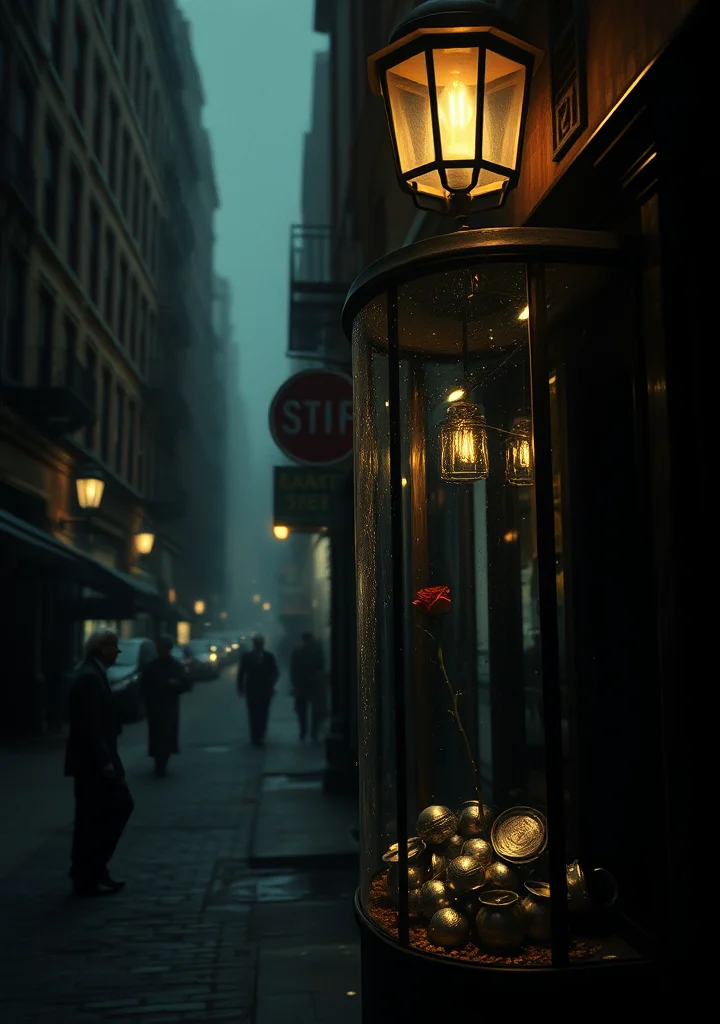
Dust motes dance in the gaslight, illuminating a New York draped in perpetual twilight. These stories, brittle as dried leaves, whisper of lives lived on the periphery—the pawnbroker’s melancholic inventory, the clerk’s desperate gamble for love, a forgotten bloom pressed between the pages of a ledger. Each vignette is a shadowed alleyway, a brief encounter with a stranger whose fate is already etched in the grime of the city. A hollow ache permeates the prose, a recognition that even the most ardent desires are destined to fray into regret. The scent of stale cigars and faded velvet clings to these pages, mirroring the disillusionment of those who seek fortune only to find themselves swallowed by the urban labyrinth. Beneath the veneer of wit, a current of loneliness flows—a quiet desperation that clings to the reader long after the final, clipped sentence fades into the gloom. The heartbreaks aren’t grand, but insidious—a chipped teacup, a misplaced word—each detail a shard of shattered hope. The city breathes around them, indifferent to their small tragedies, and their stories vanish into the fog like ghosts.
A creeping dampness clings to the shadowed halls of the narrative, a melancholic ache woven into every stone. This is not a tale of heroism, but of echoes—of a fractured self mirrored in stained glass and decaying tapestries. The protagonist is haunted not by demons, but by the absence of light, by the way grief curdles into an unnameable dread within the labyrinthine corridors of memory. Each stanza, each verse, is a descent into a forgotten chapel where the air tastes of dust and regret. The world is rendered in shades of bruised plum and twilight grey, where the boundaries between dream and waking blur. A suffocating stillness permeates the pages, broken only by the rustle of unseen wings and the distant chime of a bell tolling for a loss long past reckoning. It is a story steeped in the scent of withered roses, the weight of unspoken sorrows, and the chilling realization that paradise—or its shadow—may be found only in the fractured fragments of what once was. The narrative unravels like a shroud, revealing not a monster to be slain, but a hollowed space within the soul, where the very foundations of faith crumble into echoing silence.
A suffocating fog clings to the manor of the Embleys, mirroring the insidious certainty that consumes its master, Julius Embley. The narrative unfolds not with grand horrors, but with the chilling precision of a tightening noose. Each polite refusal, each dismissive glance, is a brick laid in a wall of quiet desperation. A creeping dread permeates the drawing rooms and shadowed hallways, born not of supernatural menace, but of a man utterly convinced of his own rectitude. The air is thick with the unspoken grievances of a stifled life, a brittle politeness masking a core of glacial ambition. Days bleed into weeks, shadowed by the oppressive weight of Embley's unwavering conviction, a conviction that curdles the very soil of his estate. The scent of decaying roses and stale ambition lingers in every room, a testament to the slow, meticulous erosion of empathy and the suffocating power of self-righteousness. It is a story of rot from within, where the true darkness resides not in the shadows, but in the meticulously ordered chambers of a man who believes he alone understands what is best. The narrative unfolds as a slow suffocation, a tightening of the screws of social constraint, leaving the reader gasping for air alongside those trapped in Embley's orbit.
A creeping fog clings to the moorland estate of Blackwood, where young Alistair, orphaned and bound to a melancholic tutor, discovers a hidden chamber filled with verses scrawled in a fevered hand. These poems, fragments of a lost lineage, bleed into his waking dreams, revealing not merely verses but echoes of a spectral grief woven into the very stones of Blackwood. Each stanza unearthed unravels a tapestry of shadowed desires, haunted inheritances, and the chilling whisper of a woman lost to the peat bogs. The air grows thick with the scent of decaying roses and the weight of unspoken sorrows as Alistair’s pursuit of the poetry’s source draws him deeper into a labyrinth of ancestral despair. He finds himself shadowed by spectral presences, drawn to a ruined chapel where the verses seem to rise from the earth itself. The estate breathes with a slow, consuming decay; the very walls weep with the remembrance of lives consumed by longing. The poetry is not a key to understanding Blackwood, but a haunting mirror reflecting the decay of Alistair’s own soul as he becomes entangled in the spectral echoes of those who penned them, forever bound to the mournful cadence of a grief that refuses to be silenced. It is a descent into a world where the boundaries between the living and the dead blur with each verse, each shadow, each breath of the wind across the desolate moors.
A suffocating St. Petersburg winter clings to the very stones of the narrative, mirroring the frost creeping into the souls of its characters. This is not a tale of devils with pitchforks, but of demons born of feverish intellects and the hollow ache of modern despair. The air hangs thick with ideological rot, a stench of nihilism and fractured faith. Each scene unfolds in dimly lit rooms thick with tobacco smoke, haunted by the manic glint in the eyes of those possessed—not by spirits, but by ideas. A creeping madness unravels the city’s moral fabric, revealed in whispers and frenzied confessions. The novel’s pulse is a fever dream, escalating toward a grotesque carnival of destruction, where the boundaries between sanity and delirium blur. It’s a descent into a moral abyss, shadowed by the specter of revolution and the chilling certainty that the greatest demons reside not in the supernatural, but within the human heart. The narrative breathes with a suffocating claustrophobia, mirroring the stifled hopes of a generation teetering on the edge of collapse, consumed by a delirium of belief. A darkness that festers not in the shadows, but in the blinding light of reason twisted to its breaking point.
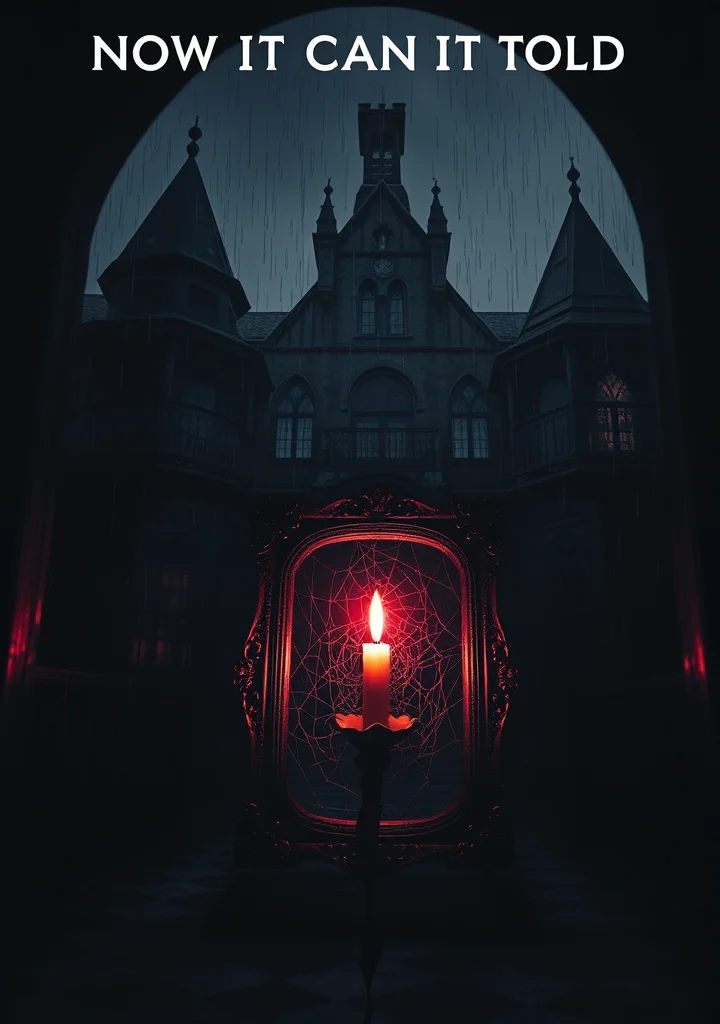
The manor exhales damp rot and regret. Rain bleeds across the leaded panes of Blackwood Hall, mirroring the slow, agonizing leak of memory within its walls. A suffocating silence clings to the shadowed corridors, punctuated only by the rasp of unseen things—rats, perhaps, or the ghosts of promises broken long ago. This is a story unearthed not from dusty tomes, but from the marrow of a house that remembers too much. It seeps into the present through fractured recollections, a fractured inheritance of grief and secrets. Each room breathes with the weight of what was, and what *cannot* be allowed to surface. A creeping dread settles with the dusk, as the narrative unravels like a shroud, revealing not a single horror, but a tapestry of them—woven from isolation, inherited madness, and the terrible bloom of a past that refuses to stay buried. The truth, when it finally bleeds forth, is less a revelation than a contagion—a sickness of the soul spreading through the decaying veins of Blackwood Hall, leaving only the echo of shattered lives in its wake. It is a tale of what happens when the silence becomes a witness, and the shadows finally speak.
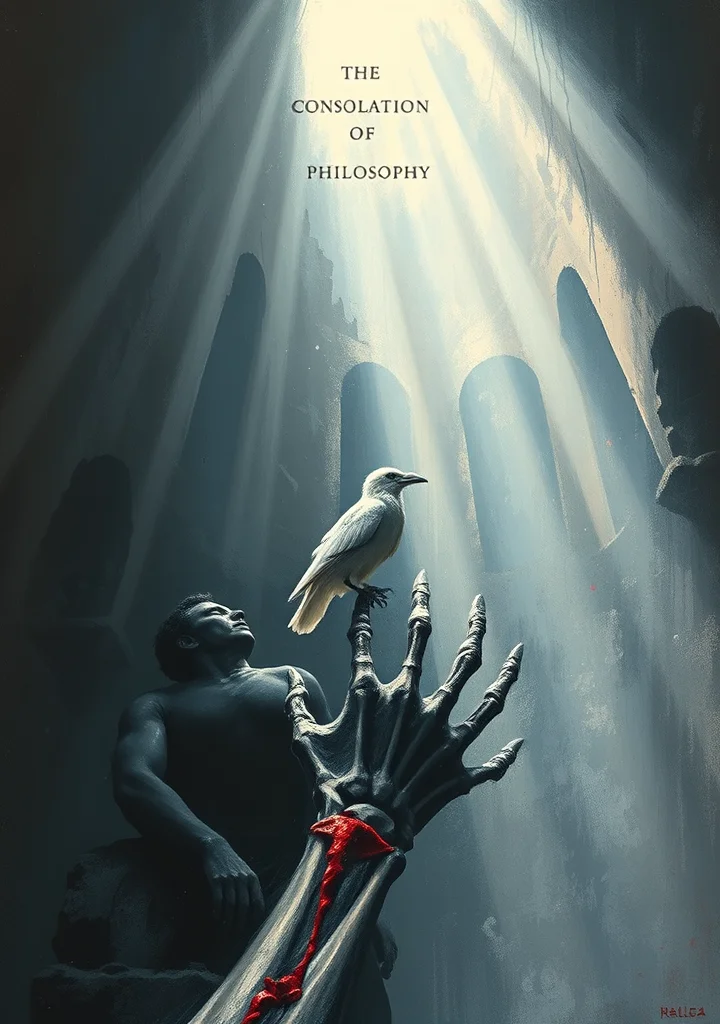
Dust motes dance in the fractured light of a crumbling tower, mirroring the fragments of a life shattered by exile and betrayal. Within these stone walls, a man—once a pillar of power, now stripped bare—grapples not with chains or bars, but with a grief that threatens to swallow him whole. He is haunted by the swift, cruel fall from grace, the whispers of accusations echoing in the hollows of his despair. But solace, or a twisted mockery of it, comes in the form of a spectral presence—Philosophy herself, a woman woven from starlight and sorrow, her voice a chilling balm against the wounds of the world. She leads him through labyrinthine corridors of thought, where reason battles with the phantom pain of loss. The air is thick with the scent of decay, both of the body politic and the soul. Visions of fortune’s wheel—a cruel, spinning device—loom large, showcasing the ephemeral nature of earthly power. Each argument, each carefully constructed verse, feels less like a comforting embrace and more like the cold touch of inevitability. The narrative is steeped in the grey of twilight, a perpetual autumn where every leaf falling is a reminder of what is lost. It is a meditation on the nature of good and evil, not as grand battles, but as insidious erosion, a slow poisoning of the spirit. The reader is drawn into a claustrophobic space where the only escape is through the labyrinth of the mind, where the architecture of despair is both beautiful and terrifying. Ultimately, the question lingers: is this consolation a true refuge, or merely a gilded cage built around a broken heart?