
The Master of Ballantrae
  • 125
  • 0
  • 18
  • Reads 125
  • 0
  • Part 18
Completed, First published Mar 02, 2026

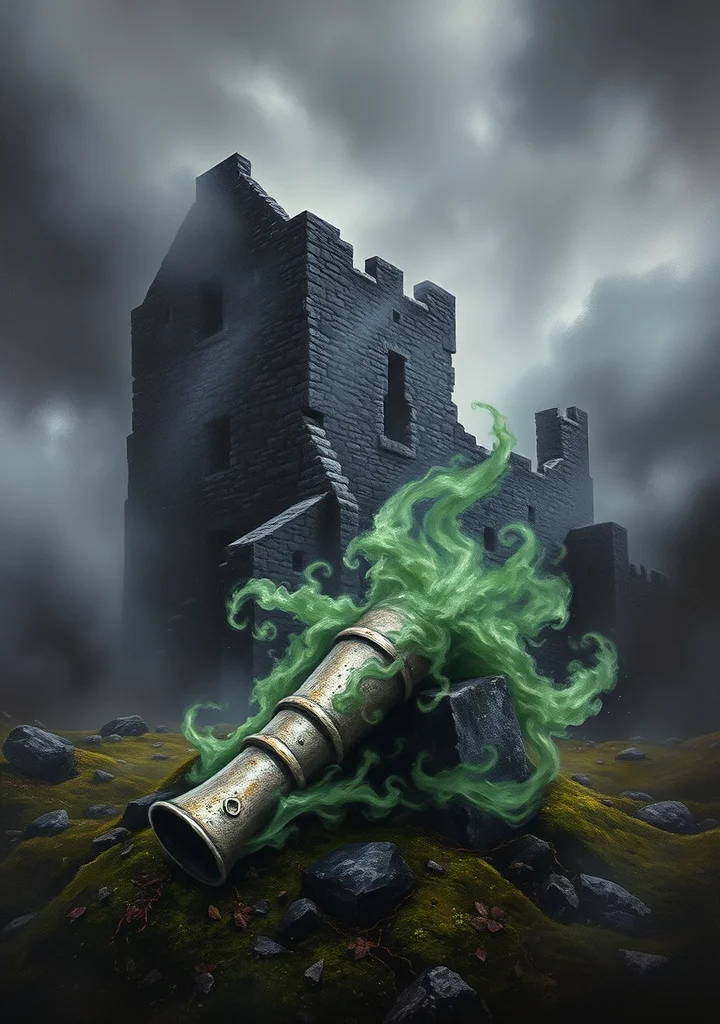
A creeping dread clings to the Scottish Highlands, mirroring the fractured legacy of the Durie family. Ballantrae, a stone-haunted estate, becomes the crucible for a rivalry born of birthright and fueled by a dark inheritance. The narrative unfolds as a spectral pursuit – a tale told in fragments, shadowed by a brother’s relentless, vengeful haunting across continents. Fog-drenched shores of the American colonies offer no escape, only amplify the isolation and decay. The air thickens with suspicion as the story unravels through the fractured perspective of a ship’s surgeon, a witness to escalating malice. Every shadowed cabin, every whispered accusation, hints at a rot within the very core of masculine pride. A chilling sense of claustrophobia pervades, even amidst vast landscapes, as the two brothers become bound by a twisted, inescapable connection. The novel breathes with the scent of salt and damp earth, echoing with the distant howl of wolves and the stifled cries of men driven to madness. It’s a descent into a moral wilderness, where loyalty and honor erode with each passing league, leaving behind only the spectral residue of a doomed brotherhood and the chilling question of who truly holds the master’s hand. The darkness isn’t merely *in* Ballantrae, but *of* Ballantrae - a contagion of the soul.
Copyright: Public Domain
This license allows anyone to use your story for any purpose, including printing, selling, or adapting it into a film freely.
Recommended for you
21 Part
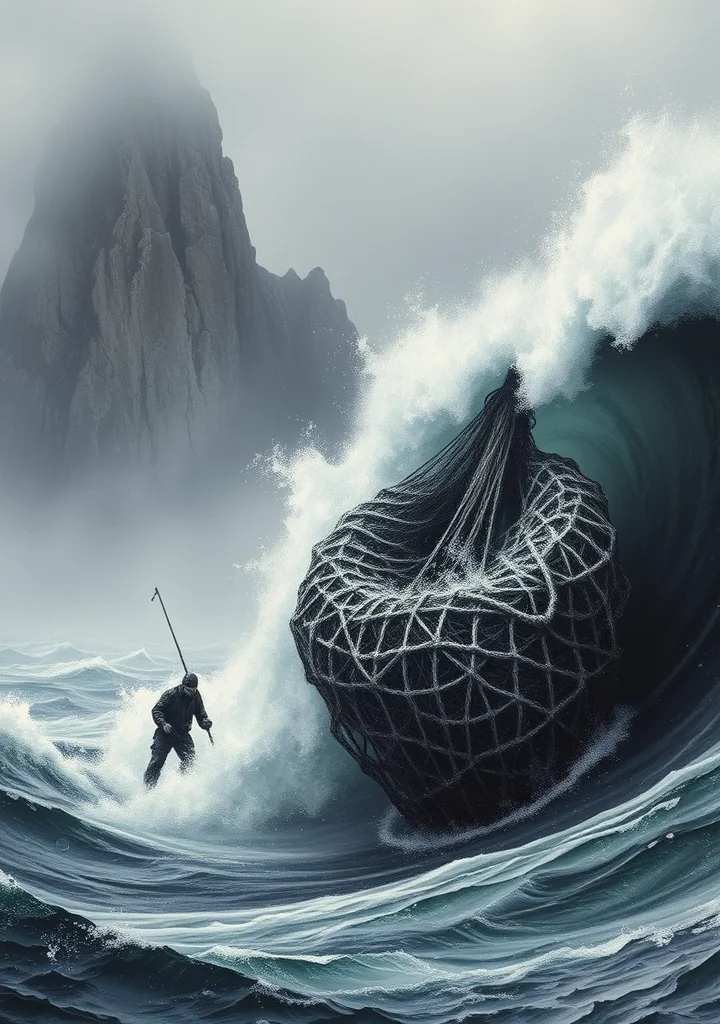
The crumbling Ralestone manor clings to the cliffs like a barnacle to a drowned wreck, perpetually shadowed by the bruised grey sky of the Northumbria coast. Within its damp stone walls, a legacy of misfortune doesn't merely linger, it *breathes*. Old Man Ralestone, they say, made a pact with the sea – trading generations of his family's prosperity for dominion over the treacherous currents. Now, his descendants inherit not wealth, but a creeping dread, a sense of being watched by something ancient and cold rising from the foam. The estate is choked with gnarled hawthorn and choked whispers of drowned sailors. Every high tide seems to drag a fragment of Ralestone's past – a chipped porcelain doll, a rusted fishing hook, a fragment of bone – to the shore. The manor house itself feels less like a dwelling and more like a lunging beast, its corridors twisting into labyrinthine shadows. A chilling, salt-laced wind howls through the empty hearths, carrying the echoes of broken promises and the scent of decay. Each room holds a portrait of a Ralestone, their faces gaunt and haunted, their eyes holding the same haunted recognition of a slow, inevitable sinking into the sea's grasp. The luck isn’t about winning or losing fortunes, but surviving until the next storm washes away another piece of the family’s sanity, leaving only the stones to remember their names. The very air is thick with the weight of a heritage that is not merely cursed, but *claimed* by the ocean’s hungry embrace.
36 Part
A creeping chill settles over the brownstone facades of New York, mirroring the slow, insidious decay of innocence within Catherine Sloper. The air hangs heavy with unspoken anxieties, thick with the scent of decaying roses and the hushed judgments of a society obsessed with pedigree. Every shadowed corner of Washington Square seems to breathe with the weight of expectation, a gilded cage designed to stifle the blossoming spirit of a woman deemed plain, practical, and possessed of a fortune too easily coveted. A suffocating inheritance becomes a cage of observation, where every glance, every calculated kindness, is a transaction in the currency of social climbing. The narrative unfolds as a slow, deliberate unraveling—a dance between perception and reality, shadowed by the predatory gaze of a man whose motives are as labyrinthine as the wrought iron gates guarding the square. A haunting sense of isolation permeates the story, clinging to the damp cobblestones and echoing in the cavernous parlors. It is a world rendered in shades of grey—the grey of dust motes dancing in sunbeams, the grey of faded portraits mirroring past failures, the grey of a heart slowly calcifying beneath layers of constraint. The very architecture seems to conspire to trap Catherine within a suffocating cycle of appraisal, and the final, desolate revelation will leave a residue of unspoken grief clinging to the reader long after the final page is turned. It is a portrait of a life lived not within warmth and light, but within the glacial shadow of expectation.
80 Part
Dust motes dance in the sun-bleached ruins of expectation. A brittle, ironic heat hangs over the Mediterranean, mirroring the slow decay of American idealism. These are not pilgrims seeking salvation, but specters adrift in a land of ancient shadows, their grand tour a procession of naive collisions with the ghosts of empires past. The air itself seems to mock their earnest inquiries, whispering of forgotten gods and the corrosive weight of history. Each meticulously chronicled observation, each well-intentioned jest, is a chipped tile in a crumbling mosaic of delusion. A creeping unease settles amongst the travelers as the landscape bleeds into their souls—a sickness of wonder and disappointment. The catacombs breathe secrets onto their faces, the Roman ruins echo with the laughter of long-dead emperors at their folly, and the very stones of Jerusalem seem to judge their presumptions. They are haunted by the silence of centuries, the weight of stone, and the hollow echo of their own unfulfilled desires. The Innocents, adrift on a sea of expectation, find themselves mirrored in the hollow eyes of ancient statues—each a testament to the futility of human ambition. The sun scorches not only the earth but also the fragile veneer of their optimism, revealing the creeping rot beneath the polished surfaces of their faith. This journey is not a revelation, but an excavation of the heart’s own barren landscape. It is a slow descent into the sepulcher of lost innocence, where the only monuments are the ruins of their own making.