
-
Read 696
-
0
-
Part 60
Completed, First published Mar 02, 2026
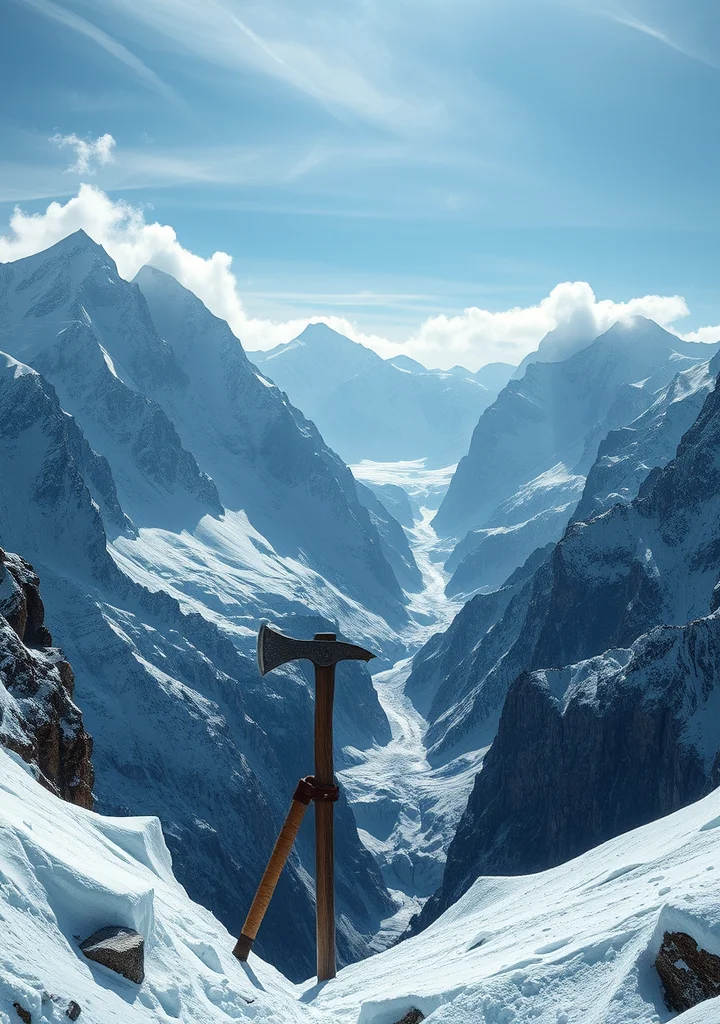
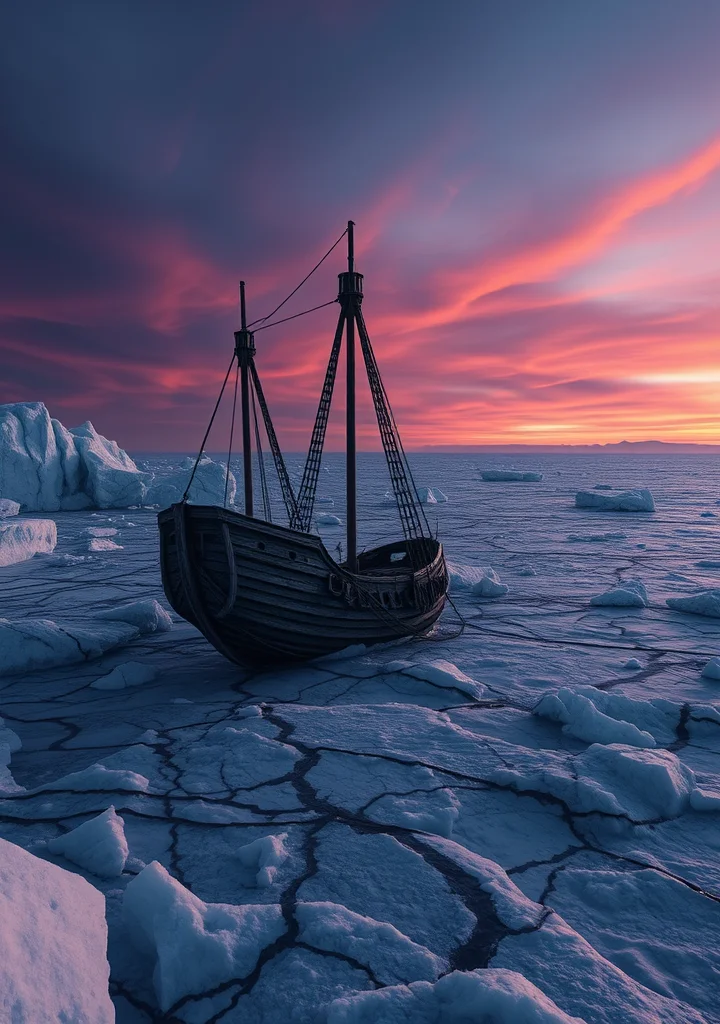
A creeping frost clings to the timbers of the *Forward*, a vessel driven not by trade, but by obsession. Captain Hatteras, consumed by a glacial madness, steers his crew towards the North Magnetic Pole, a phantom point on a map of despair. The narrative exhales with the icy breath of the Arctic – a suffocating stillness broken only by the grinding of ice floes and the fracturing of men’s wills. Days bleed into weeks, then months, under a sky of perpetual twilight, as the ship becomes a tomb adrift on a sea of white. The crew, trapped within a steel womb, succumb to the delirium of isolation, haunted by visions of impossible landscapes and the gnawing fear of what waits beneath the frozen waves. It’s not merely a quest for geographical conquest, but a descent into the heart of a frigid god, a surrender to the white, implacable gaze of a landscape that promises not discovery, but annihilation. The air tastes of brine and the rot of hope, as the boundaries between reality and hallucination dissolve into a spectral haze, leaving only the chilling certainty that they are utterly, irrevocably lost. The very wood groans with the weight of a silence that threatens to swallow them whole.
Copyright: Public Domain
This license allows anyone to use your story for any purpose, including printing, selling, or adapting it into a film freely.
This license allows anyone to use your story for any purpose, including printing, selling, or adapting it into a film freely.
Chapter List
-
« The Adventures of Captain Hatteras »📖 Continue Reading
-
« I »
-
« II »
-
« III »
-
« IV »
-
« V »
-
« VI »
-
« VII »
-
« VIII »
-
« IX »
-
« X »
-
« XI »
-
« XII »
-
« XIII »
-
« XIV »
-
« XV »
-
« XVI »
-
« XVII »
-
« XVIII »
-
« XIX »
-
« XX »
-
« XXI »
-
« XXII »
-
« XXIII »
-
« XXIV »
-
« XXV »
-
« XXVI »
-
« XXVII »
-
« XXVIII »
-
« XXIX »
-
« XXX »
-
« XXXI »
-
« XXXII »
-
« I »
-
« II »
-
« III »
-
« IV »
-
« V »
-
« VI »
-
« VII »
-
« VIII »
-
« IX »
-
« X »
-
« XI »
-
« XII »
-
« XIII »
-
« XIV »
-
« XV »
-
« XVI »
-
« XVII »
-
« XVIII »
-
« XIX »
-
« XX »
-
« XXI »
-
« XXII »
-
« XXIII »
-
« XXIV »
-
« XXV »
-
« XXVI »
-
« XXVII »
60
-
« The Adventures of Captain Hatteras »
-
« I »
-
« II »
-
« III »
-
« IV »
-
« V »
-
« VI »
-
« VII »
-
« VIII »
-
« IX »
-
« X »
-
« XI »
-
« XII »
-
« XIII »
-
« XIV »
-
« XV »
-
« XVI »
-
« XVII »
-
« XVIII »
-
« XIX »
-
« XX »
-
« XXI »
-
« XXII »
-
« XXIII »
-
« XXIV »
-
« XXV »
-
« XXVI »
-
« XXVII »
-
« XXVIII »
-
« XXIX »
-
« XXX »
-
« XXXI »
-
« XXXII »
-
« I »
-
« II »
-
« III »
-
« IV »
-
« V »
-
« VI »
-
« VII »
-
« VIII »
-
« IX »
-
« X »
-
« XI »
-
« XII »
-
« XIII »
-
« XIV »
-
« XV »
-
« XVI »
-
« XVII »
-
« XVIII »
-
« XIX »
-
« XX »
-
« XXI »
-
« XXII »
-
« XXIII »
-
« XXIV »
-
« XXV »
-
« XXVI »
-
« XXVII »
More like this