
-
Read 1.9K
-
0
-
Part 235
Completed, First published Mar 02, 2026
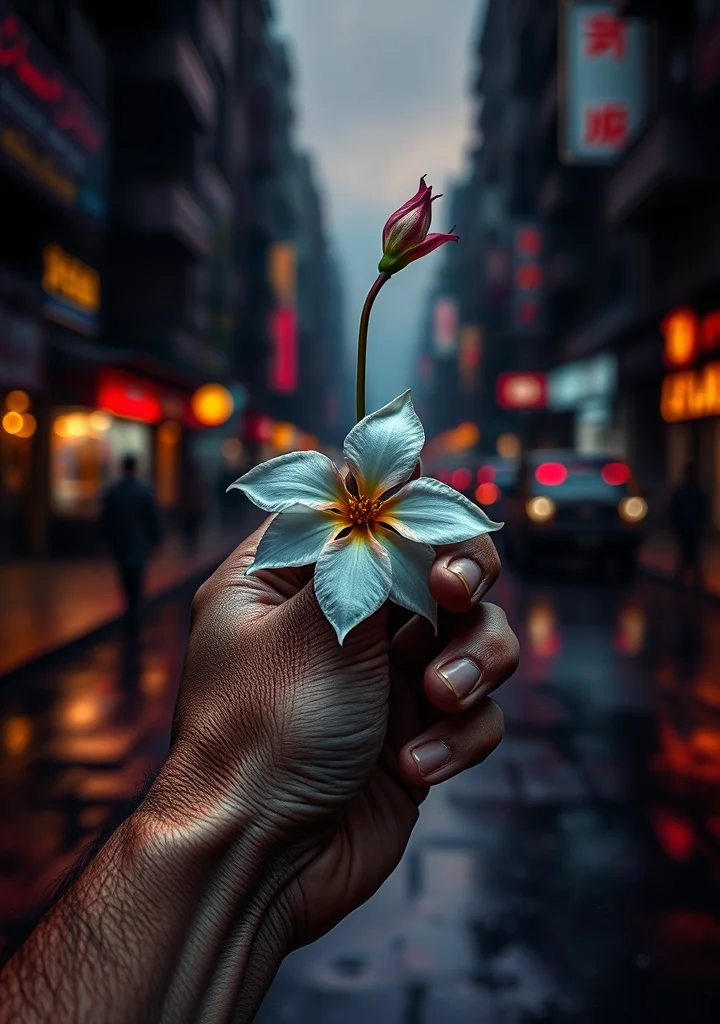
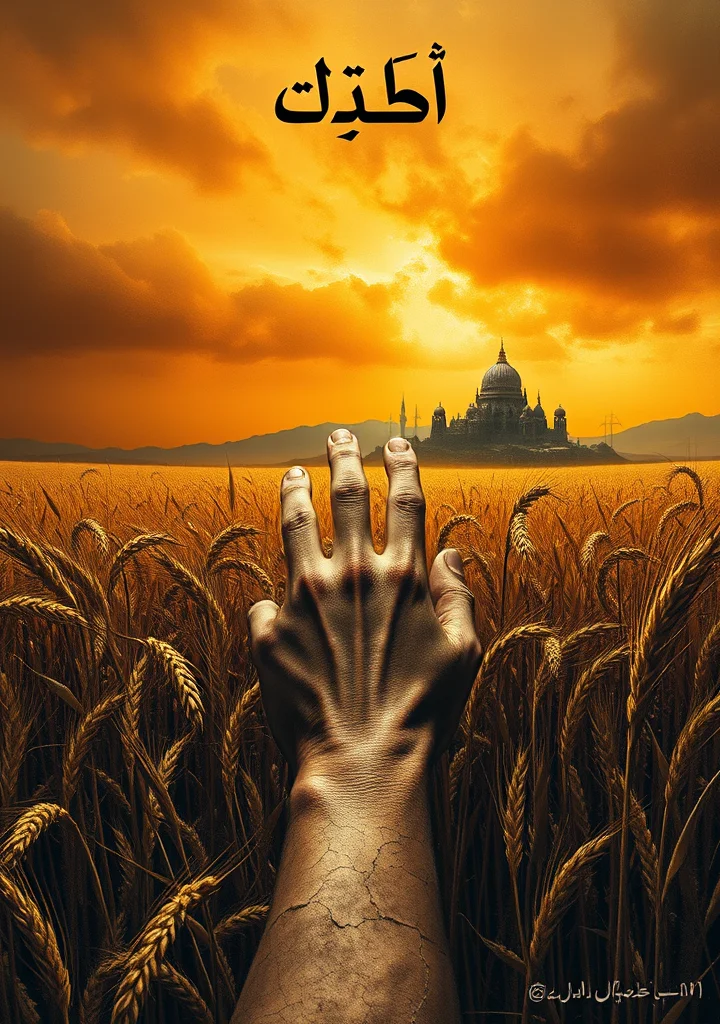
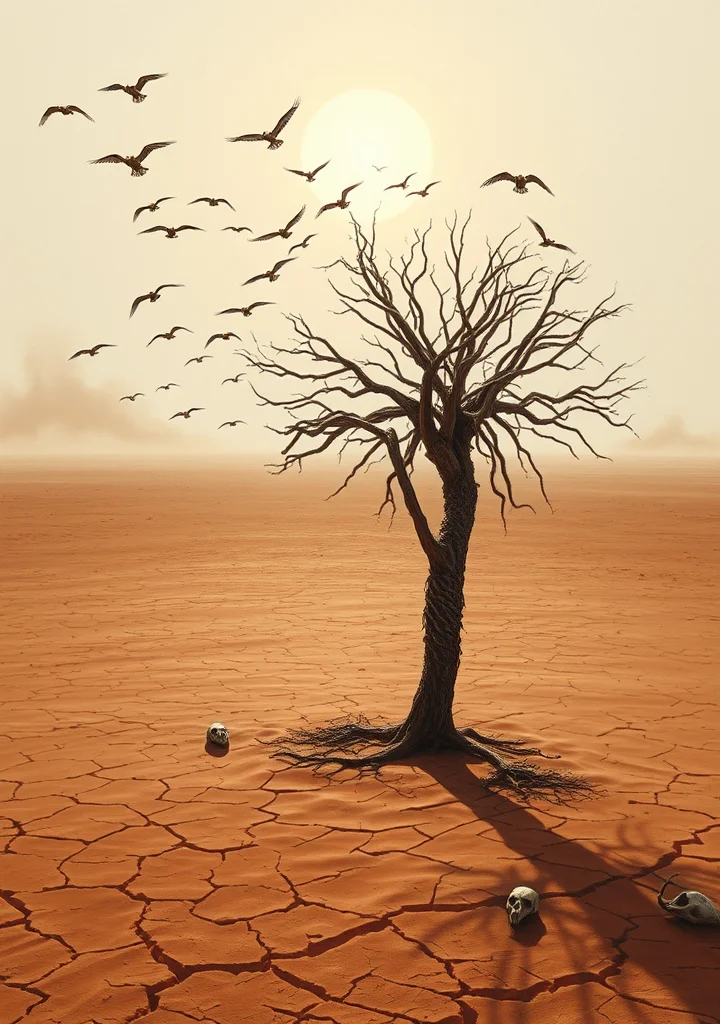
The chill of rural isolation clings to the very bricks of Arrowsmith’s life. A man driven by scientific fervor, yet tethered to a wife whose affections feel like winter frost against his skin. The narrative unfolds not as a triumph of progress, but as a slow erosion of faith—faith in a loving partnership, faith in the pursuit of knowledge untainted by commerce, faith in the very efficacy of healing itself. Each small town, each new laboratory, becomes a mausoleum of ambition, haunted by the ghosts of unmet potential and compromised ideals. A creeping despair permeates the prose, a miasma rising from the stagnant ponds of marital discord and the suffocating weight of societal expectation. The stark, snow-swept landscapes mirror the barrenness within, and the encroaching shadow of war casts a pall over the fragile sanctuary of Arrowsmith’s research. It’s a story not of discovery, but of a relentless unraveling, where the brightest minds find themselves entombed within the confines of their own making, the air growing thin with each desperate, failing breath. The narrative’s true horror isn’t disease itself, but the slow, agonizing realization that even the most noble of pursuits can be poisoned by the rot of human compromise.
Copyright: Public Domain
This license allows anyone to use your story for any purpose, including printing, selling, or adapting it into a film freely.
This license allows anyone to use your story for any purpose, including printing, selling, or adapting it into a film freely.
Chapter List
-
« Arrowsmith »📖 Continue Reading
-
« Chapter_3 »
-
« I »
-
« I »
-
« II »
-
« III »
-
« II »
-
« I »
-
« II »
-
« III »
-
« IV »
-
« V »
-
« VI »
-
« III »
-
« I »
-
« II »
-
« III »
-
« IV »
-
« V »
-
« VI »
-
« VII »
-
« IV »
-
« I »
-
« II »
-
« III »
-
« IV »
-
« V »
-
« I »
-
« II »
-
« III »
-
« IV »
-
« V »
-
« VI »
-
« VII »
-
« VI »
-
« I »
-
« II »
-
« III »
-
« IV »
-
« V »
-
« VII »
-
« I »
-
« II »
-
« III »
-
« IV »
-
« V »
-
« VI »
-
« VIII »
-
« I »
-
« II »
-
« III »
-
« IV »
-
« IX »
-
« I »
-
« II »
-
« III »
-
« X »
-
« I »
-
« II »
-
« III »
-
« IV »
-
« V »
-
« VI »
-
« XI »
-
« I »
-
« II »
-
« XII »
-
« I »
-
« II »
-
« III »
-
« IV »
-
« XIII »
-
« I »
-
« II »
-
« III »
-
« IV »
-
« XIV »
-
« I »
-
« II »
-
« XV »
-
« I »
-
« II »
-
« III »
-
« IV »
-
« V »
-
« VI »
-
« XVI »
-
« I »
-
« II »
-
« III »
-
« IV »
-
« V »
-
« XVII »
-
« I »
-
« II »
-
« III »
-
« IV »
-
« V »
-
« XVIII »
-
« I »
-
« II »
-
« III »
-
« XIX »
-
« I »
-
« II »
-
« III »
-
« IV »
-
« XX »
-
« I »
-
« II »
-
« III »
-
« IV »
-
« XXI »
-
« I »
-
« II »
-
« III »
-
« IV »
-
« XXII »
-
« I »
-
« II »
-
« III »
-
« IV »
-
« V »
-
« XXIII »
-
« I »
-
« II »
-
« III »
-
« IV »
-
« XXIV »
-
« I »
-
« II »
-
« III »
-
« IV »
-
« V »
-
« VI »
-
« XXV »
-
« I »
-
« II »
-
« III »
-
« XXVI »
-
« I »
-
« II »
-
« III »
-
« IV »
-
« V »
-
« XXVII »
-
« I »
-
« II »
-
« III »
-
« IV »
-
« V »
-
« VI »
-
« VII »
-
« VIII »
-
« XXVIII »
-
« I »
-
« II »
-
« III »
-
« XXIX »
-
« I »
-
« XXX »
-
« I »
-
« II »
-
« III »
-
« IV »
-
« V »
-
« XXXI »
-
« I »
-
« II »
-
« III »
-
« XXXII »
-
« I »
-
« II »
-
« III »
-
« IV »
-
« V »
-
« VI »
-
« VII »
-
« VIII »
-
« IX »
-
« XXXIII »
-
« I »
-
« II »
-
« III »
-
« IV »
-
« V »
-
« VI »
-
« XXXIV »
-
« I »
-
« II »
-
« III »
-
« IV »
-
« V »
-
« VI »
-
« VII »
-
« XXXV »
-
« I »
-
« II »
-
« III »
-
« IV »
-
« V »
-
« VI »
-
« VII »
-
« VIII »
-
« XXXVI »
-
« I »
-
« II »
-
« III »
-
« IV »
-
« V »
-
« VI »
-
« VII »
-
« XXXVII »
-
« I »
-
« II »
-
« III »
-
« IV »
-
« V »
-
« VI »
-
« XXXVIII »
-
« I »
-
« II »
-
« III »
-
« XXXIX »
-
« I »
-
« II »
-
« III »
-
« IV »
-
« V »
-
« VI »
-
« XL »
-
« I »
-
« II »
-
« III »
-
« IV »
235
-
« Arrowsmith »
-
« Chapter_3 »
-
« I »
-
« I »
-
« II »
-
« III »
-
« II »
-
« I »
-
« II »
-
« III »
-
« IV »
-
« V »
-
« VI »
-
« III »
-
« I »
-
« II »
-
« III »
-
« IV »
-
« V »
-
« VI »
-
« VII »
-
« IV »
-
« I »
-
« II »
-
« III »
-
« IV »
-
« V »
-
« I »
-
« II »
-
« III »
-
« IV »
-
« V »
-
« VI »
-
« VII »
-
« VI »
-
« I »
-
« II »
-
« III »
-
« IV »
-
« V »
-
« VII »
-
« I »
-
« II »
-
« III »
-
« IV »
-
« V »
-
« VI »
-
« VIII »
-
« I »
-
« II »
-
« III »
-
« IV »
-
« IX »
-
« I »
-
« II »
-
« III »
-
« X »
-
« I »
-
« II »
-
« III »
-
« IV »
-
« V »
-
« VI »
-
« XI »
-
« I »
-
« II »
-
« XII »
-
« I »
-
« II »
-
« III »
-
« IV »
-
« XIII »
-
« I »
-
« II »
-
« III »
-
« IV »
-
« XIV »
-
« I »
-
« II »
-
« XV »
-
« I »
-
« II »
-
« III »
-
« IV »
-
« V »
-
« VI »
-
« XVI »
-
« I »
-
« II »
-
« III »
-
« IV »
-
« V »
-
« XVII »
-
« I »
-
« II »
-
« III »
-
« IV »
-
« V »
-
« XVIII »
-
« I »
-
« II »
-
« III »
-
« XIX »
-
« I »
-
« II »
-
« III »
-
« IV »
-
« XX »
-
« I »
-
« II »
-
« III »
-
« IV »
-
« XXI »
-
« I »
-
« II »
-
« III »
-
« IV »
-
« XXII »
-
« I »
-
« II »
-
« III »
-
« IV »
-
« V »
-
« XXIII »
-
« I »
-
« II »
-
« III »
-
« IV »
-
« XXIV »
-
« I »
-
« II »
-
« III »
-
« IV »
-
« V »
-
« VI »
-
« XXV »
-
« I »
-
« II »
-
« III »
-
« XXVI »
-
« I »
-
« II »
-
« III »
-
« IV »
-
« V »
-
« XXVII »
-
« I »
-
« II »
-
« III »
-
« IV »
-
« V »
-
« VI »
-
« VII »
-
« VIII »
-
« XXVIII »
-
« I »
-
« II »
-
« III »
-
« XXIX »
-
« I »
-
« XXX »
-
« I »
-
« II »
-
« III »
-
« IV »
-
« V »
-
« XXXI »
-
« I »
-
« II »
-
« III »
-
« XXXII »
-
« I »
-
« II »
-
« III »
-
« IV »
-
« V »
-
« VI »
-
« VII »
-
« VIII »
-
« IX »
-
« XXXIII »
-
« I »
-
« II »
-
« III »
-
« IV »
-
« V »
-
« VI »
-
« XXXIV »
-
« I »
-
« II »
-
« III »
-
« IV »
-
« V »
-
« VI »
-
« VII »
-
« XXXV »
-
« I »
-
« II »
-
« III »
-
« IV »
-
« V »
-
« VI »
-
« VII »
-
« VIII »
-
« XXXVI »
-
« I »
-
« II »
-
« III »
-
« IV »
-
« V »
-
« VI »
-
« VII »
-
« XXXVII »
-
« I »
-
« II »
-
« III »
-
« IV »
-
« V »
-
« VI »
-
« XXXVIII »
-
« I »
-
« II »
-
« III »
-
« XXXIX »
-
« I »
-
« II »
-
« III »
-
« IV »
-
« V »
-
« VI »
-
« XL »
-
« I »
-
« II »
-
« III »
-
« IV »
More like this