
-
Read 753
-
0
-
Part 78
Completed, First published Mar 02, 2026
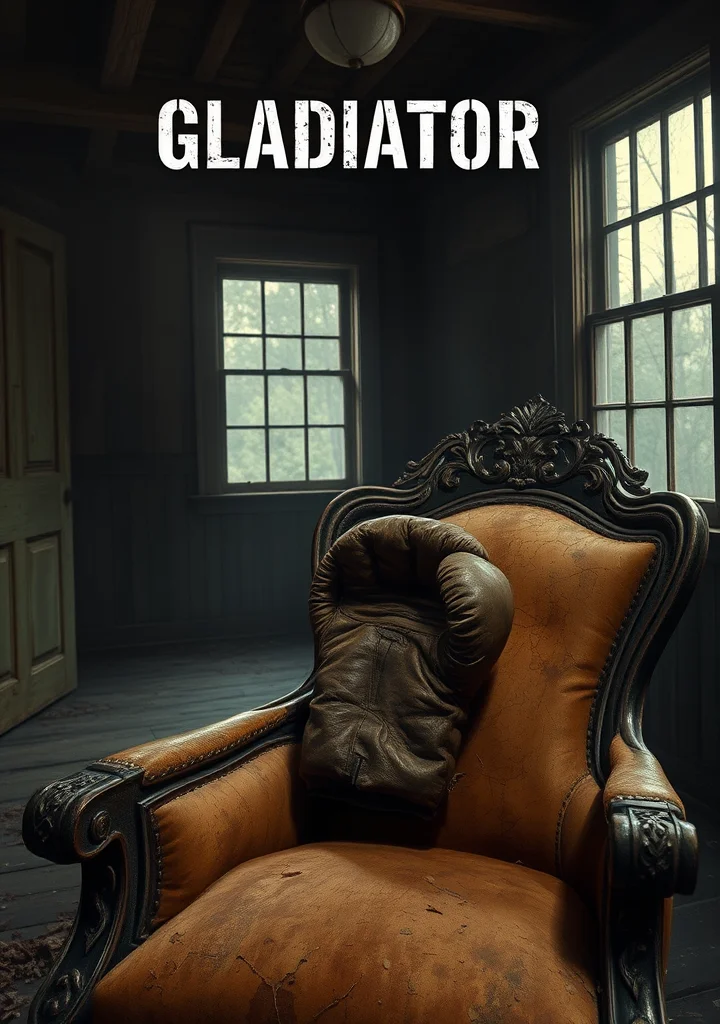
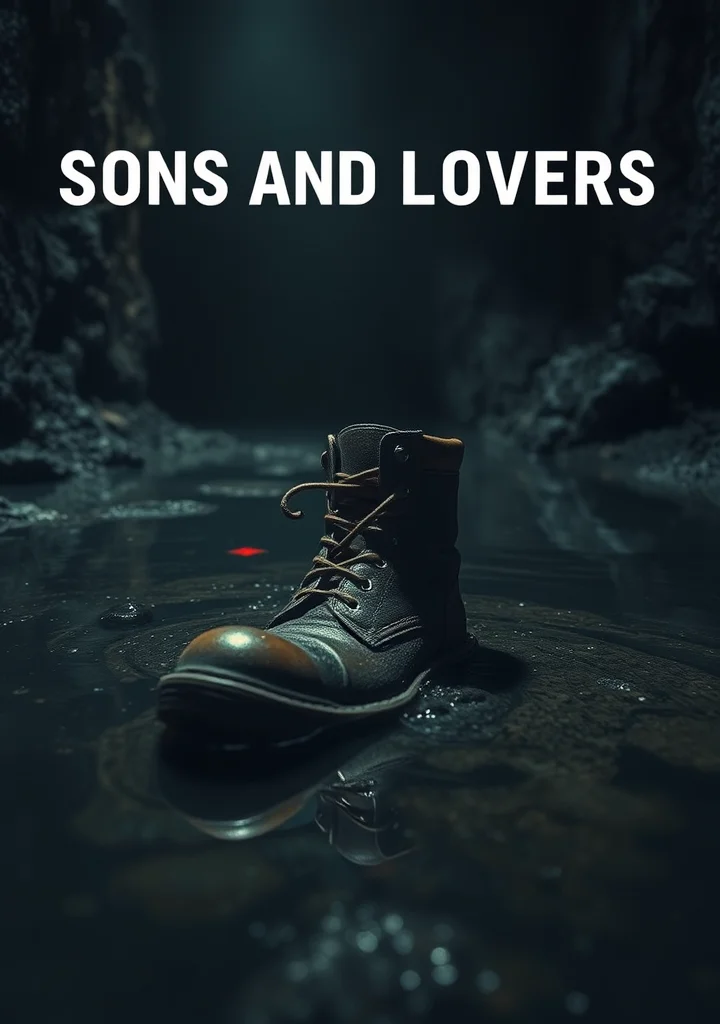
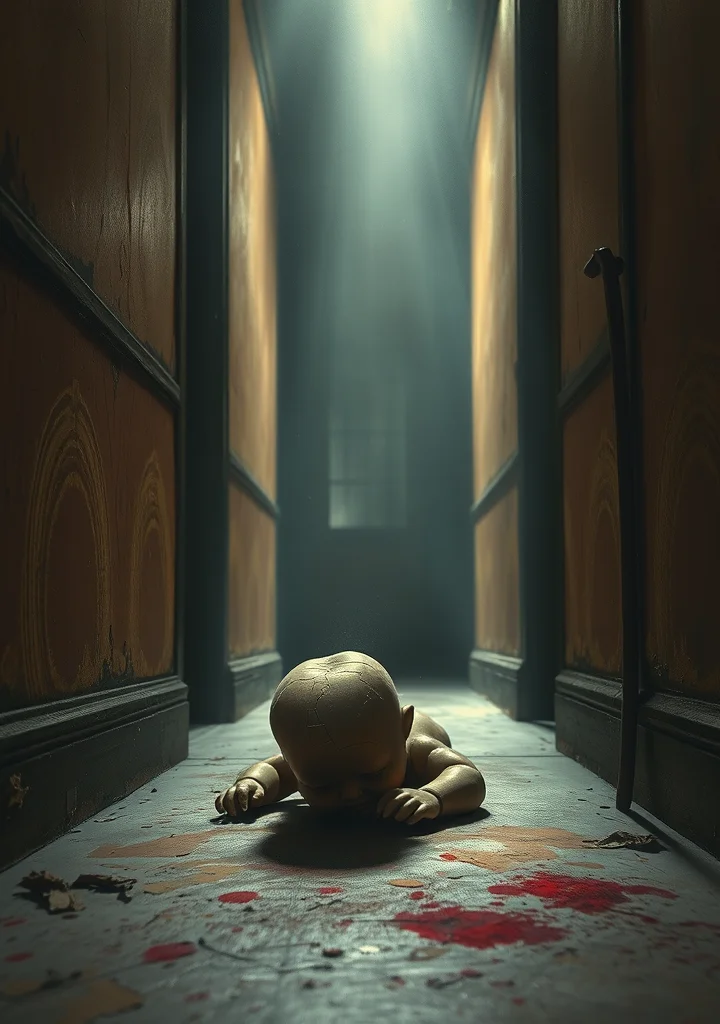
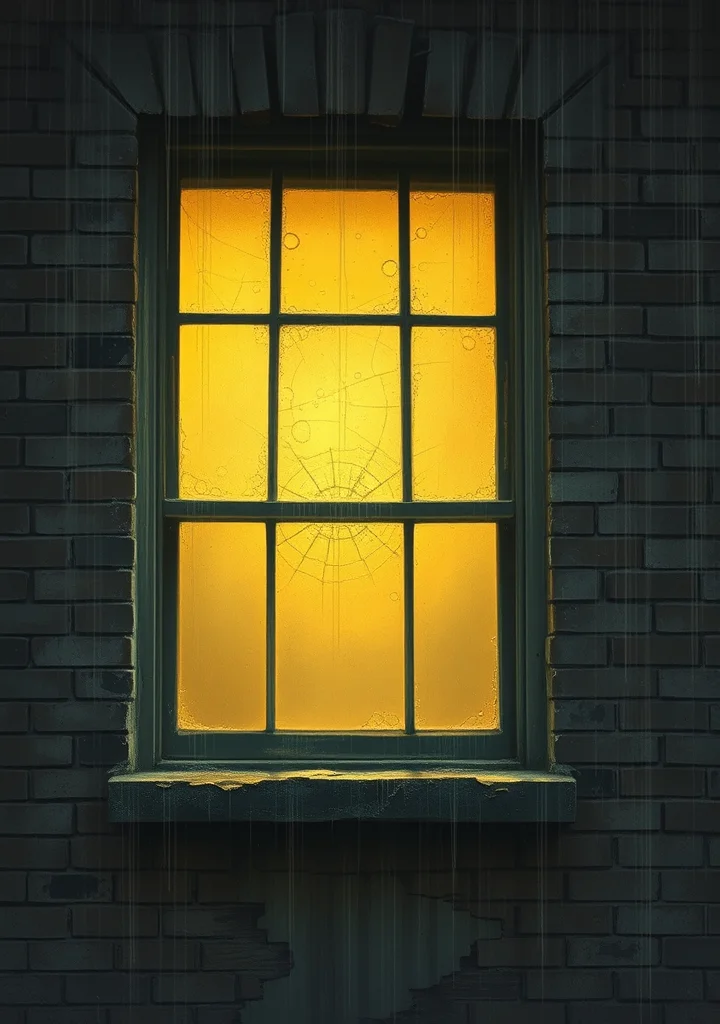
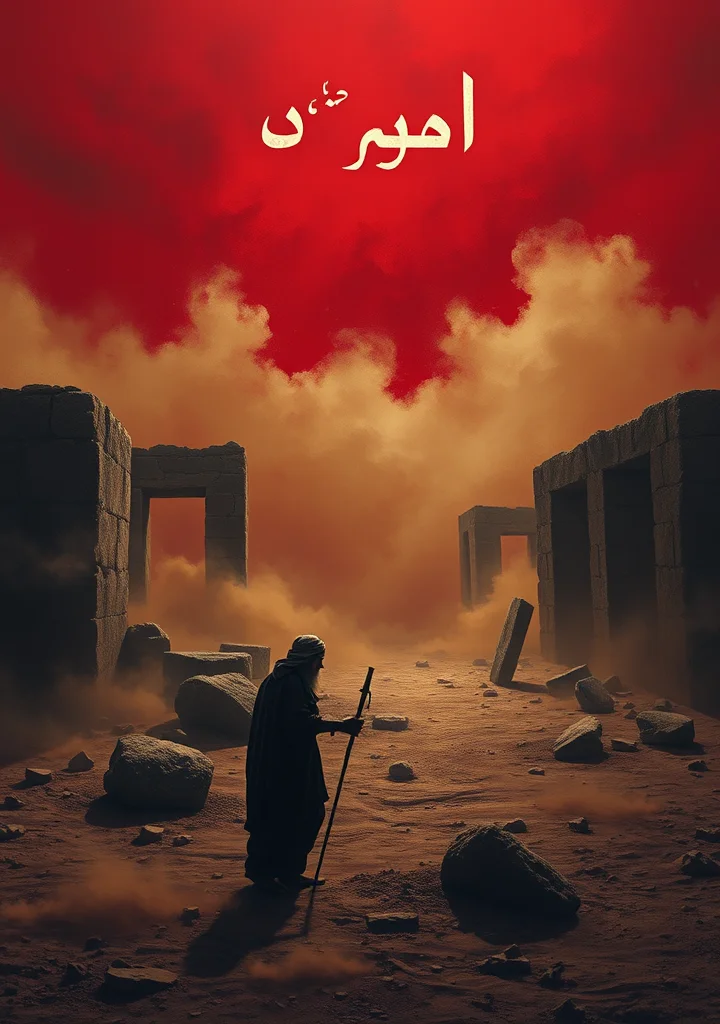
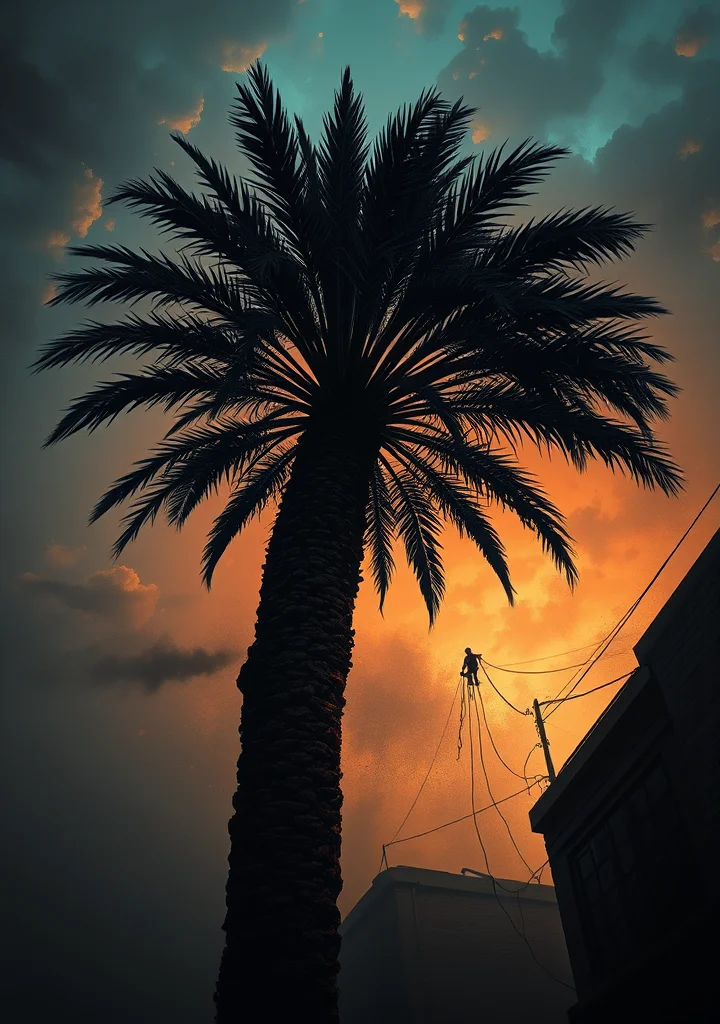
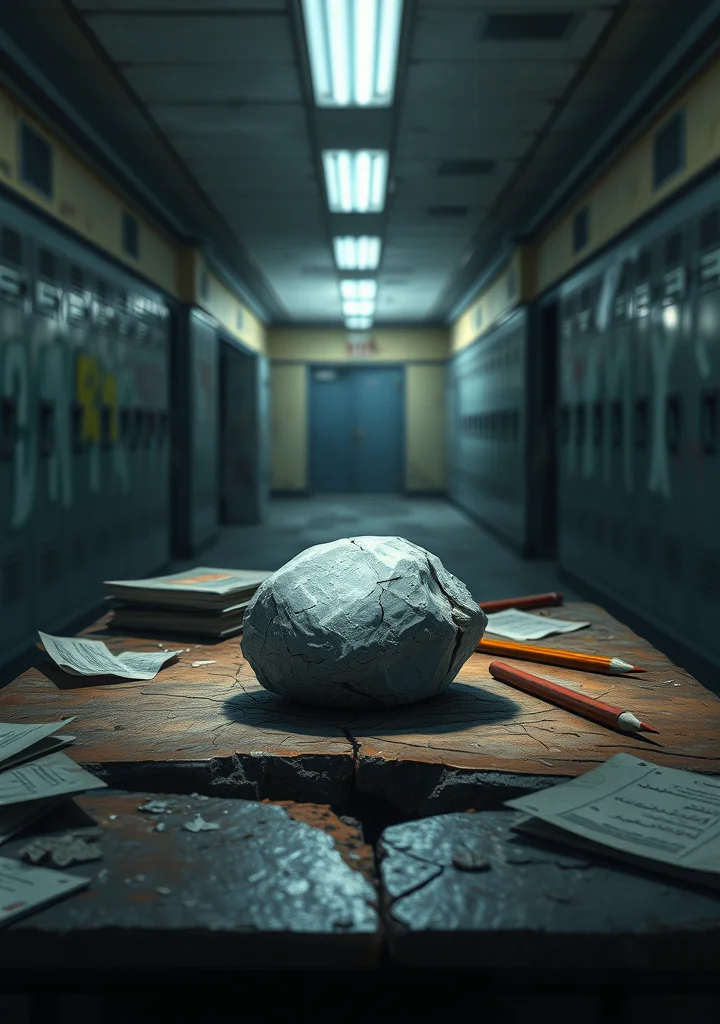
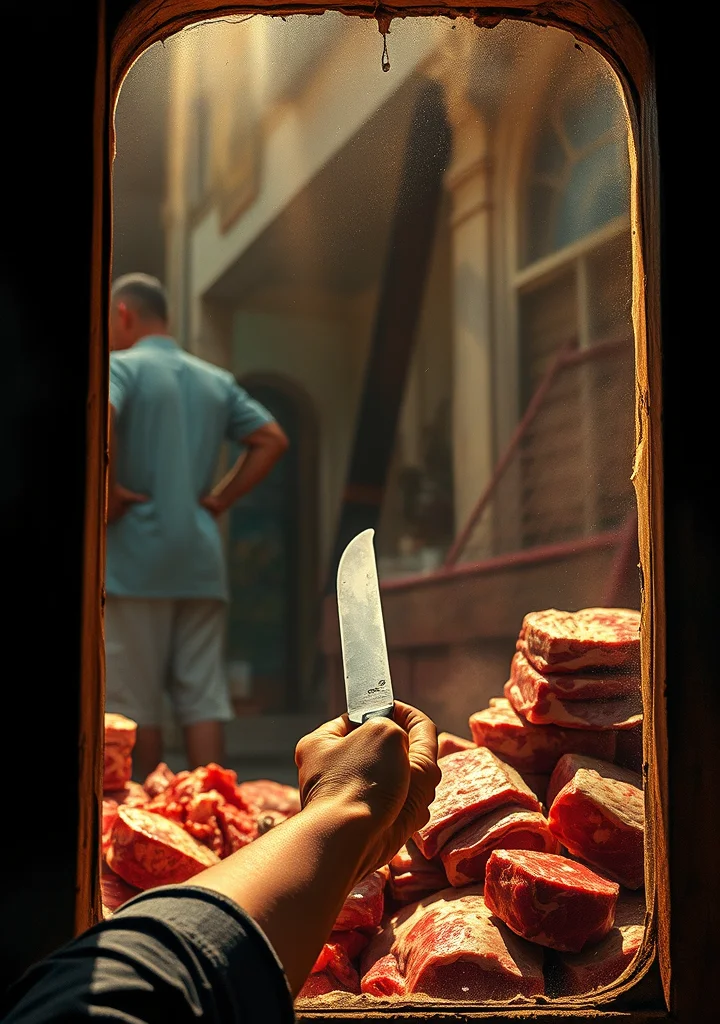
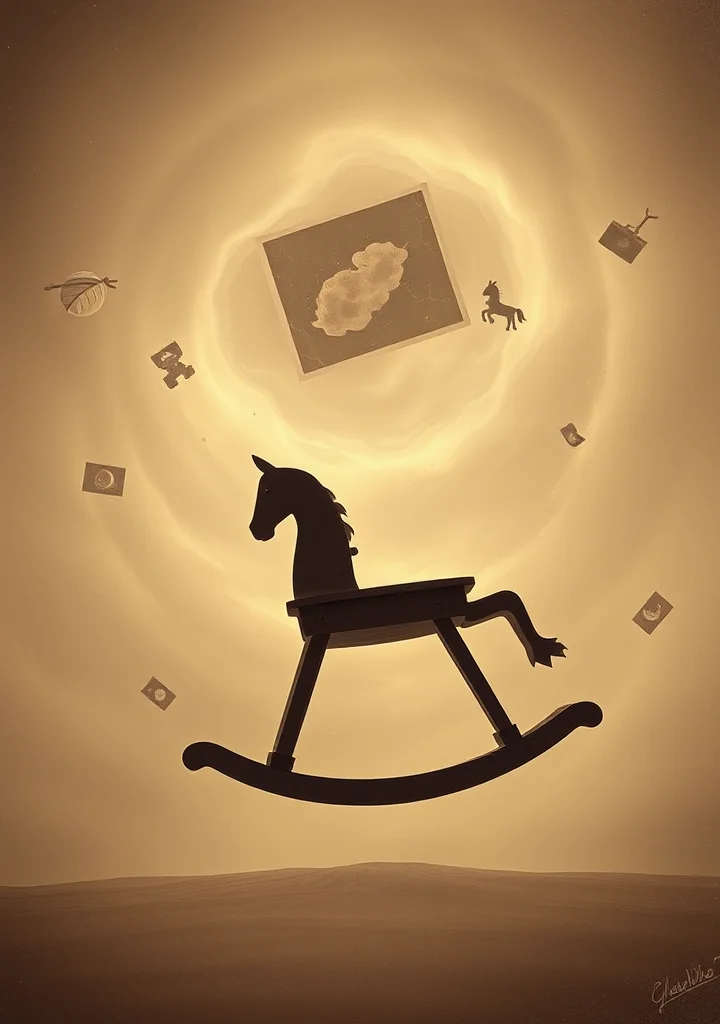
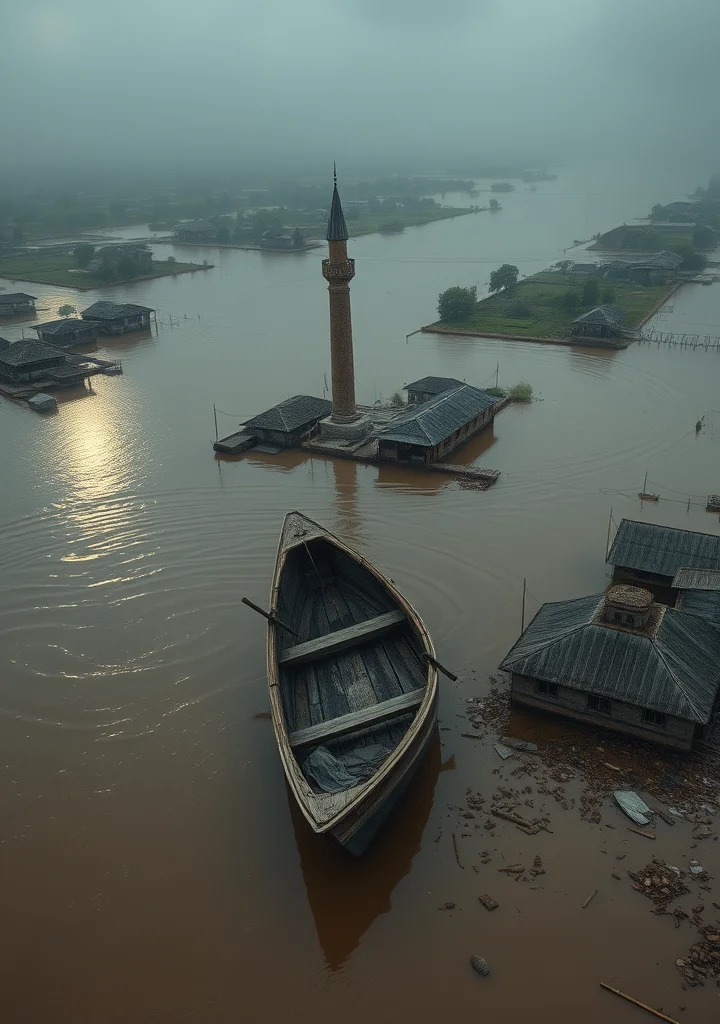
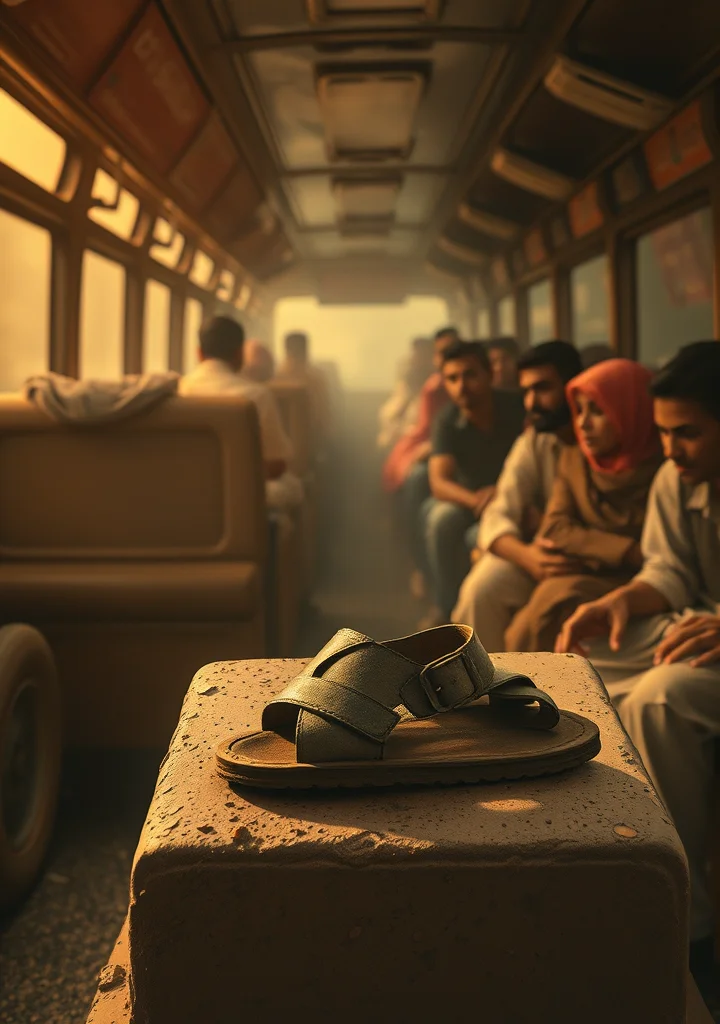
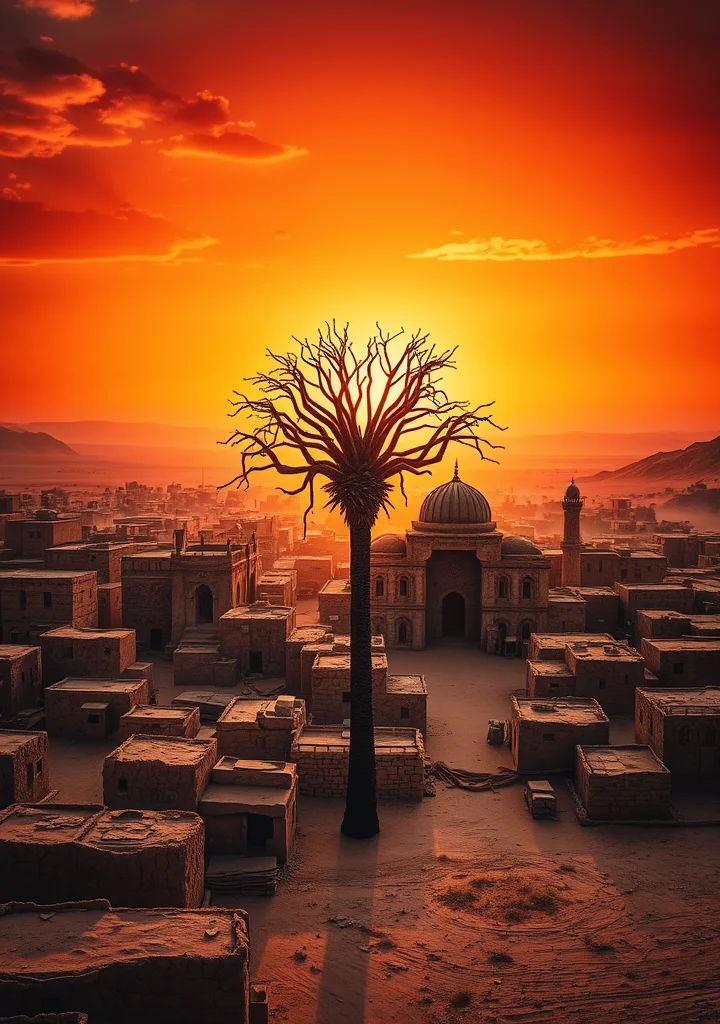
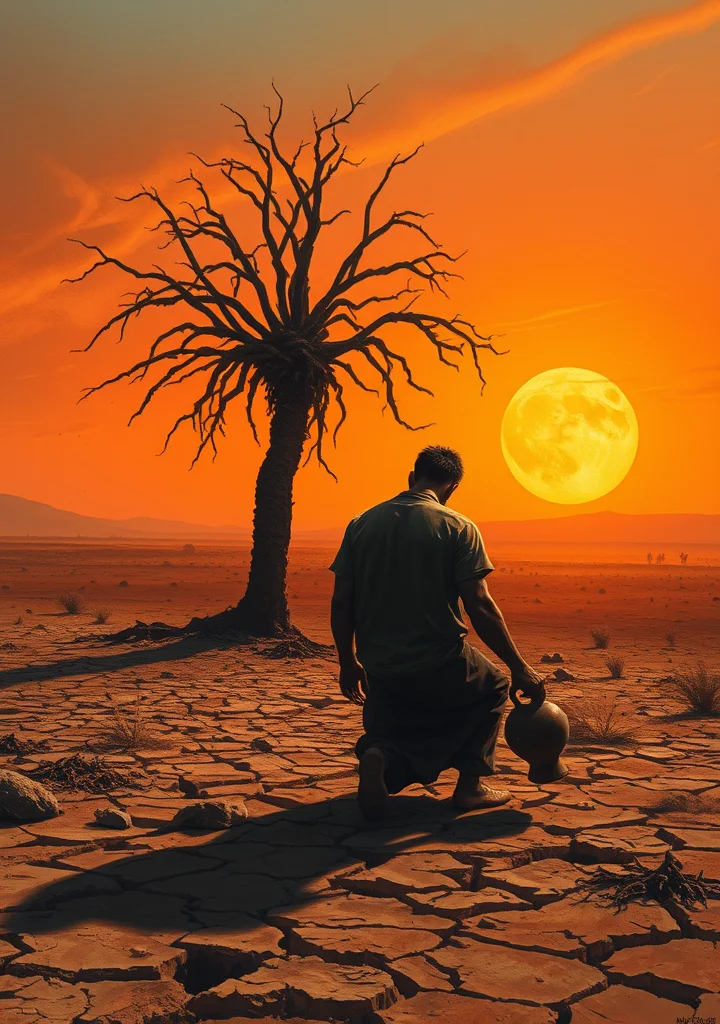
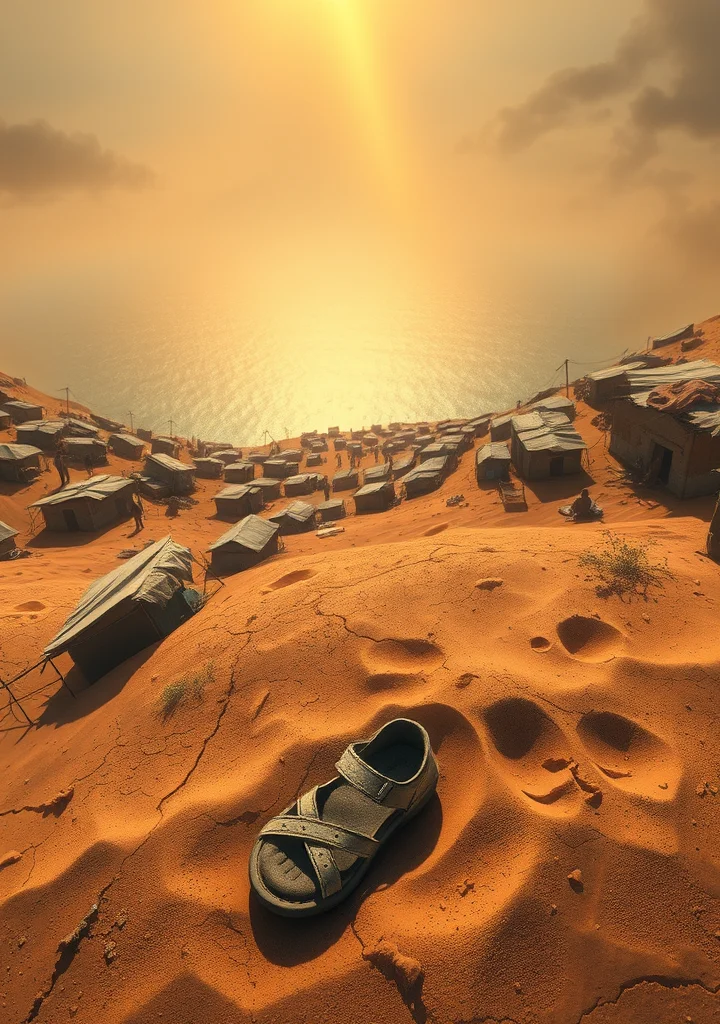
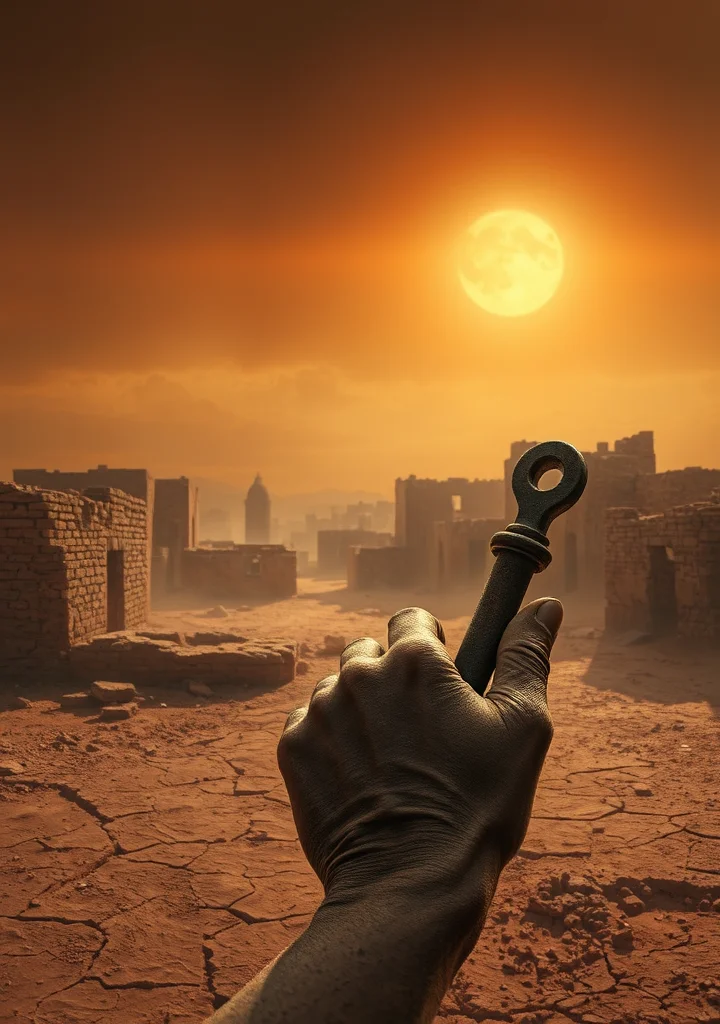
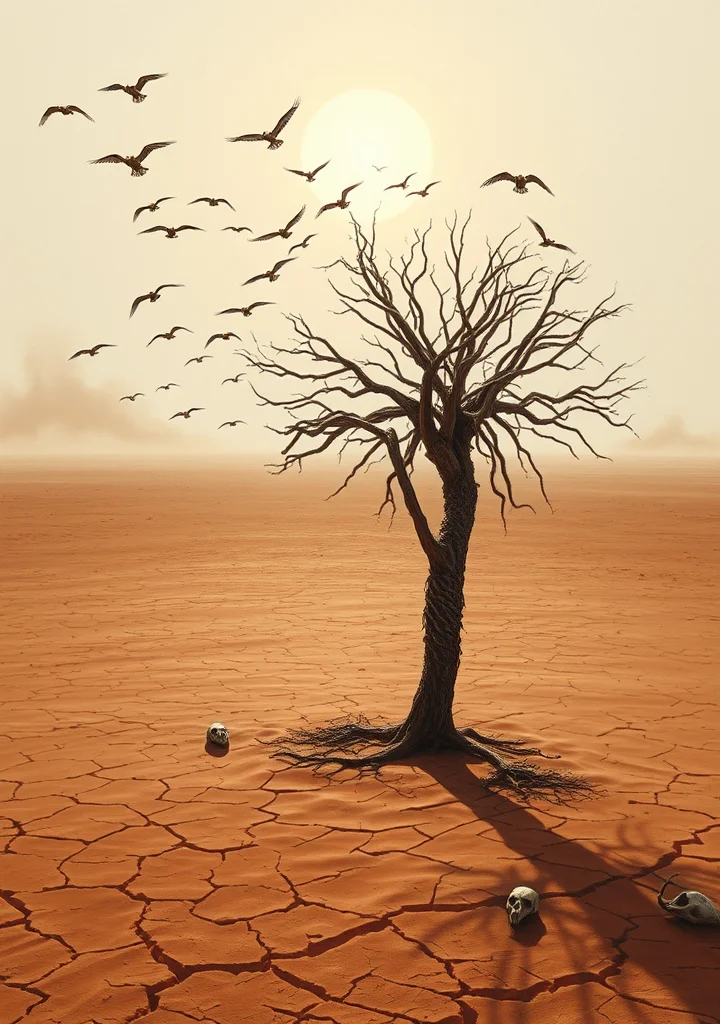
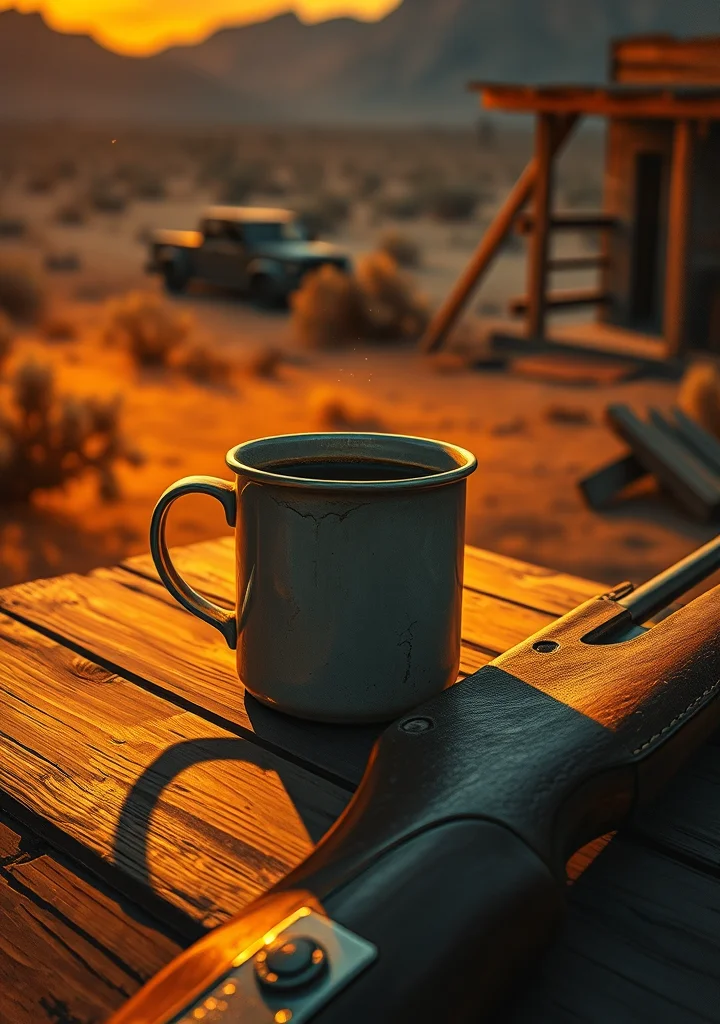
The sun bleeds into the dust of forgotten afternoons, mirroring the slow erosion of grace within these stories. Each vignette is a fractured shard of light caught in the hollows of men—men stripped bare by loss, by silence, by the brutal arithmetic of need. The landscapes aren’t vast, but the voids within them are. They press close, smelling of brine and stale woodsmoke, the weight of unsaid things clinging to the chipped enamel of mugs and the worn leather of gun stocks. A quiet desperation permeates every line, not of grand tragedy, but of the small, calcified griefs that become bone. The women, ghosts glimpsed through rain-streaked windows, carry a sorrow that feels older than the stones of their houses. These aren’t tales of heroes, but of those who’ve already surrendered to the grey, where the only warmth is the dull ember of habit and the taste of something lost lingers on the tongue like ash. The shadows lengthen, and the silence—always the silence—devours what little remains.
Copyright: Public Domain
This license allows anyone to use your story for any purpose, including printing, selling, or adapting it into a film freely.
This license allows anyone to use your story for any purpose, including printing, selling, or adapting it into a film freely.
Chapter List
-
« Short Fiction »📖 Continue Reading
-
« A Divine Gesture »
-
« Up in Michigan »
-
« In Our Time »
-
« ChapterI »
-
« Indian Camp »
-
« ChapterII »
-
« The Doctor and the Doctor’s Wife »
-
« ChapterIII »
-
« The End of Something »
-
« ChapterIV »
-
« The Three Day Blow »
-
« ChapterV »
-
« The Battler »
-
« ChapterVI »
-
« A Very Short Story »
-
« ChapterVII »
-
« Soldier’s Home »
-
« ChapterVIII »
-
« The Revolutionist »
-
« ChapterIX »
-
« Mr.andMrs.Elliot »
-
« ChapterX »
-
« Cat in the Rain »
-
« ChapterXI »
-
« Out of Season »
-
« ChapterXII »
-
« Cross Country Snow »
-
« ChapterXIII »
-
« My Old Man »
-
« ChapterXIV »
-
« Big Two-Hearted RiverPartI »
-
« ChapterXV »
-
« Big Two-Hearted RiverPartII »
-
« L’Envoi »
-
« I »
-
« I »
-
« I »
-
« II »
-
« III »
-
« IV »
-
« V »
-
« VI »
-
« VI »
-
« VII »
-
« VIII »
-
« IX »
-
« X »
-
« Chapter_50 »
-
« XI »
-
« XI »
-
« XII »
-
« Chapter_54 »
-
« Chapter_55 »
-
« XIII »
-
« XIII »
-
« Chapter_58 »
-
« Chapter_59 »
-
« XIV »
-
« XV »
-
« XVI »
-
« Author’s Final Note to the Reader »
-
« The Undefeated »
-
« In Another Country »
-
« Hills Like White Elephants »
-
« The Killers »
-
« Che Ti Dice La Patria? »
-
« Chapter_69 »
-
« Chapter_70 »
-
« Fifty Grand »
-
« A Simple Enquiry »
-
« Ten Indians »
-
« A Canary for One »
-
« An Alpine Idyll »
-
« A Pursuit Race »
-
« Today Is Friday »
-
« Banal Story »
-
« Now I Lay Me »
78
-
« Short Fiction »
-
« A Divine Gesture »
-
« Up in Michigan »
-
« In Our Time »
-
« ChapterI »
-
« Indian Camp »
-
« ChapterII »
-
« The Doctor and the Doctor’s Wife »
-
« ChapterIII »
-
« The End of Something »
-
« ChapterIV »
-
« The Three Day Blow »
-
« ChapterV »
-
« The Battler »
-
« ChapterVI »
-
« A Very Short Story »
-
« ChapterVII »
-
« Soldier’s Home »
-
« ChapterVIII »
-
« The Revolutionist »
-
« ChapterIX »
-
« Mr.andMrs.Elliot »
-
« ChapterX »
-
« Cat in the Rain »
-
« ChapterXI »
-
« Out of Season »
-
« ChapterXII »
-
« Cross Country Snow »
-
« ChapterXIII »
-
« My Old Man »
-
« ChapterXIV »
-
« Big Two-Hearted RiverPartI »
-
« ChapterXV »
-
« Big Two-Hearted RiverPartII »
-
« L’Envoi »
-
« I »
-
« I »
-
« I »
-
« II »
-
« III »
-
« IV »
-
« V »
-
« VI »
-
« VI »
-
« VII »
-
« VIII »
-
« IX »
-
« X »
-
« Chapter_50 »
-
« XI »
-
« XI »
-
« XII »
-
« Chapter_54 »
-
« Chapter_55 »
-
« XIII »
-
« XIII »
-
« Chapter_58 »
-
« Chapter_59 »
-
« XIV »
-
« XV »
-
« XVI »
-
« Author’s Final Note to the Reader »
-
« The Undefeated »
-
« In Another Country »
-
« Hills Like White Elephants »
-
« The Killers »
-
« Che Ti Dice La Patria? »
-
« Chapter_69 »
-
« Chapter_70 »
-
« Fifty Grand »
-
« A Simple Enquiry »
-
« Ten Indians »
-
« A Canary for One »
-
« An Alpine Idyll »
-
« A Pursuit Race »
-
« Today Is Friday »
-
« Banal Story »
-
« Now I Lay Me »
More like this