
-
Read 275
-
0
-
Part 14
Completed, First published Mar 02, 2026
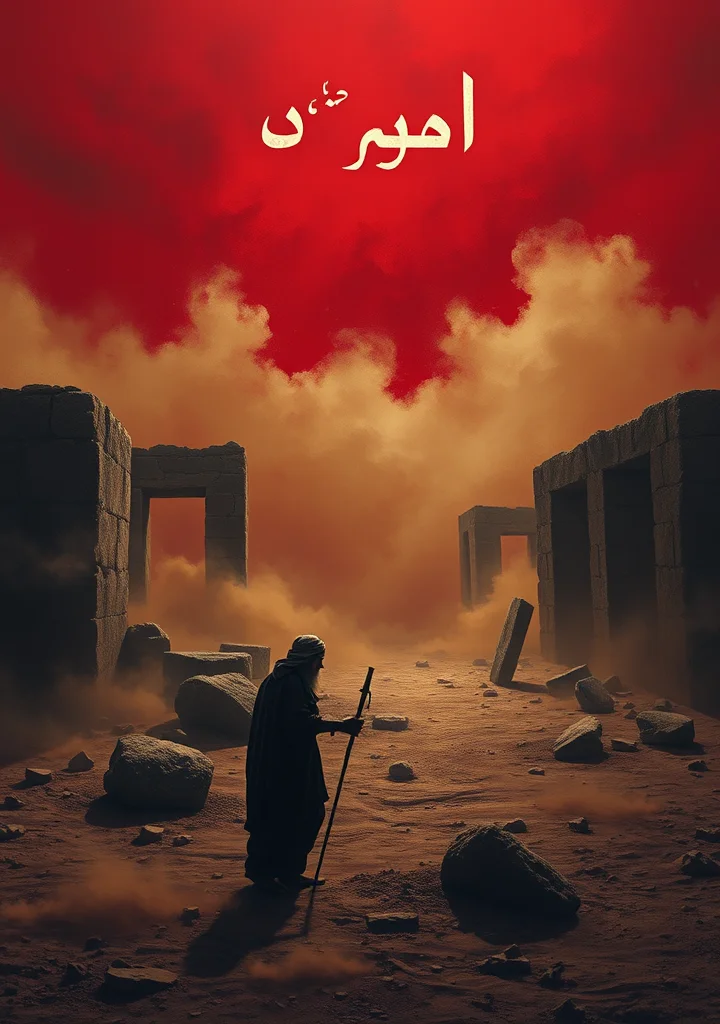
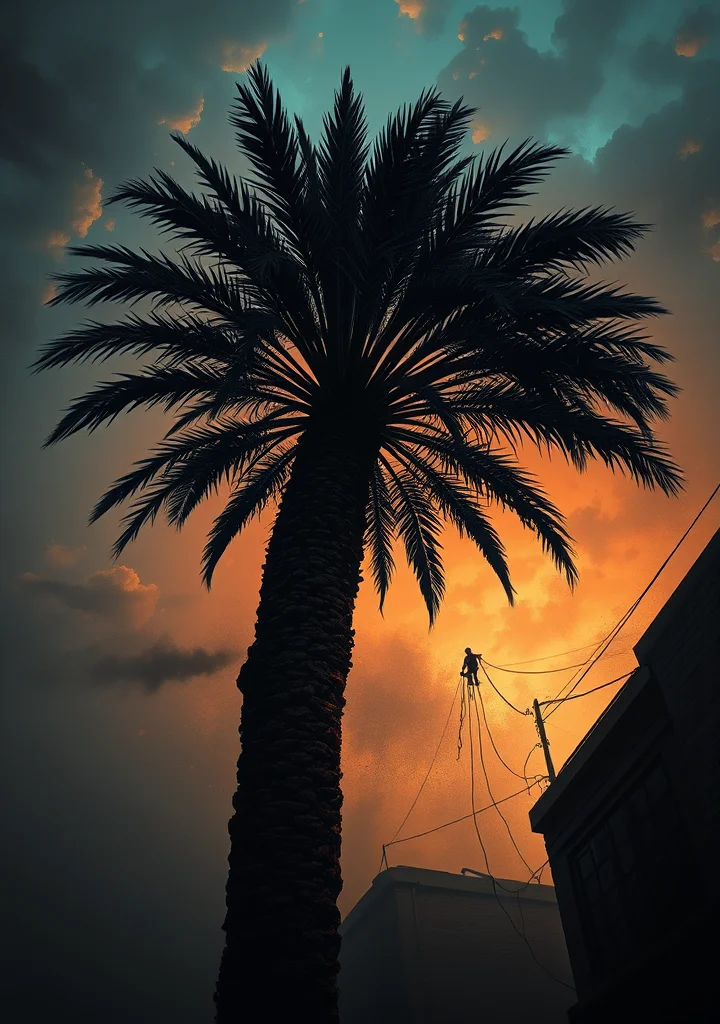
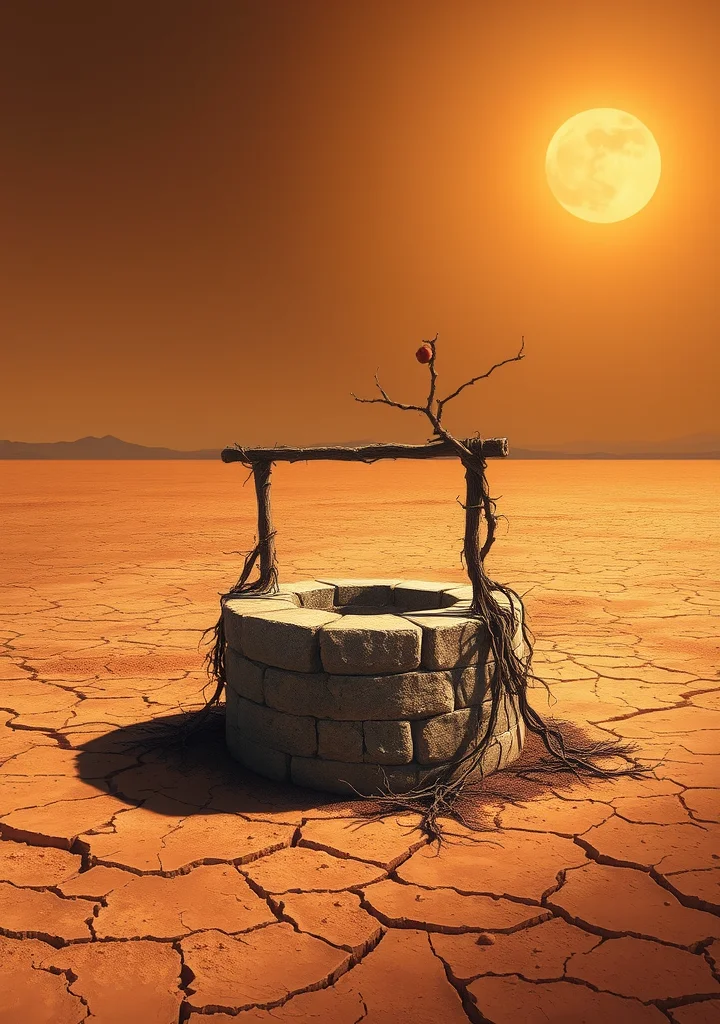
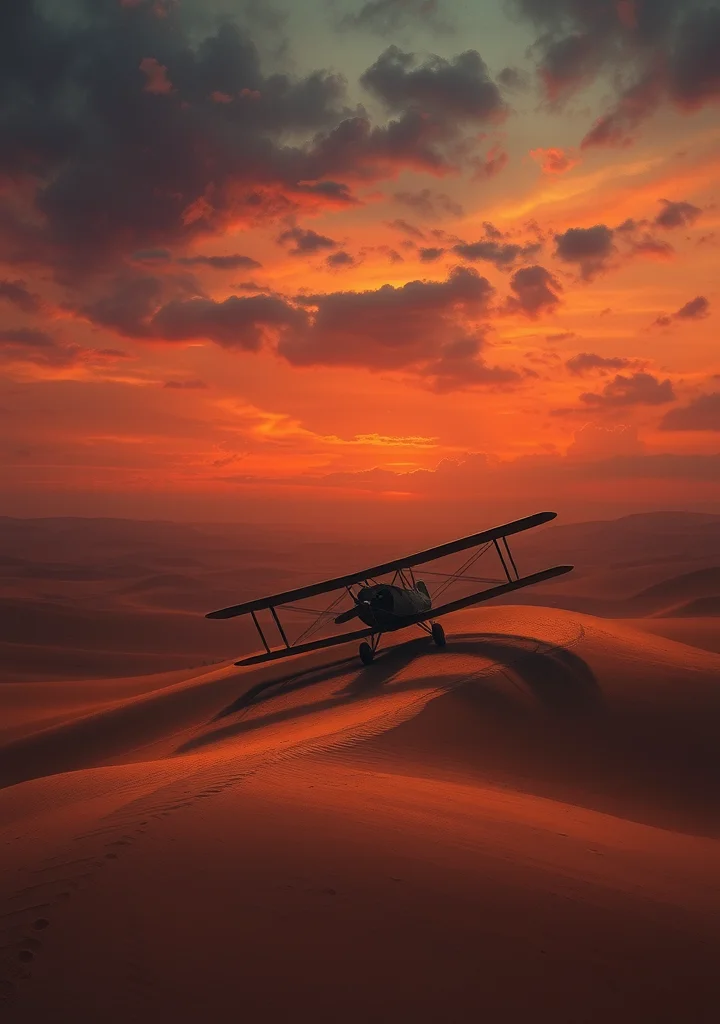
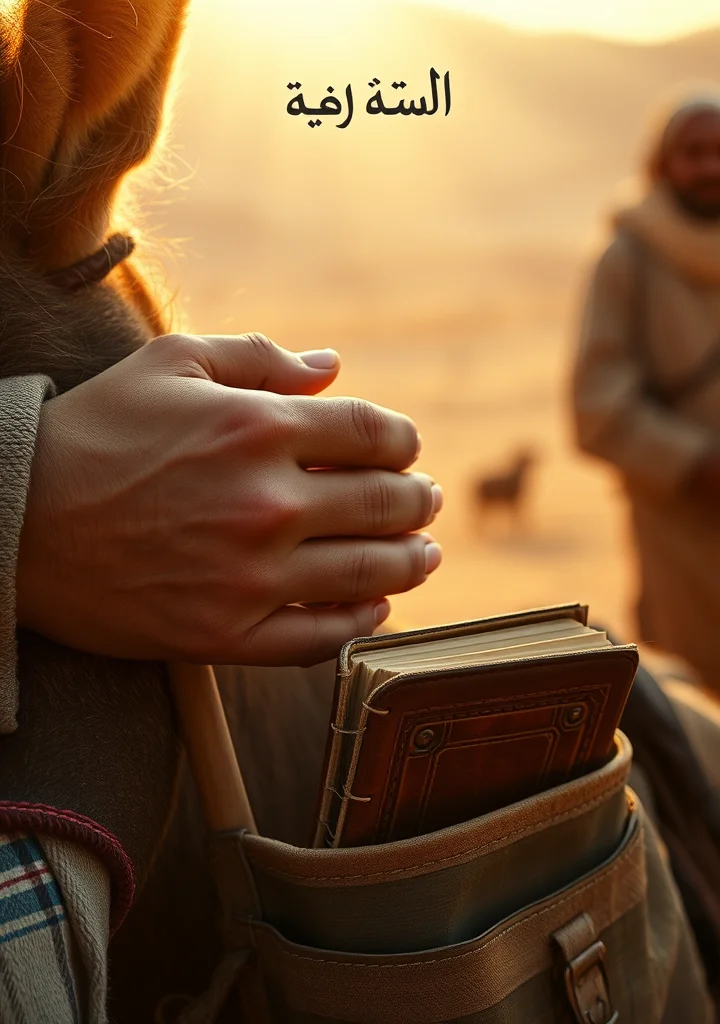
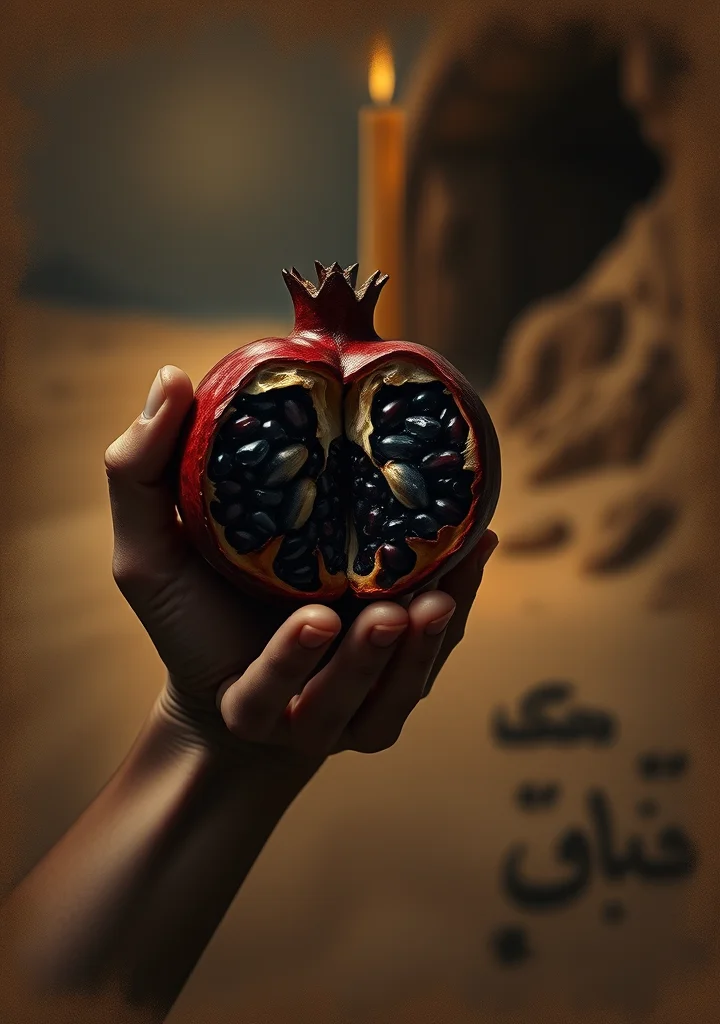
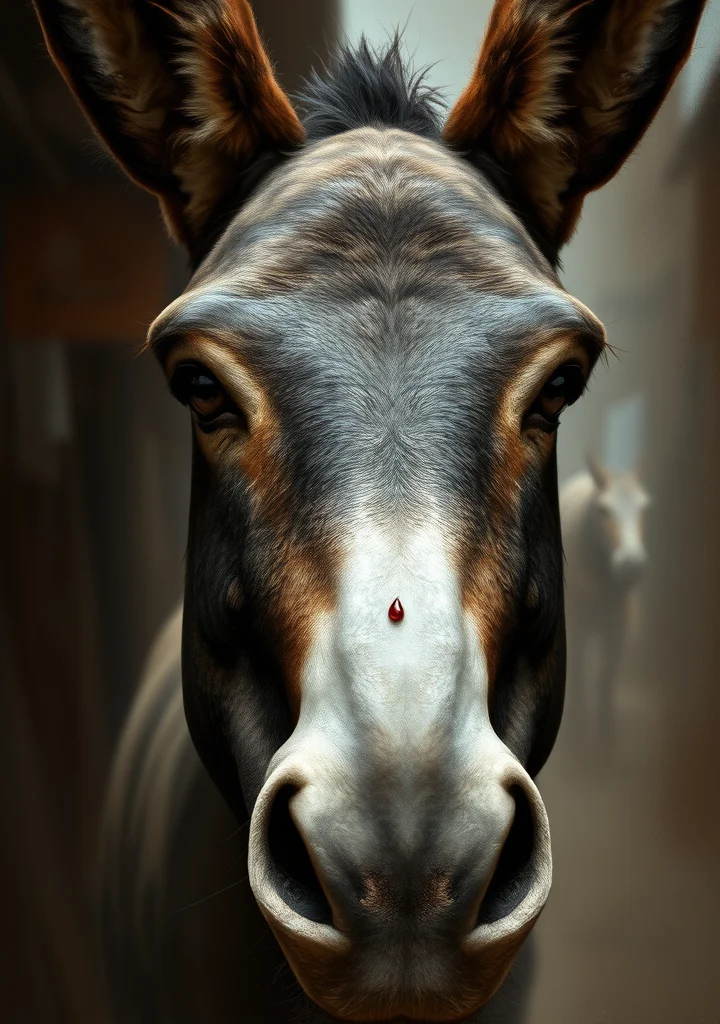
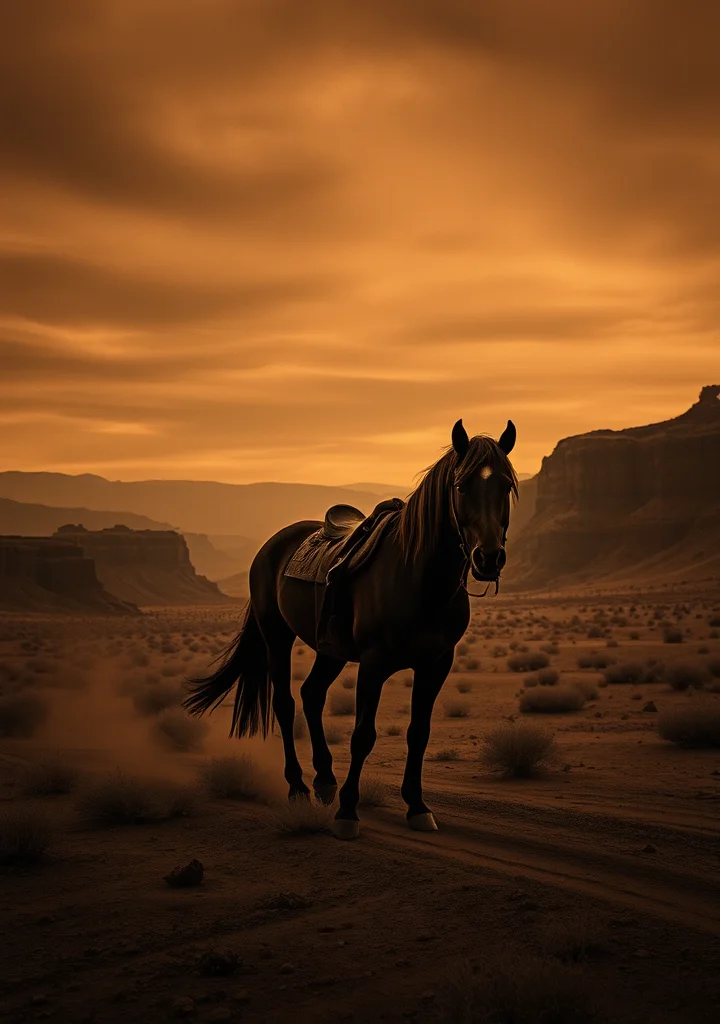
Dust hangs thick as regret on the Wyoming range, a sepia stain bleeding into every gully and hollow. Smoky, a creature born of shadow and grit, isn't just a horse—he’s a phantom limping through a landscape haunted by broken men and colder reckonings. The story unfolds not in sunshine, but in the bruised twilight of a dying breed, where loyalty is a brand burned into flesh and every kindness a slow erosion of the soul.
James doesn’t offer sweeping vistas, but the claustrophobia of a life lived too close to the earth, where the scent of woodsmoke and sweat clings to you like a shroud. The wind howls through canyons echoing with the ghosts of cattle drives gone wrong, and the ranch hands—men carved from the same unforgiving stone as the mountains—move with a weary fatalism. Smoky’s journey isn’t a triumph, but a slow unraveling, a descent into a desolate grace. The narrative clings to the periphery of violence, not dwelling on blood but on the hollow ache in a man’s eyes after he’s watched something break. It’s a story told in the silences between words, in the way the sun bleeds crimson into the dust, and the way a horse’s breath plumes white against the coming winter. A story that feels less written than *remembered* from a forgotten corner of the world.
Copyright: Public Domain
This license allows anyone to use your story for any purpose, including printing, selling, or adapting it into a film freely.
This license allows anyone to use your story for any purpose, including printing, selling, or adapting it into a film freely.
More like this