
-
Read 88
-
0
-
Part 21
Completed, First published Apr 25, 2026
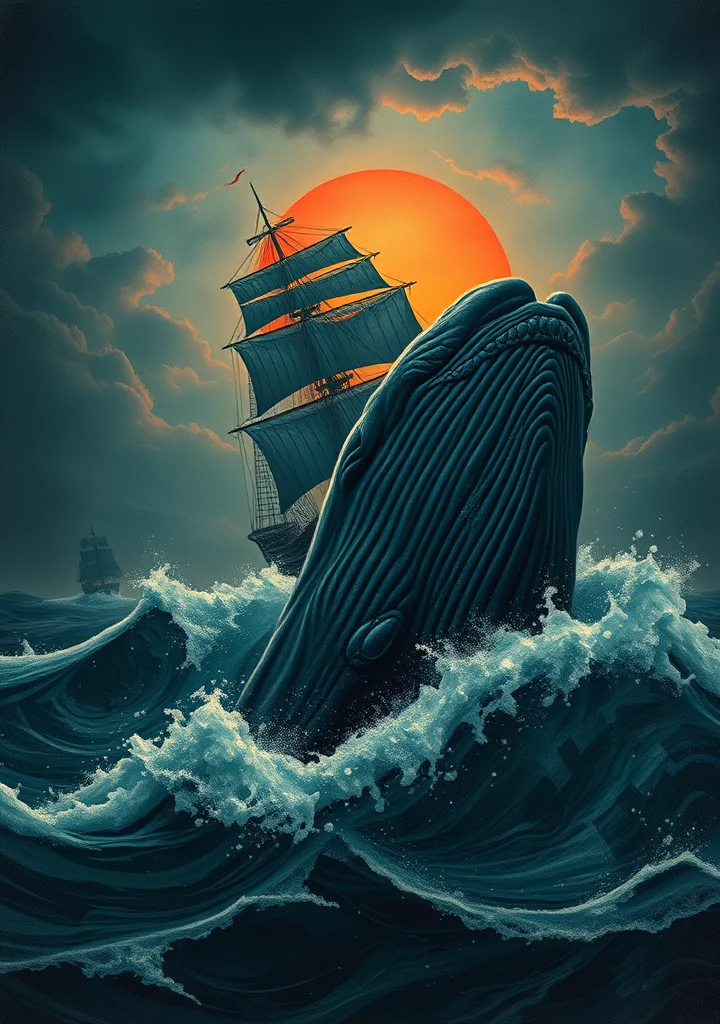
ينسج السرد عالمًا البحارة ورحّالة صيد الحيتان، حيث يغمرنا السارد بتفاصيل رحلته إلى بيدفورد بحثًا عن سفينة تنقله إلى نانتكت. تتجلى في هذه الصفحات صور النزل القديم وأجوائه المفعمة بالغموض، وتتراود في النسيج حكايات بحارة عائدين من رحلات بعيدة. يثير النص تساؤلات حول أولئك الذين يختبئون خلف المظاهر، وكيف سرعان ما تنقلب الأحكام المسبقة. ينسج السرد عالمًا من الاختلافات الثقافية، حيث يظهر الصديق الغريب كويكيج بعهوده الصادقة ووجهه الذي يثير الدهشة، ليُظهر لنا كيف يمكن أن تتجاوز الصداقة حدود الدين والعادات.
Copyright: All Rights Reserved
No person is allowed to use, redistribute, or modify your work in any form without your explicit permission.
No person is allowed to use, redistribute, or modify your work in any form without your explicit permission.
Chapter List
-
« مقدمة »📖 Continue Reading
-
« الفصل الأول »
-
« الفصل الثاني »
-
« الفصل الثالث »
-
« الفصل الرابع »
-
« الفصل الخامس »
-
« الفصل السادس »
-
« الفصل السابع »
-
« الفصل الثامن »
-
« الفصل التاسع »
-
« الفصل العاشر »
-
« الفصل الحادي عشر »
-
« الفصل الثاني عشر »
-
« الفصل الثالث عشر »
-
« الفصل الرابع عشر »
-
« الفصل الخامس عشر »
-
« الفصل السادس عشر »
-
« الفصل السابع عشر »
-
« الفصل الثامن عشر »
-
« الفصل التاسع عشر »
-
« الفصل العشرون »
21
-
« مقدمة »
-
« الفصل الأول »
-
« الفصل الثاني »
-
« الفصل الثالث »
-
« الفصل الرابع »
-
« الفصل الخامس »
-
« الفصل السادس »
-
« الفصل السابع »
-
« الفصل الثامن »
-
« الفصل التاسع »
-
« الفصل العاشر »
-
« الفصل الحادي عشر »
-
« الفصل الثاني عشر »
-
« الفصل الثالث عشر »
-
« الفصل الرابع عشر »
-
« الفصل الخامس عشر »
-
« الفصل السادس عشر »
-
« الفصل السابع عشر »
-
« الفصل الثامن عشر »
-
« الفصل التاسع عشر »
-
« الفصل العشرون »
More like this