
-
Read 178
-
0
-
Part 1
Completed, First published Mar 02, 2026
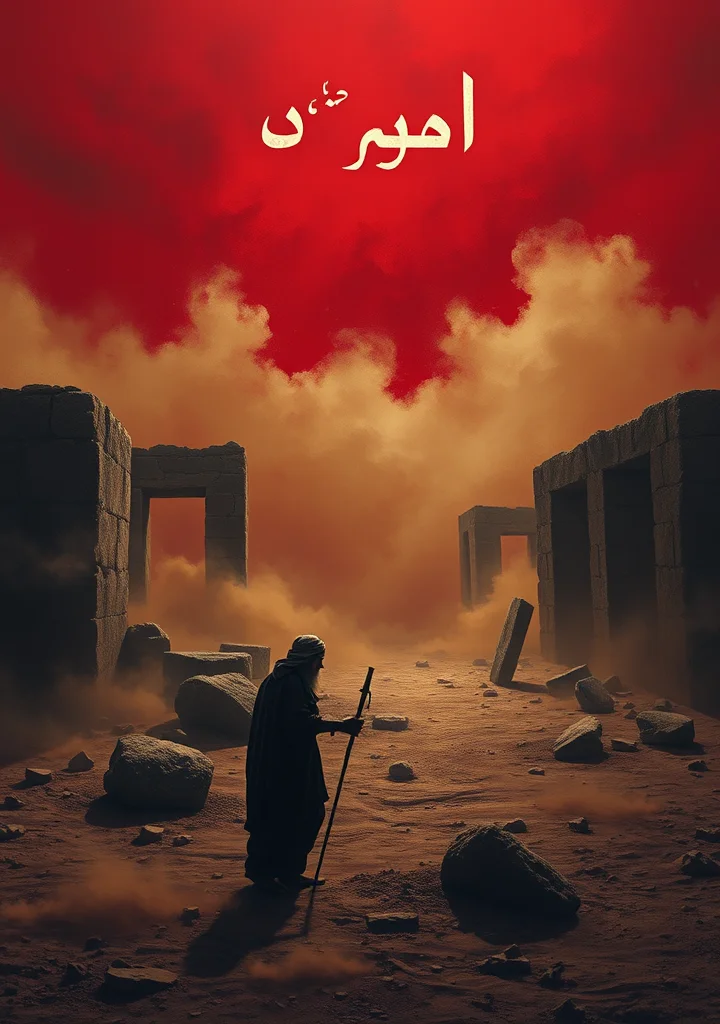
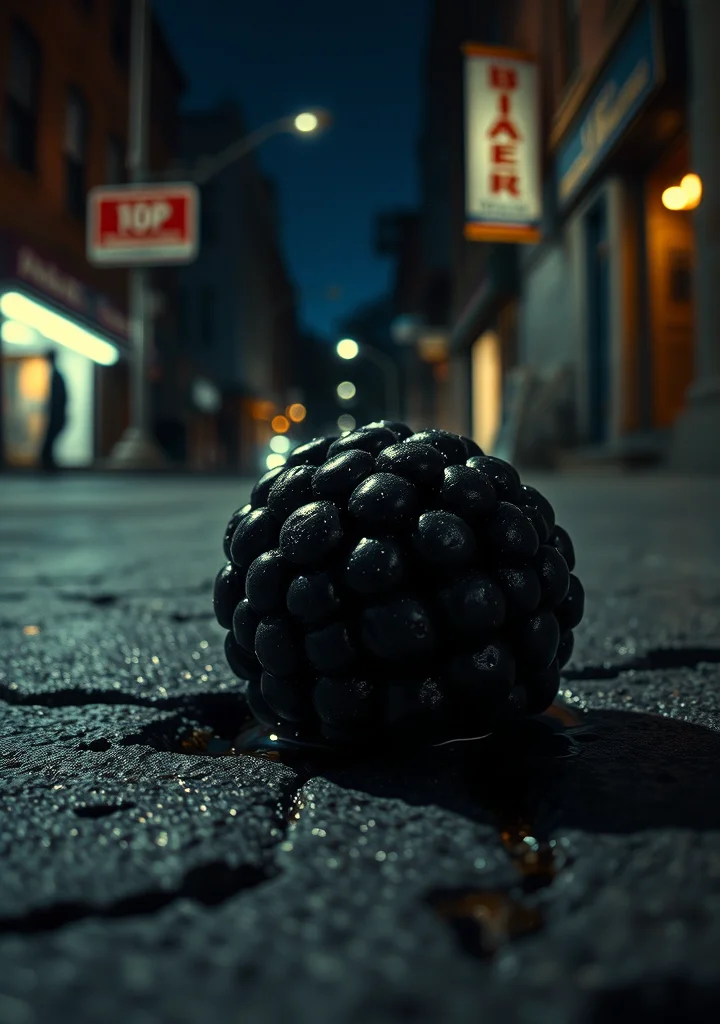
Dust motes dance in the suffocating heat of Harlem’s shadowed alleys, mirroring the fractured lives within. A raw, bruising heat clings to every brick and boarded window as the story unravels – not of redemption, but of rot. This isn’t a tale of protest, but of predation, where the pursuit of light consumes those who reach for it. Each character is a bruised fruit, swollen with bitterness and yearning, their desperation a viscous tide pulling under the weight of their own hungers. The narrative doesn’t offer solace; it exposes the raw nerve of ambition, the decay of faith, and the insidious rot of desire that festers in the corners of a city built on broken promises. The air hangs thick with the scent of cheap gin and regret, a suffocating perfume clinging to every stolen glance and whispered betrayal. It’s a descent into a velvet darkness, where the lines between predator and prey blur until only the hollow ache of loneliness remains, and the berry’s stain feels less like a wound and more like a brand. The weight of unfulfilled lives settles like ash, coating everything in a suffocating, inescapable grief.
Copyright: Public Domain
This license allows anyone to use your story for any purpose, including printing, selling, or adapting it into a film freely.
This license allows anyone to use your story for any purpose, including printing, selling, or adapting it into a film freely.
Chapter List
More like this