
-
Read 348
-
0
-
Part 20
Completed, First published Mar 02, 2026
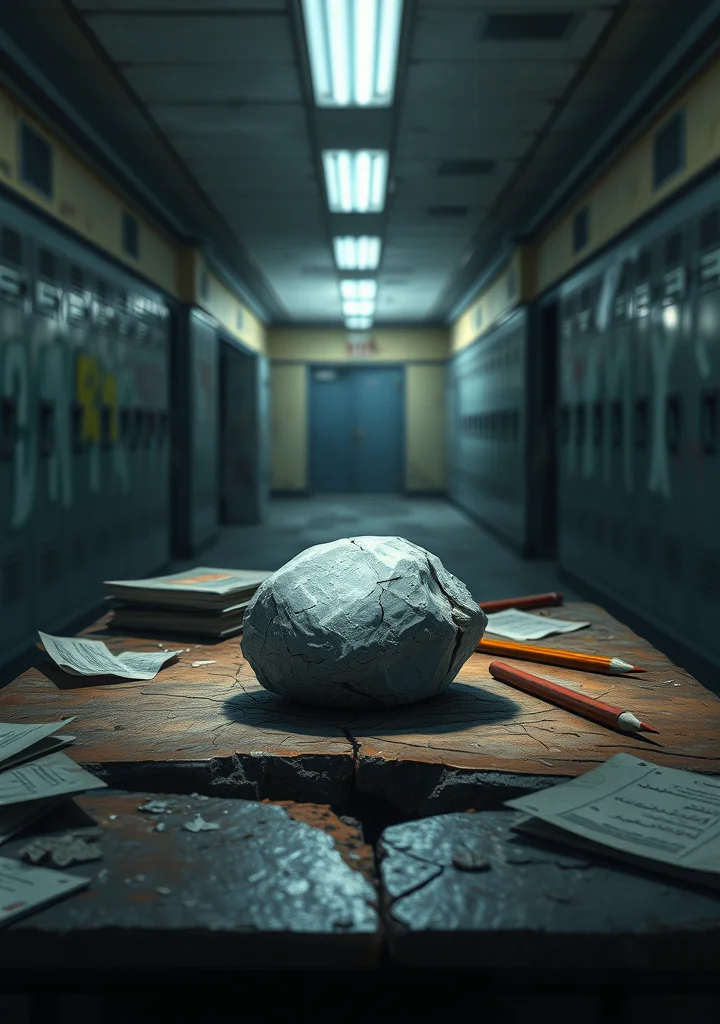
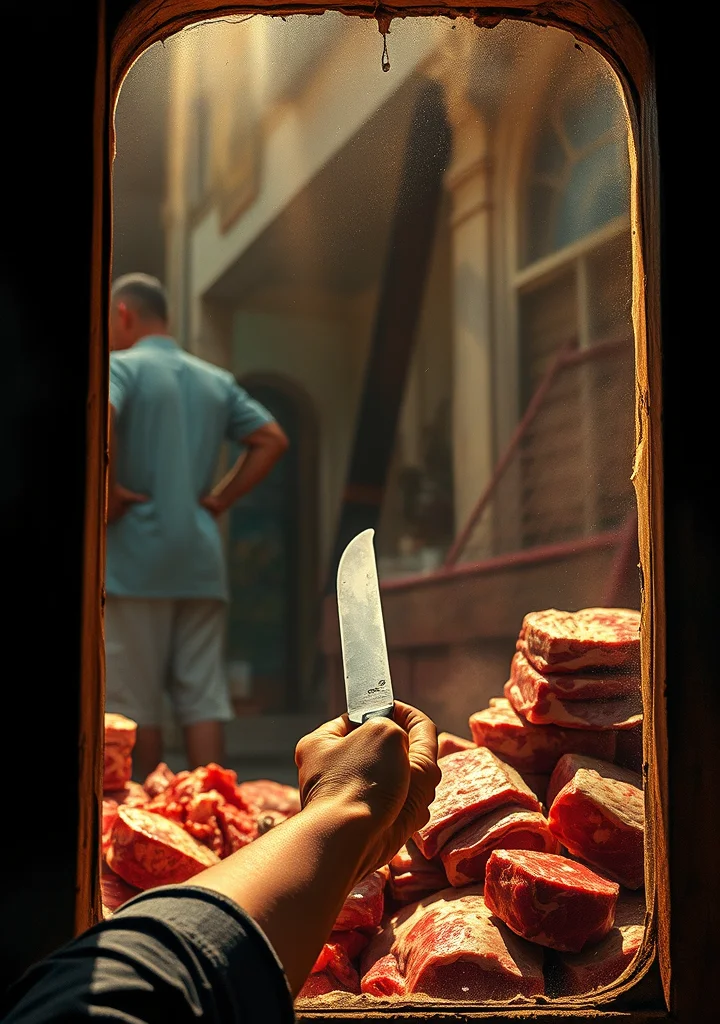
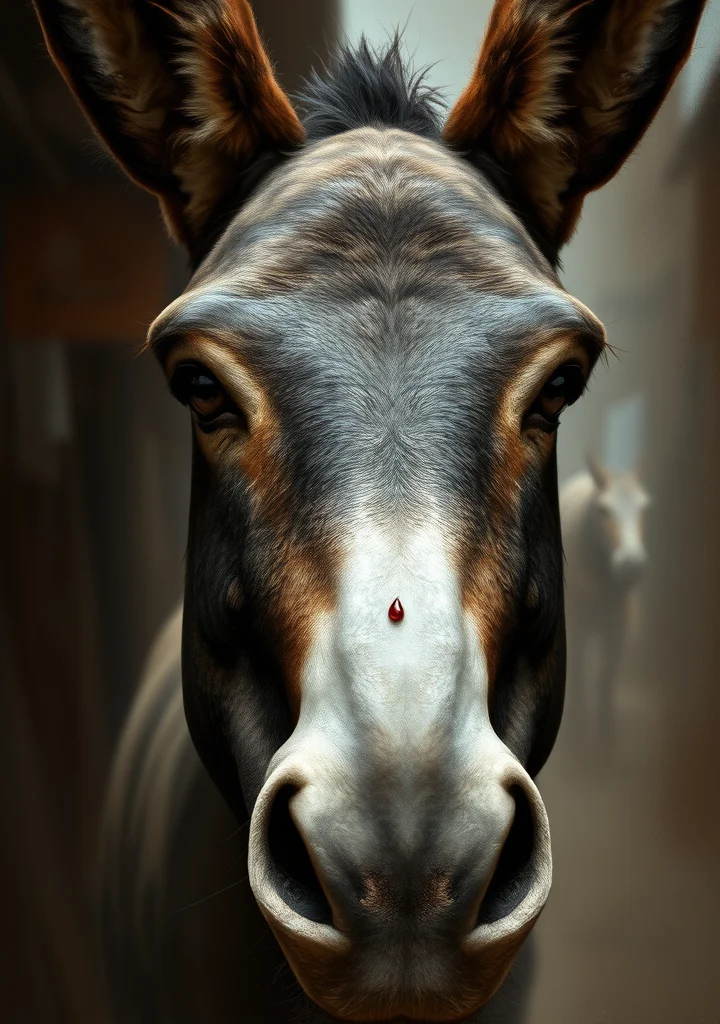
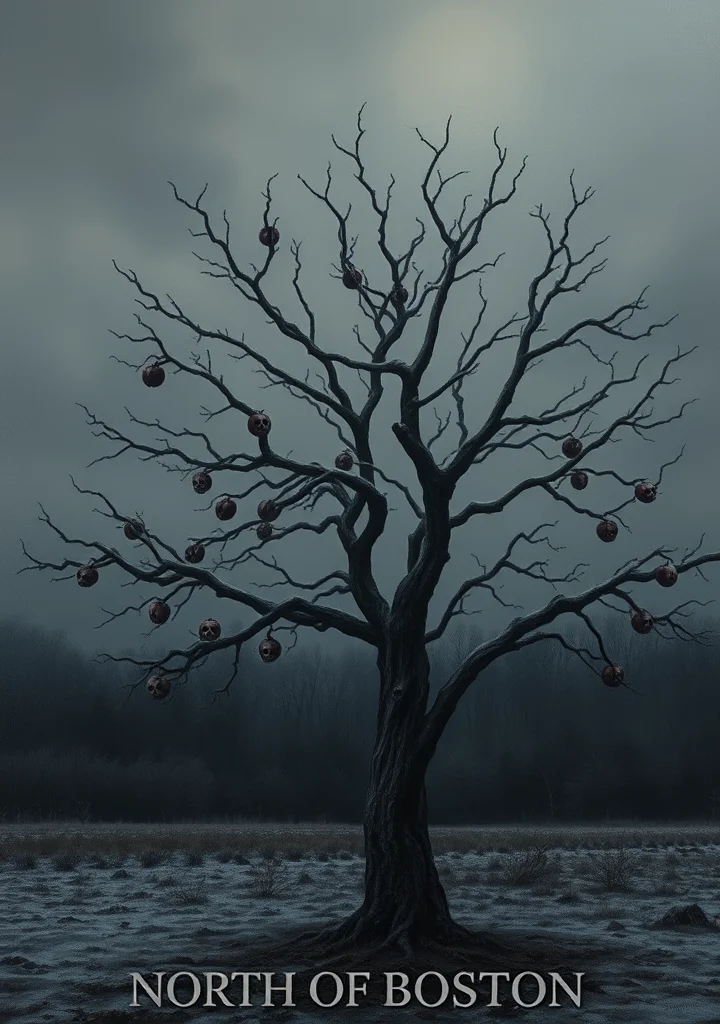
The chill of New England hangs heavy, not from winter’s snow, but from the barren landscapes of fractured lives. These are stories carved from granite hills and shadowed farmhouses, echoing with the hollow clang of isolation. Each encounter—a weathered farmer’s stubborn pride, a widow’s haunted silence, the desperate dance of a man losing his mind to the land—unfurls like a frost-rimed branch cracking under weight. The narrative isn’t one of outright horror, but of slow decay, of souls worn thin by solitude and the unforgiving gaze of the northern sky. A pervasive sense of dread settles in the marrow, born not of spectral hauntings, but of the bleak, unyielding realism of lives lived on the edge of oblivion. The voices here are ghosts already, their murmurs carried on the wind through skeletal orchards and across fields swallowed by twilight. It’s a world where the absence of warmth is the most chilling presence of all, a landscape of the heart rendered in shades of grey and the brittle rust of forgotten things. The silences between words are where the true darkness resides, a suffocating weight pressing down on the reader long after the last line is read.
Copyright: Public Domain
This license allows anyone to use your story for any purpose, including printing, selling, or adapting it into a film freely.
This license allows anyone to use your story for any purpose, including printing, selling, or adapting it into a film freely.
Chapter List
-
« North of Boston »📖 Continue Reading
-
« Chapter_3 »
-
« The Pasture »
-
« North of Boston »
-
« Mending Wall »
-
« The Death of the Hired Man »
-
« The Mountain »
-
« A Hundred Collars »
-
« Home Burial »
-
« The Black Cottage »
-
« Blueberries »
-
« A Servant to Servants »
-
« After Apple-Picking »
-
« The Code »
-
« The Generations of Men »
-
« The Housekeeper »
-
« The Fear »
-
« The Self-Seeker »
-
« The Wood-Pile »
-
« Good Hours »
20
-
« North of Boston »
-
« Chapter_3 »
-
« The Pasture »
-
« North of Boston »
-
« Mending Wall »
-
« The Death of the Hired Man »
-
« The Mountain »
-
« A Hundred Collars »
-
« Home Burial »
-
« The Black Cottage »
-
« Blueberries »
-
« A Servant to Servants »
-
« After Apple-Picking »
-
« The Code »
-
« The Generations of Men »
-
« The Housekeeper »
-
« The Fear »
-
« The Self-Seeker »
-
« The Wood-Pile »
-
« Good Hours »
More like this