
-
Read 503
-
0
-
Part 32
Completed, First published Mar 02, 2026
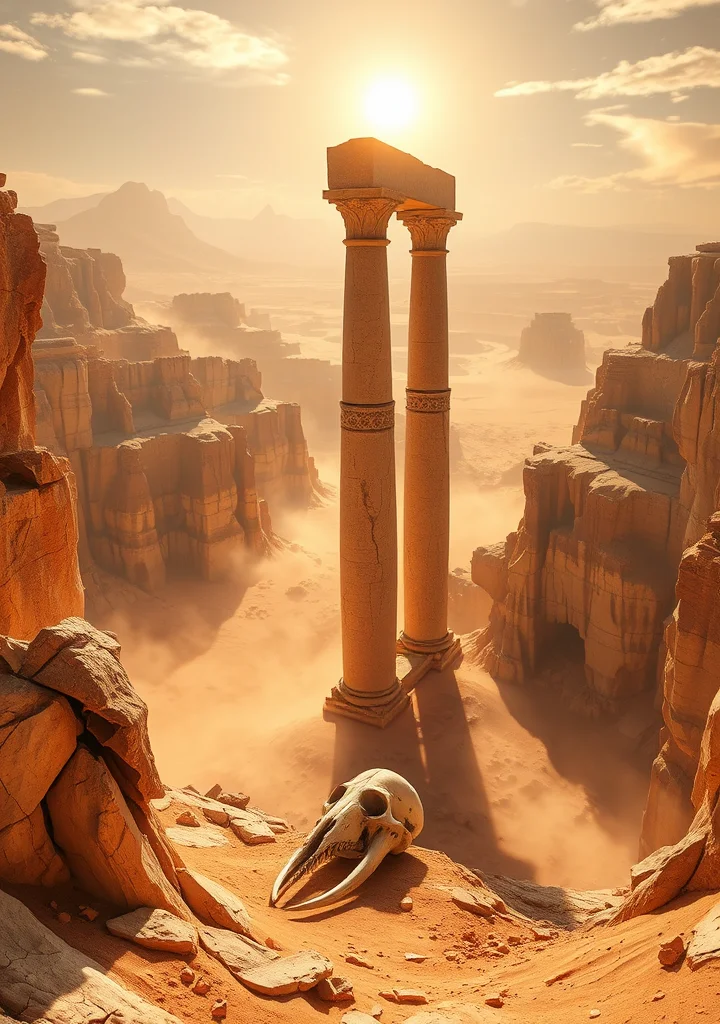
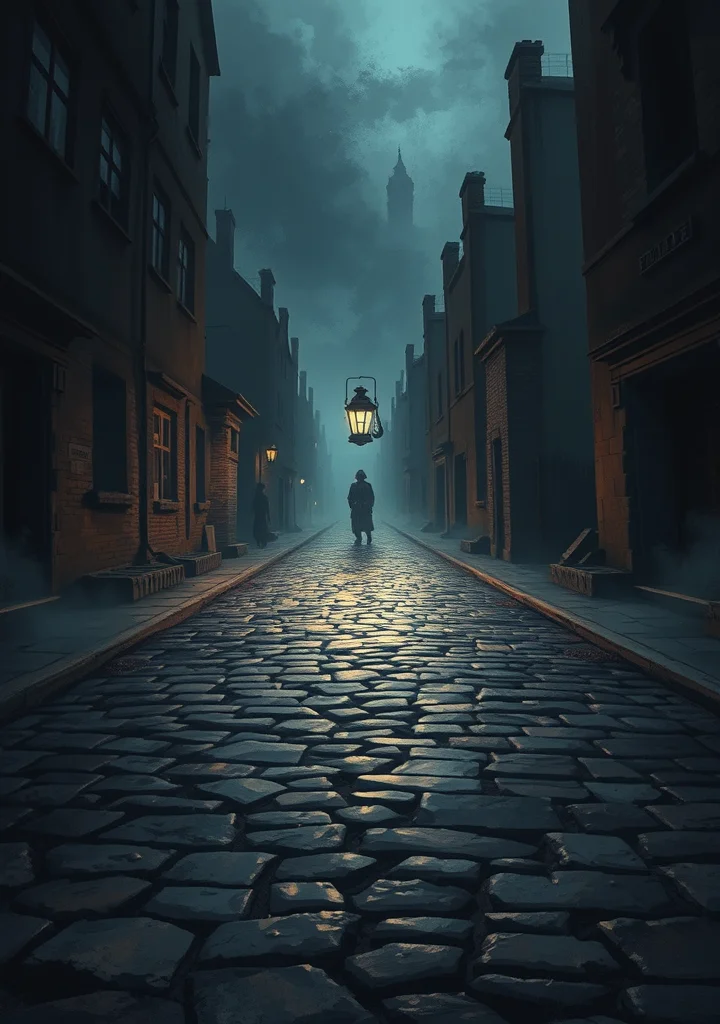
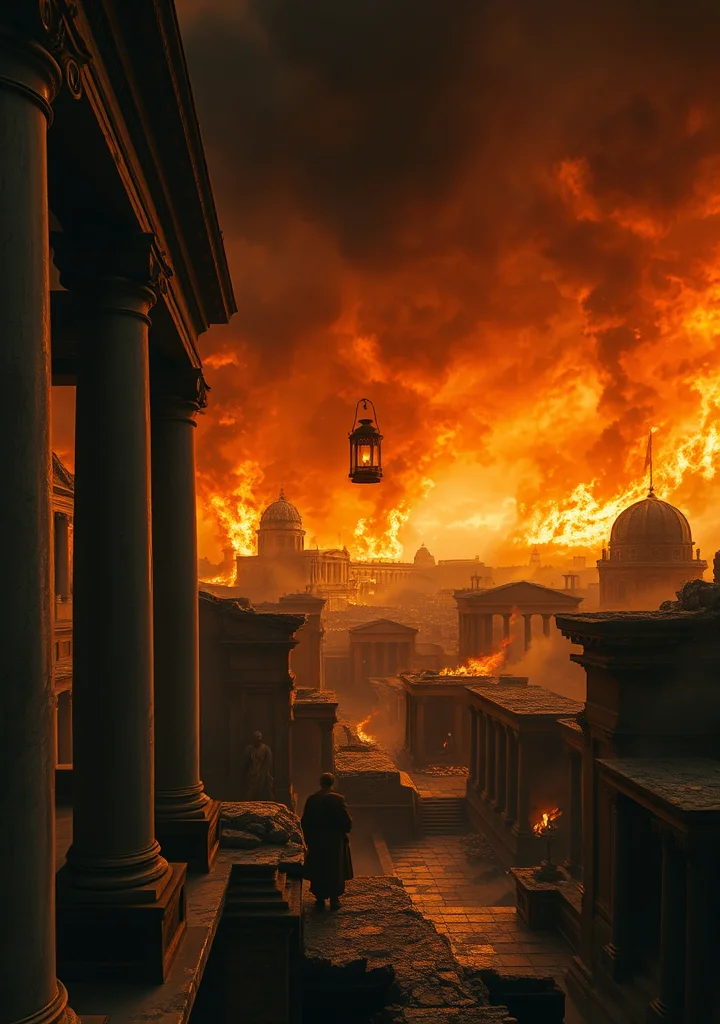
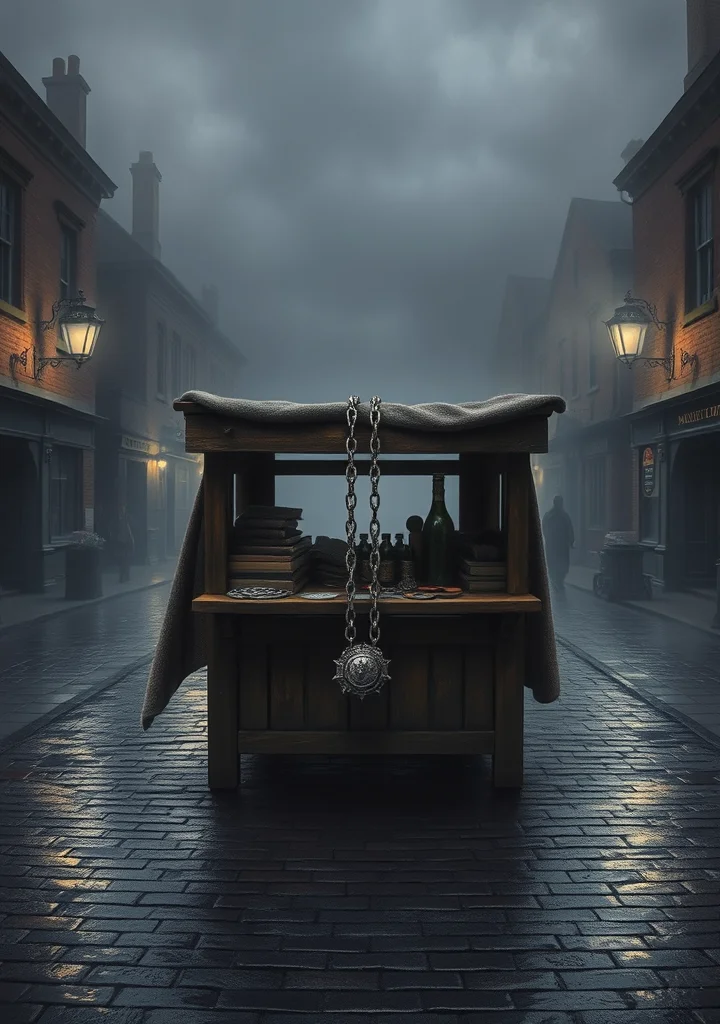
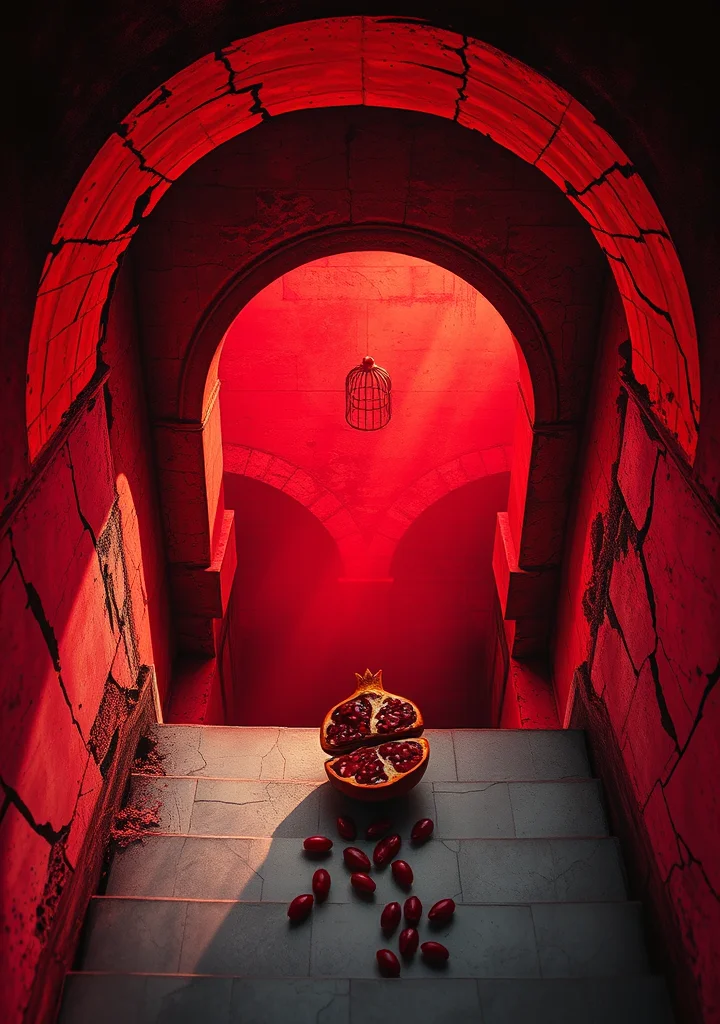
A suffocating heat hangs over Malta, thick with the scent of brine and simmering resentment. The air itself seems to conspire with shadows clinging to Moorish archways and crumbling fortifications. This is a world where piety is a gilded cage for avarice, and faith a weapon honed for vengeance. Barabas, stripped of his fortune and driven to desperate acts, becomes a phantom haunting the alleys of a city bleeding gold and betrayal.
The narrative unfolds in a fever-dream of escalating violence—a labyrinth of whispered deals, poisoned gifts, and the chilling precision of calculated cruelty. Every transaction is stained crimson, every alliance built upon a foundation of shifting loyalties. A suffocating claustrophobia pervades, mirroring the constricted streets of Malta and the tightening noose of Barabas’s schemes.
The play’s heart beats with a perverse, baroque energy—a relentless descent into the grotesque, fuelled by a relentless hunger for retribution. Blood spills easily, and the stench of decay clings to every act of defiance. The narrative doesn’t simply present horror, it *breathes* it, seeping from the stone walls and twisting through the shadowed corridors of a world consumed by its own corruption. A darkness settles over the reader, mirroring the ever-deepening pit of despair that swallows Barabas—and all those who cross his path.
Copyright: Public Domain
This license allows anyone to use your story for any purpose, including printing, selling, or adapting it into a film freely.
This license allows anyone to use your story for any purpose, including printing, selling, or adapting it into a film freely.
Chapter List
-
« The Jew of Malta »📖 Continue Reading
-
« Dramatis Personae »
-
« The Jew of Malta »
-
« Prologue »
-
« ActI »
-
« SceneI »
-
« SceneII »
-
« ActII »
-
« SceneI »
-
« SceneII »
-
« SceneIII »
-
« ActIII »
-
« SceneI »
-
« SceneII »
-
« SceneIII »
-
« SceneIV »
-
« SceneV »
-
« SceneVI »
-
« ActIV »
-
« SceneI »
-
« SceneII »
-
« SceneIII »
-
« SceneIV »
-
« SceneV »
-
« SceneVI »
-
« ActV »
-
« SceneI »
-
« SceneII »
-
« SceneIII »
-
« SceneIV »
-
« SceneV »
-
« SceneVI »
32
-
« The Jew of Malta »
-
« Dramatis Personae »
-
« The Jew of Malta »
-
« Prologue »
-
« ActI »
-
« SceneI »
-
« SceneII »
-
« ActII »
-
« SceneI »
-
« SceneII »
-
« SceneIII »
-
« ActIII »
-
« SceneI »
-
« SceneII »
-
« SceneIII »
-
« SceneIV »
-
« SceneV »
-
« SceneVI »
-
« ActIV »
-
« SceneI »
-
« SceneII »
-
« SceneIII »
-
« SceneIV »
-
« SceneV »
-
« SceneVI »
-
« ActV »
-
« SceneI »
-
« SceneII »
-
« SceneIII »
-
« SceneIV »
-
« SceneV »
-
« SceneVI »
More like this