
-
Read 118
-
0
-
Part 4
Completed, First published Mar 02, 2026
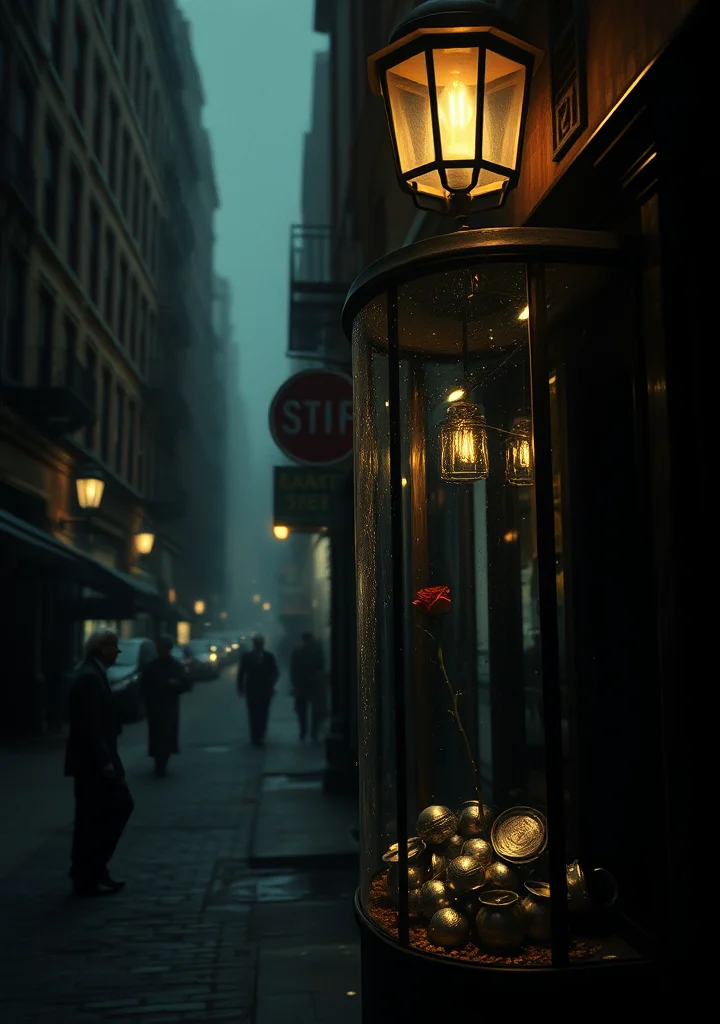
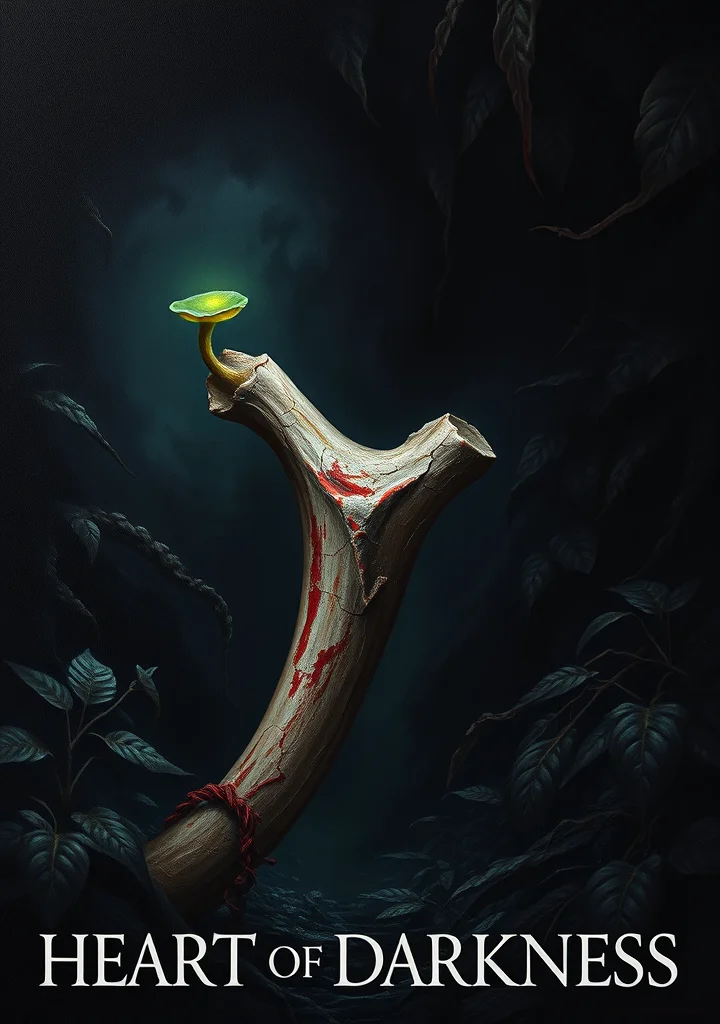
The air hangs thick with the stench of decay, a suffocating humidity clinging to every fevered breath. This is a journey not into geography, but into the shadowed recesses of the human soul. A slow, deliberate descent into a heart of impenetrable blackness where the line between civilization and savagery dissolves like mist. The river coils like a serpent, each bend revealing not progress, but a deeper entanglement in the primeval. Madness breeds in the oppressive heat, whispered in the drums and the hollow eyes of natives, mirrored in the unraveling sanity of the European agents who claim to rule them. Kurtz, a godhead of darkness, holds dominion over a territory born of brutality and greed, his legend echoing with the screams of the exploited. The jungle is not merely a backdrop, but a suffocating presence, a living entity that feeds on despair and reflects the corruption within. It is a place where the veneer of morality peels away to reveal the raw, untamed instincts lurking beneath—a darkness not just witnessed, but *absorbed*. The narrative doesn’t offer escape, but a spiraling fall into the abyss, leaving the reader gasping for air in a world where the only truth is the echoing silence of a fractured conscience. The further one travels, the more the heart of darkness beats within one’s own breast.
Copyright: Public Domain
This license allows anyone to use your story for any purpose, including printing, selling, or adapting it into a film freely.
This license allows anyone to use your story for any purpose, including printing, selling, or adapting it into a film freely.
Chapter List
More like this