
-
Read 40
-
0
-
Part 13
Ongoing, First published Jun 26, 2026
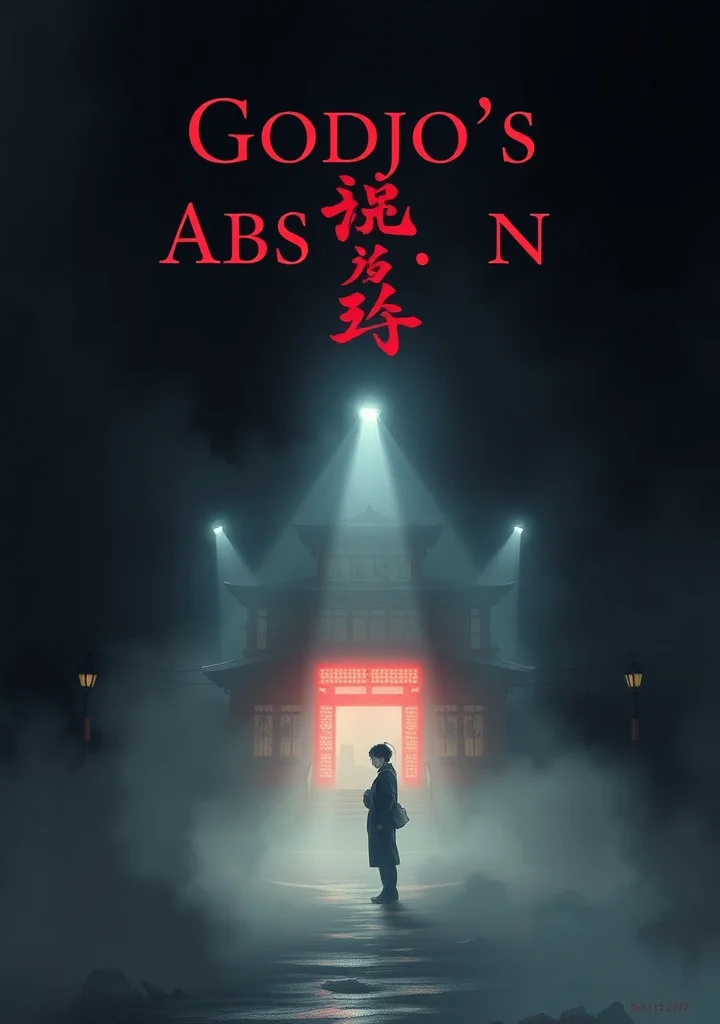
This novel follows Y/N L/N and Satoru Gojo, whose wedding marks a moment of intimate happiness shadowed by the threat of war. These chapters trace their early days as a married couple, abruptly interrupted by conflict and duty. The narrative then shifts to a period following a devastating loss, revealing Y/N’s struggle with grief and the unexpected arrival of new life. Amidst sorrow and uncertainty, she faces the prospect of raising a child alone, haunted by memories and grappling with a future shaped by absence. The story explores themes of love, loss, and resilience amidst the turmoil of war.
Copyright: All Rights Reserved
No person is allowed to use, redistribute, or modify your work in any form without your explicit permission.
No person is allowed to use, redistribute, or modify your work in any form without your explicit permission.
Chapter List
-
« One. Union »📖 Continue Reading
-
« The Weight of Joy »
-
« Three. Result »
-
« Four Years Later: The Boy Who Saw Him »
-
« Sudden Encounter with Gojo »
-
« Six: The Teacher Who Looks Like Him »
-
« Seven: The Vow Unspoken »
-
« Eighth. Memory's Echo »
-
« Nine. Welcome. Gojo's Quiet Touch »
-
« Gojo's Hidden Truth »
-
« First Date Dilemma »
-
« Twelve. Festival and the Absence »
-
« Thirteen. Lullaby of Memory »
13
-
« One. Union »
-
« The Weight of Joy »
-
« Three. Result »
-
« Four Years Later: The Boy Who Saw Him »
-
« Sudden Encounter with Gojo »
-
« Six: The Teacher Who Looks Like Him »
-
« Seven: The Vow Unspoken »
-
« Eighth. Memory's Echo »
-
« Nine. Welcome. Gojo's Quiet Touch »
-
« Gojo's Hidden Truth »
-
« First Date Dilemma »
-
« Twelve. Festival and the Absence »
-
« Thirteen. Lullaby of Memory »
More like this