-
Read 44
-
0
-
Part 17
Ongoing, First published May 09, 2026
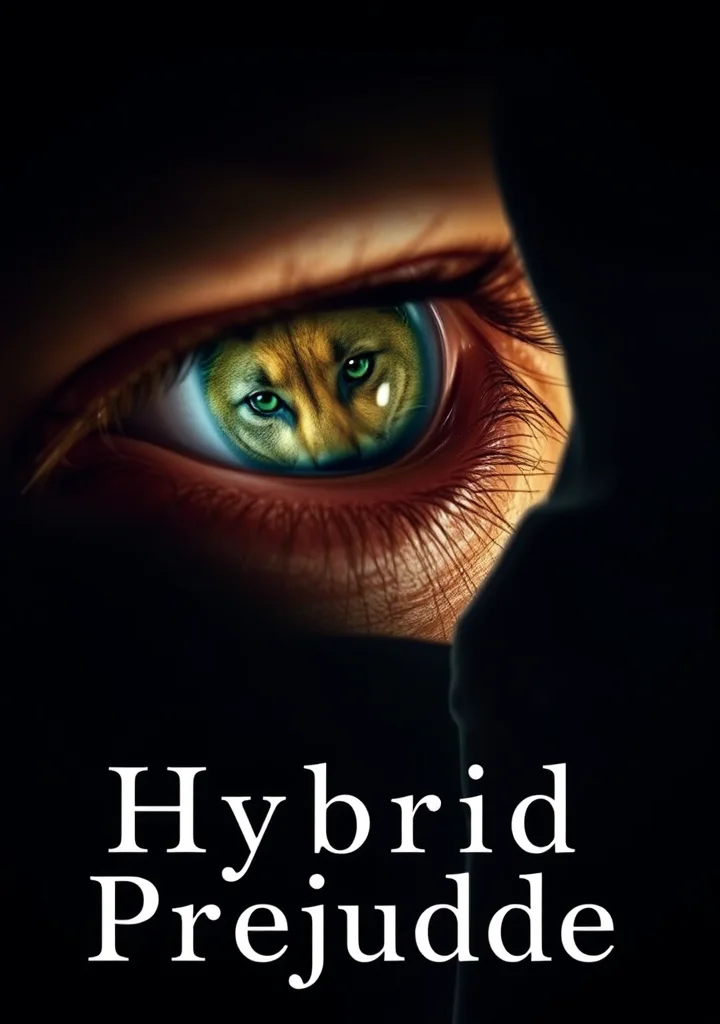
This novel follows Louis, a college student grappling with a mandatory assignment that forces him to confront deeply held prejudices. The narrative traces his frustrated resistance to caring for hybrid animals as part of his graduation requirements. Assigned two hybrids – Harry the cat and Harry the dog – Louis immediately attempts to dominate them, particularly the taller cat hybrid. Through argumentative exchanges with his roommate, Liam, and fueled by childhood indoctrination, Louis’s resentment is palpable. These chapters hint at a slow, internal shift in Louis’s feelings as he navigates this unwanted responsibility.
Copyright: All Rights Reserved
No person is allowed to use, redistribute, or modify your work in any form without your explicit permission.
No person is allowed to use, redistribute, or modify your work in any form without your explicit permission.
Chapter List
-
« The Reluctant Keeper »📖 Continue Reading
-
« Reluctant Guardians »
-
« The Hybrid Assignment »
-
« The Cage and the Floor »
-
« First Seat »
-
« The Phone and the Shortest One »
-
« The Wash »
-
« The Cut »
-
« Fractured Affection »
-
« Shopping with Louis »
-
« Quiet Desperation »
-
« A Pink Bath »
-
« Safe Passage »
-
« A Quiet Afternoon »
-
« Departure and Affection »
-
« A Temporary Refuge »
-
« Echoes and Lessons »
17
-
« The Reluctant Keeper »
-
« Reluctant Guardians »
-
« The Hybrid Assignment »
-
« The Cage and the Floor »
-
« First Seat »
-
« The Phone and the Shortest One »
-
« The Wash »
-
« The Cut »
-
« Fractured Affection »
-
« Shopping with Louis »
-
« Quiet Desperation »
-
« A Pink Bath »
-
« Safe Passage »
-
« A Quiet Afternoon »
-
« Departure and Affection »
-
« A Temporary Refuge »
-
« Echoes and Lessons »
More like this