
Running From Wolves
  • 7
  • 0
  • 1
  • Read 7
  • 0
  • Part 1
Ongoing, First published Jun 05, 2026

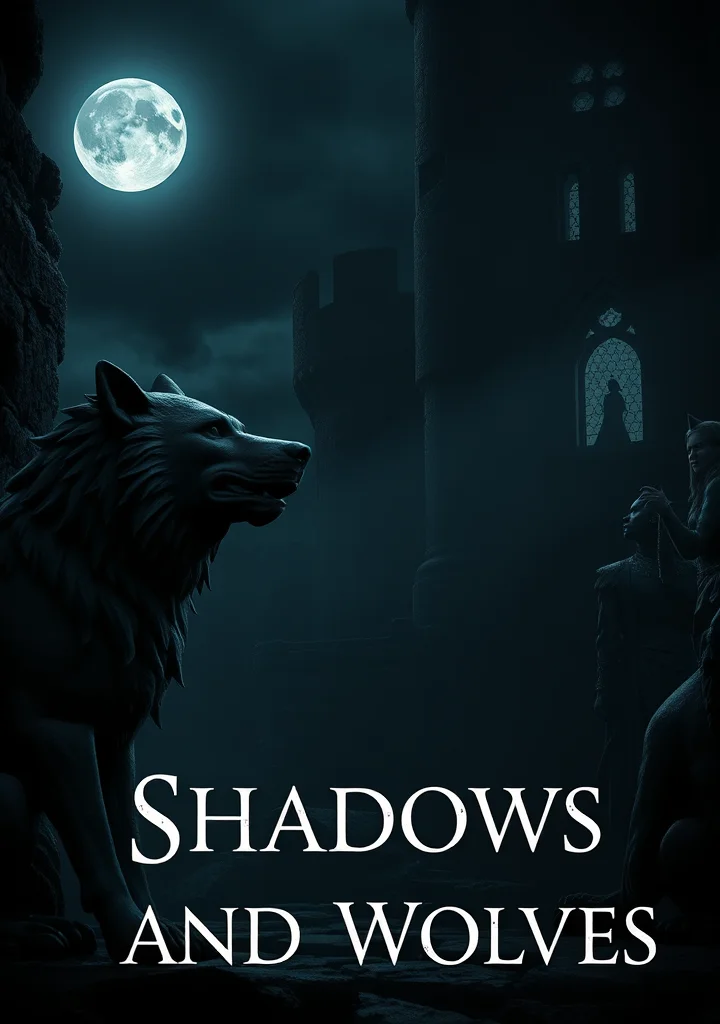
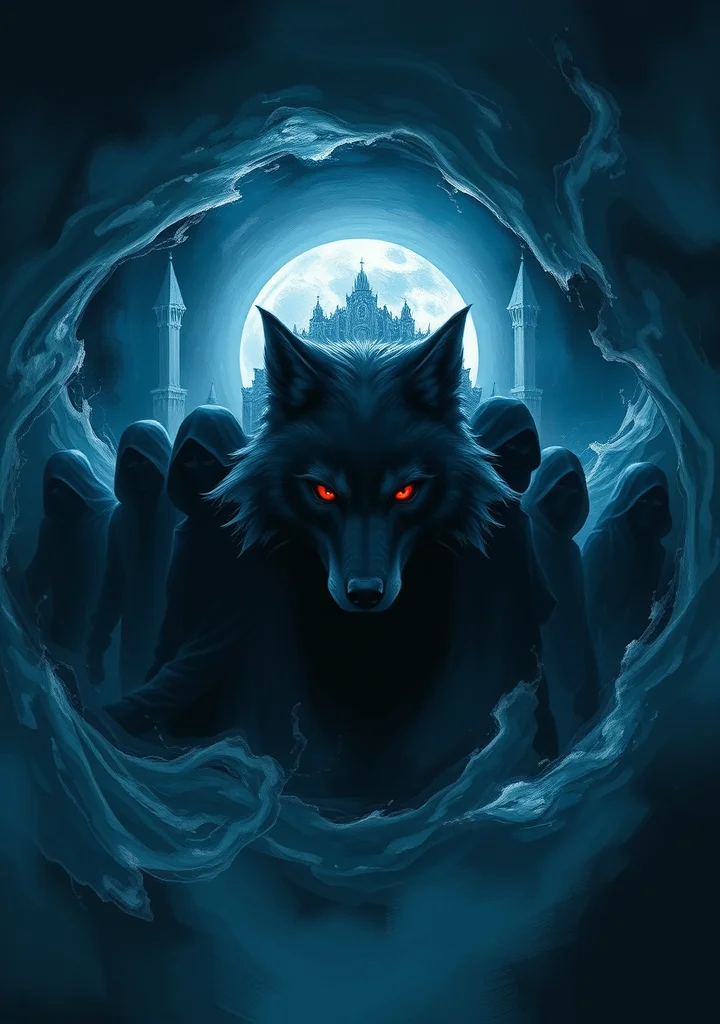
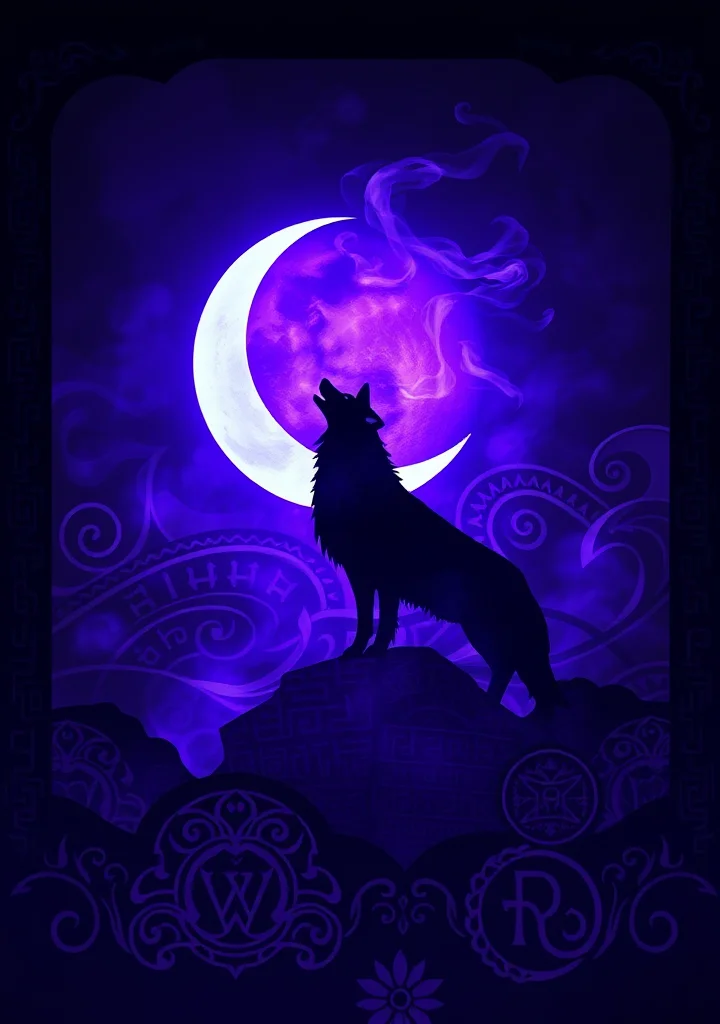
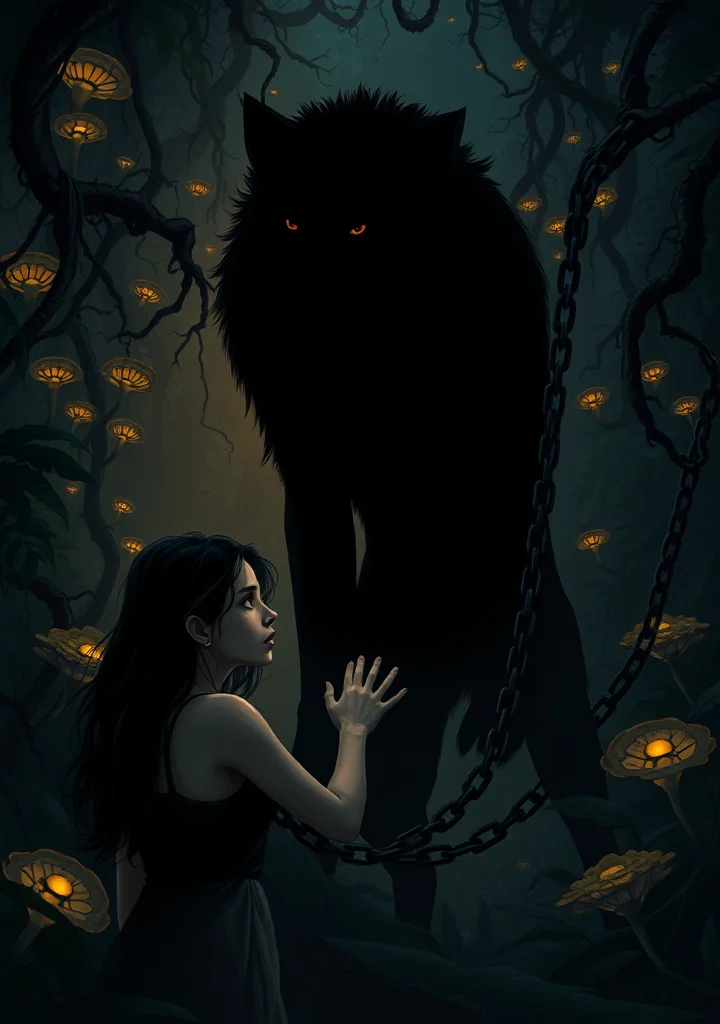
The narrative traces Amy Barlow’s desperate flight from multiple werewolf packs, spurred by the violent legacy of her father, the former Alpha of the Blue Moon pack. Pursued across a border, she seeks refuge with an aunt who offers not only sanctuary but a new identity. These chapters reveal a world where wolves hunt rogues and high schools are, unexpectedly, havens for shifters. As Amy attempts to blend in, she relies on her aunt’s magic and a carefully concealed scent to evade detection, all while grappling with the fear of recognition and the constant threat of exposure.
Translated to
Copyright: All Rights Reserved
No person is allowed to use, redistribute, or modify your work in any form without your explicit permission.
More like this
48 Part
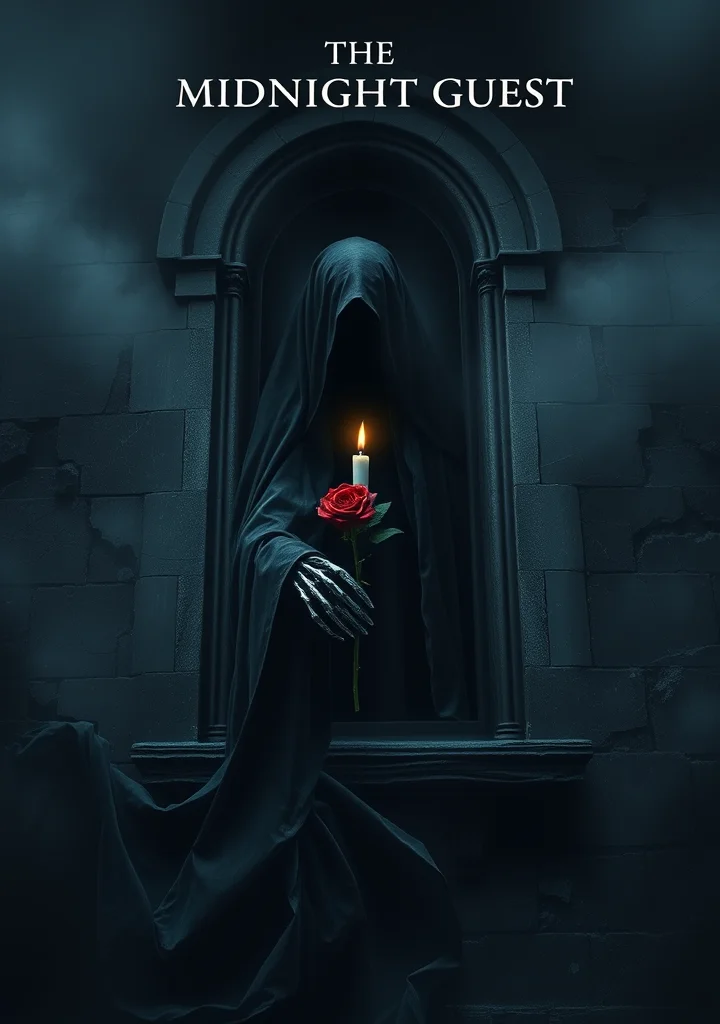
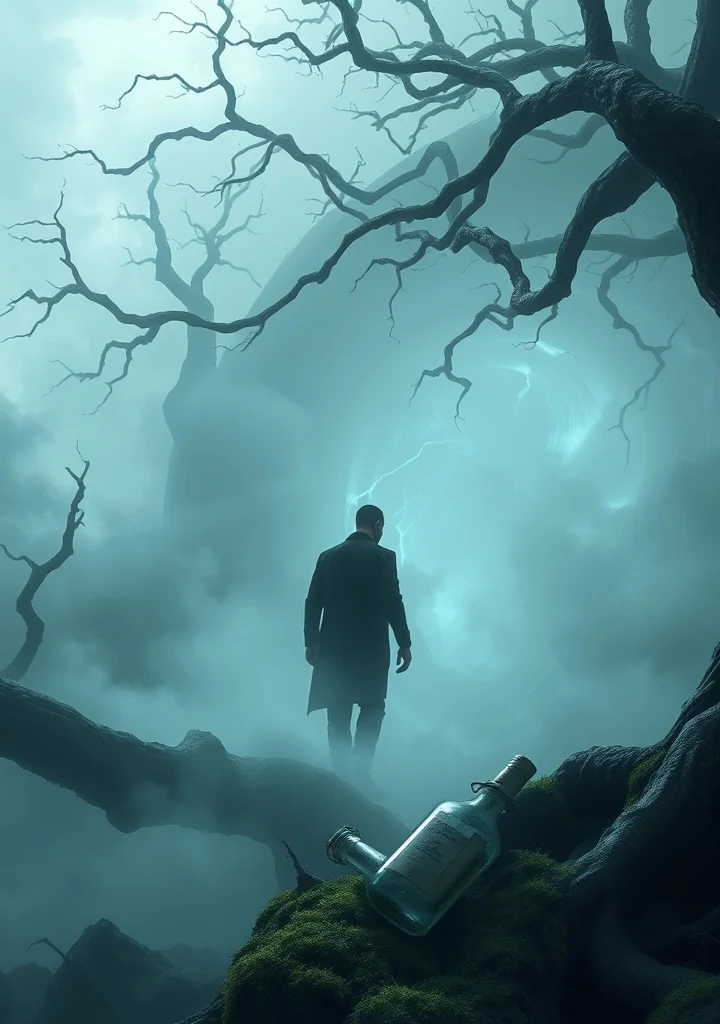
A creeping dread clings to Blackwood Manor, a crumbling edifice swallowed by perpetual twilight. Within its shadowed halls, a spectral visitor arrives with the final chime of midnight, unseen, unheard by all save the brittle, aging matriarch, Eleanor. She alone claims to converse with this phantom—a gentleman draped in mourning silks, his face obscured by shadow, his voice a whisper of frost against ancient stone. Is he a lover returned from beyond the grave, a guardian spirit, or something far more sinister drawn to Blackwood’s decaying heart? Each night, Eleanor’s sanity frays further with his chilling visits, fueled by absinthe and the scent of decay. The manor’s portraits seem to watch with hollow eyes, the very timbers groan in protest as the guest’s influence bleeds into the living world. Dust motes dance in the moonlight, revealing fleeting glimpses of his form—a hand reaching for a forgotten locket, a glimpse of a smile that promises oblivion. A suffocating stillness descends with his presence, silencing the house's long-held secrets. The air thickens with the scent of lilies and regret, a suffocating perfume that clings to every surface. He demands not gold or jewels, but memories—fragments of Blackwood’s past, offered up like bloodied roses to appease a hunger that threatens to consume Eleanor, and ultimately, the manor itself. His midnight calls are not invitations to comfort, but a slow, deliberate unraveling of a family's history, woven into a tapestry of grief and shadowed obsession.
53 Part
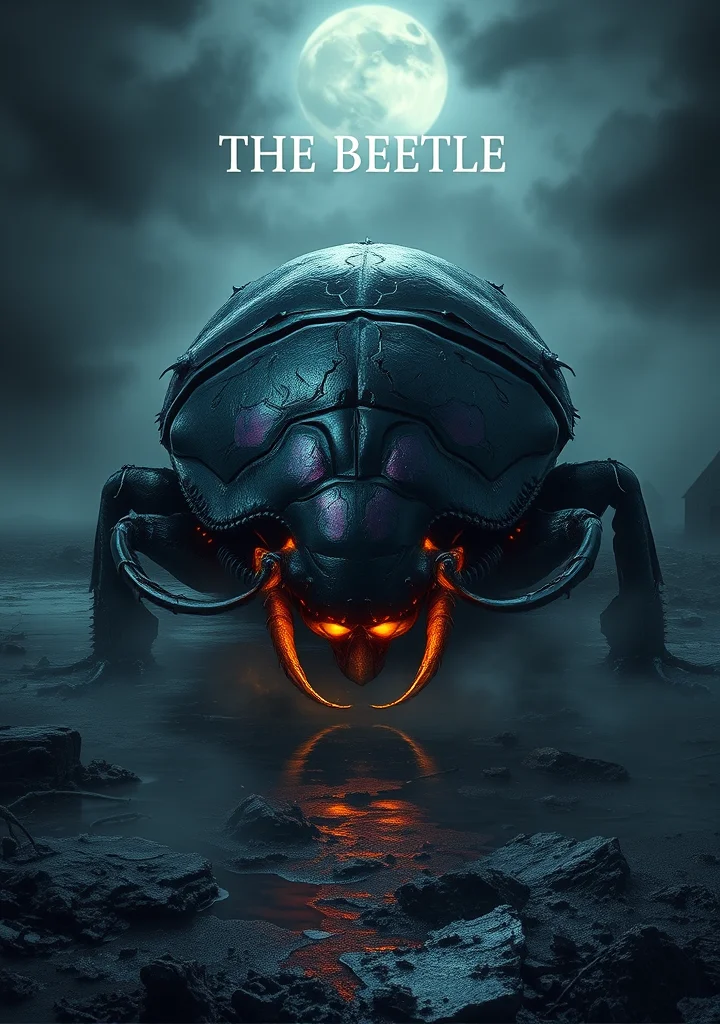
A creeping dread clings to the marshes of northern England, a suffocating fog mirroring the insidious presence that stalks the lives of Arthur Grimstone and his neighbors. It begins with whispers—a monstrous shape glimpsed in the peat bogs, livestock mutilated with unnatural precision, a chillingly human intelligence behind acts of escalating violence. The village of Stilton, already steeped in the melancholy of isolation, is slowly consumed by a terror born of the mire, a thing both animalistic and eerily, deliberately *aware*. Grimstone, a man haunted by his own rigid morality and the suffocating weight of Victorian expectation, finds himself drawn into a desperate pursuit of this creature—a pursuit that unravels not just the boundaries of his sanity, but the very foundations of his world. The Beetle is not merely a beast; it is a distortion, a parasite of the soul, weaving itself into the fabric of their lives, mirroring their darkest desires and festering resentments. Each encounter leaves a residue of cold, damp fear, the scent of decay clinging to the air long after the creature vanishes. The narrative descends into a labyrinth of shadowed alleys, decaying workhouses, and the claustrophobic interiors of Victorian homes—a suffocating world where the line between hunter and hunted blurs, and the monstrous Beetle becomes a terrifying reflection of the darkness within us all. The creeping dread isn't merely *of* the creature, but of the creeping rot *within* the very heart of the village, and within Grimstone himself.

60 Part
A perpetual twilight clings to the shadowed halls of Udolpho, where innocence is tested by the suffocating weight of ancestral secrets. The narrative unfolds within a labyrinth of crumbling castles and sunless forests, mirroring the fractured psyche of its heroine, Emily St. Aubert. Every echoing corridor whispers of past betrayals, every darkened chamber breathes with the icy presence of unspoken fears. A suffocating dread permeates the Italian landscape, born not of overt horror, but of insidious suspicion and the slow unraveling of sanity. The oppressive grandeur of Udolpho itself becomes a character, its vastness mirroring the boundless anxieties that consume Emily. The air is thick with the scent of decaying grandeur, and the story unfolds with the deliberate pace of a nightmare, punctuated by stolen glances, intercepted letters, and the chilling resonance of distant screams. It is a world where the boundaries between reality and hallucination blur, where the imagination, fueled by isolation and paranoia, conjures terrors far more potent than any visible threat. A creeping sense of helplessness pervades as Emily is drawn deeper into a web of familial intrigue, shadowed by the looming specter of a tyrannical uncle and the veiled machinations of those who would claim her inheritance. The narrative is steeped in a melancholic beauty, a haunting symphony of vulnerability and veiled menace, forever lingering in the half-light between revelation and despair.
50 Part
A creeping dread clings to the shadowed halls of Lilith, a tale spun from the decaying threads of Victorian piety and the suffocating bloom of pre-Raphaelite melancholy. MacDonald doesn’t offer simple ghosts, but a haunting inheritance of sorrow woven into the very stones of a crumbling manor. The air is thick with the scent of damp earth and forgotten prayers, as a young woman, awakened from a feverish sleep, finds herself bound to a legacy of spectral griefs. Her world is one of languid decay, where portraits weep with unseen tears and the weight of ancestral despair presses down like velvet shrouds. The house itself breathes – a living organism of sorrow, its chambers echoing with the whispers of those long vanished. A strange, ethereal presence, both alluring and terrifying, claims dominion over the estate, weaving a web of influence that ensnares the heroine in a dance with shadows. The narrative unfolds not with the clang of gothic horror, but with the slow drip of melancholia, the rustle of unseen silk, and the chilling realization that the boundaries between dream and reality, life and death, are porous and fragile. It is a story of inheritance not of wealth, but of affliction, a descent into the labyrinthine depths of a soul haunted by a past it can scarcely comprehend, yet is irrevocably bound to endure. A subtle poison of unease permeates every page, promising not a violent climax, but a quiet, insidious unraveling of the self within the suffocating embrace of Lilith’s spectral dominion.
34 Part
A creeping dread clings to the crumbling estates of the Rohmer estate, a legacy steeped in shadow and whispered blasphemies. The air hangs thick with the scent of decay and the cloying sweetness of night-blooming jasmine, mirroring the rot within the ancestral line. Here, amidst the suffocating grandeur of decaying manor houses and forgotten crypts, a lineage cursed by ancient pacts stirs. The narrative unfolds as a descent into a suffocating matriarchy—a dynasty of women who weave their power from the loam of the land, from the bones of their ancestors. Each generation births a witch-queen, her beauty a gilded cage concealing an iron will and a hunger that transcends mortality. A chilling wind howls through the skeletal branches of ancient oaks, carrying the screams of those who dared to cross the threshold of the Black Abbey—the heart of the Queen’s dominion. The shadows lengthen, twisting into monstrous shapes that writhe with the secrets of the family’s pact with the darkness. This is not a tale of mere witchcraft, but a chronicle of possession, of bodies and wills surrendered to a hunger that predates the stones themselves. It’s a suffocating atmosphere of inherited madness and the insidious corruption of bloodlines, where every kiss is a binding, every birth a sacrifice to the Queen's insatiable hunger. The very earth breathes with her malice, and the ancient stones weep with the sorrow of those consumed by her shadow. The narrative is a spiral into a darkness where the veil between worlds thins, and the boundaries between sanity and oblivion dissolve into a suffocating, sweet-rotted haze.
47 Part
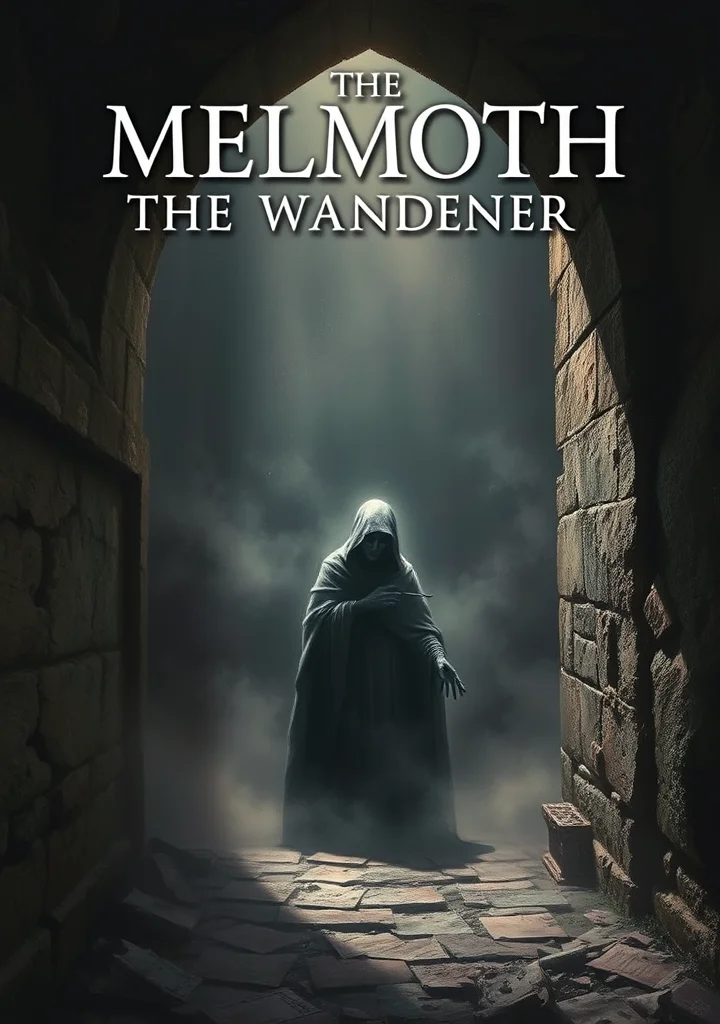
A chill permeates the very pages, a dampness clinging to the ink like graveyard moss. Melmoth’s story unfolds not as a tale *told*, but as a slow, creeping dread unearthed from beneath crumbling stones. Ireland, perpetually shadowed, breathes with a history of pacts made and souls bartered. The Wanderer, cursed with extended life yet shadowed by a demonic compact, drifts through centuries, a spectral witness to the rot within ambition and the hollowness of salvation. Each encounter is a fragment of decay – a Spanish Inquisition’s fervor, a Prussian’s cold calculation, a monastic cell’s suffocating piety – all echoing the same desperate plea for release. The narrative isn’t linear; it fractures, mirroring Melmoth’s fragmented existence. Letters discovered in forgotten corners, confessions scrawled in feverish script, and the fragmented accounts of those he touches weave a tapestry of moral compromise. Sunlight feels like a violation here, replaced by the flickering glow of decaying candles and the oppressive weight of ancestral portraits. Every doorway promises not refuge, but a further descent into the labyrinth of Melmoth’s despair. It is a land where every act of charity breeds a monstrous debt, where faith offers no solace, and where the only escape from the burden of years is to surrender to the darkness willingly. The air itself is thick with the scent of brine and regret, a constant reminder that even in oblivion, Melmoth remains tethered to a world that has long since abandoned its own soul.
36 Part
The veil-thin woods breathe with a chilling sentience, mirroring the fractured psyche of Lud, a man returning to his childhood home—a village swallowed by a perpetual, iridescent mist. Not a homecoming, but a haunting. The mist is not merely weather; it is a memory-eater, a slow unraveling of self, drawing Lud into a labyrinth of forgotten folklore and the cold, glittering bargains struck with beings just beyond the periphery of vision. Each step deeper into the shrouded lanes is a descent into a decaying, dream-soaked reality where the boundaries between the living and the dead, the remembered and the imagined, dissolve. The stone cottages, slick with damp, seem to watch with vacant, hollow eyes. A creeping dread, born not of malice but of *absence*, clings to everything—a silence pregnant with the ghosts of promises made and broken. Lud’s search for his lost love, Moira, becomes a spiraling echo through the mist-wrought landscape, a desperate grasping for something tangible in a world where solidity itself is an illusion. He is haunted by whispers of faerie bargains, by the cold touch of things *almost* remembered, by the insidious, beautiful rot that blossoms in the heart of forgotten places. The mist itself seems to possess a consciousness, a patient, predatory hunger for the fragments of Lud’s soul, offering glimpses of a truth too terrible to bear, a revelation of what lies beneath the shimmering surface of the world—and what waits for him in its depths. It is a story steeped in the scent of damp earth, decaying leaves, and the faint, metallic tang of things lost to the fog.