Pulso Vermelho e Bancos Frios
  • 25
  • 0
  • 5
  • Read 25
  • 0
  • Part 5
Ongoing, First published May 11, 2026

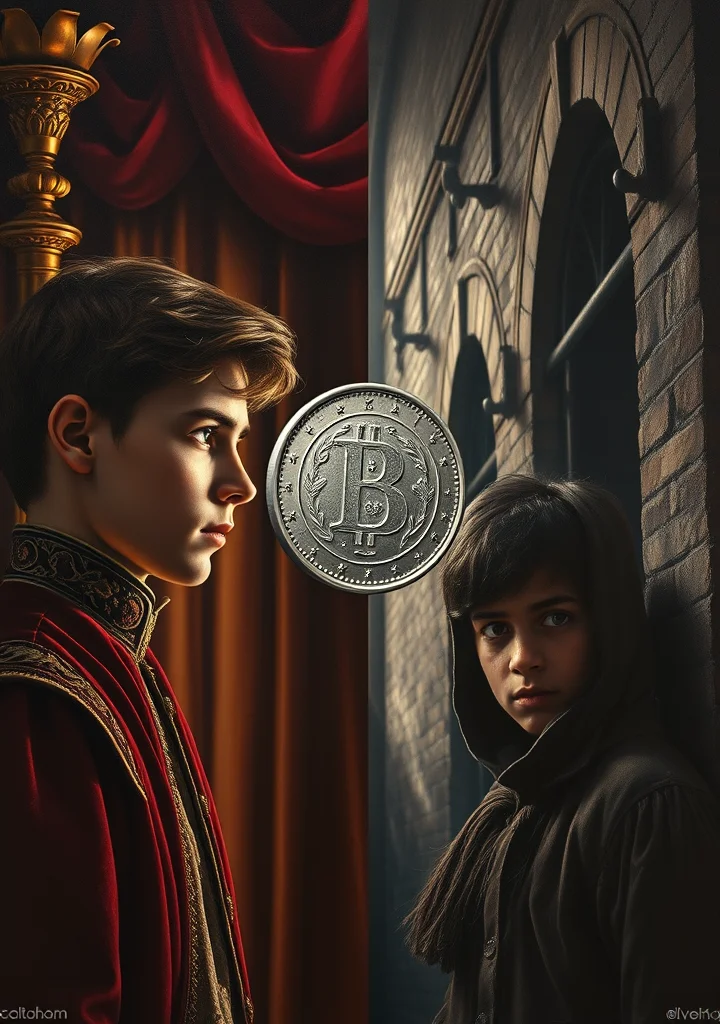
Este romance acompanha homens em busca de estabilidade financeira e em meio a conflitos no trabalho. A narrativa alterna entre a rotina de um pai com seu filho e a dura realidade de quem enfrenta luto e pobreza. Um deles trabalha em um bar gay, resistindo a investidas e mudanças no negócio. À medida que as oportunidades desaparecem, ele se vê em desespero e noites frias, até um encontro inesperado com um menino lhe trazer um raio de esperança. Um mundo onde limites são testados e a sobrevivência tem um preço.
Copyright: All Rights Reserved
No person is allowed to use, redistribute, or modify your work in any form without your explicit permission.
More like this

32 Part
The scent of turned earth clings to every page, a primal musk rising from the Norwegian wilderness. This is not a story of heroes or villains, but of a slow, relentless claiming of land, a communion with the soil so absolute it borders on the pagan. A man, Isak, emerges from the shadowed forests, not with ambition, but with an instinct to *become* the land itself. He builds not with grand design, but with the bone-weariness of a creature rooted to the earth, his existence echoing the silent, brutal growth of the pines. The novel breathes with the damp chill of perpetual twilight, the light filtering through branches like the memory of forgotten gods. A creeping sense of isolation permeates the narrative, not of loneliness, but of an ancient, untamed solitude. The arrival of Inger, a woman fractured by dreams of a gilded life, is a splinter of ice in the heart of the burgeoning farm. Her restlessness, her discontent, festers like rot within the new-turned sod. The prose itself is a thing of shadows and whispers, mirroring the long, dark winters and the brief, feverish summers. It is a story of possession – not of property, but of being possessed *by* the land, by the cyclical rhythms of harvest and decay. A creeping dread settles over the reader, a sense that this is not merely a chronicle of farming, but a witnessing of something ancient and unyielding awakening in the heart of the wilderness. The growth isn’t just of the soil, but something within the blood, a claiming of something wild and unholy. It is a slow, suffocating bloom of something ancient and profoundly alone.