
-
Read 897
-
0
-
Part 105
Completed, First published Mar 02, 2026
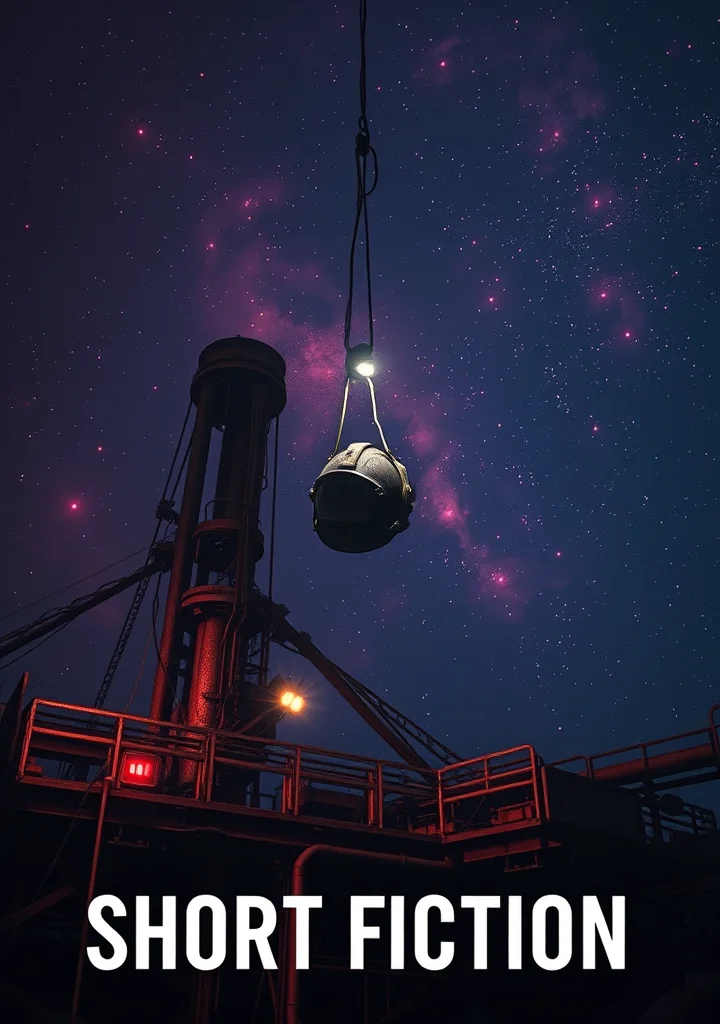
Dust motes dance in the perpetual twilight of abandoned mining colonies, clinging to the skeletal machinery like spectral lichen. These stories aren’t of grand space operas, but of the grit under fingernails and the cold ache in marrow. Anderson doesn't offer shining cities, but the rust-colored ghosts of ambition etched into the vacuum-sealed walls of forgotten habitats. Each narrative feels excavated from a collapsed tunnel, fragments of lives clinging to the dwindling oxygen of memory.
There's a quiet desperation here, a slow bleed of hope into the metallic tang of failure. Characters stumble through echoing corridors, haunted by the echoes of their own dwindling resources, their failures amplified by the unforgiving void. The narratives aren’t concerned with heroism, but with the small, brutal compromises made to survive another cycle, another rotation.
The air is thick with the silence of decay, punctuated by the whine of failing life support and the crackle of static in long-dead comms. The landscapes aren’t external vistas, but the interior architectures of isolation – the cramped cabins, the flickering screens, the last, brittle vestiges of humanity clinging to the hull of a dying ship. A pervasive sense of being watched, not by aliens or gods, but by the cold indifference of the universe itself. The stories feel less written, and more *extracted* from the wreckage of something lost.
Copyright: Public Domain
This license allows anyone to use your story for any purpose, including printing, selling, or adapting it into a film freely.
This license allows anyone to use your story for any purpose, including printing, selling, or adapting it into a film freely.
Chapter List
-
« Short Fiction »📖 Continue Reading
-
« Star Ship »
-
« I »
-
« II »
-
« III »
-
« IV »
-
« V »
-
« VI »
-
« Tiger by the Tail »
-
« I »
-
« II »
-
« III »
-
« IV »
-
« V »
-
« Witch of the Demon Seas »
-
« I »
-
« II »
-
« III »
-
« IV »
-
« V »
-
« VI »
-
« VII »
-
« VIII »
-
« IX »
-
« X »
-
« World of the Mad »
-
« Duel on Syrtis »
-
« Inside Earth »
-
« I »
-
« II »
-
« III »
-
« IV »
-
« V »
-
« VI »
-
« VII »
-
« VIII »
-
« The Virgin of Valkarion »
-
« I »
-
« II »
-
« III »
-
« IV »
-
« V »
-
« VI »
-
« Lord of a Thousand Suns »
-
« I »
-
« I »
-
« II »
-
« III »
-
« IV »
-
« V »
-
« VI »
-
« VII »
-
« VIII »
-
« IX »
-
« Sargasso of Lost Starships »
-
« I »
-
« II »
-
« III »
-
« IV »
-
« V »
-
« VI »
-
« VII »
-
« I »
-
« I »
-
« II »
-
« III »
-
« IV »
-
« V »
-
« VI »
-
« VII »
-
« Security »
-
« Sentiment,Inc. »
-
« I »
-
« II »
-
« III »
-
« IV »
-
« The Temple of Earth »
-
« The Chapter Ends »
-
« I »
-
« II »
-
« III »
-
« IV »
-
« The Sensitive Man »
-
« I »
-
« II »
-
« III »
-
« IV »
-
« V »
-
« VI »
-
« VII »
-
« VIII »
-
« IX »
-
« Snowball »
-
« Out of the Iron Womb »
-
« I »
-
« II »
-
« III »
-
« IV »
-
« V »
-
« VI »
-
« Catalysis »
-
« What Shall It Profit? »
-
« The Valor of Cappen Varra »
-
« Chapter_105 »
-
« Industrial Revolution »
105
-
« Short Fiction »
-
« Star Ship »
-
« I »
-
« II »
-
« III »
-
« IV »
-
« V »
-
« VI »
-
« Tiger by the Tail »
-
« I »
-
« II »
-
« III »
-
« IV »
-
« V »
-
« Witch of the Demon Seas »
-
« I »
-
« II »
-
« III »
-
« IV »
-
« V »
-
« VI »
-
« VII »
-
« VIII »
-
« IX »
-
« X »
-
« World of the Mad »
-
« Duel on Syrtis »
-
« Inside Earth »
-
« I »
-
« II »
-
« III »
-
« IV »
-
« V »
-
« VI »
-
« VII »
-
« VIII »
-
« The Virgin of Valkarion »
-
« I »
-
« II »
-
« III »
-
« IV »
-
« V »
-
« VI »
-
« Lord of a Thousand Suns »
-
« I »
-
« I »
-
« II »
-
« III »
-
« IV »
-
« V »
-
« VI »
-
« VII »
-
« VIII »
-
« IX »
-
« Sargasso of Lost Starships »
-
« I »
-
« II »
-
« III »
-
« IV »
-
« V »
-
« VI »
-
« VII »
-
« I »
-
« I »
-
« II »
-
« III »
-
« IV »
-
« V »
-
« VI »
-
« VII »
-
« Security »
-
« Sentiment,Inc. »
-
« I »
-
« II »
-
« III »
-
« IV »
-
« The Temple of Earth »
-
« The Chapter Ends »
-
« I »
-
« II »
-
« III »
-
« IV »
-
« The Sensitive Man »
-
« I »
-
« II »
-
« III »
-
« IV »
-
« V »
-
« VI »
-
« VII »
-
« VIII »
-
« IX »
-
« Snowball »
-
« Out of the Iron Womb »
-
« I »
-
« II »
-
« III »
-
« IV »
-
« V »
-
« VI »
-
« Catalysis »
-
« What Shall It Profit? »
-
« The Valor of Cappen Varra »
-
« Chapter_105 »
-
« Industrial Revolution »
More like this