
أصداء موقف السيارات
Translated from Parking Lot Echoes
  • 2
  • 0
  • 1
  • Read 2
  • 0
  • Part 1
Ongoing, First published Jun 11, 2026

تتبع السرد الصراعات الأولية والاتصالات غير المتوقعة بينما ينفتح على نزاع متوتر حول مكان لوقوف السيارات. تتبع هذه القصة حياة تايهيونغ عندما يلتقي بجونغكوك، وهو جار جديد سلوكه المغازل وتجاهله العرضي للحدود يتصاعدان بسرعة. تكشف هذه الفصول عن ديناميكية معقدة تغذيها جاذبية والإحباط، حيث أن أفعال جونغكوك تقتحم عالم تايهيونغ الخاص. يلمح السرد إلى نمط مقلق من اللقاءات والانتباه غير المرغوب فيه، ويؤكد على الاكتشاف المزعج لصورة بولارويد تركت في شقة تايهيونغ. تشير هذه اللحظات الأولى إلى قصة تصاعد التوتر والرغبات المعقدة.
Copyright: All Rights Reserved
No person is allowed to use, redistribute, or modify your work in any form without your explicit permission.
More like this
143 Part
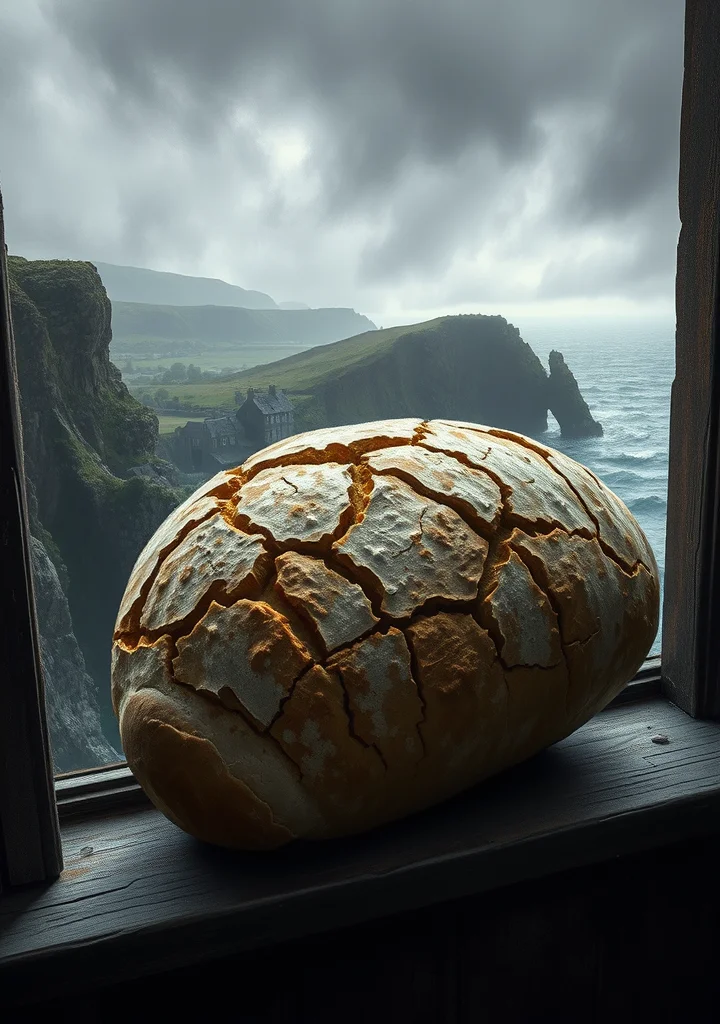
A creeping dread clings to the Dorset coast, a salt-laced miasma rising from the crumbling cliffs and shadowed coves. The village of Little Porthaven holds its secrets tight, woven into the very stone of its cottages and the mournful cry of the gulls. Old Man Tremaine, they say, died of the bread – not the eating of it, but the *making* of it. His final loaf, vast and swollen with a sickening sweetness, was found cooling on the sill, a grotesque parody of domestic comfort. But the bread wasn’t merely a final act. It was a symptom. A slow rot spreading through the Tremaine household, mirroring the insidious decay of the manor itself. Whispers of ancient pacts with the sea, of bargains struck with things best left undisturbed in the black depths, cling to the scent of yeast and flour. The new owners, the Harwoods, arrive seeking respite, unaware they’ve walked into a tomb already claimed. Each slice cut from the giant loaf seems to bleed a little more of the village’s history, staining the air with a cloying guilt. The scent of it clings to the fingers, to the linen, to the very thoughts of those who dare to taste it. It’s a flavor of loss, of forgotten gods, of a hunger that cannot be sated by mortal hands. The house itself breathes, exhaling the cold breath of something ancient and hungry. The shadows lengthen, not with the fall of dusk, but with the weight of the bread itself, pressing down on the living until they too, become part of its slow, suffocating bloom.
35 Part
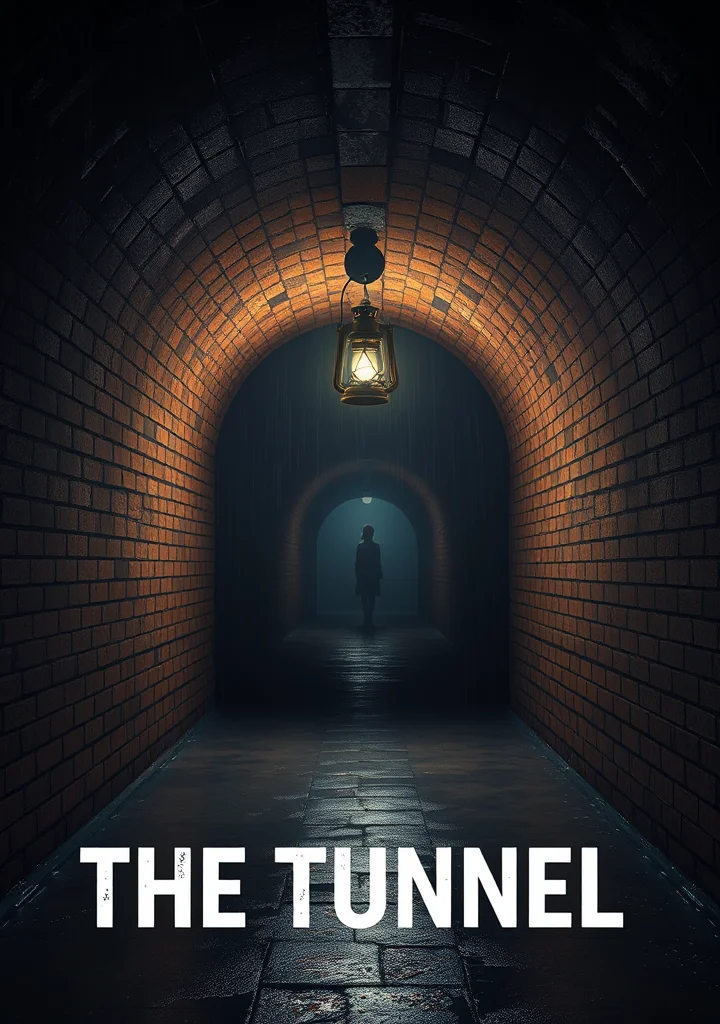
A creeping dampness clings to every page, mirroring the subterranean passage that dominates this fractured narrative. Here, the London streets exhale not into sunlight, but into a labyrinth of echoing brick and shadowed alcoves. The protagonist, adrift in a city both vast and suffocating, finds herself drawn – or perhaps driven – towards a network of tunnels beneath the city’s heart. These aren’t merely physical spaces, but corridors of memory, of unspoken desires, and of a creeping, nameless dread. The narrative unravels like damp thread, pulling at the edges of a life fractured by loss and yearning. A fractured, internal world is rendered through fragmented perceptions. Every encounter, every overheard fragment of conversation, feels weighted with a melancholic resonance. The air is thick with the scent of coal dust and decay, punctuated by the distant rumble of unseen machinery. There is a sense of being watched, of being drawn into a conspiracy of shadows, not by villains, but by the very fabric of the city itself. The tunnel is a metaphor, of course—a descent into the subconscious, a descent into a forgotten self. The prose is less about what is seen, and more about what is *felt* – the cold stone against skin, the suffocating weight of the earth above, the gnawing certainty of something lost, irretrievable, and buried deep within the echoing darkness. A claustrophobic, hypnotic descent into the heart of a woman’s unraveling, and a city’s hidden wounds.
70 Part
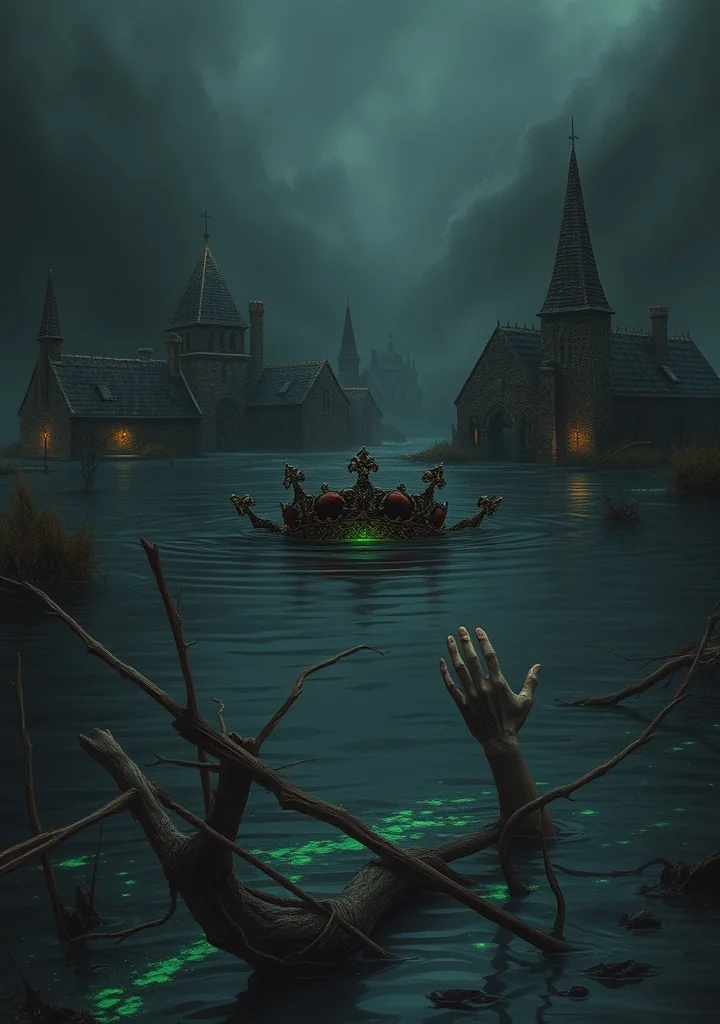
A creeping dread settles over the marshlands of Anglia, mirroring the slow rot within the bones of its last kings. Morris weaves a tale not of glorious battle, but of a world drowning—not in water alone, but in the melancholic decay of forgotten gods and the venomous whispers of those who would usurp them. The narrative clings to the peat bogs like a clinging mist, smelling of salt and brine, of drowned things and the iron tang of blood. Villages vanish beneath encroaching tides, their stone foundations swallowed by the relentless grey, while within crumbling halls, the remnants of a fractured kingdom barter with shadow-things for survival. Each chapter feels like a descent into a waterlogged grave, the prose thick with the weight of loss and the insidious bloom of fungal blooms on rotting timbers. The sun, when it dares to appear, casts no warmth, only long, skeletal shadows stretching across the drowned fields. A sense of inevitable collapse permeates every line; not a heroic struggle against fate, but a mournful acceptance of its glacial, crushing embrace. The flood isn’t merely a rising water level, but a fracturing of the world itself, revealing the skeletal truths of a land consumed by its own melancholic past. The voices that linger are not those of the living, but the drowned echoes of kings, lovers, and children, murmuring from beneath the surface, beckoning the reader to join them in the cold, suffocating embrace of the sundering flood.