
Kirrin Cottage Days
  • 25
  • 0
  • 7
  • Read 25
  • 0
  • Part 7
Ongoing, First published Jun 26, 2026

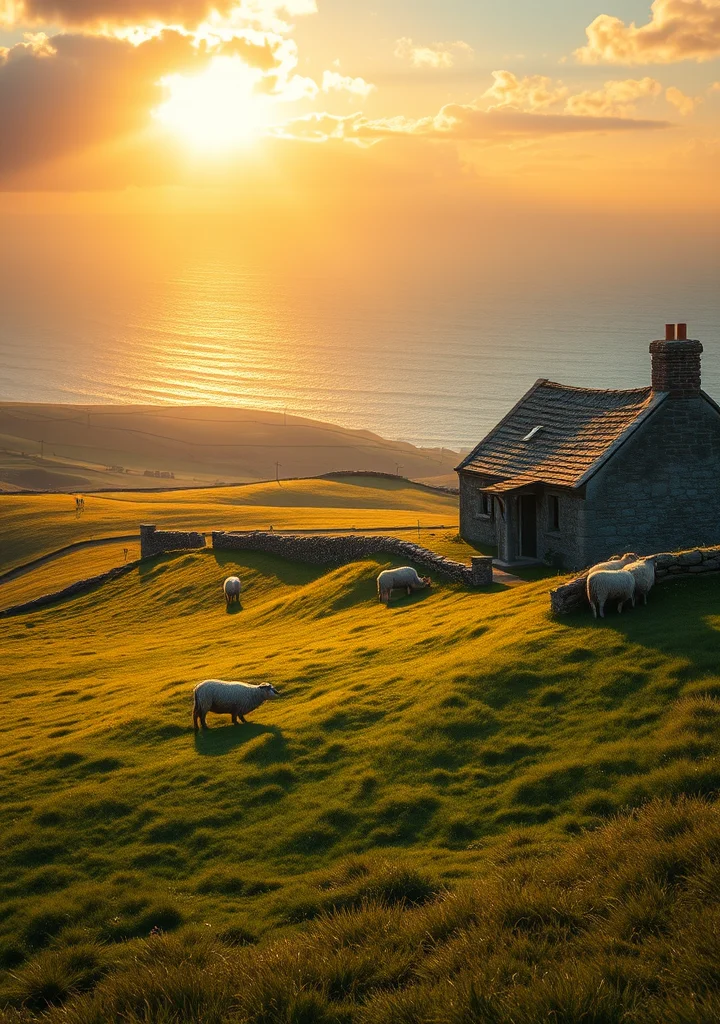
The narrative traces the adventures of George, Julian, Dick, and Anne as they anticipate a summer at Kirrin Cottage. Welcomed by Aunt Fanny and Uncle Quentin – whose scientific work frequently distracts him – the cousins eagerly embrace the freedom of their vacation. These initial chapters reveal a lively household brimming with playful squabbles over snacks and beach outings. Amidst the simple pleasures of ice cream and sandy paws, hints of unexpected encounters emerge, promising a summer filled with both domestic warmth and intriguing possibilities. The story unfolds with a cheerful tone, capturing the excitement of family reunited and the anticipation of carefree days.
Copyright: All Rights Reserved
No person is allowed to use, redistribute, or modify your work in any form without your explicit permission.
More like this

33 Part
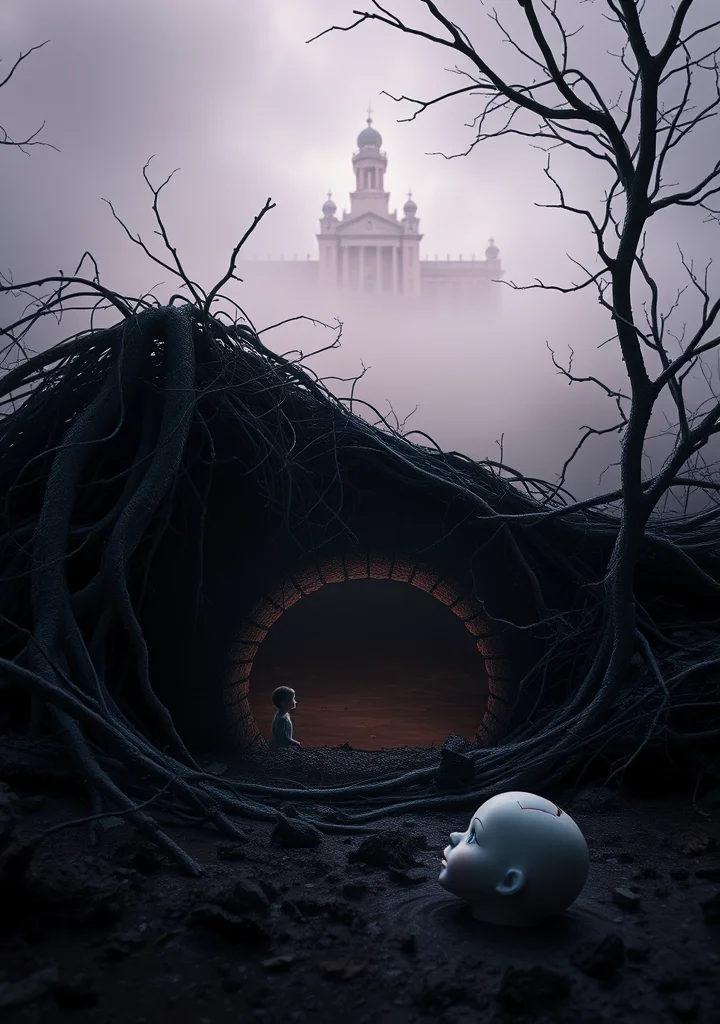
Beneath a veil of perpetual twilight, where ancient forests breathe secrets into the stone of crumbling castles, lies a kingdom shadowed by forgotten paths and the chittering hunger of goblin kind. This is not a tale of valiant knights and gleaming steel, but one of hearth-lit wonder and creeping dread. A princess, luminous and innocent, wanders these shadowed realms guided by a nurse’s lore of hidden doors and the watchful gaze of unseen protectors. Yet, the earth itself remembers the goblins' claim, their greed a festering wound in the mountain’s heart. The air hangs thick with the scent of damp earth and decaying leaves, echoing with the rhythmic thump of goblin hammers and the whispers of a world just beyond the threshold of waking dreams. Every shadow stretches a little longer, every stone seems to watch with cold, ancient eyes. A descent into a labyrinth of winding tunnels, where the very rock weeps with the memory of forgotten miners and the glint of goblin treasure masks a deeper, more insidious hunger. This is a story woven with the threads of childhood wonder, but laced with the chilling awareness of something ancient and malevolent stirring beneath the soil. It is a world where kindness and courage become the brightest lanterns against a darkness that claws at the edges of reality, where the smallest act of faith can illuminate the path to salvation, or lead the unwary soul into the cold, unyielding embrace of the goblin’s lair. A creeping unease settles upon the reader as they journey alongside the princess, drawn into a realm where the boundary between dream and nightmare dissolves with every echoing step.
25 Part
A creeping mist clings to the painted lawns of Ozma’s kingdom, a land perpetually twilight-veiled. Not the vibrant, sun-drenched Oz of Dorothy’s first journey, but a realm of shadowed groves and whispering stone. Here, enchantment curdles into a brittle stillness, where the laughter of fairy folk feels less like joy and more like the echo of forgotten promises. The air hangs thick with the scent of decaying blossoms and damp earth, a fragrance that clings to the velvet robes of the Princess herself. This is an Oz where enchantment is fracturing, where the very magic that birthed the land seems to weep into the soil. The narrative unfolds like a fever dream, a labyrinth of emerald corridors and echoing caverns. Lost within this labyrinth, a young boy is ensnared by a sorceress whose beauty masks a heart of frost. She doesn’t crave dominion, but *absence* – the slow unraveling of Oz’s shimmering threads. The story bleeds into a world of living statues, haunted forests teeming with grotesque bird-like creatures, and the unnerving calm of an underground kingdom built on bone. A creeping dread permeates every chapter, as the characters stumble through a landscape where every turn reveals a new, unsettling reflection of their own vulnerabilities. The familiar comforts of Oz are replaced by an exquisite melancholy, a sense that something beautiful is slowly, irrevocably fading into dust. It is a journey not towards a happy ending, but into the heart of a gilded ruin.
10 Part
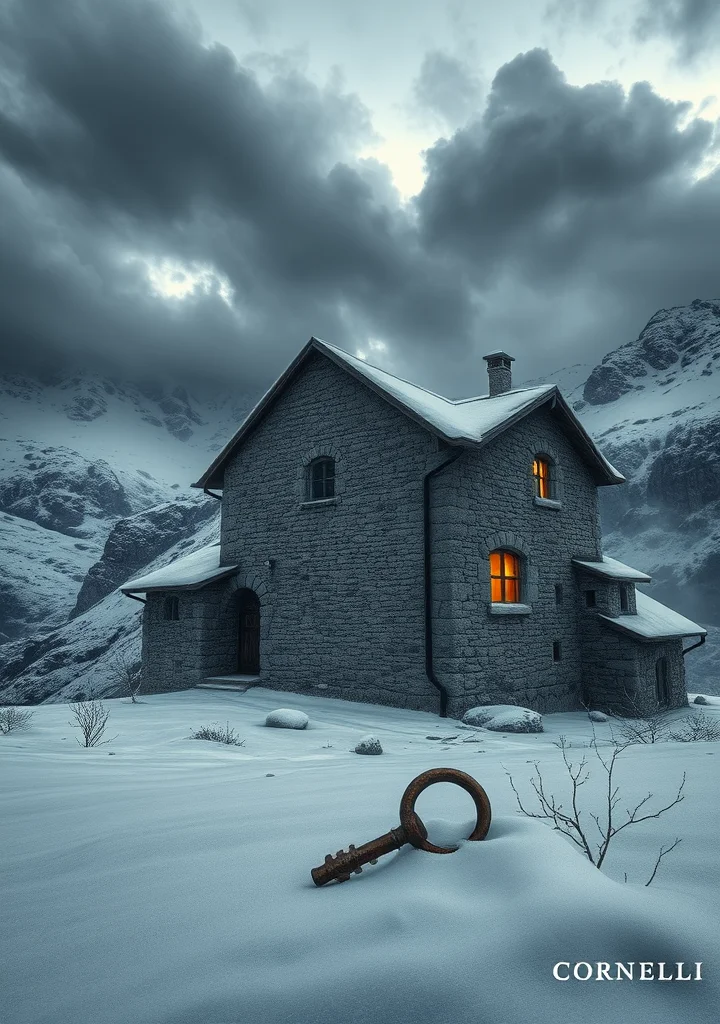
The Alpine air chills not just the skin, but the very bone, in Johanna Spyri’s *Cornelli*. This is not a tale of pastoral idyll, but of a fractured inheritance clinging to a precipice of stone and shadow. The story unfolds within a fortress of a farmhouse, carved into a mountainside that seems to bleed into the grey sky. A young woman, adrift from a fractured family, finds herself bound to this lonely place – a ward of its ancient, echoing rooms and the silence that clings to them like a shroud. The weight of generations presses down with every gust of wind, and the surrounding peaks seem to watch with cold, unforgiving eyes. The narrative doesn’t rush, but *seeps* into the reader’s consciousness, mirroring the slow erosion of the mountains themselves. It’s a landscape of muted colours, of perpetual twilight, where even the sun feels distant and spectral. The house itself breathes with a history of loss and isolation, each room a mausoleum of forgotten lives. A creeping sense of dread permeates the narrative, not from any overt horror, but from the suffocating weight of loneliness and the unyielding grip of the mountains. *Cornelli* is a novel of confinement, not merely physical, but within the echoing chambers of a haunted past, where the secrets of the land and the family’s history are buried as deep as the roots of the ancient pines. The atmosphere is one of pervasive melancholy, a slow, beautiful decay that clings to the reader long after the final page is turned.