
The Magic City
  • 140
  • 0
  • 16
  • Reads 140
  • 0
  • Part 16
Completed, First published Mar 02, 2026

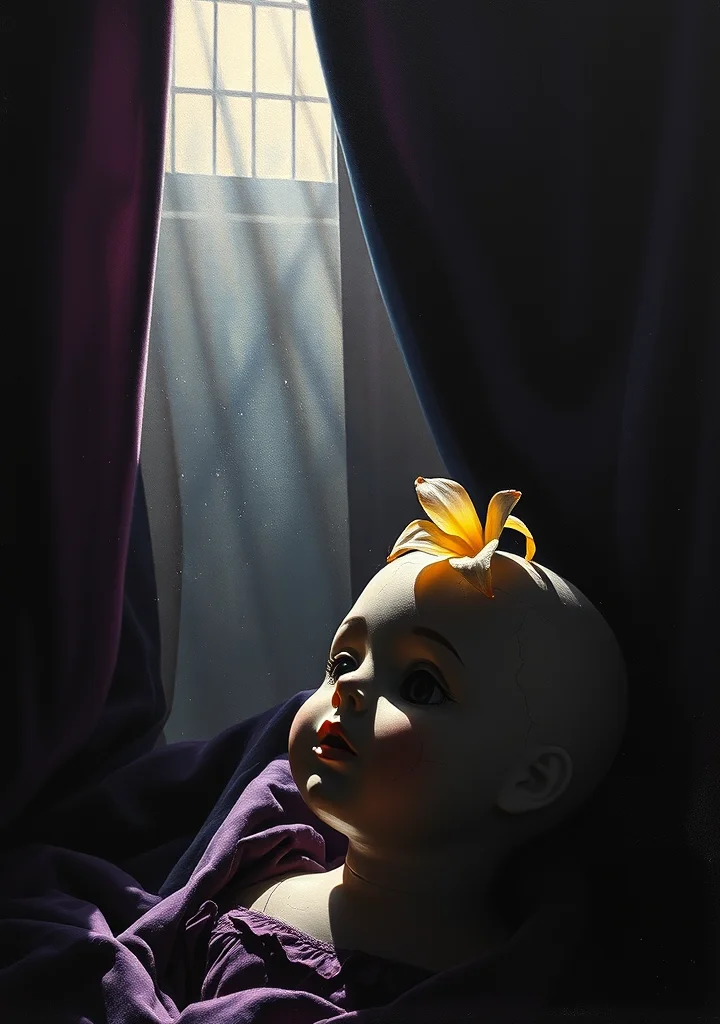
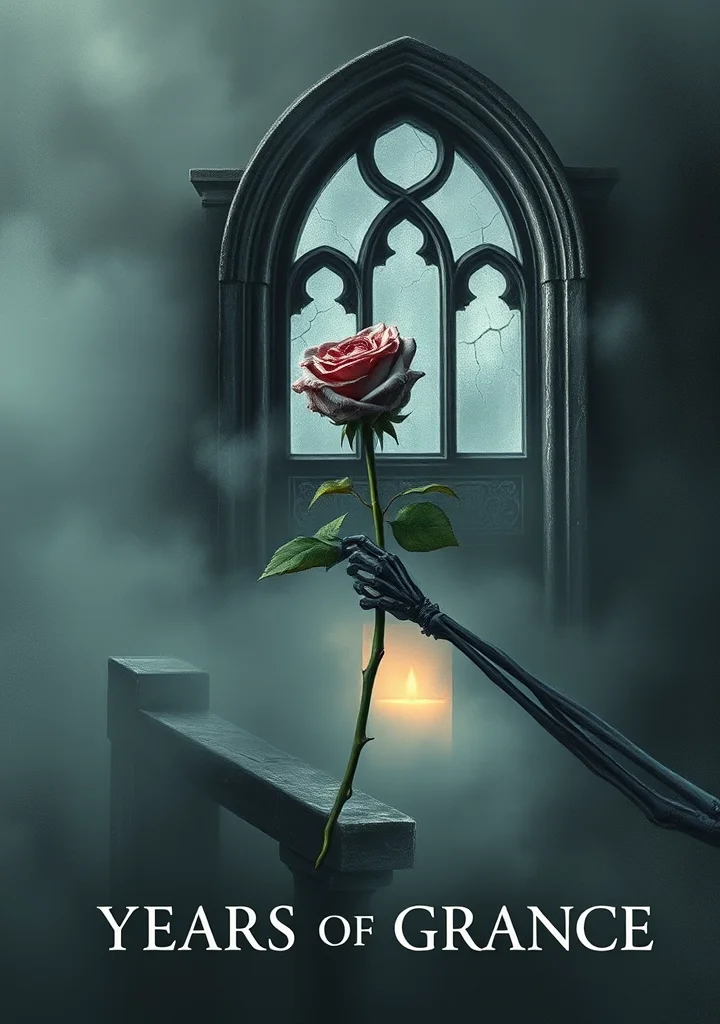
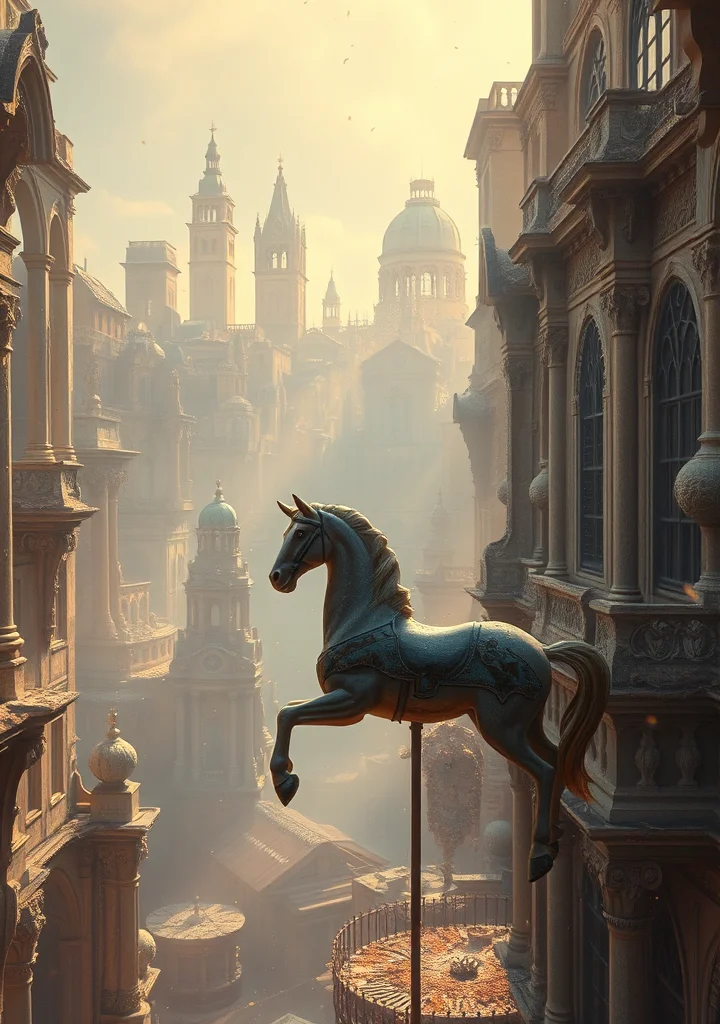
Dust motes dance in perpetual twilight within the crumbling terraces of a city built not of stone, but of dreams and regret. A stifling stillness clings to the cobbled streets, punctuated only by the mournful chime of unseen bells and the whisper of silk skirts trailing through shadowed doorways. The air itself tastes of brine and forgotten promises, thick with the residue of vanished lives. This is a place where children disappear into the labyrinthine alleys, swallowed by a glamour that feels less like enchantment and more like a slow, beautiful decay. The city doesn't *want* to be found, and those who stumble upon it—drawn by whispers carried on the wind—find themselves bound by obligations they never understood. Every painted façade conceals a sorrowful history, every gilded window reflects a ghost of a smile. The magic isn't joyous, but brittle, a fragile enchantment woven from loneliness and the longing for a past that refuses to stay buried. It's a city of echoes, where every heartbeat feels like a trespass, and the boundaries between reality and illusion dissolve into a creeping, insidious dread. The scent of jasmine and decay clings to everything, a reminder that even beauty here is destined to crumble into dust.
Copyright: Public Domain
This license allows anyone to use your story for any purpose, including printing, selling, or adapting it into a film freely.
Recommended for you
38 Part
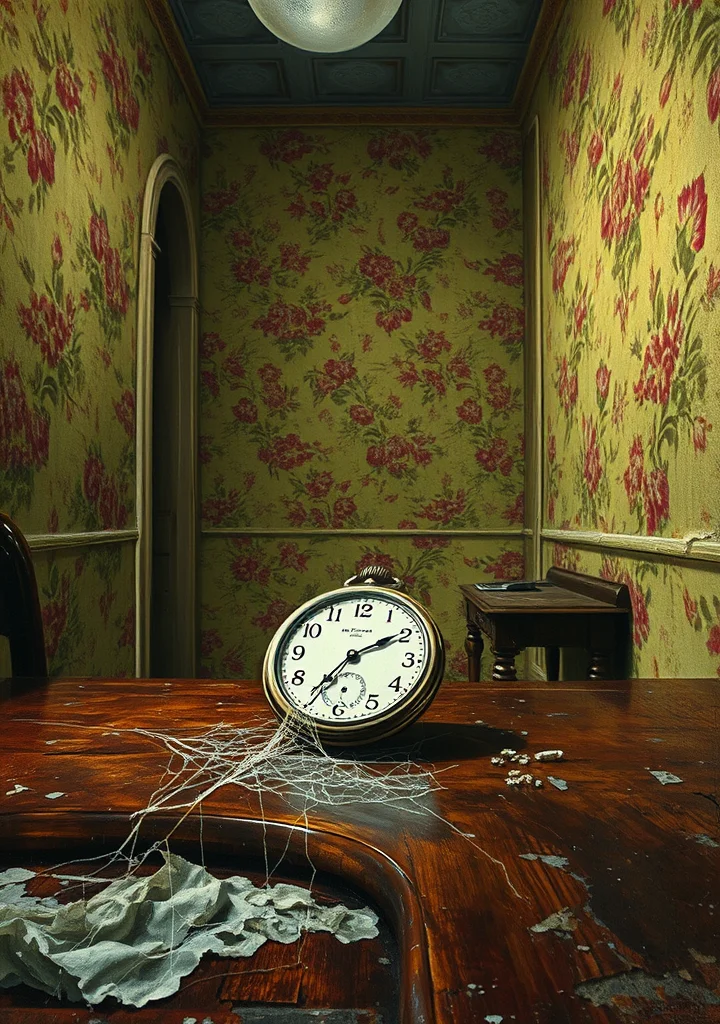
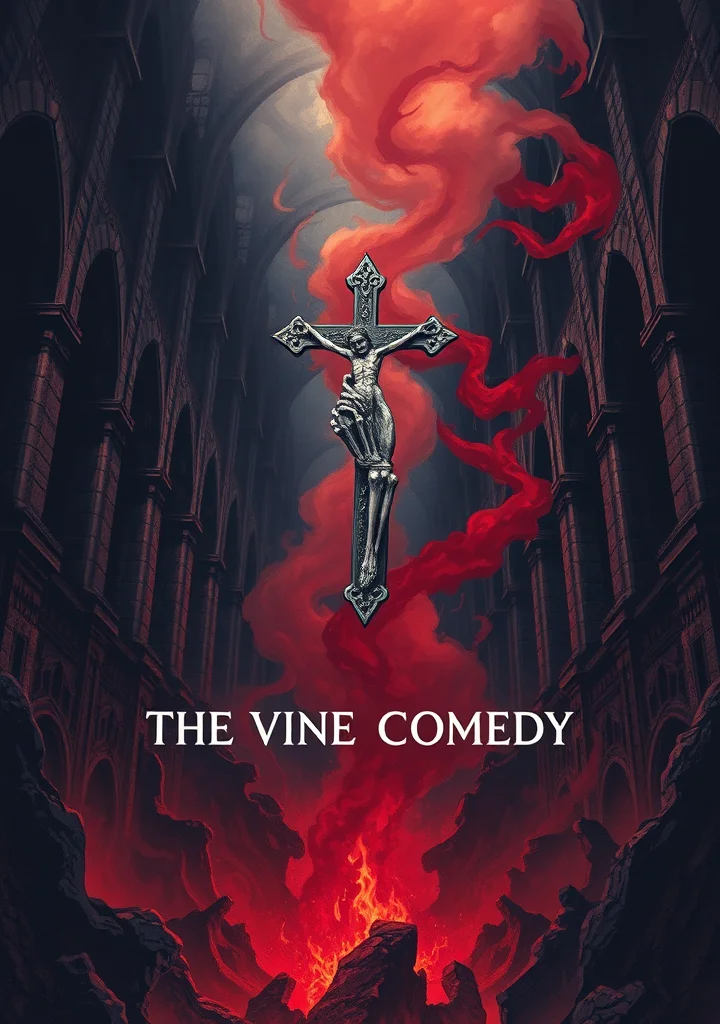
Beneath a perpetual twilight, where the cobbled streets of Oxford bleed into the encroaching shadows of dreaming spires, a labyrinth unfolds. Not of logic, nor reason, but of whispers and half-remembered fears. The air hangs thick with the scent of decaying roses and damp earth, clinging to the hems of coats worn thin by regret. A scholar, haunted by a melody only he can hear – a tune woven from moth wings and the rustling of forgotten prayers – finds his investigations twisting into corridors of mirrored reflections, each revealing a sliver of a fractured self. The city itself breathes with a feverish pulse, its inhabitants caught in a slow waltz with madness. Doors open into impossible angles, revealing parlours choked with velvet gloom and populated by figures whose faces shift with every glance. Every clock ticks backwards, unraveling the threads of time. The narrative unravels like a ribbon, tangled with threads of obsession, hinting at a darkness within the heart of academia. A creeping dread descends, born not of malice, but of the unsettling realization that the very foundations of reality are built upon a foundation of delicate, brittle lies. It is a descent into a world where the boundaries between waking and dreaming blur, where the echo of a forgotten smile can drive a man to the brink of despair, and where the most innocent of riddles conceal the key to a suffocating, unspoken terror. The garden is overgrown, the tea party is never ending, and the rabbit hole leads not to Wonderland, but to a suffocating, elegant rot.
148 Part
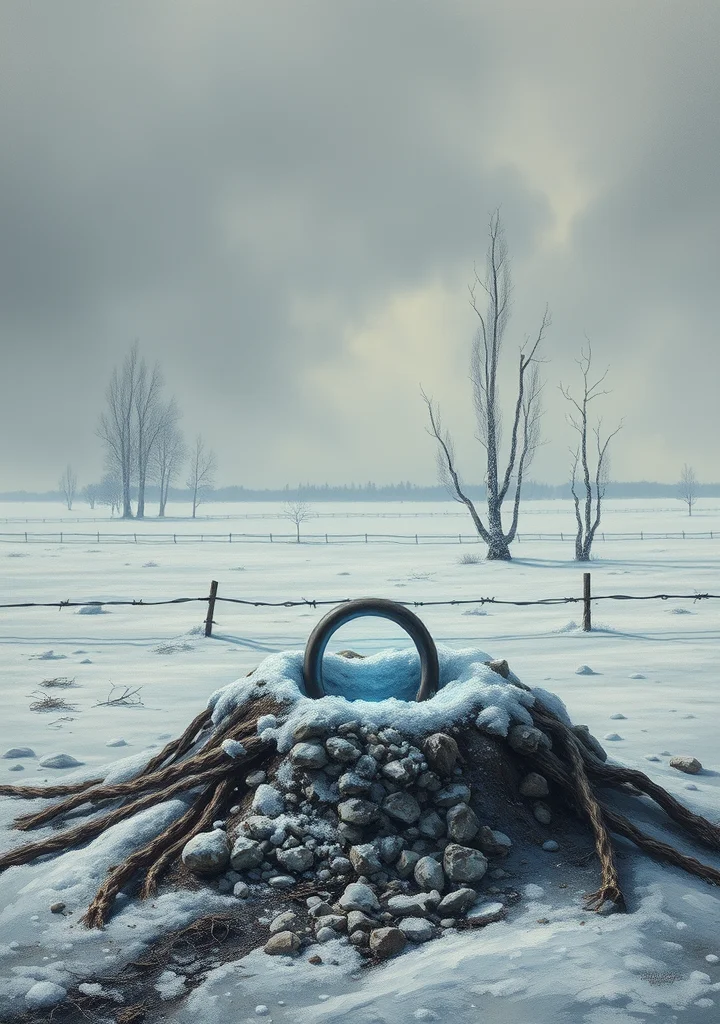
A world steeped in the mud and iron of the Thirty Years’ War bleeds into every page. Simplicissimus doesn't merely recount adventure; it exhumes it from the rotting timbers of abandoned villages and the hollow stares of famine’s ghosts. The narrative coils around you like a creeping fog, thick with the stench of gunpowder and the sour tang of desperation. It isn't heroism that echoes through these chapters, but a brutal, animalistic survival. Each encounter – a brawl in a mercenary camp, a desperate plea for shelter, a glimpse of skeletal families huddled around dying embers – is rendered with a chilling immediacy. The prose itself feels like a shard of glass pressed against the skin, sharp and unforgiving. Grimmelshausen doesn't offer escape, but immersion. You walk alongside Simplicissimus through landscapes ravaged not by armies alone, but by a spiritual decay that festers in the hearts of men. The castles loom as skeletal frameworks against bruised skies, and the forests whisper with the cries of the lost. The novel’s relentless forward motion mirrors the descent into madness, the erosion of innocence, and the ultimate realization that even in the deepest darkness, humanity finds a way to both inflict and endure. A suffocating claustrophobia settles over the reader as the narrative descends into a labyrinth of moral compromise and the casual horrors of a world utterly consumed by war. It is a world where the only virtue is the will to survive, and even that is often purchased with pieces of the soul.