
Chicago Shadows
Translated from Chicago Shadows
  • 1
  • 0
  • 2
  • Read 1
  • 0
  • Part 2
Ongoing, First published Jun 01, 2026

O romance *Chicago Shadows* segue Arielle Ricci, transferida para Chicago como parte de um acordo perigoso intermediado por sua família. Esses capítulos revelam um mundo de poder e medo enquanto Arielle navega em um novo casamento brutal com Antonio Giordano, um homem cujas intenções permanecem assustadoramente obscuras. Dentro de sua própria família, as tensões fervem, alimentadas pela violência e manipulação. Como Arielle tenta esconder um passado traumático, as lealdades fraturas e os atos des e desesperados..
Copyright: All Rights Reserved
No person is allowed to use, redistribute, or modify your work in any form without your explicit permission.
More like this
143 Part
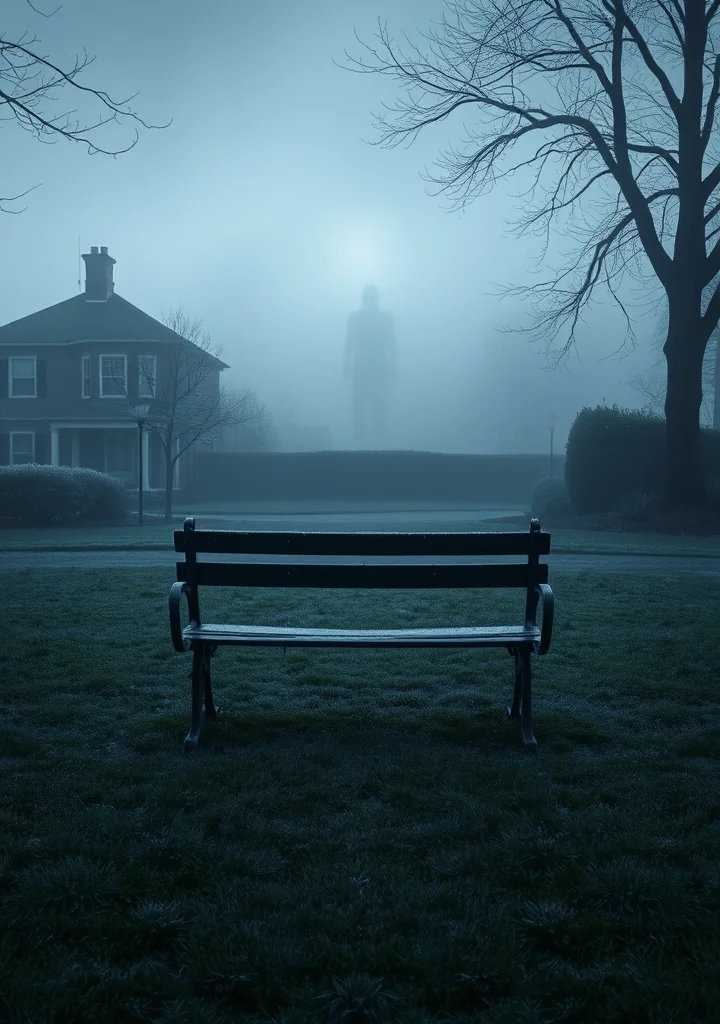
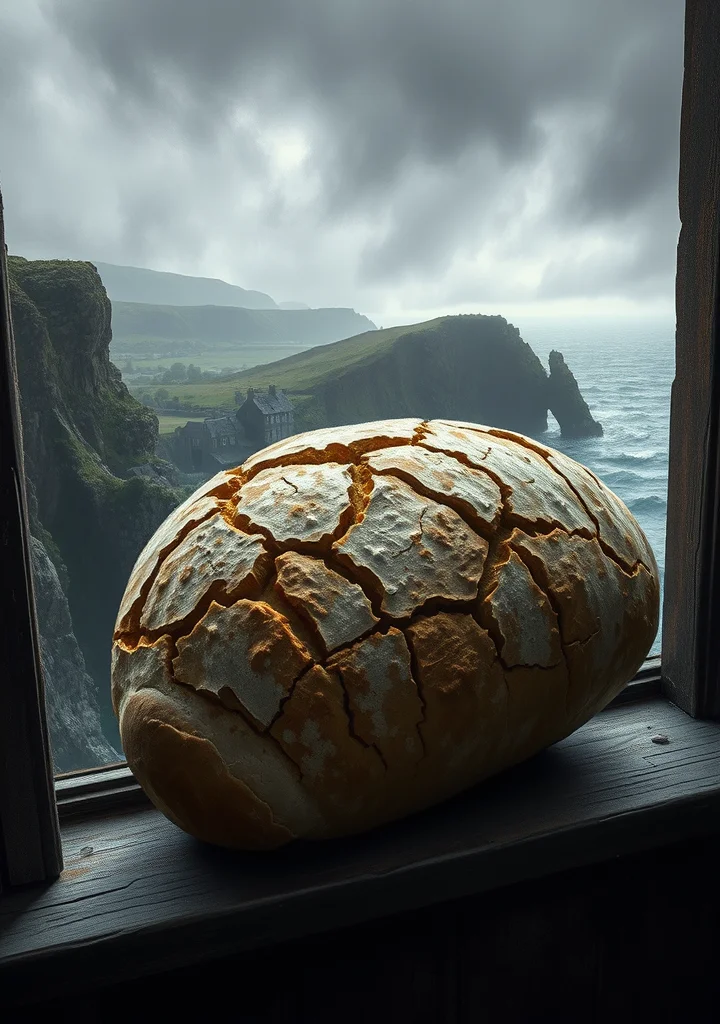
A creeping dread clings to the Dorset coast, a salt-laced miasma rising from the crumbling cliffs and shadowed coves. The village of Little Porthaven holds its secrets tight, woven into the very stone of its cottages and the mournful cry of the gulls. Old Man Tremaine, they say, died of the bread – not the eating of it, but the *making* of it. His final loaf, vast and swollen with a sickening sweetness, was found cooling on the sill, a grotesque parody of domestic comfort. But the bread wasn’t merely a final act. It was a symptom. A slow rot spreading through the Tremaine household, mirroring the insidious decay of the manor itself. Whispers of ancient pacts with the sea, of bargains struck with things best left undisturbed in the black depths, cling to the scent of yeast and flour. The new owners, the Harwoods, arrive seeking respite, unaware they’ve walked into a tomb already claimed. Each slice cut from the giant loaf seems to bleed a little more of the village’s history, staining the air with a cloying guilt. The scent of it clings to the fingers, to the linen, to the very thoughts of those who dare to taste it. It’s a flavor of loss, of forgotten gods, of a hunger that cannot be sated by mortal hands. The house itself breathes, exhaling the cold breath of something ancient and hungry. The shadows lengthen, not with the fall of dusk, but with the weight of the bread itself, pressing down on the living until they too, become part of its slow, suffocating bloom.
35 Part
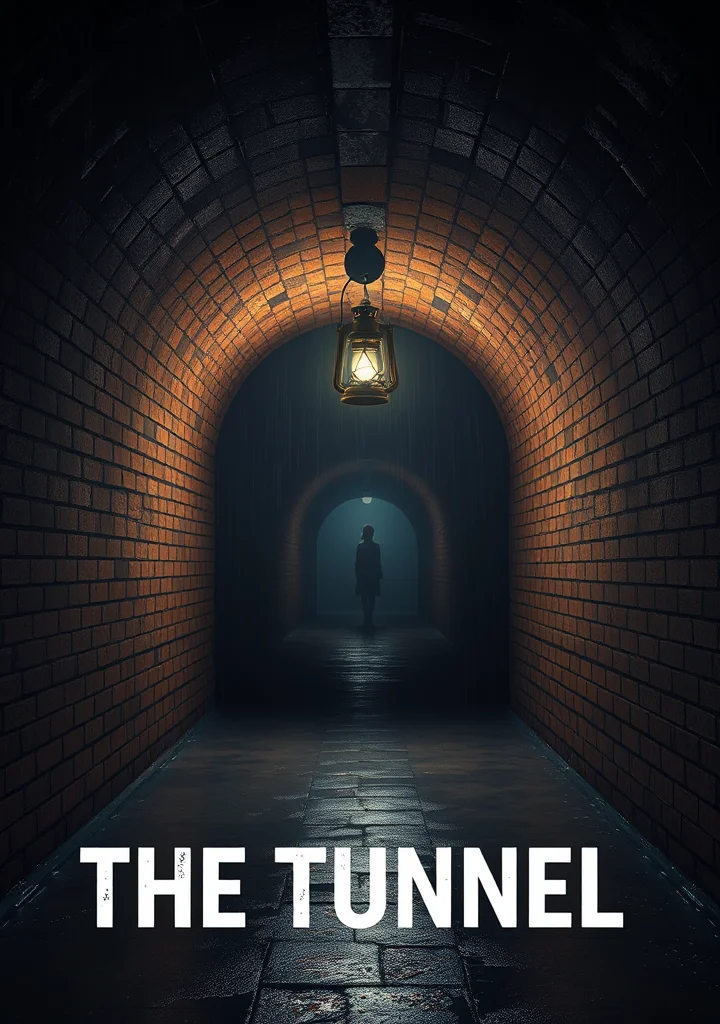
A creeping dampness clings to every page, mirroring the subterranean passage that dominates this fractured narrative. Here, the London streets exhale not into sunlight, but into a labyrinth of echoing brick and shadowed alcoves. The protagonist, adrift in a city both vast and suffocating, finds herself drawn – or perhaps driven – towards a network of tunnels beneath the city’s heart. These aren’t merely physical spaces, but corridors of memory, of unspoken desires, and of a creeping, nameless dread. The narrative unravels like damp thread, pulling at the edges of a life fractured by loss and yearning. A fractured, internal world is rendered through fragmented perceptions. Every encounter, every overheard fragment of conversation, feels weighted with a melancholic resonance. The air is thick with the scent of coal dust and decay, punctuated by the distant rumble of unseen machinery. There is a sense of being watched, of being drawn into a conspiracy of shadows, not by villains, but by the very fabric of the city itself. The tunnel is a metaphor, of course—a descent into the subconscious, a descent into a forgotten self. The prose is less about what is seen, and more about what is *felt* – the cold stone against skin, the suffocating weight of the earth above, the gnawing certainty of something lost, irretrievable, and buried deep within the echoing darkness. A claustrophobic, hypnotic descent into the heart of a woman’s unraveling, and a city’s hidden wounds.
70 Part
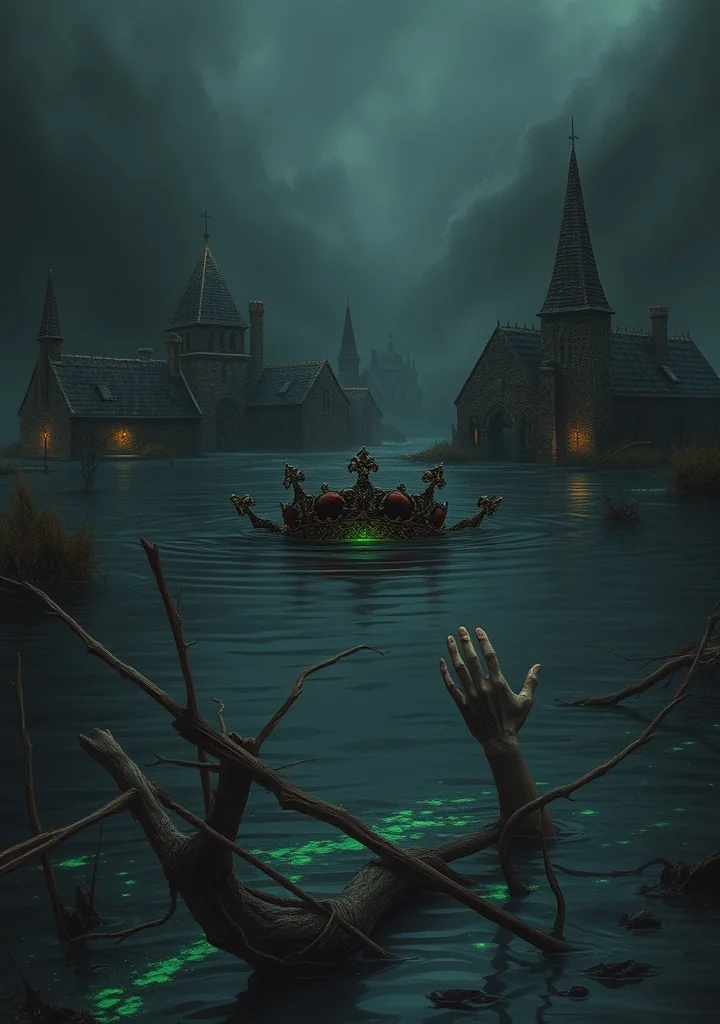
A creeping dread settles over the marshlands of Anglia, mirroring the slow rot within the bones of its last kings. Morris weaves a tale not of glorious battle, but of a world drowning—not in water alone, but in the melancholic decay of forgotten gods and the venomous whispers of those who would usurp them. The narrative clings to the peat bogs like a clinging mist, smelling of salt and brine, of drowned things and the iron tang of blood. Villages vanish beneath encroaching tides, their stone foundations swallowed by the relentless grey, while within crumbling halls, the remnants of a fractured kingdom barter with shadow-things for survival. Each chapter feels like a descent into a waterlogged grave, the prose thick with the weight of loss and the insidious bloom of fungal blooms on rotting timbers. The sun, when it dares to appear, casts no warmth, only long, skeletal shadows stretching across the drowned fields. A sense of inevitable collapse permeates every line; not a heroic struggle against fate, but a mournful acceptance of its glacial, crushing embrace. The flood isn’t merely a rising water level, but a fracturing of the world itself, revealing the skeletal truths of a land consumed by its own melancholic past. The voices that linger are not those of the living, but the drowned echoes of kings, lovers, and children, murmuring from beneath the surface, beckoning the reader to join them in the cold, suffocating embrace of the sundering flood.
53 Part
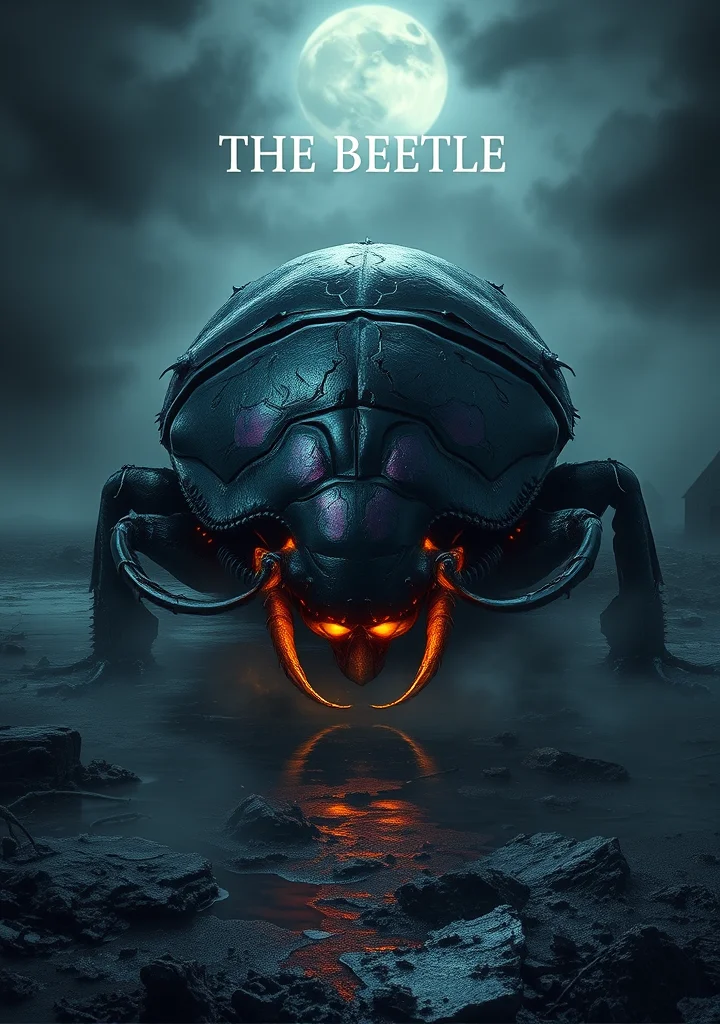
A creeping dread clings to the marshes of northern England, a suffocating fog mirroring the insidious presence that stalks the lives of Arthur Grimstone and his neighbors. It begins with whispers—a monstrous shape glimpsed in the peat bogs, livestock mutilated with unnatural precision, a chillingly human intelligence behind acts of escalating violence. The village of Stilton, already steeped in the melancholy of isolation, is slowly consumed by a terror born of the mire, a thing both animalistic and eerily, deliberately *aware*. Grimstone, a man haunted by his own rigid morality and the suffocating weight of Victorian expectation, finds himself drawn into a desperate pursuit of this creature—a pursuit that unravels not just the boundaries of his sanity, but the very foundations of his world. The Beetle is not merely a beast; it is a distortion, a parasite of the soul, weaving itself into the fabric of their lives, mirroring their darkest desires and festering resentments. Each encounter leaves a residue of cold, damp fear, the scent of decay clinging to the air long after the creature vanishes. The narrative descends into a labyrinth of shadowed alleys, decaying workhouses, and the claustrophobic interiors of Victorian homes—a suffocating world where the line between hunter and hunted blurs, and the monstrous Beetle becomes a terrifying reflection of the darkness within us all. The creeping dread isn't merely *of* the creature, but of the creeping rot *within* the very heart of the village, and within Grimstone himself.
67 Part
The air hangs thick with the scent of decay and damp earth within the crumbling chateau of Clerambault. Here, amidst shadowed corridors and portraits whose eyes seem to follow your every move, a man named Jean, haunted by a past he cannot escape, wages a silent war against his own fracturing mind. The estate itself is a character—a labyrinthine monument to a noble lineage crumbling under the weight of inherited madness and suffocating isolation. Rolland weaves a suffocating atmosphere of psychological torment, where the boundaries between reality and delusion blur with each echoing footstep. Jean's descent is not marked by dramatic outbursts, but by a creeping, insidious unraveling—a quiet rot consuming him from within. The oppressive weight of family history, the suffocating expectations of his ancestral home, and the insidious whispers of his own internal demons create a sense of dread that clings to the reader like a shroud. Sunlight rarely penetrates the overgrown gardens or the dust-veiled windows, lending the narrative a perpetual twilight. Every creaking floorboard, every rustle of leaves, is imbued with a sinister significance. The true horror isn’t found in specters or ghouls, but in the slow, agonizing disintegration of a man’s sanity, witnessed through the fractured lens of his own unreliable perception. It is a story steeped in the melancholic beauty of ruin, a haunting meditation on the fragility of the self, and the suffocating power of memory.