
Forest Mercy
  • 17
  • 0
  • 5
  • Read 17
  • 0
  • Part 5
Ongoing, First published May 16, 2026

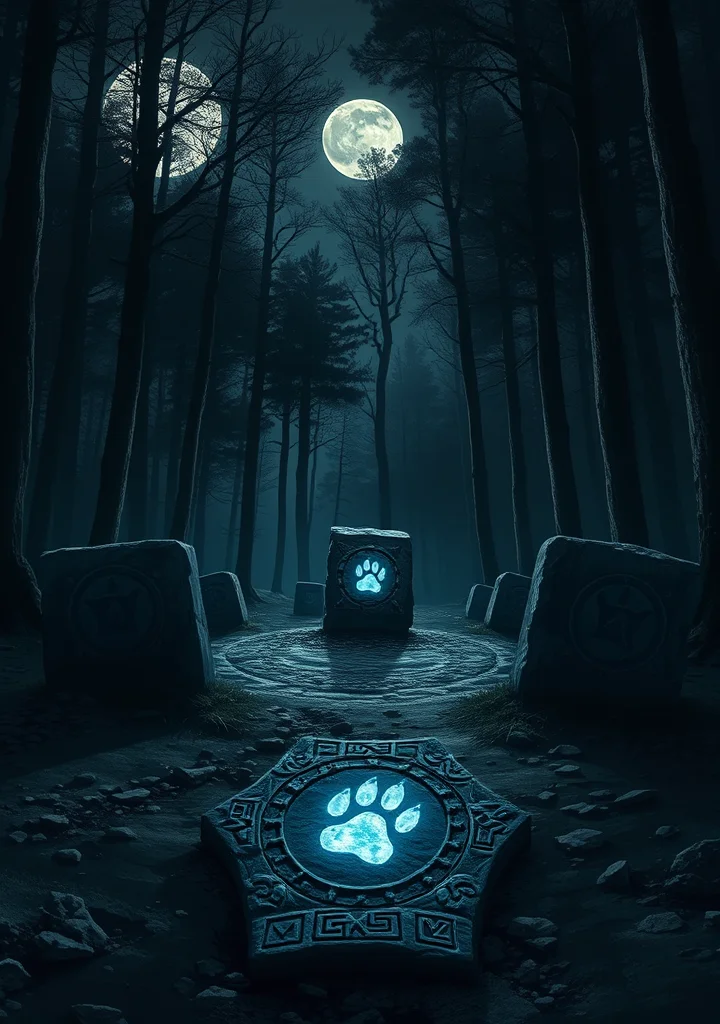
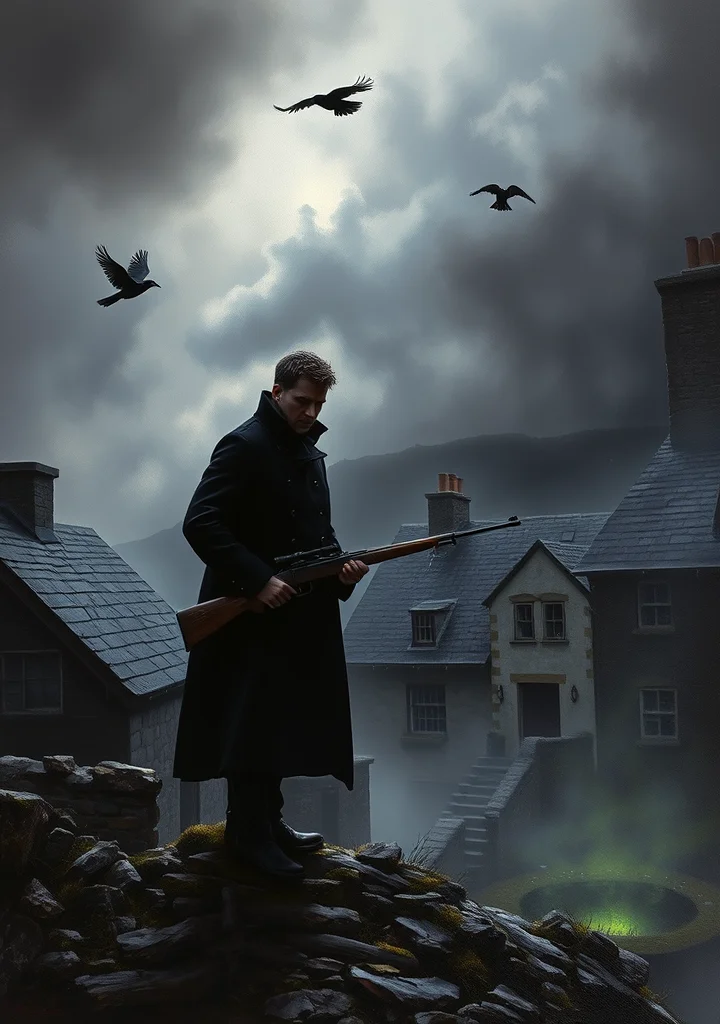
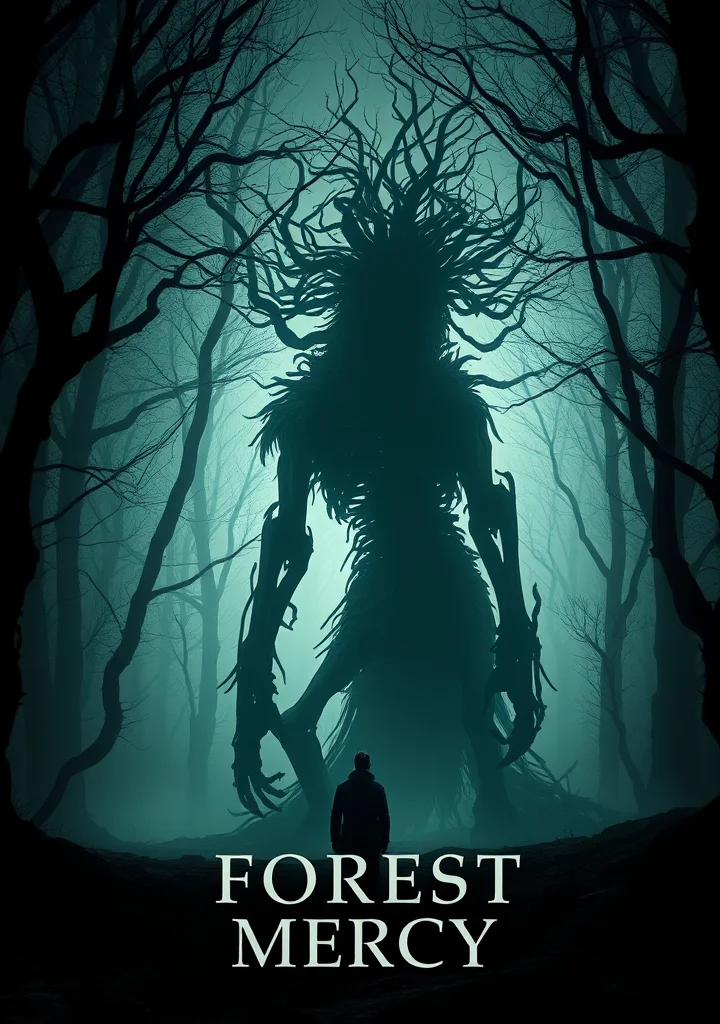
Driven by escape from abuse, the narrative follows a character fleeing into a forbidden forest, where encounters with the uncanny quickly escalate. Initial chapters detail a terrifying confrontation with a creature that shifts between wolf and man, demanding answers to the character’s purpose. Later, a desperate search for a lost heirloom leads to an unexpected mercy: a trapped werewolf offering aid in return for defiance. These chapters trace a volatile dynamic between hunter and hunted, raising questions about survival, loss, and the bargains struck within a landscape where danger and compassion intersect.
Copyright: All Rights Reserved
No person is allowed to use, redistribute, or modify your work in any form without your explicit permission.
More like this
48 Part
A creeping dread clings to Blackwood Manor, a crumbling edifice swallowed by perpetual twilight. Within its shadowed halls, a spectral visitor arrives with the final chime of midnight, unseen, unheard by all save the brittle, aging matriarch, Eleanor. She alone claims to converse with this phantom—a gentleman draped in mourning silks, his face obscured by shadow, his voice a whisper of frost against ancient stone. Is he a lover returned from beyond the grave, a guardian spirit, or something far more sinister drawn to Blackwood’s decaying heart? Each night, Eleanor’s sanity frays further with his chilling visits, fueled by absinthe and the scent of decay. The manor’s portraits seem to watch with hollow eyes, the very timbers groan in protest as the guest’s influence bleeds into the living world. Dust motes dance in the moonlight, revealing fleeting glimpses of his form—a hand reaching for a forgotten locket, a glimpse of a smile that promises oblivion. A suffocating stillness descends with his presence, silencing the house's long-held secrets. The air thickens with the scent of lilies and regret, a suffocating perfume that clings to every surface. He demands not gold or jewels, but memories—fragments of Blackwood’s past, offered up like bloodied roses to appease a hunger that threatens to consume Eleanor, and ultimately, the manor itself. His midnight calls are not invitations to comfort, but a slow, deliberate unraveling of a family's history, woven into a tapestry of grief and shadowed obsession.
56 Part
A creeping dread clings to the shadowed lanes surrounding Wildfell Hall, a manor steeped in rumour and whispered anxieties. The narrative unfolds through the anxious observations of a young gentleman drawn into the isolated community, but quickly becomes consumed by the mystery of its reclusive mistress, Helen. She arrives fleeing a monstrous secret, a husband whose depravity festers within the confines of their marriage. The Hall itself breathes with a history of decay, a gothic fortress concealing not merely stone and timber, but the unraveling of a woman’s spirit. The story is one of entrapment—not within walls, but within a marriage that slowly poisons the soul. Helen’s diary, unearthed like a tomb’s unearthed remains, reveals a descent into darkness, fuelled by alcohol-soaked brutality and the insidious erosion of self-worth. Every shadowed room, every stolen glance, echoes with the suffocating weight of a life slowly extinguishing under the weight of a monstrous devotion. The landscape mirrors the internal torment; bleak moors and desolate farmhouses reflect the emotional barrenness of her existence. A relentless tension builds, punctuated by the chilling details of her husband’s escalating cruelty, until the reader is left gasping with Helen, trapped within a nightmare of domestic horror. It is a tale of escape, yes, but the price of freedom is etched in scars both visible and unseen, leaving Wildfell Hall a monument to the harrowing power of abuse and the desperate will to survive.
56 Part
A creeping dread clings to the shadowed corners of Jurgen’s world, a land steeped in the melancholic decay of ancient magic. The tale unfolds as a descent into a half-remembered nightmare, where the boundaries between dream and reality blur with each echoing chime of distant bells. Jurgen himself, a man of humble origins, is swept into a labyrinth of perverse desires and forgotten gods. His journey is not one of heroism, but of insidious corruption, a slow unraveling of innocence amidst courts of spectral royalty and monstrous appetites. The air hangs thick with the scent of moldering tapestries and the rustle of unseen things. Forests breathe with a sentience both alluring and terrifying, and the laughter of faeries carries the chilling promise of stolen souls. Every encounter feels less like progress and more like a tightening coil around the heart. A pervasive sense of loneliness permeates the narrative; Jurgen is always just beyond reach, a phantom glimpsed through fogged windows. The story breathes with a morbid elegance, a decadent rot blossoming beneath a veneer of polite society. It’s a world where kindness is a curse, and every act of love is shadowed by a looming, unspeakable price. The landscapes themselves seem to weep, mirroring the slow, agonizing erosion of Jurgen’s spirit as he becomes irrevocably entangled in the web of his own making. It’s a descent into a darkness that promises not oblivion, but a twisted, eternal mockery of life.
34 Part
A creeping dread clings to the stone of the Wolfings’ hall, a northern keep haunted by the echoes of a forgotten lineage. Dust motes dance in the perpetual twilight of its shadowed chambers, each a phantom memory of strength and sorrow. The very air tastes of iron and decay, of a glory fading into the encroaching forest. Here, the last of a noble kin, Northmen forged in the crucible of ancient lore, find their heritage besieged not by raiding armies, but by a subtle, insidious rot—a loneliness that breeds despair, a creeping curse woven into the very fabric of the house. Days bleed into nights indistinguishable save for the flickering hearthlight revealing grotesque carvings of wolves and the faces of long-dead ancestors. A sense of isolation, of being watched by something cold and ancient within the walls, permeates every corner. The whispers of the past become tangible—a scent of woodsmoke and blood, a chilling touch on bare skin, a heartbeat echoing in the empty towers. The land itself seems to mourn alongside the Wolfings, the trees clawing at the sky like skeletal hands, the moor stretching out like a grey, undulating sea of forgotten gods. It is a place where the boundaries between the living world and the realm of shadow blur, where the weight of history crushes the spirit, and the heart grows stone within its chest. The house is not merely a structure, but a tomb breathing with the slow, ragged breaths of a dying race, and the wolf, both symbol and specter, waits patiently for its final claim.
29 Part
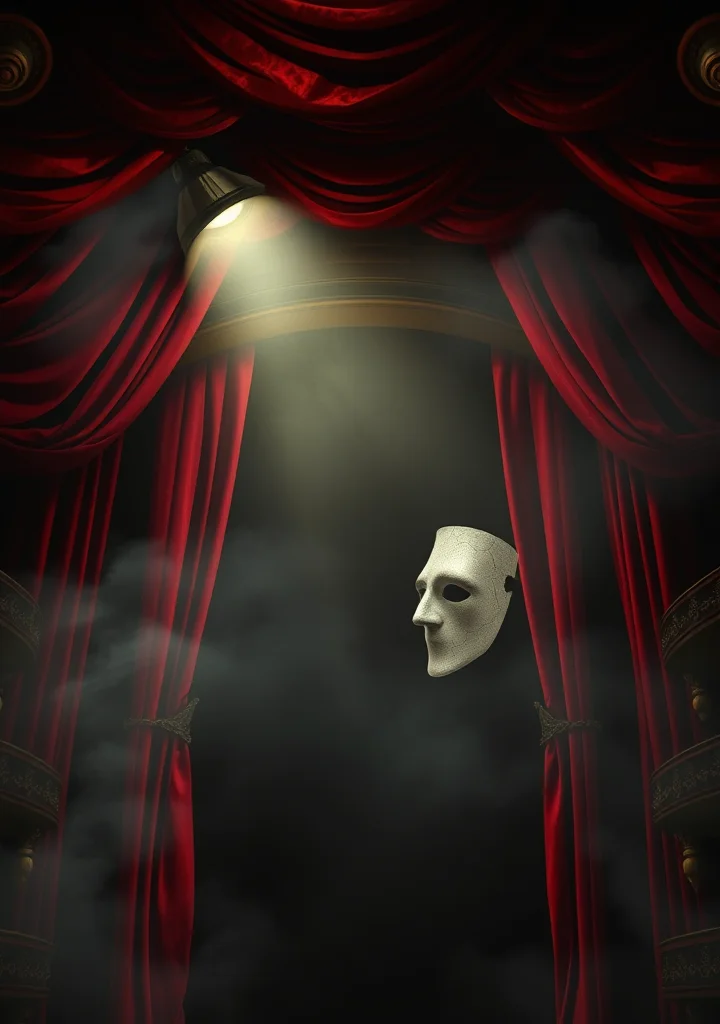
Beneath the opulent grime of the Paris Opera House, a darkness breathes. Not a mere haunting, but a suffocating presence woven into the very stones, the velvet, the gilded dreams of its patrons. A labyrinth of shadowed corridors, echoing with whispers and the scent of decay, conceals a creature born of myth and marred by despair. He is the Phantom, a master of illusion and terror, his face hidden behind a porcelain mask, his touch leaving a chill that lingers long after the music fades. The air is thick with obsession—a fevered devotion to the young soprano, Christine Daaé, stolen from the world and promised to a phantom’s perverse artistry. Her voice, a fragile bloom in the suffocating darkness, becomes both his weapon and his cage. Each performance is a descent into a gothic nightmare, where beauty is measured in stolen glances and fear is the price of adoration. The Opera Populaire is a stage for a tragedy enacted not in notes, but in the slow unraveling of sanity. The Phantom’s domain is not merely a hidden lair, but a corruption of the heart, a reflection of the monstrous desires that lie dormant within us all. The scent of roses mingles with the stench of damp stone, a haunting perfume clinging to the phantom’s legacy as he drags his victims into a suffocating ballet of madness and ruin. The shadows stretch and writhe, mirroring the twisting tunnels beneath the city, and the only escape lies in surrendering to the darkness—or vanishing entirely within its grasp.
21 Part
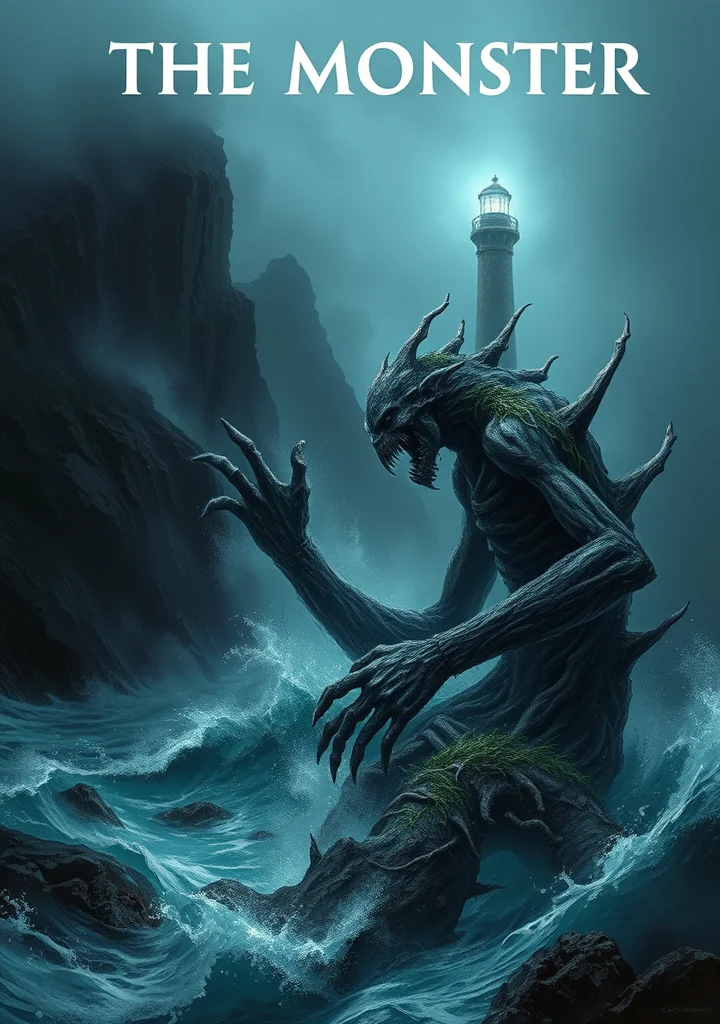
A creeping dread clings to the salt-laced shores of Varick Isle, where the crumbling manor of its namesake stands sentinel against a perpetual grey sky. The story unfolds not as a linear descent, but as a slow unraveling—a tapestry of whispered confessions unearthed in brine-soaked journals and the fevered ramblings of those who dared to seek Varick’s secrets. Saltus paints a world steeped in maritime rot and the suffocating weight of ancestral guilt. Each chapter feels like a chipped fragment of a drowned memory, revealing glimpses of a man consumed by his own meticulous, morbid obsession with charting the currents of madness. The narrative breathes with the damp chill of forgotten crypts, where shadows twist into the shapes of Varick’s monstrous creations—not of flesh and bone, but of painstakingly transcribed nightmares. A suffocating claustrophobia permeates the text, mirroring the labyrinthine passages of the manor itself. The air is thick with the scent of decaying parchment and the metallic tang of blood, both real and imagined. The truth, as it surfaces, is less a revelation than a contagion—a spreading stain of corruption that seeps into the reader's mind, blurring the line between the rational and the grotesque. It is a story of inheritance not of wealth, but of decay, a descent into a watery grave where the boundaries of sanity dissolve into the churning depths. One finds oneself not merely reading of Varick’s madness, but *experiencing* it, drawn into its suffocating vortex, haunted by the echoes of its mournful cries carried on the wind.