
The Return
  • 238
  • 0
  • 25
  • Reads 238
  • 0
  • Part 25
Completed, First published Mar 02, 2026

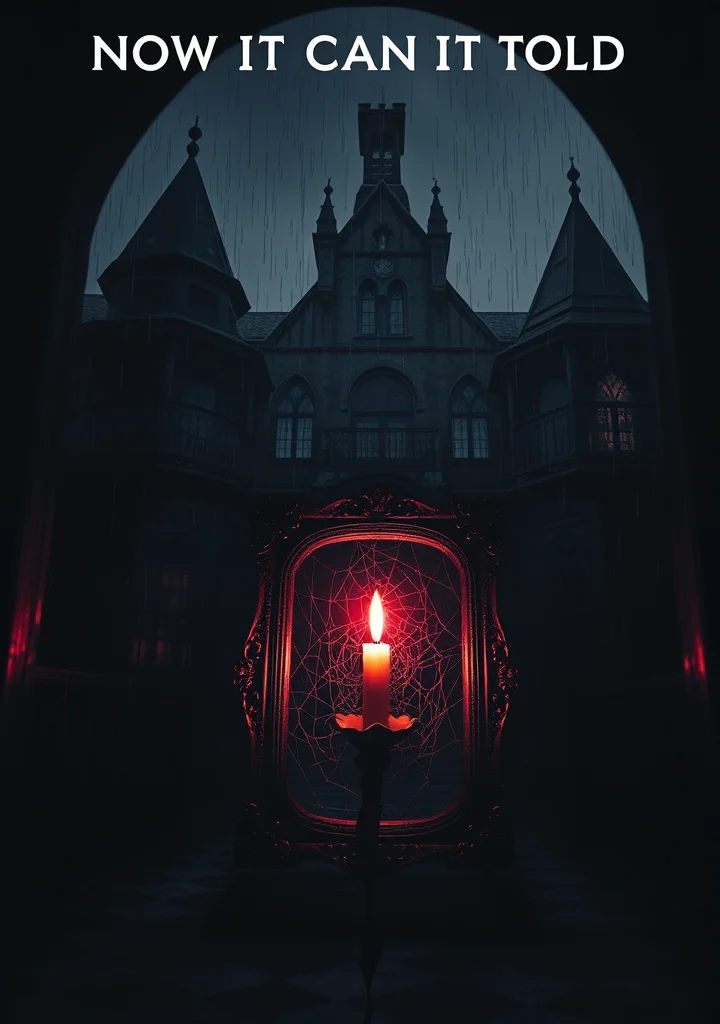
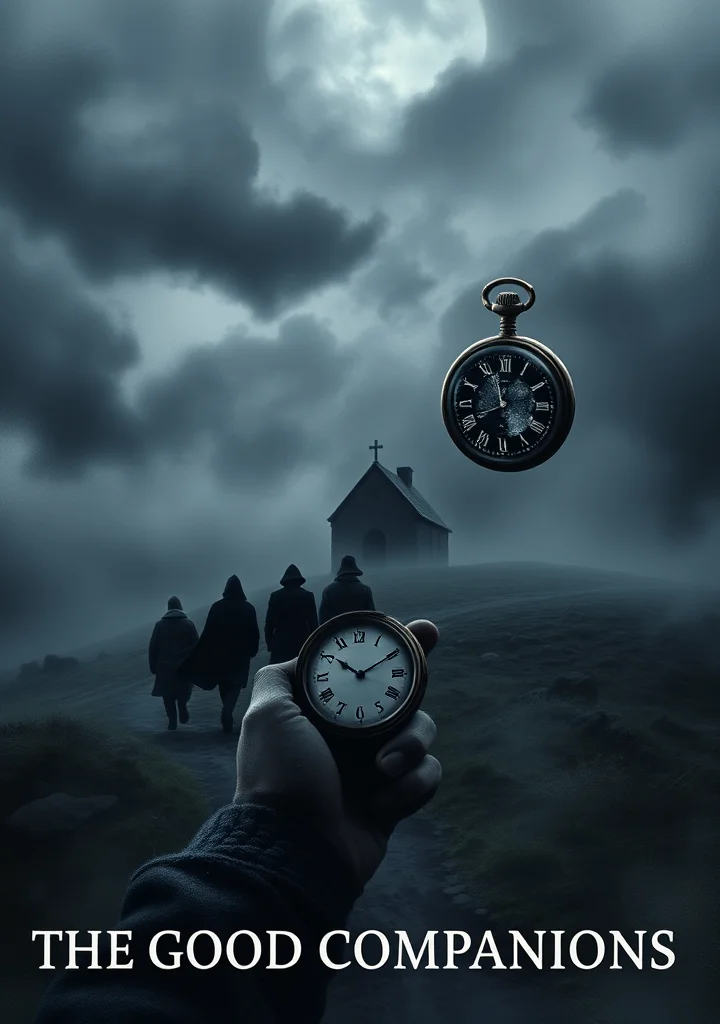
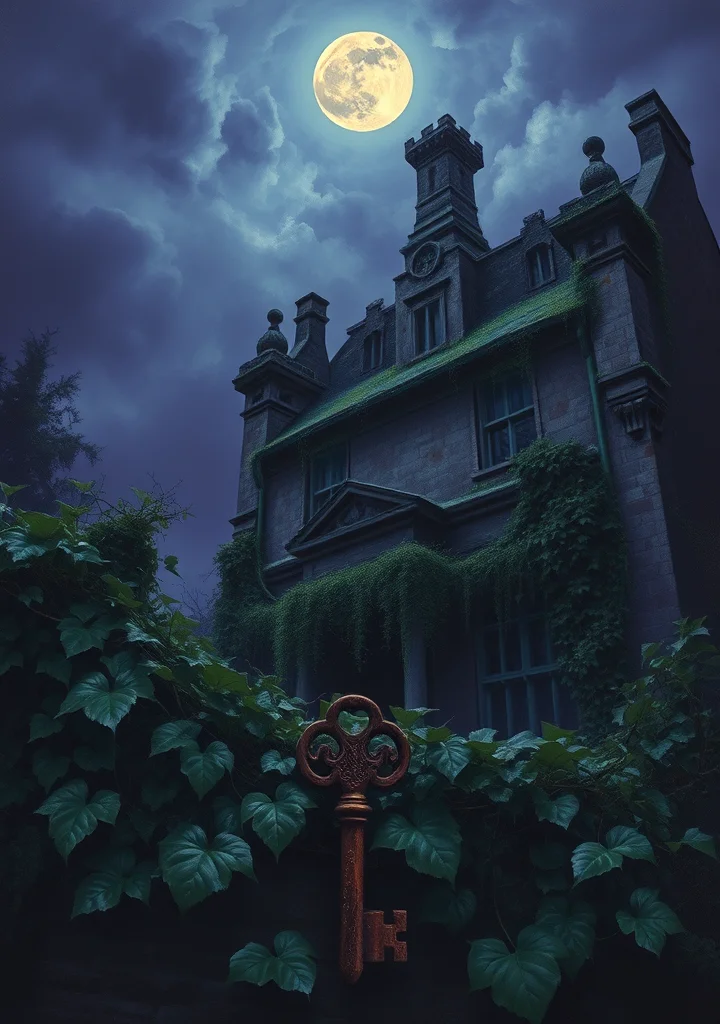
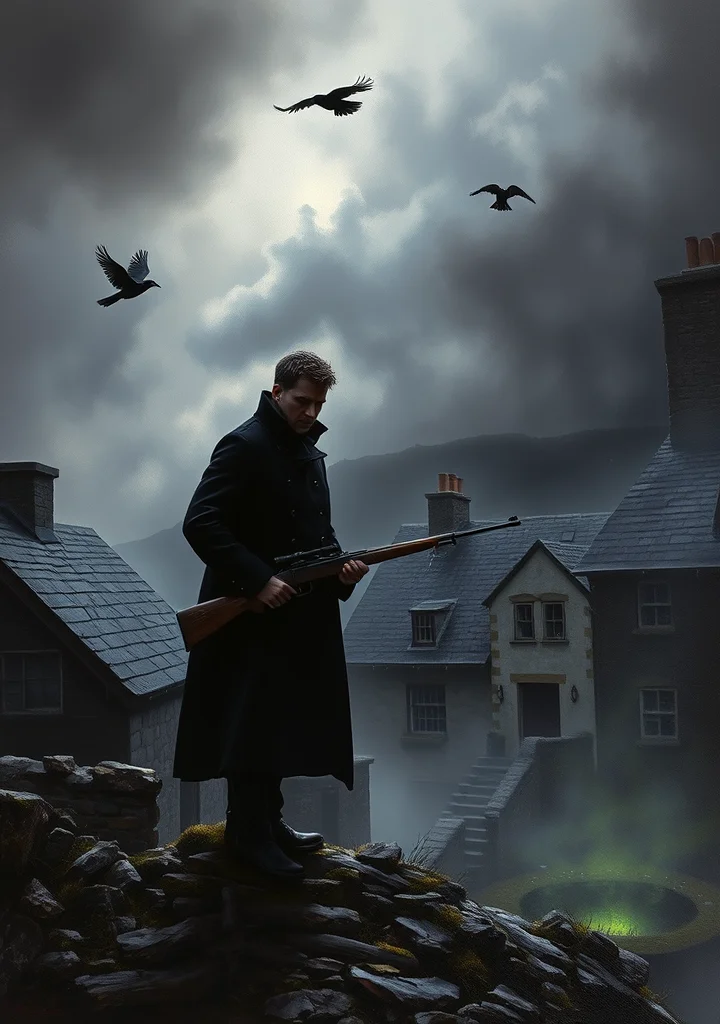
A creeping dread clings to the coastal village of Otterpool as Alistair Thorne returns after decades lost to the Boer War. The salt-laced air tastes of forgotten things, and the grey stone houses seem to lean in, whispering secrets to the wind. Thorne isn’t welcomed home as a hero, but as a shadow lengthening over the lives of those he left behind. His presence stirs a stagnant unease – a sense of something ancient and unwell rising from the peat bogs and the crumbling manor houses. The villagers speak of his absence as a blessing broken, of a darkness that followed him from the veldt, woven into the very fabric of his returning ship. The narrative unravels in fragments – unsettling dreams, half-heard conversations in the fog-choked lanes, and the suffocating weight of inherited guilt. Thorne’s return isn’t a reunion, but an unraveling. He walks among them, a ghost in his own time, while the true horror isn’t his trauma, but what was waiting for him to come back *to*. The sea, a perpetual mourn, mirrors the decay within Otterpool, and the scent of brine carries the promise of something vast and monstrous stirring beneath the waves. It’s a story of inherited darkness, of the things we bury and the places that refuse to let them stay dead. A slow descent into a suffocating, salt-soaked oblivion where the lines between reality and nightmare blur until only the echoing despair remains.


Copyright: Public Domain
This license allows anyone to use your story for any purpose, including printing, selling, or adapting it into a film freely.
Recommended for you
50 Part
A London fog clings to the consciousness as tightly as the secrets within the Worthingtons’ decaying Mayfair townhouse. This is a story steeped in the sickly sweetness of regret, where shadows lengthen with each whispered confession and the scent of dying lilies hangs heavy in the air. The narrative coils around a dying heiress, Catherine, a creature of fragile beauty and suffocating piety, whose final days become a vortex for the desires and deceits of those orbiting her dwindling flame. A stifling domesticity breeds a desperate hunger for connection, a yearning masked by polite conversation and shadowed glances. The air vibrates with unacknowledged needs – a crippled barrister's ambition, a lovelorn doctor’s despair, a calculating suitor's cold calculation. Each character is a moth drawn to Catherine’s incandescent, yet fading, light, only to find themselves consumed by the moral rot beneath the polished veneer of their lives. The story unfolds not as a dramatic rush, but as a slow, suffocating erosion of faith, a descent into the claustrophobia of unspoken desires. The very architecture of the house feels oppressive, mirroring the constraints placed upon these characters by duty, expectation, and the weight of their own concealed longings. It is a haunting portrait of sacrifice and betrayal, where the wings of the dove – a symbol of fragile innocence – are ultimately clipped by the sharp realities of a world defined by its compromises. The narrative breathes with the damp chill of inevitability, leaving the reader immersed in the suffocating stillness of a life quietly extinguished.
54 Part
A creeping fog clings to the cathedral spires of Barchester, mirroring the insidious tendrils of ambition and deceit that tighten around the lives within its ancient walls. The air hangs heavy with the scent of damp stone and decaying gentility, a perfume of hushed scandal and simmering resentments. Here, amidst the shadowed cloisters and echoing halls, a web of delicate, yet poisonous, social machinations unfolds. Miss Eleanor Bold, adrift in a sea of inherited wealth and uncertain affections, finds herself a pale moth drawn to the flickering flames of power held by the ambitious and calculating Reverend Mr. Slope. But Barchester is a place where smiles are brittle as frost, and piety masks a hunger for advancement. Each stolen glance, each murmured secret, is weighted with the burden of expectation and the threat of ruin. The very stones seem to listen, absorbing the whispers of gossip and the slow, agonizing unraveling of reputations. A sense of claustrophobia permeates the narrative, not of physical confinement, but of the suffocating weight of convention. The story unfolds like a slow bloom of mildew, spreading across the polished surfaces of respectability, revealing the rot beneath. It is a world where the slightest transgression casts a long, chilling shadow, and where the pursuit of a comfortable life can lead one down corridors of unbearable loneliness and regret. The shadows lengthen as the novel progresses, obscuring the true motives of the characters, leaving only the hollow echo of their desires in the cavernous silence of Barchester Cathedral.
62 Part
A creeping malaise descends with the first ascent to Berghof, a sanatorium clinging to the precipice between life and death. Not a fever dream, but a deliberate, glacial erosion of the self, orchestrated by the mountain’s insidious stillness. Here, time dilates, stretching into an eternity measured not by clocks, but by the slow, deliberate consumption of lungs and the languid unraveling of souls. The air itself is a narcotic, laced with the scent of pine and the ghosts of consumption, drawing the protagonist into a hypnotic orbit around the tubercular aristocracy of the sanatorium. Days bleed into weeks, weeks into years, punctuated only by the hollow coughs echoing through corridors, and the unsettlingly precise rituals of measurement – weight, temperature, sputum. A baroque decay permeates every surface, mirroring the rot within the bodies of its inhabitants. The mountain is not merely a backdrop, but a character, a malevolent deity presiding over a kingdom of shadows and protracted farewells. Whispers of philosophy mingle with the damp chill of mortality, as the protagonist drifts through a labyrinth of intellectual debate, drawn into the orbit of a charismatic, cynical aesthete who seems to thrive on the very sickness that defines their gilded cage. It is a descent into a hypnotic, self-imposed exile, a voluntary surrender to the beautiful, terrible weight of waiting. The world below, the world of action and ambition, becomes a fading memory, a phantom limb severed by the mountain's isolating embrace. The narrative is less a journey toward recovery, and more a meticulous charting of the boundaries of oblivion, a slow, deliberate burial within the snow-capped peaks of the self.