A Distant Husband
  • 38
  • 0
  • 8
  • Read 38
  • 0
  • Part 8
Ongoing, First published Jun 26, 2026

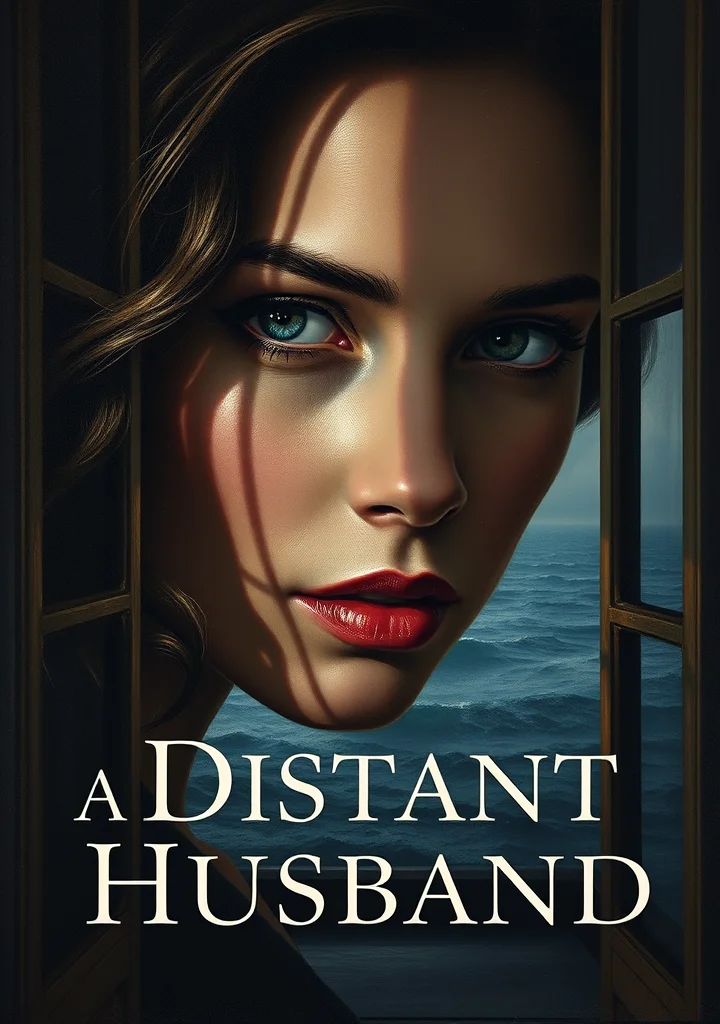
This novel follows Cate Balley as she navigates a tense and unsettling marriage to Captain David Demery. The story opens onto a visit from Demery at Cate’s cottage, an encounter marked by awkwardness and disapproval from those around her. As Cate travels toward her wedding, the narrative traces her resentment toward those who look down on her station. Upon arriving at Demery’s home, Plas Bryn, she finds herself in spacious accommodations, though the nature of their connection remains reserved. These chapters hint at a future shaped by social expectations and uncertain beginnings.
Copyright: All Rights Reserved
No person is allowed to use, redistribute, or modify your work in any form without your explicit permission.
More like this
72 Part
The fog clings to the crumbling facades of the unnamed city, mirroring the decay within Elias Thorne. He walks a perpetual twilight, haunted by fragments of a life both lived and unlived—a surgeon’s detachment from flesh, a soldier’s apathy toward slaughter, a scholar’s cold dissection of the human heart. Each cobbled street exhales the ghosts of forgotten debts, of promises whispered in sulfurous dens. Thorne isn’t seeking redemption, only observation, meticulously charting the unraveling of sanity as he drifts between the opulent rot of the aristocracy and the festering wounds of the slums. His journal, a ledger of morbid curiosities, details not grand conspiracies but the exquisite, creeping despair of ordinary men driven to monstrous acts by quiet desperation. The narrative isn’t one of revelation, but of erosion—the slow, deliberate crumbling of belief, the grinding down of hope into dust. The city itself is a character, breathing with a feverish pulse of corruption, its shadows deepening with each page Thorne fills. It’s a study in the geometry of grief, a precise mapping of the places where the veil thins and the abyss gazes back. There is no escape, only the deepening conviction that all life is a meticulously constructed artifice, designed to conceal a void that yawns beneath every stone, every smile, every heartbeat. The true horror is not what Thorne witnesses, but the realization that it is simply… expected.
56 Part
A creeping dread clings to the shadowed lanes surrounding Wildfell Hall, a manor steeped in rumour and whispered anxieties. The narrative unfolds through the anxious observations of a young gentleman drawn into the isolated community, but quickly becomes consumed by the mystery of its reclusive mistress, Helen. She arrives fleeing a monstrous secret, a husband whose depravity festers within the confines of their marriage. The Hall itself breathes with a history of decay, a gothic fortress concealing not merely stone and timber, but the unraveling of a woman’s spirit. The story is one of entrapment—not within walls, but within a marriage that slowly poisons the soul. Helen’s diary, unearthed like a tomb’s unearthed remains, reveals a descent into darkness, fuelled by alcohol-soaked brutality and the insidious erosion of self-worth. Every shadowed room, every stolen glance, echoes with the suffocating weight of a life slowly extinguishing under the weight of a monstrous devotion. The landscape mirrors the internal torment; bleak moors and desolate farmhouses reflect the emotional barrenness of her existence. A relentless tension builds, punctuated by the chilling details of her husband’s escalating cruelty, until the reader is left gasping with Helen, trapped within a nightmare of domestic horror. It is a tale of escape, yes, but the price of freedom is etched in scars both visible and unseen, leaving Wildfell Hall a monument to the harrowing power of abuse and the desperate will to survive.
60 Part
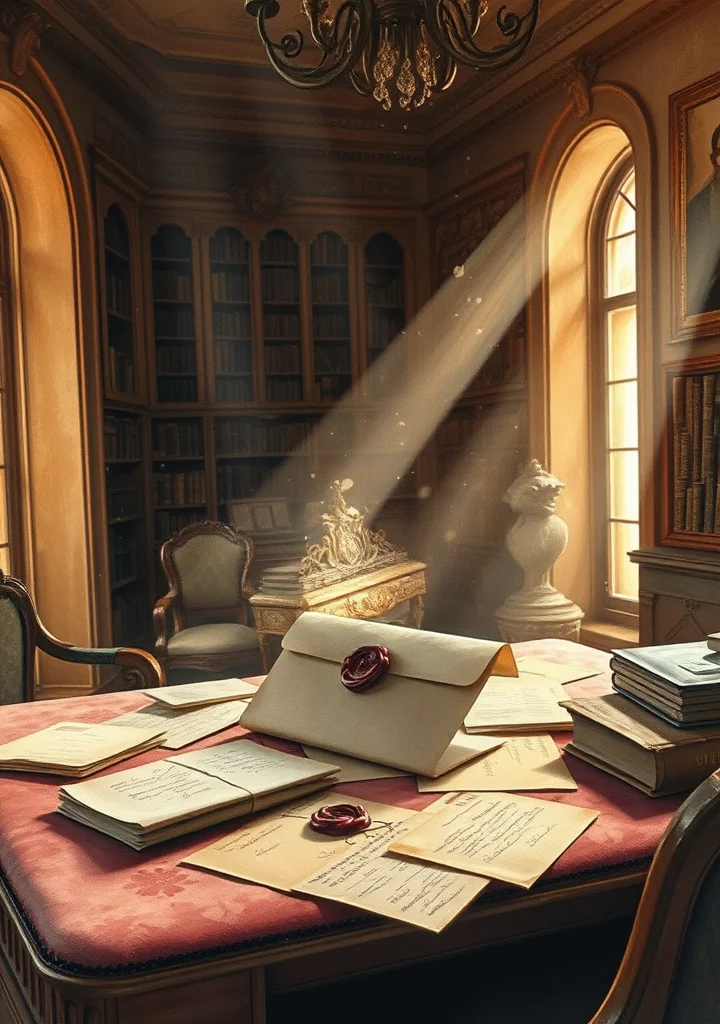
Dust motes dance in the fading light of provincial chateaux, mirroring the slow decay of ambition and the brittle fragility of hope. These letters, unearthed from forgotten bureaux and damp attics, whisper of two women bound by circumstance and the suffocating weight of societal expectation. One, a bride purchased for lineage, haunted by the spectral echoes of a loveless marriage. The other, a bride of convenience, her youth traded for the preservation of a crumbling estate. The narrative unfolds not in grand pronouncements, but in the tremor of a penned word, the bleed of ink mirroring the slow erosion of their spirits. Each missive is a fragment of a fractured life, stained with the bitter residue of betrayal, the chill of isolation, and the gnawing desperation for a love that exists only in the shadowed corners of their dreams. A pervasive melancholy clings to the pages, thick as the fog that shrouds the ancestral homes. The air hangs heavy with the scent of dying roses and the unspoken resentments that fester beneath layers of silk and lace. The landscapes—bleak vineyards, crumbling manors, and the oppressive silence of shadowed forests—become extensions of the women's internal landscapes: barren, desolate, and haunted by the ghosts of promises broken. The letters themselves are not merely communication, but desperate pleas cast into a void, each echoing with the chilling realization that they are trapped within a labyrinth of obligation and despair, their fates inextricably intertwined with the decaying grandeur of a bygone era.
60 Part
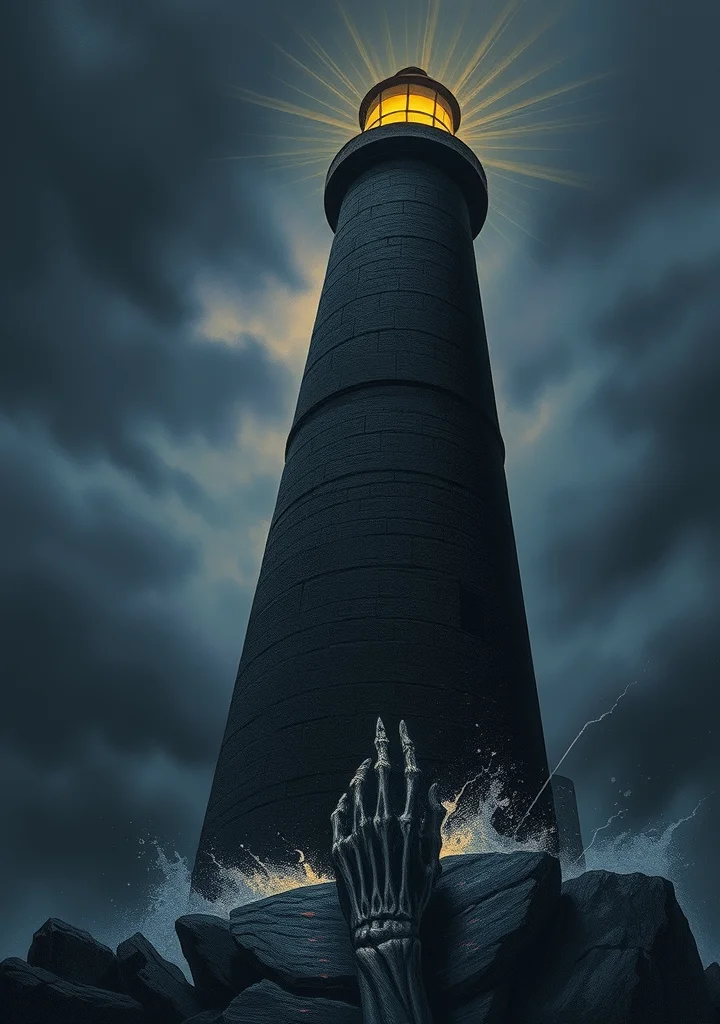
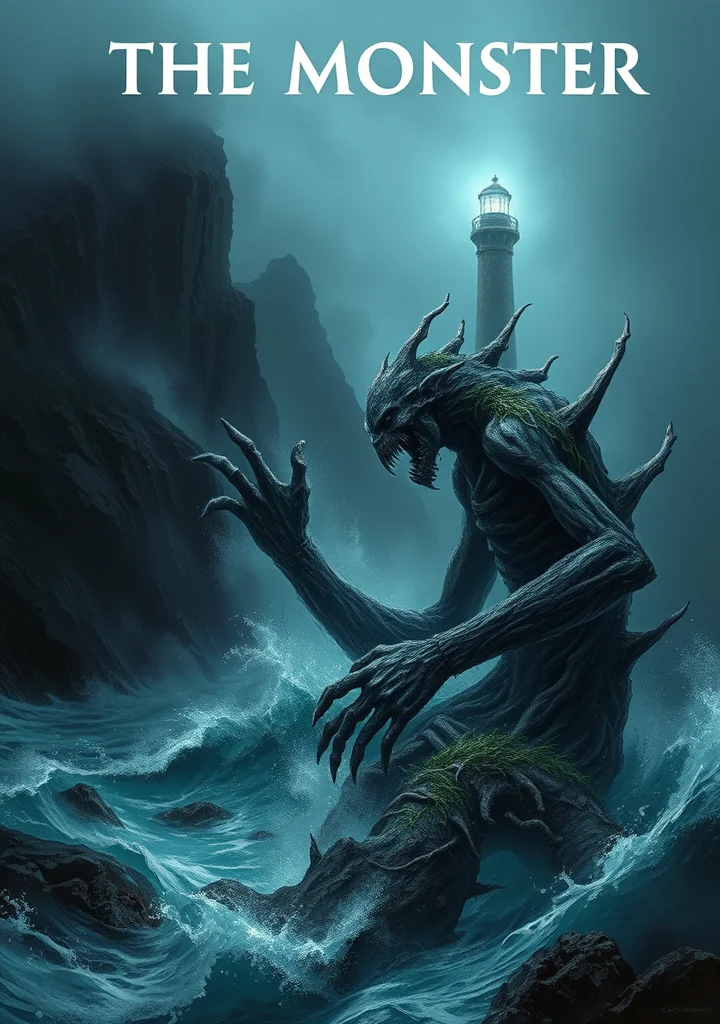
A creeping dread clings to the salt-laced air of the Cornish coast, where the manor of Blackwood stands sentinel against a bruised and perpetual twilight. Old Man Hemlock, keeper of the lighthouse and a soul weathered by decades of isolation, hears it first – a rasping, not of wind or wave, but something *within* the stone of the tower itself. It begins subtly, a disturbance in the rhythm of the beam, a tremor in the ancient masonry, but soon it worms its way into Hemlock’s mind, mirroring the decay of his own fractured memories. The rasp grows with the rising tide, echoing the secrets buried within Blackwood’s shadowed halls – tales of a drowned lineage, of a sea captain’s obsession with a spectral wreck, and of a creature dredged up from the abyss that now haunts the jagged cliffs. Every foghorn blast feels like a summons, every shadow a grasping hand. Hemlock's descent into madness is mirrored by the lighthouse's slow, agonizing surrender to the sea, as if the tower itself is becoming a grave for something ancient and hungry. The air thickens with the scent of brine and rot, and the rasp becomes a voice - a whisper of bone against stone, promising not rescue, but oblivion. A chilling, claustrophobic narrative unfolds where the boundaries between dream and reality, sanity and delirium, blur with the churning grey of the unforgiving sea. It’s a story of a man consumed by the echo of something monstrous, and a lighthouse that remembers a darkness older than time itself.
39 Part
The air hangs thick with monsoon humidity, a suffocating weight mirroring the moral rot that festers within the isolated bungalows of the Patusan coast. Here, in a kingdom carved from shadow and whispered allegiance, a European engineer—Walsingham—has built a fortress of solitude, fueled by dynamite and an unyielding ambition. But Victory isn’t found in conquest over stone and jungle, but in the slow, creeping realization of his own complicity. The story unfolds not as a blaze of triumph, but as a darkening spiral of betrayal and consequence. Each chapter bleeds into the next, stained with the sickly sweet scent of decay—both physical and spiritual. The narrative coils around the figure of Heyst, a man adrift in the wreckage of his own idealism. He’s drawn into this claustrophobic world by a desperate plea for salvation, only to find himself entangled in a web of simmering violence. The island itself breathes with a predatory stillness, mirroring the suffocating passions of its inhabitants. The novel’s true horror lies not in grand spectacle, but in the insidious erosion of faith. It's a story of how easily the line between protector and parasite can blur, how noble intentions can curdle into bitter, poisonous fruit. A creeping dread clings to the prose—a sense of inevitability as the characters descend into the darkness of their own making, while the jungle swallows their fragile hopes whole. The shadows lengthen, not with the promise of respite, but with the cold embrace of an unforgiving fate. The ultimate victory is not celebration, but a hollow, echoing silence.
39 Part
A creeping dread permeates the provincial air of this forgotten corner of Russia. The narrative clings to the suffocating heat of summer, to the stifling interiors of decaying estates, and the feverish imaginings of a boy named Mitya. He is not merely mischievous, but possessed—a vessel for something ancient and malevolent that stirs within the stagnant pools of his family’s decline. The story unfolds through the distorted lens of a local schoolmaster, obsessed with cataloging Mitya’s every transgression, every whispered blasphemy. But it is not Mitya's actions that haunt, but the suffocating weight of his inevitability. The boy’s ‘demonism’ isn't a mere childish outburst; it's a rot blooming from the heart of the land itself. Each chapter descends further into a mire of suspicion, where the boundary between reality and hallucination dissolves in the oppressive humidity. Whispers of pagan rites, the stench of decaying flowers, and the echoing silences of abandoned churches weave a tapestry of decay. The true horror isn't the boy’s monstrous acts, but the realization that the rot is not contained within him—it’s woven into the very fabric of their lives, a slow, insidious possession of the soul. The narrative is suffocated by the scent of dust, the weight of unsaid things, and the suffocating knowledge that something terrible has been unleashed, not upon the world, but *within* it. The atmosphere is one of unbearable, creeping stagnation—a world where even sunlight feels like a suffocating weight.
45 Part
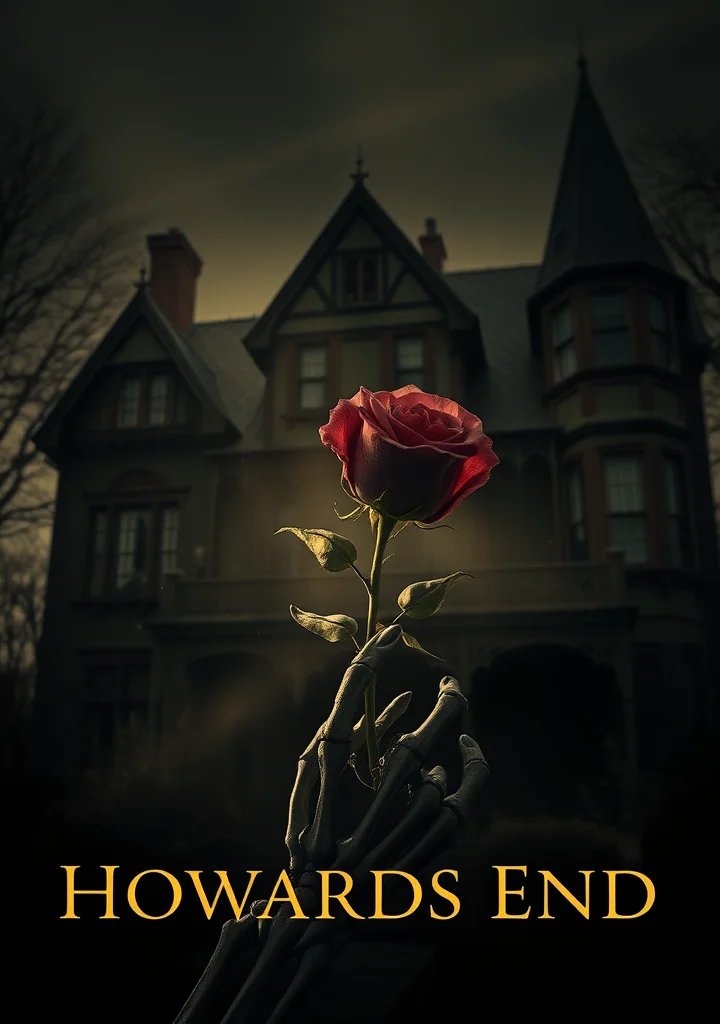
Dust motes dance in the perpetual twilight of Howards End, a house steeped in the slow decay of England’s soul. The scent of dying roses clings to the shadowed hallways, mirroring the stifled desires and unspoken griefs of those drawn to its orbit. It is a place where the past isn’t merely remembered, but *breathes* within the walls, a weight upon the chests of its inhabitants. A chill, born not of the English climate but of fractured inheritance, permeates the very brick and mortar. The narrative unfolds as a creeping fog, obscuring the boundaries between lives intertwined by circumstance and haunted by ancestral echoes. A delicate, brittle web of connection – and possession – stretches between the Schlegel sisters and the pragmatic, self-made Wilcox family. Each encounter is shadowed by a quiet desperation, a yearning for something lost or never possessed. The atmosphere is one of elegant claustrophobia: grand rooms filled with the silence of unfulfilled longing, gardens overgrown with the thorns of regret. A sense of inevitable entanglement pervades the prose, mirroring the insidious growth of ivy across the ancient stone. It is a story told in half-tones, in the rustle of silk against the gloom, in the unspoken tension of shared meals and stolen glances. The tragedy isn’t found in dramatic outburst, but in the slow erosion of hope, the stifling of breath within the gilded cage of social expectation. A haunting, pervasive melancholy clings to the pages like the damp earth of an English autumn.
23 Part
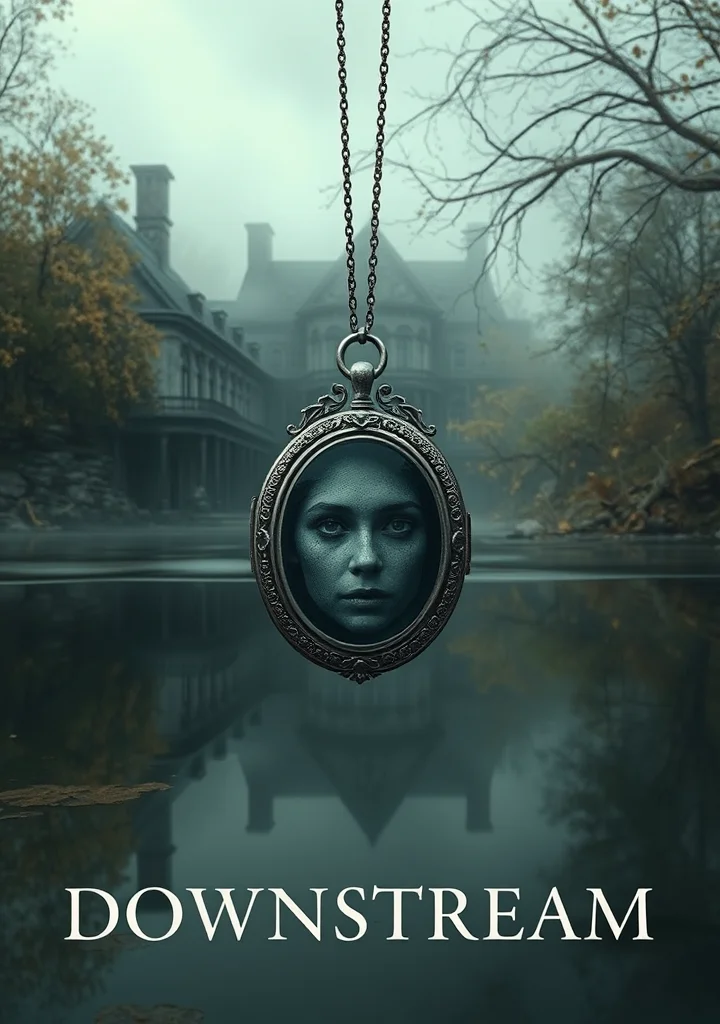
The river breathes in shadow. A slow, glacial unraveling of grief clings to the banks where the village of Älvborg surrenders to the encroaching mire. Old Man Hemlock, they say, drowned his bride in these currents – or perhaps the river *became* her grief, drawing her down into the silt and weeping willows. Now, decades later, a silence heavier than the fog settles with each passing autumn. It isn’t a place for remembering; it’s a place where memory itself dissolves into the water’s cold embrace. The narrative drifts like wreckage, fragments of lives snagged on submerged roots. A daughter returning to settle her father’s affairs finds the house filled not with absence, but with the residue of his obsession. He'd charted the river’s moods, cataloging the debris, the whispers carried on the tide. Each item pulled from the water feels less like discovery and more like an exhumation. The air tastes of decay and damp earth. The scent of bog iron and something older, something clinging to the stones beneath the water. Every reflection is distorted, mirroring not the world above but the dark, churning heart beneath. The further downstream one travels, the less certain the land is, the more insistent the river’s claim. It isn't merely a journey *along* the water, but *into* it – a descent into a past that refuses to stay buried, a current that pulls at the soul until it too is lost to the depths. The house itself seems to exhale the river’s chill, and those who linger too long find themselves shadowed by the same spectral currents that claimed Hemlock’s bride. The river isn't just a setting; it's an entity, a hunger, and it’s waiting to collect what’s left to be taken.
38 Part
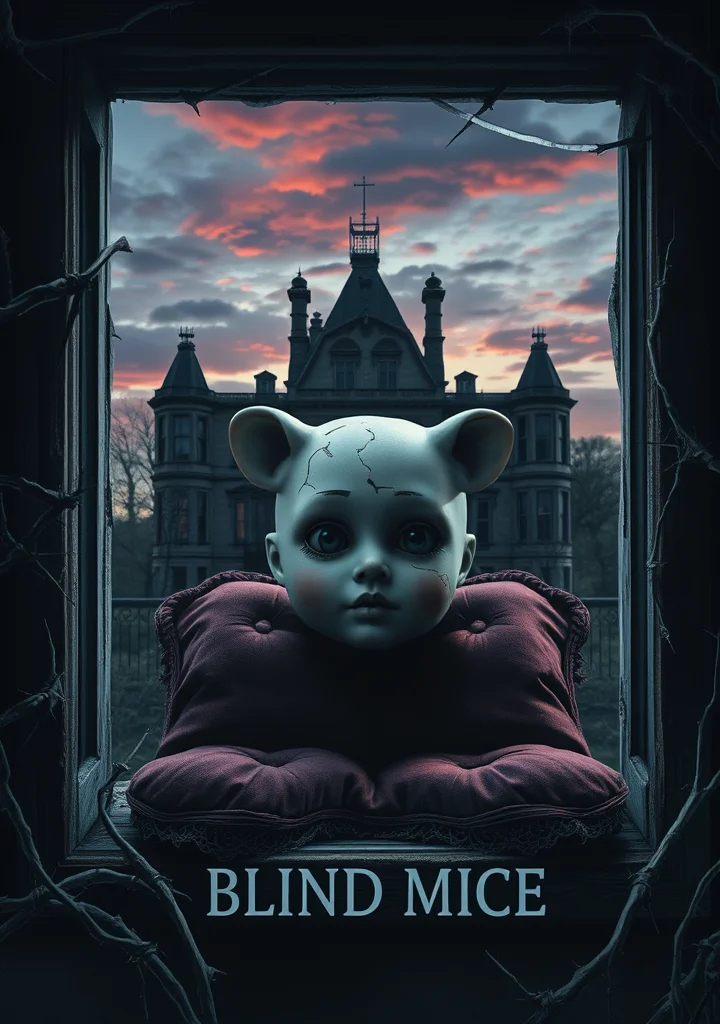
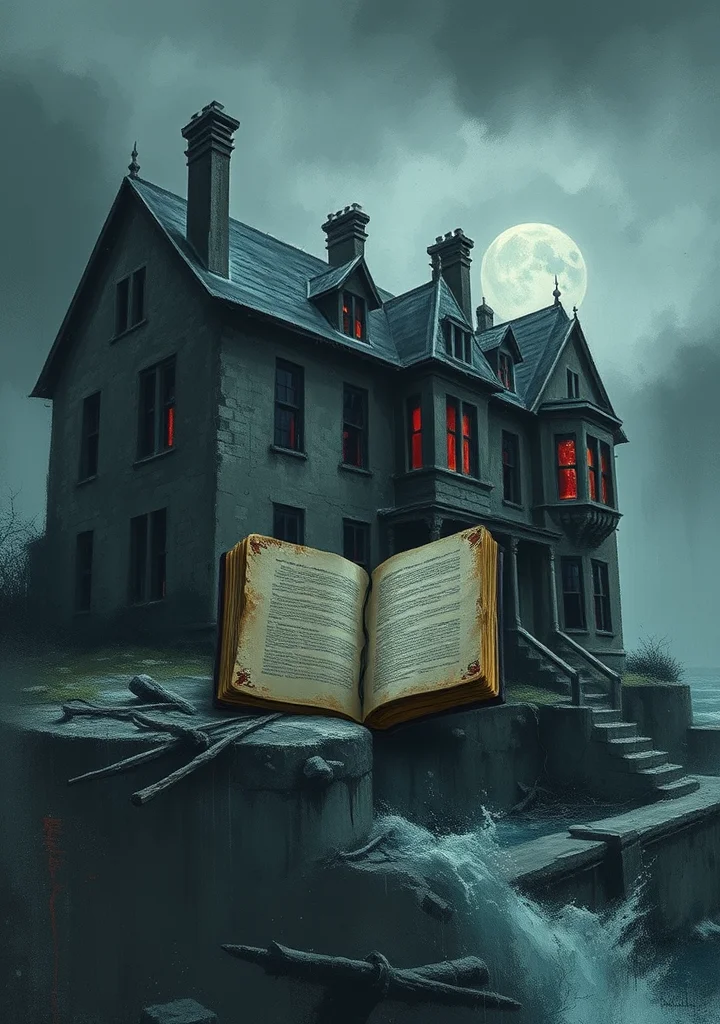
The manor exhales rot and regret. Dust motes dance in the slivers of moonlight piercing the boarded windows of Harrowgate, a place already swallowed by shadow before the first stone was laid. Within, the sisters – Elara, Lyra, and Wren – move as ghosts among the decaying finery, each blind in her own way. Not with eyes unseeing, but with hearts hollowed by a grief that curdles into something venomous, something hungry. They were born of a bargain struck with the land itself, a pact made to ensure their father’s fortune. Now, he’s gone, leaving only whispers of a monstrous inheritance and the echoing click of claws on stone floors. Each sister sees glimpses – fractured reflections in cracked mirrors, the phantom touch of cold hands, the scent of wet earth rising from beneath the floorboards. The manor breathes with the memory of their mother, lost to the labyrinthine gardens years ago, a loss they were told was a fever. But the whispers insist it was something else, something woven into the very fabric of Harrowgate. A darkness that doesn't merely haunt the house, but *is* the house. As the sisters unravel the threads of their father’s secrets, they discover that their blindness isn't merely sorrow, but a shield. For the things that stalk the corridors of Harrowgate are drawn to those who see too much. And the closer they come to the truth, the more they realize that they are not just hunted by what lurks within the manor walls, but by the insidious rot blooming within their own bloodlines. Each shadowed corner holds a fragment of a forgotten ritual, a piece of a monstrous puzzle, and the creeping realization that they, too, are becoming something monstrously akin to the darkness they seek to understand.
24 Part
Dust motes dance in the perpetual twilight of Blackwood Penitentiary, where Elias Thorne, a cartographer of forgotten grief, meticulously charts the unraveling minds of the condemned. He doesn’t map territories of land, but the labyrinthine landscapes of despair etched onto the letters of the dead – missives intercepted from beyond the veil, penned by those who’ve tasted oblivion. Each spectral script is a fragment of a final reckoning, a whispered confession bleeding through the paper like ichor. The prison itself breathes with a cold, damp sorrow, the stones weeping with the memories of generations swallowed by its maw. Thorne believes the letters aren’t simply *about* death, but *from* it – echoes of fractured souls attempting to rebuild themselves from the wreckage of their final moments. But as he deciphers their chilling prose, a pattern emerges: a recurring symbol, a name whispered in every fractured script, and a creeping realization that Blackwood isn’t merely holding the dead, but *creating* them. The air thickens with the scent of decay and regret. Shadows cling to the corners of Thorne’s workshop, mirroring the shapes of his own unraveling sanity. He’s not just reading the dead’s last words; he’s becoming possessed by their final, suffocating breaths. The prison isn’t just a place of confinement; it's a crucible where the boundaries between the living and the dead dissolve, and the letters become keys to a descent into a darkness that consumes all who dare to decipher its secrets. The silence isn’t empty, but pregnant with the screams of those lost within the stone, waiting to be reborn from the ink of forgotten letters.
20 Part
A creeping dread clings to the salt-laced air of Porthaven, a village choked by perpetual mist and shadowed by the crumbling manor of Blackwood Hall. Old Man Hemlock, postmaster and keeper of forgotten grievances, delivers letters not to their intended hands, but to the hollows of regret and festering secrets. Each missive, delivered with a tremor and a whispered apology, unravels a life already frayed by loneliness and the weight of unacknowledged sins. The narrative follows Elara Thorne, a woman haunted by a correspondence she never sent, a confession penned in feverish ink and delivered to a phantom recipient. As she seeks the source of these spectral deliveries, she descends into Blackwood’s labyrinthine halls, where portraits weep with soot and the scent of brine mixes with the dust of forgotten rituals. The house itself breathes with a sorrowful intelligence, its corridors echoing with the murmur of broken promises. Every room is a mausoleum of fractured memory, each object a shard of a life shattered by the wrong letter—a word misplaced, a truth concealed, a love betrayed. The very stones seem to weep with the weight of the past, and Elara finds herself caught in a tightening spiral of delusion and decay, unsure if the horrors she uncovers are real or born of her own unraveling mind. The fog outside mirrors the confusion within, obscuring the boundaries between the living and the dead, and the truth buried beneath layers of whispered accusations and unspoken fears. A chilling silence pervades, punctuated only by the relentless drip of rain and the unsettling certainty that someone, somewhere, is watching her unravel.
21 Part
A creeping dread clings to the salt-laced shores of Varick Isle, where the crumbling manor of its namesake stands sentinel against a perpetual grey sky. The story unfolds not as a linear descent, but as a slow unraveling—a tapestry of whispered confessions unearthed in brine-soaked journals and the fevered ramblings of those who dared to seek Varick’s secrets. Saltus paints a world steeped in maritime rot and the suffocating weight of ancestral guilt. Each chapter feels like a chipped fragment of a drowned memory, revealing glimpses of a man consumed by his own meticulous, morbid obsession with charting the currents of madness. The narrative breathes with the damp chill of forgotten crypts, where shadows twist into the shapes of Varick’s monstrous creations—not of flesh and bone, but of painstakingly transcribed nightmares. A suffocating claustrophobia permeates the text, mirroring the labyrinthine passages of the manor itself. The air is thick with the scent of decaying parchment and the metallic tang of blood, both real and imagined. The truth, as it surfaces, is less a revelation than a contagion—a spreading stain of corruption that seeps into the reader's mind, blurring the line between the rational and the grotesque. It is a story of inheritance not of wealth, but of decay, a descent into a watery grave where the boundaries of sanity dissolve into the churning depths. One finds oneself not merely reading of Varick’s madness, but *experiencing* it, drawn into its suffocating vortex, haunted by the echoes of its mournful cries carried on the wind.
11 Part
Dust motes dance in the perpetual twilight of Umbria, clinging to the crumbling facades of villas haunted by regret. A stifling heat hangs over the sun-baked earth, mirroring the simmering tensions within the Anglo-Italian community of Monteriano. The air itself seems thick with unspoken desires and the scent of decaying jasmine. Here, amidst olive groves and ancient stone, a quiet, provincial life is shattered by the intrusion of a passionate, forbidden love—a love born from an impulsive act, and nurtured in the suffocating confines of a marriage built on propriety. The story unfolds not as a burst of scandal, but as a slow, creeping dread. The Italian landscape isn't merely a backdrop, but a suffocating presence, mirroring the characters’ internal struggles. A sense of claustrophobia permeates every encounter, every glance exchanged. The narrative is woven with the weight of inherited social codes, the stifling formality of Victorian manners colliding with the raw, untamed passions of the Italian countryside. It is a story of lives irrevocably altered by a single, reckless decision—a decision that unveils the hidden vulnerabilities beneath the veneer of respectability, and reveals how even the most carefully constructed worlds can crumble under the weight of unspoken truths and the shadows of a shared, desperate secret. The narrative lingers in the shadows, leaving you with a lingering sense of unease, as if the dust of Monteriano has settled on your own skin.
14 Part
Dust motes dance in the perpetual twilight of ancestral halls, mirroring the slow decay of a lineage built on obsolescence. The air hangs thick with the scent of polished wood and regret, a suffocating perfume of inherited wealth and purposeless existence. Within these shadowed mansions, a subtle rot festers – not of brick and mortar, but of the human spirit, consumed by the exquisite art of doing *nothing*. A creeping dread permeates the very architecture, as the rituals of conspicuous consumption become increasingly desperate, brittle performances masking a hollow core. The narrative unfolds as a spectral autopsy of a dying aristocracy, where every idle gesture, every meticulously curated possession, is a symptom of a deeper, insidious malaise. Observe the ghostly procession of leisure, its cold elegance a shroud woven from boredom and the glittering chains of social obligation. The very foundations of civility seem to crumble with each perfectly timed sip of champagne, each languid glance across a ballroom floor. A suffocating stillness pervades, broken only by the echoing whispers of those who have become shadows of their own privilege, trapped in a gilded cage of their own making, slowly disappearing into the ornate, echoing emptiness. It is a study in sepulchral refinement, a haunting testament to the beautiful, tragic waste of a world on the brink of collapse, where the weight of history presses down like a tombstone.