
-
Read 330
-
0
-
Part 28
Completed, First published Mar 02, 2026
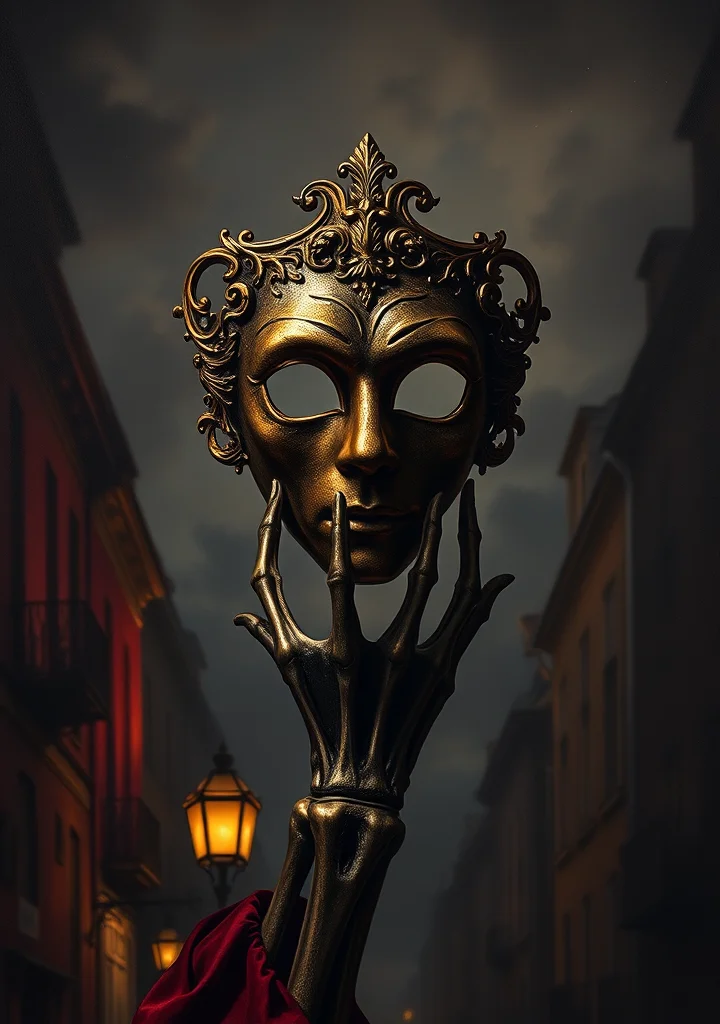
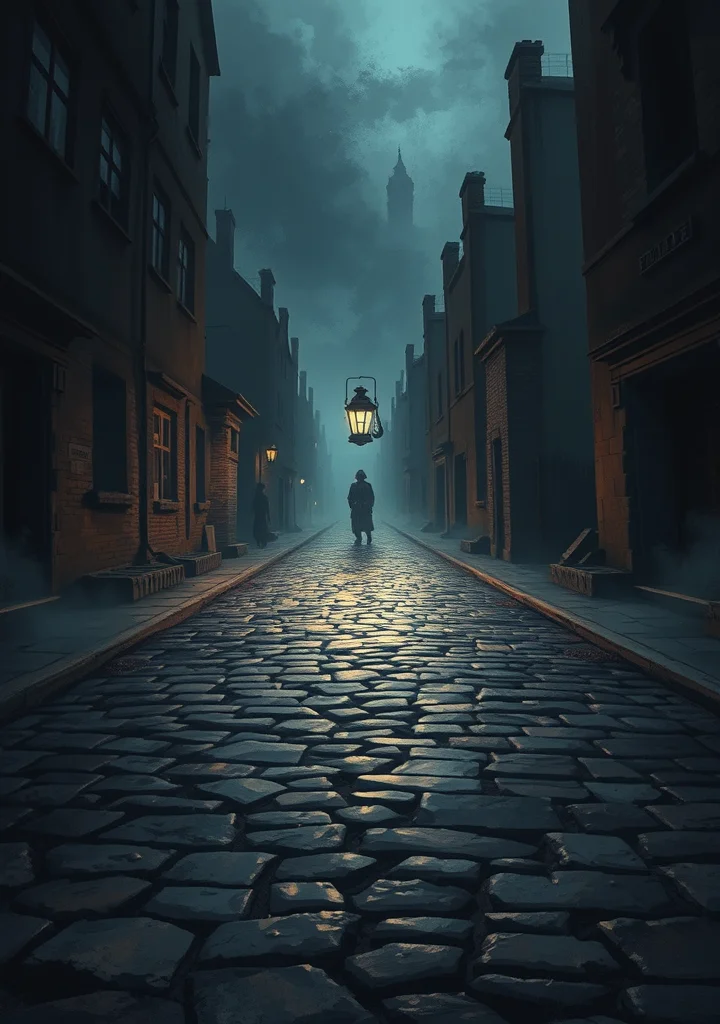
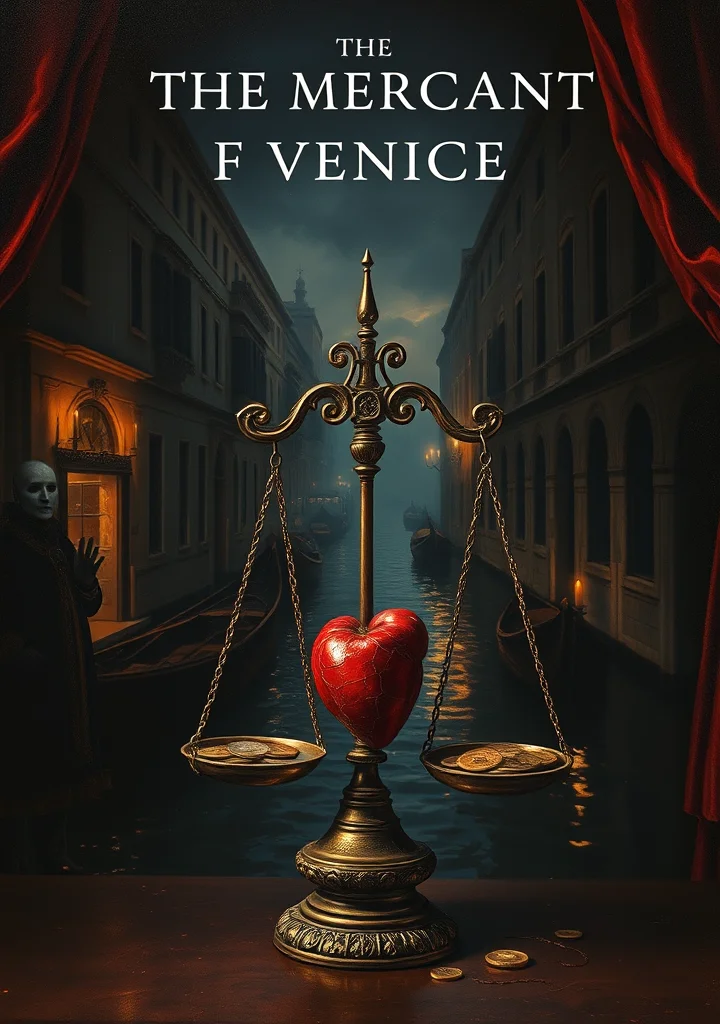
A suffocating Venetian twilight clings to these pages, thick with brine and the scent of decaying silks. The narrative coils like the canals themselves, shadowed by whispers of ancient debts and the glint of gold bought with a chilling price. Every exchange feels etched in stone, every plea laced with a venomous elegance. The air hangs heavy with the weight of legalistic cruelty, where justice is a blade sharpened by prejudice and wielded with cold calculation. A suffocating claustrophobia presses in from the lagoon, mirroring the suffocating constraints placed upon a man defined by his difference. The story breathes with the hushed desperation of secret meetings, the feverish heat of disguised identities, and the brittle, fracturing foundations of a society built upon fragile alliances. Even the laughter feels brittle, echoing in the marble halls of a city built on shadows and secrets, where the tide pulls at the very foundations of mercy and revenge. A darkness resides not just in the villain’s heart, but within the very stone of Venice itself.
Copyright: Public Domain
This license allows anyone to use your story for any purpose, including printing, selling, or adapting it into a film freely.
This license allows anyone to use your story for any purpose, including printing, selling, or adapting it into a film freely.
Chapter List
-
« The Merchant of Venice »📖 Continue Reading
-
« Dramatis Personae »
-
« The Merchant of Venice »
-
« ActI »
-
« SceneI »
-
« SceneII »
-
« SceneIII »
-
« ActII »
-
« SceneI »
-
« SceneII »
-
« SceneIII »
-
« SceneIV »
-
« SceneV »
-
« SceneVI »
-
« SceneVII »
-
« SceneVIII »
-
« SceneIX »
-
« ActIII »
-
« SceneI »
-
« SceneII »
-
« SceneIII »
-
« SceneIV »
-
« SceneV »
-
« ActIV »
-
« SceneI »
-
« SceneII »
-
« ActV »
-
« SceneI »
28
-
« The Merchant of Venice »
-
« Dramatis Personae »
-
« The Merchant of Venice »
-
« ActI »
-
« SceneI »
-
« SceneII »
-
« SceneIII »
-
« ActII »
-
« SceneI »
-
« SceneII »
-
« SceneIII »
-
« SceneIV »
-
« SceneV »
-
« SceneVI »
-
« SceneVII »
-
« SceneVIII »
-
« SceneIX »
-
« ActIII »
-
« SceneI »
-
« SceneII »
-
« SceneIII »
-
« SceneIV »
-
« SceneV »
-
« ActIV »
-
« SceneI »
-
« SceneII »
-
« ActV »
-
« SceneI »
More like this