
Ragged Dick
  • 144
  • 0
  • 32
  • Reads 144
  • 0
  • Part 32
Completed, First published Mar 02, 2026

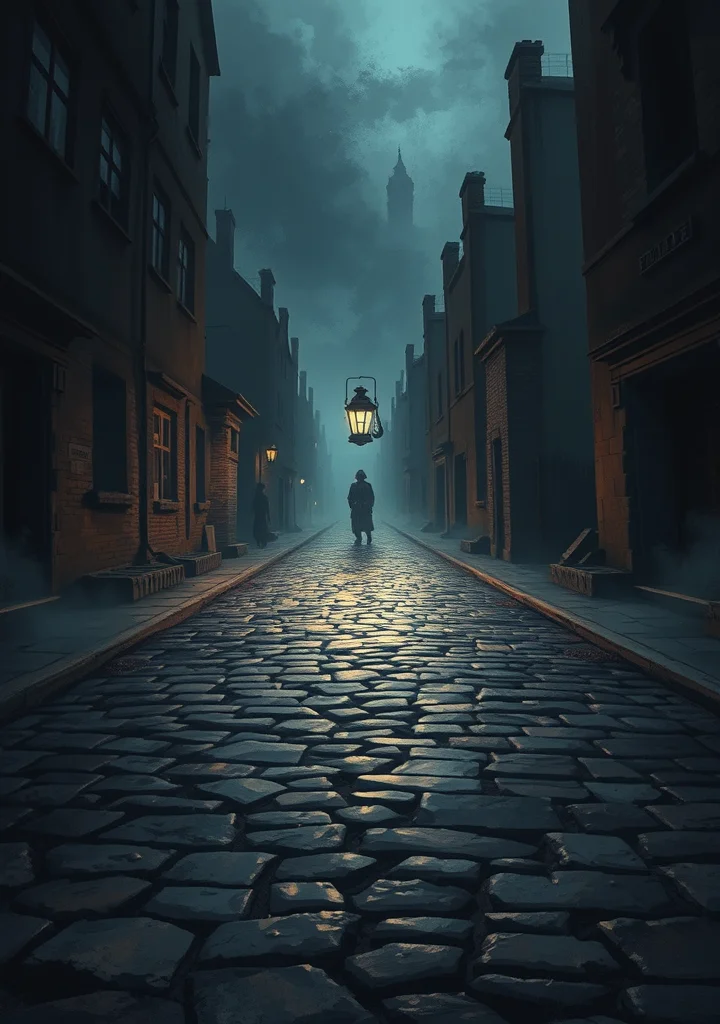
Beneath a perpetual, soot-stained sky, the cobbled streets of New York exhale a grimy breath upon young Dick’s threadbare coat. Not a tale of grand estates or crumbling manors, but a descent into the shadowed alleys where ambition festers like a hidden wound. The city’s pulse is a frantic drumbeat against a backdrop of brick and iron, mirroring the boy’s own desperate climb. Each stolen glance, each whispered bargain, is rendered in shades of gaslight and rain-slicked brick. The air itself clings to the scent of coal smoke and damp wool, a constant reminder of the precarious ledge between decency and ruin. It isn’t a haunting of ghosts and gables, but the suffocating weight of circumstance, the insidious creep of poverty that gnaws at hope. The narrative unfolds not as a spectre in velvet, but as a creeping dampness in the bones, a chilling realization that upward mobility demands a shedding of innocence, a willingness to trade sunlight for the shadows’ cold embrace. The very stones seem to whisper of broken promises, and the boy’s ascent feels less like triumph and more like a slow, agonizing bleed into the city’s heartless machinery.
Copyright: Public Domain
This license allows anyone to use your story for any purpose, including printing, selling, or adapting it into a film freely.
Recommended for you
6 Part
Dust motes dance in the gaslight of provincial theaters, clinging to the velvet drapes and the tarnished gilt of crumbling grandeur. A fever dream of ambition, *Lost Illusions* unfolds in a Paris steeped in shadow, where the scent of stale perfume mingles with the bitterness of thwarted dreams. The novel breathes with the stifled sighs of Lucien de Rubempré, a provincial editor cast adrift in a sea of cynical brilliance. Every cobbled street echoes with whispered betrayals, every drawing room glitters with the venom of social climbing. The air thickens with the rot of compromised ideals; a suffocating perfume of decaying morality. It’s a city of mirrors, reflecting not truth but the grotesque distortions of power. The narrative clings to you like a damp shroud, revealing a world where talent is bartered for influence, and innocence is devoured by the ravenous maw of the press. The characters move through perpetual twilight, haunted by the ghosts of their own making. Each revelation is a splinter of ice in the heart, each success a further descent into a labyrinth of disillusionment. The prose itself feels aged, brittle as parchment, stained with the ink of regret. It is a slow, insidious unraveling, a descent into the suffocating darkness where hope is extinguished, and only the hollow echoes of ambition remain. The final pages leave a residue of ash and despair, a chilling testament to the price of vanity and the corrosive nature of ambition.


52 Part
A creeping dread clings to the shadowed orchards and crumbling khutors of Shevchenko’s *Poetry*. It isn’t a tale of grand horrors, but of a slow rot consuming the soul, witnessed through eyes haunted by the vast, indifferent steppes. The narrative unfolds like a fever dream—fragmented, lyrical, and steeped in the melancholic scent of damp earth and decaying sunflowers. Each verse bleeds into the next, mirroring the blurring of memory and reality within the minds of those exiled, those bound to the land by chains of sorrow and longing. The air hangs thick with the weight of unfulfilled desires and the ghosts of Cossack glories, rendered brittle by years of oppression. Walls whisper with the lamentations of women left behind, and the wind carries the cries of children lost to famine. A sense of impending doom isn’t delivered through spectacle, but through the relentless accumulation of small, brutal details—a chipped icon in a deserted chapel, a raven’s feather found clutched in a dead hand, the taste of iron in the well water. The prose itself is a landscape of fractured beauty—sun-drenched fields concealing graves, a sky bruised purple with regret. It’s a narrative not of what *happens*, but of what *remains*—the lingering echo of a broken heart, the dust of forgotten villages, the chilling realization that even in oblivion, the land remembers everything, and judges all. A suffocating stillness permeates the work, broken only by the distant howl of wolves and the rustling of secrets in the wheat fields. The story doesn’t end; it simply dissolves into the horizon, leaving you adrift in a sea of unending grey.
74 Part
The air hangs thick with brine and decay, clinging to the damp stone of the Breton manor like a shroud. Germinie, a creature born of the shadows and the sea’s cold kiss, is less woman than phantom, tethered to the decaying life of the de Touars by a devotion steeped in bitterness and shadowed longing. Each chipped porcelain doll, each faded silk gown she tends to, breathes the rot of a forgotten grandeur. The manor itself is a labyrinth of echoing corridors, where dust motes dance in slivers of light revealing portraits of a lineage consumed by ennui and vice. A suffocating intimacy blossoms between Germinie and the aged, invalid aristocrat she serves, an intimacy born not of passion but of shared isolation, of bodies failing within the confines of the crumbling estate. The narrative unravels as a slow poison, seeping into the foundations of the house and the hearts of those within. A feverish, suffocating atmosphere of obligation, resentment, and the morbid beauty of decay permeates every page, leaving the reader adrift in a perpetual twilight of unspoken desires and the suffocating weight of unfulfilled lives. The scent of lavender and mold clings to everything, mirroring the slow unraveling of Germinie’s spirit—a haunting presence woven into the very fabric of the decaying manor, a specter bound to the fate of a dying dynasty. The narrative breathes with the rhythm of the sea against the cliffs, a constant, mournful ebb and flow mirroring the decline of both body and mind.